
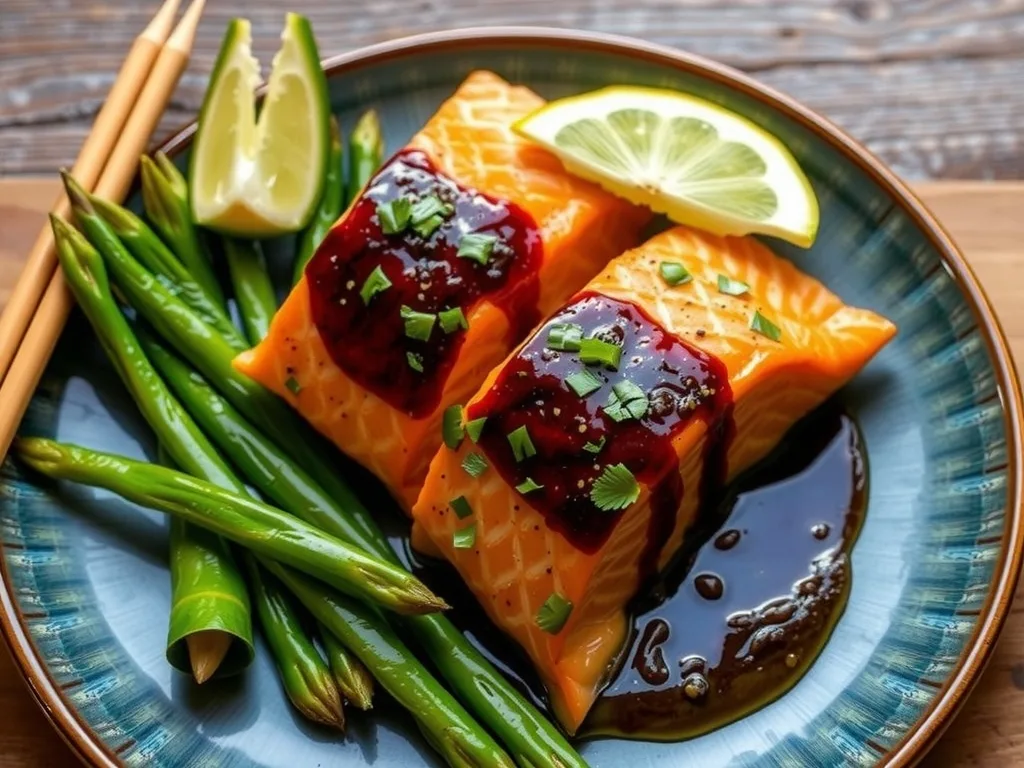
If you’ve ever walked into a Japanese restaurant and been captivated by the glossy, umami‑rich glaze on miso‑glazed salmon, you know how magical that flavor can be. The good news is that you don’t need a sushi chef’s training to recreate that restaurant‑quality dish at home. This Easy Miso Salmon Recipe brings together pantry staples—brown sugar, soy sauce, miso paste, and a splash of hot water—to create a sweet‑savory glaze that caramelizes beautifully in the oven or under the broiler.
In less than thirty minutes from start to finish, you’ll have tender, flaky salmon fillets coated in a shiny, deeply savory sauce that pairs perfectly with steamed rice, sautéed greens, or a simple cucumber salad.
What makes this recipe especially appealing for cooks aged 40‑65+ is its simplicity and flexibility. The miso glaze comes together in a bowl with just a whisk, and the salmon only needs a brief marination—no overnight soaking required. Whether you’re preparing a quick weeknight dinner for two or entertaining guests with a healthy, impressive main course, the steps are straightforward and forgiving.
Plus, the ingredients are easy to find in most grocery stores, and you can swap in white miso for a milder taste or red miso for a deeper, richer flavor depending on your palate. The result is a dish that feels indulgent yet aligns with balanced eating goals, delivering protein, omega‑3 fatty acids, and a touch of antioxidants from the miso.
Beyond the core technique, this recipe invites creativity. You can add a hint of grated ginger or a drizzle of sesame oil to the glaze for extra aroma, or finish the plated salmon with toasted sesame seeds and sliced scallions for a pop of color and crunch. If you prefer a lower‑sugar option, reduce the brown sugar or substitute with a touch of honey or maple syrup.
The versatility of miso means you can adapt the glaze to suit dietary preferences while still achieving that signature umami punch. Ready to bring a taste of Japan to your dinner table? Let’s gather the ingredients and get cooking.
Alternate Names & Variations
While the dish is most commonly known as miso glazed salmon, you’ll also see it referred to as sweet miso salmon, Asian‑style glazed salmon, or simply miso salmon. Some home cooks call it “Nobu‑style salmon” after the famous black cod preparation at Nobu restaurants, although traditional Nobu miso black cod uses a longer marination and a different fish. For a quicker weeknight version, many recipes label it “baked miso salmon” or “broiled miso salmon,” highlighting the cooking method.
Variations include adding mirin or sake for a more authentic Japanese flavor, incorporating Sriracha or chili garlic sauce for a spicy kick, or swapping the salmon for other fatty fish like trout or arctic char. Vegetarian adaptations use miso glaze on tofu or eggplant, proving that the sweet‑savory sauce works beautifully beyond seafood.
Ingredients: Easy Miso Salmon Recipe
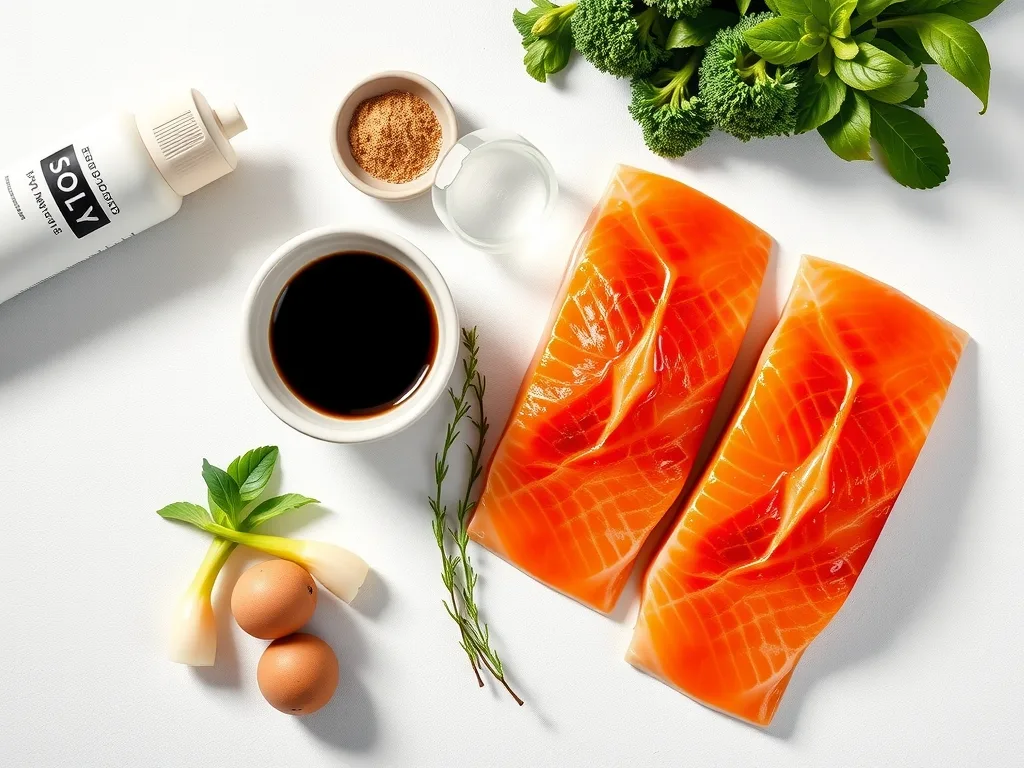
- – Cooking spray (to prevent sticking)
- – 2 tablespoons brown sugar
- – 1 tablespoon soy sauce (low‑sodium preferred) – 1 tablespoon hot water – 1 tablespoon miso paste (white or yellow miso works best) – 2 (6‑ounce) salmon fillets, skin‑on or skin‑less as desired
- – Optional garnish: toasted sesame seeds, sliced scallions, grated ginger, or a drizzle of sesame oil
*Note: The script will place an image immediately after this section.*
Step-by-Step Instructions
- 1. Preheat the oven to 400 °F (200 °C). Line a baking sheet with parchment paper or a silicone mat and lightly spray with cooking spray.
- 2. Make the glaze: In a small bowl, whisk together the brown sugar, soy sauce, hot water, and miso paste until smooth. If you like a bit of zing, add ½ teaspoon freshly grated ginger or a few drops of sesame oil now.
- 3. Prepare the salmon: Pat the fillets dry with paper towels. Place them skin‑side down (if keeping skin) on the prepared sheet. Brush the tops generously with the miso glaze, reserving about a tablespoon for later.
- 4. Marinate briefly: Let the salmon sit at room temperature for 5‑10 minutes while the oven finishes heating. This short rest allows the flavors to start penetrating without over‑marinating, which can make the fish overly salty.
- 5. Bake the salmon: Slide the sheet into the oven and bake for 10‑12 minutes, depending on thickness. The salmon should be opaque in the center and flake easily with a fork.
- 6. Broil for glaze finish (optional): Switch the oven to broil and cook for an additional 1‑2 minutes, watching closely, until the glaze bubbles and turns a deep caramel color. This step gives the signature glossy finish. 7. Rest and serve: Remove the salmon from the oven, drizzle the reserved glaze over the top, and let it rest for 2 minutes. Garnish with toasted sesame seeds, sliced scallions, or a light drizzle of sesame oil if desired. Serve immediately with your favorite sides.
Chef Tips & Substitutions
- – Miso choice: White (shiro) miso yields a milder, sweeter glaze; yellow miso adds a bit more depth; red (aka) miso is richer and saltier—use half the amount if you opt for red to avoid overpowering the dish.
- – Sweetener swap: Replace brown sugar with coconut sugar, honey, or maple syrup for a different flavor profile; keep the total volume at 2 tablespoons.
- – Low‑sodium option: Use reduced‑syrup soy sauce or tamari and increase the hot water by a teaspoon to maintain glaze consistency.
- – Gluten‑free: Ensure your soy sauce is tamari or a certified gluten‑free variety. – Alternative cooking methods: For a stovetop version, sear the salmon skin‑side down in a non‑stick skillet over medium‑high heat for 4‑5 minutes, flip, brush with glaze, and cook another 3‑4 minutes until done. Finish under the broiler for glaze caramelization if desired.
- – Avoid overcooking: Salmon continues to cook from residual heat; pull it out when it’s just barely translucent in the center for the juiciest result.
Recipe Card Reference
This Easy Miso Salmon Recipe comes together quickly, making it perfect for busy evenings or relaxed weekend meals. Prep Time: 10 minutes (including glaze mixing and salmon patting). Cook Time: 12‑14 minutes (bake plus optional broil). Total Time: Approximately 22‑24 minutes. Servings: 2 generous fillets (about 6 ounces each). Calories per serving: Roughly 320 kcal, assuming one tablespoon of brown sugar and standard soy sauce; the exact count varies with the type of miso and any added garnishes.
The dish provides a solid source of high‑quality protein and heart‑healthy omega‑3 fatty acids, while the miso contributes beneficial probiotics and antioxidants.
Why This Recipe Works & Expert Tips
The success of this miso salmon hinges on the balance of sweet, salty, and umami elements, a trio that mimics the classic flavor profile found in Japanese cuisine. Brown sugar supplies caramelizable sugars that create a glossy, slightly crisp exterior when exposed to high heat, while soy sauce delivers the salty backbone that enhances the fish’s natural savoriness.
Miso paste, a fermented soybean product, introduces deep umami notes and a subtle tang that penetrates the salmon’s flesh during the brief marination, tenderizing the protein without breaking down its texture. The hot water loosens the miso and sugar, allowing them to emulsify into a smooth glaze that clings evenly to the fillet.
From a nutritional standpoint, salmon is rich in EPA and DHA, omega‑3 fats linked to reduced inflammation and improved cardiovascular health—benefits that are especially valuable for the 40‑65+ demographic. Miso adds a modest amount of protein, B vitamins, and beneficial microorganisms that support gut health.
By keeping the marination short (5‑10 minutes), we avoid over‑salting the fish while still allowing enough time for the glaze to adhere and infuse flavor. The optional broil step at the end triggers the Maillard reaction and caramelization, giving the dish that restaurant‑style shine and a hint of smoky sweetness.
Expert tips for maximizing flavor include toasting the sesame seeds before garnishing, which releases their nutty aroma, and adding a splash of rice vinegar or lime juice to the glaze if you prefer a brighter finish. If you’re cooking for a crowd, simply double the ingredients and use two baking sheets; the glaze scales linearly, and the cooking time remains unchanged as long as the fillets are of similar thickness. Finally, always let the salmon rest after cooking; this allows the juices to redistribute, ensuring each bite stays moist and flavorful.
Storage, Freezing, and Reheating
Leftover miso glazed salmon keeps well in the refrigerator for up to three days. Transfer the cooled fillets to an airtight container, placing a sheet of parchment between layers if you stacked them to prevent sticking. When you’re ready to enjoy the leftovers, reheat gently to preserve the delicate texture: preheat the oven to 275 °F (135 °C), cover the salmon loosely with foil, and warm for 10‑12 minutes, or until heated through.
Avoid microwaving at high power, as it can make the glaze rubbery and the fish dry; if you must use a microwave, do so on 30 % power in 30‑second intervals, checking frequently.
For longer storage, the cooked salmon can be frozen for up to two months. Cool the fillets completely, then wrap each piece tightly in plastic wrap followed by a layer of freezer‑safe foil or place them in a zip‑top freezer bag, squeezing out as much air as possible. To thaw, move the package to the refrigerator overnight. Reheat using the low‑oven method described above, adding a fresh drizzle of the reserved glaze or a tiny splash of soy sauce to revive the glaze’s shine.
The glaze may lose a bit of its gloss after freezing, but the flavor remains delicious, making this a practical option for meal‑prepping healthy dinners ahead of time.
People Also Ask
How long should I marinate salmon in miso?
For this Easy Miso Salmon Recipe, a brief marination of 5 to 10 minutes at room temperature is ideal. This short window allows the miso, soy sauce, and sugar to begin penetrating the surface of the fish without overwhelming its delicate flavor or making it overly salty. Unlike thicker cuts of meat that benefit from several hours or overnight marination, salmon’s tender flesh absorbs flavors quickly, and extended exposure to the salty miso can draw out moisture, resulting in a drier texture after cooking.
If you prefer a deeper umami note, you can extend the marination to up to 20 minutes, but be sure to keep the salmon refrigerated during that time and pat it dry before cooking to prevent excess liquid from steaming the fish instead of searing it. The key is balance: enough time for the glaze to adhere, but not so long that the fish loses its natural buttery tenderness.
What does miso paste do to salmon?
Miso paste acts as a multifunctional flavor enhancer and tenderizing agent when applied to salmon. Fermented soybeans in miso release glutamates, which are responsible for the umami taste that deepens the savory profile of the fish. The enzymes present in miso also gently break down surface proteins, allowing the glaze to adhere more securely and imparting a subtle tenderness without making the fish mushy—especially when the marination is kept short.
Additionally, the sugars in miso (often augmented by added brown sugar in the glaze) caramelize under heat, creating that attractive glossy crust and a hint of sweetness that balances the salty soy sauce. Beyond taste, miso contributes beneficial probiotics and antioxidants, offering a modest health boost. In essence, miso transforms a plain salmon fillet into a restaurant‑worthy dish with complex layers of sweet, salty, and umami notes in just a few minutes of preparation.
What kind of miso is best for salmon?
White (shiro) miso is generally regarded as the best choice for a sweet, delicate glaze on salmon because it is milder, slightly sweet, and lower in salt than other varieties. Its light color lets the glaze achieve a beautiful amber hue without overwhelming the fish’s natural pink hue. Yellow miso offers a middle ground—more depth and a touch more saltiness—while still keeping the glaze approachable for those who prefer a balanced flavor. Red (aka) miso, with its robust, earthy richness and higher salt content, can be used sparingly (about half the amount called for) when you desire a deeper, more intense umami punch; however, it risks overpowering the salmon if not adjusted.
For beginners or those cooking for a mixed palate, start with white or yellow miso, taste the glaze before applying, and adjust the soy sauce or sugar accordingly to achieve your preferred sweet‑salty balance.
What do you serve with miso salmon?
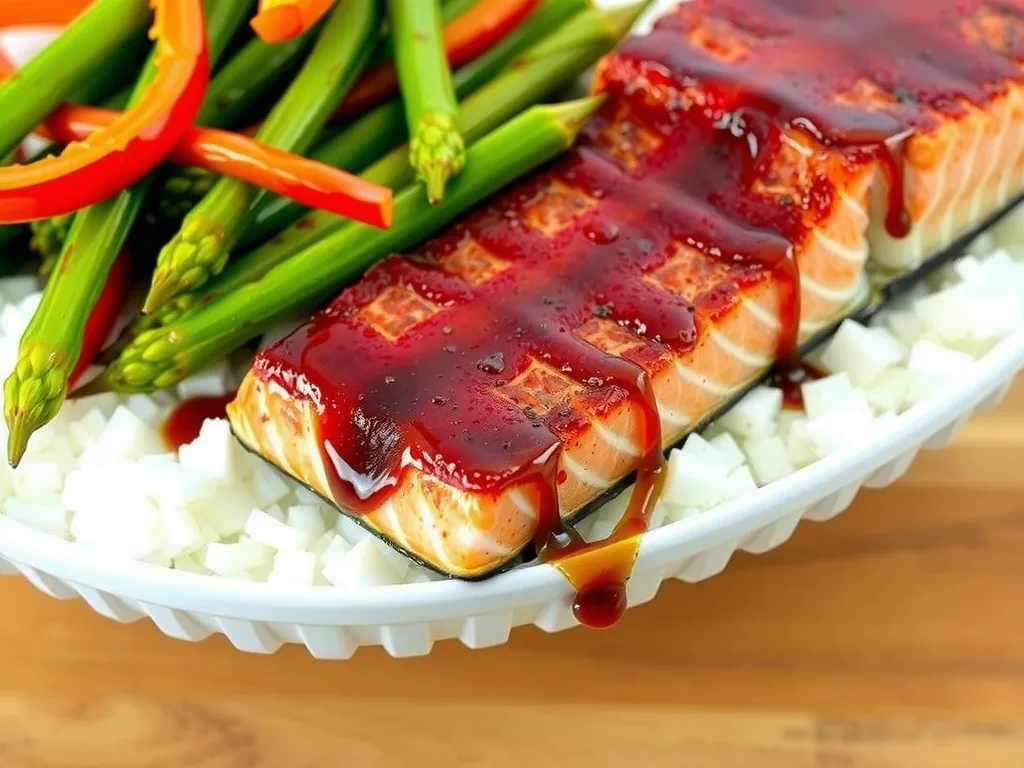
Miso glazed salmon pairs beautifully with a variety of sides that complement its sweet‑savory profile while keeping the meal light and nutritious. Classic options include steamed jasmine or short‑grain rice, which soaks up any extra glaze, and a simple cucumber‑sesame salad dressed with rice vinegar, a touch of sugar, and toasted sesame seeds for crunch. Stir‑fried bok choy or snap peas with garlic and ginger add a bright, crisp vegetable component, while roasted sweet potatoes or mashed cauliflower provide a heartier, comforting base.
For a low‑carb twist, serve the salmon over a bed of cauliflower rice or alongside a mixed greens salad tossed with a citrus‑ginger vinaigrette. If you enjoy a bit of heat, a side of quick‑pickled radishes or a drizzle of sriracha mayo adds a pleasant kick. Finally, garnish the plated salmon with sliced scallions, toasted sesame seeds, and a few microgreens for color and freshness, turning a simple dinner into an elegant, restaurant‑style presentation.
Conclusion: Easy Miso Salmon Recipe
There’s something deeply satisfying about pulling a glistening, miso‑glazed salmon fillet from the oven and knowing you’ve recreated a restaurant favorite in under half an hour with pantry‑friendly ingredients. This Easy Miso Salmon Recipe proves that impressive flavor doesn’t require complicated techniques or hard‑to‑find items—just a good balance of sweet, salty, and umami, a quick marination, and a hot oven to bring everything together. Whether you’re cooking for yourself, a partner, or a small gathering, the dish delivers tender, omega‑3‑rich fish alongside a glossy sauce that feels indulgent yet aligns with wholesome eating goals.
We hope you give it a try, experiment with the optional garnishes, and make it a staple in your weekly rotation. If you loved this recipe, please share it on your favorite social platforms, tag a friend who enjoys healthy, flavorful meals, and leave a comment below with your favorite side pairing. Happy cooking!
You Might Also Like
- Amish Tomato Pie – The Best Comfort Dish to Try This Summer
- Smoked Meatloaf Recipe: Juicy & Flavorful
- Best Spicy Cajun Salmon Recipe – Quick & Flavorful Dinner Idea! 🐟🌶️✨
- Ultimate CrackerBarrel Meatloaf Recipe – Easy & Comforting Dish!
Find Us On Pinterest and Facebook.
Print
Easy Miso Salmon Recipe
- Total Time: 25 minutes
- Yield: 2 servings 1x
Description
This Easy Miso Salmon Recipe is a quick and flavorful dish perfect for busy weeknights. Tender salmon fillets are glazed with a rich, savory-sweet miso sauce that caramelizes beautifully in the oven. Packed with umami flavor and ready in under 30 minutes, this healthy salmon recipe is ideal for a simple dinner that feels gourmet with minimal effort.
Ingredients
- Cooking spray
- 2 tablespoons brown sugar
- 1 tablespoon soy sauce
- 1 tablespoon hot water
- 1 tablespoon miso paste
- 2 (6-ounce) salmon fillets
Instructions
- Preheat your oven to 400°F (200°C) and lightly coat a baking dish with cooking spray.
- In a small bowl, whisk together the brown sugar, soy sauce, hot water, and miso paste until smooth and well combined.
- Place the salmon fillets in the prepared baking dish, skin-side down if applicable.
- Brush the miso glaze evenly over the top of each salmon fillet.
- Bake for 12–15 minutes, or until the salmon is cooked through and flakes easily with a fork.
- For extra caramelization, broil for an additional 1–2 minutes at the end.
- Remove from the oven and serve immediately with rice or vegetables.
Notes
For best flavor, use white or yellow miso paste. You can substitute honey for brown sugar if desired. Serve with steamed rice, sautéed greens, or roasted vegetables for a complete meal. Store leftovers in an airtight container in the refrigerator for up to 2 days. Reheat gently to avoid drying out the salmon.
- Prep Time: 10 minutes
- Cook Time: 15 minutes
- Category: Dinner
- Method: Baked
- Cuisine: Japanese-inspired
Nutrition
- Serving Size: 1 fillet
- Calories: 320
- Sugar: 8g
- Sodium: 620mg
- Fat: 18g
- Saturated Fat: 3g
- Unsaturated Fat: 13g
- Trans Fat: 0g
- Carbohydrates: 10g
- Fiber: 0g
- Protein: 30g
- Cholesterol: 85mg
Keywords: easy miso salmon, baked salmon recipe, quick dinner, healthy salmon, miso glazed fish