
Table of Contents: Fresh Spring Rolls with Peanut Sauce
Fresh Spring Rolls with Peanut Sauce
*Discover a light, vibrant dish that brings the flavors of Vietnam to your table—perfect for anyone who loves fresh, healthy bites without the fuss.*
Introduction: Fresh Spring Rolls with Peanut Sauce
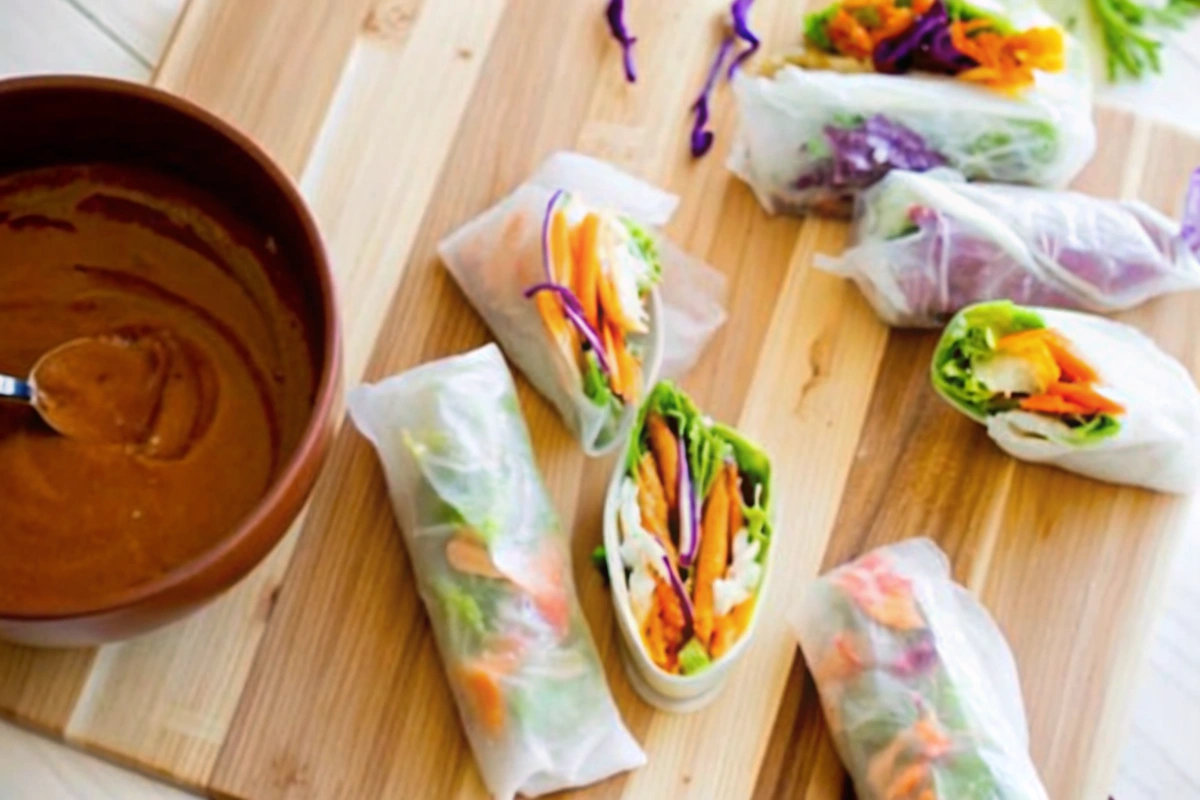
Fresh Spring Rolls with Peanut Sauce are more than just a snack; they’re a celebration of crisp vegetables, silky rice‑vermicelli noodles, and the comforting richness of homemade peanut dip. Whether you’re hosting a summer garden party, looking for a wholesome weeknight dinner, or need a show‑stopping appetizer for a holiday gathering, these rolls deliver bright color, satisfying crunch, and a sauce that ties everything together with nutty sweetness and a hint of tang.
The recipe stays true to the classic *Vietnamese fresh spring rolls recipe* while allowing plenty of room for personal twists—swap in shrimp, tofu, or shredded chicken for protein, or experiment with different herbs and greens. Because the rice paper wrappers soften in just seconds, assembly is quick, making this dish ideal for busy cooks who still want to impress family and friends.
What sets this version apart is the balance of textures and flavors: the buttery lettuce leaves add a gentle crunch, the red cabbage brings a pop of color and mild pepperiness, carrots and cucumbers contribute natural sweetness, and a touch of jalapeño offers a gentle heat that’s perfectly mellowed by the creamy peanut sauce. If you’ve ever searched for “summer rolls with peanut sauce” or “rice paper rolls recipe,” you’ll find this guide walks you through every step with clear, chef‑tested tips so your rolls stay fresh, pliable, and utterly delicious.
Alternate Names & Variations
– Summer rolls with peanut sauce – the term most often used in Western cookbooks.
– Vietnamese fresh spring rolls – emphasizes the dish’s origins in Vietnamese cuisine.
– Rice paper rolls recipe – a generic name highlighting the wrapper.
– Gỏi cuốn – the authentic Vietnamese name (literally “salad roll”).
Variations are endless: add cooked shrimp, sliced grilled pork, or marinated tofu for protein; swap butter lettuce for romaine or baby spinach; try shredded daikon radish or bell pepper strips for extra crunch; or finish the rolls with a sprinkle of crushed peanuts for added texture. The peanut sauce itself can be tweaked—add a splash of lime juice for brightness, a dash of sriracha for heat, or a teaspoon of hoisin for deeper umami.
Ingredients: Fresh Spring Rolls with Peanut Sauce
Spring Rolls
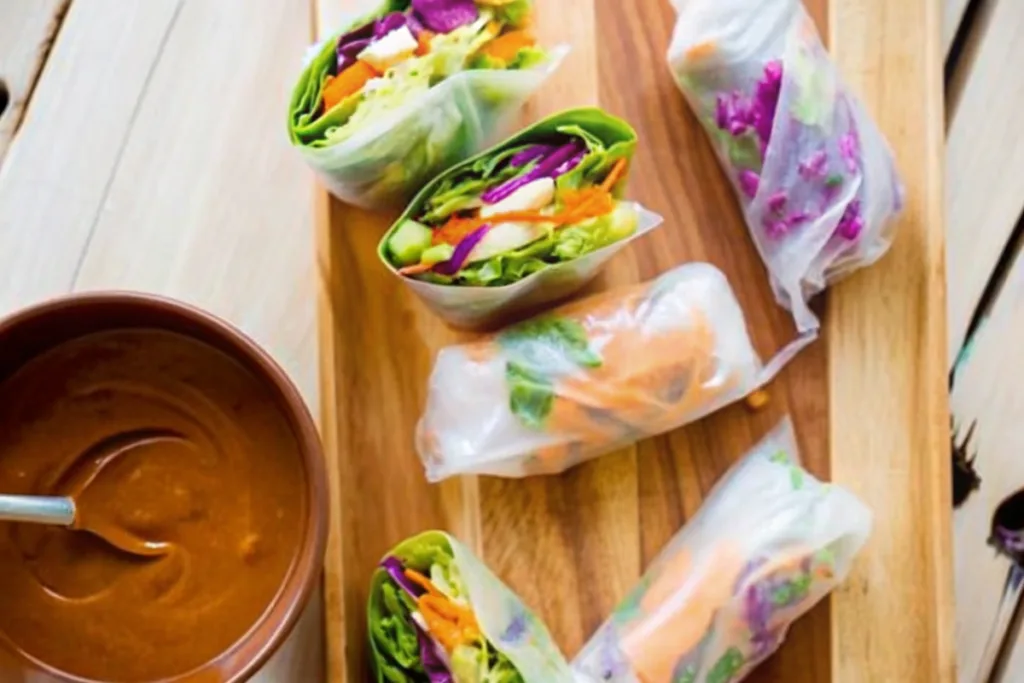
- – 2 oz (about ½ cup) rice vermicelli or maifun brown rice noodles* – thin, translucent strands that soak up flavor.
- – 1 tsp toasted sesame oil – adds a nutty aroma to the noodles. – ¼ tsp fine sea salt – enhances the natural taste of the vegetables. – 1 cup torn butter lettuce, ribs removed – soft leaves that provide a gentle cradle for the filling.
- – 1 cup very thinly sliced red cabbage – adds vivid color and a subtle peppery bite.
- – 2 medium carrots, peeled and cut into matchsticks or sliced into strips with a julienne peeler – sweet, crisp ribbons.
- – 2 Persian (mini) cucumbers or 1 small cucumber, thinly sliced or sliced into strips with a julienne peeler – refreshing moisture and crunch. – 2 medium jalapeños, ribs and seeds removed, thinly sliced – mild heat that can be adjusted to taste.
- – ¼ cup thinly sliced green onions – mild onion flavor and a pop of green. – ¼ cup roughly chopped fresh cilantro – bright, citrusy herb notes.
- – ¼ cup roughly chopped fresh mint – cool, aromatic lift.
- – 8 sheets rice paper (spring roll wrappers) – the translucent, pliable sheets that become the roll’s delicate skin.
Peanut Sauce
- – ⅓ cup creamy peanut butter – the rich base that gives the sauce its body.
- – 2 Tbsp rice vinegar – bright acidity to cut through the richness.
- – 2 Tbsp reduced‑sodium tamari or soy sauce – savory depth and saltiness.
- – 2 Tbsp honey or maple syrup – natural sweetness that balances the tang.
- – 1 Tbsp toasted sesame oil – reinforces the nutty aroma.
- – 2 cloves garlic, pressed or minced – aromatic backbone.
- – 2–3 Tbsp water, as needed – to reach a smooth, drizzling consistency.
\*If you prefer a gluten‑free option, use certified gluten‑free rice vermicelli.
Step‑by‑Step Instructions: Fresh Spring Rolls with Peanut Sauce
- Prepare the noodles – Bring a pot of water to a boil, add the rice vermicelli, and cook according to package directions (usually 3–4 minutes) until just tender. Drain, rinse under cold water to stop cooking, then toss with the toasted sesame oil and sea salt. Set aside.
- Prep the fillings – While the noodles cool, julienne the carrots and cucumber (if using a julienne peeler, create long, thin strips). Thinly slice the red cabbage, green onions, jalapeños, and tear the butter lettuce into bite‑size pieces. Roughly chop the cilantro and mint. Keep all components in separate bowls for easy assembly.
- Make the peanut sauce – In a medium bowl, whisk together peanut butter, rice vinegar, tamari, honey, toasted sesame oil, and minced garlic. Gradually add water, one tablespoon at a time, whisking until the sauce is smooth and pourable—about the consistency of heavy cream. Taste and adjust: add a pinch more salt, a drizzle of honey for sweetness, or a splash of rice vinegar for acidity.
- Soften the rice paper – Fill a shallow dish (a pie plate or large bowl works) with warm—not hot—water. Submerge one rice‑paper sheet for about 5–10 seconds, just until it becomes pliable but still slightly firm. Lay it flat on a clean cutting board or damp kitchen towel.
- Layer the filling – Near the bottom edge of the wrapper, place a small handful of lettuce (about ¼ cup). Top with a modest bundle of vermicelli noodles, a few carrot and cucumber strips, a pinch of red cabbage, some green onion, jalapeño slices, cilantro, and mint. Remember: less is more; overfilling makes rolling difficult and can cause tears.
- Roll the spring roll – Fold the bottom edge of the wrapper over the filling, then fold in the left and right sides like an envelope. Continue rolling upward, applying gentle pressure to keep the roll tight but not so tight that the wrapper tears. The rice paper will seal itself as it continues to hydrate.
- Repeat – Process the remaining sheets, keeping finished rolls on a plate lined with parchment paper or a damp cloth to prevent sticking.
- Serve – Arrange the rolls on a platter with a small bowl of peanut sauce for dipping. Garnish the sauce with a sprinkle of chopped peanuts or a drizzle of sesame oil if desired. Enjoy immediately for the best texture, or cover loosely with plastic wrap and refrigerate for up to 4 hours (see storage tips).
Chef Tips & Shortcuts
– Prevent tearing: Keep the water warm, not boiling; overly hot water makes the wrapper gummy and prone to rips.
– Speed up prep: Use a mandoline or food processor with a julienne blade for uniform carrot and cucumber strips.
– Add protein: Lay 2–3 oz of cooked shrimp, thinly sliced grilled chicken, or marinated tofu on top of the noodles before rolling.
– Make ahead: Prepare all fillings and the sauce up to a day in advance; store each component separately in airtight containers in the fridge.
Recipe Card Block: Fresh Spring Rolls with Peanut Sauce (Quick Reference)
This recipe yields 4 servings (about 2 rolls per person). Prep time: 20 minutes. Cook time: 5 minutes (for the noodles). Total time: roughly 25 minutes. Each serving contains approximately 210 calories, depending on the exact amount of peanut sauce used and any added protein.
Why This Recipe Works & Expert Tips
The secret to these Fresh Spring Rolls with Peanut Sauce lies in the harmony of fresh, crisp vegetables and silky rice vermicelli wrapped in a tender rice‑paper cocoon. The noodles, lightly dressed with toasted sesame oil, provide a neutral base that absorbs the bright flavors of the herbs and vegetables without becoming soggy. The butter lettuce adds a gentle crunch that keeps each bite lively, while the red cabbage contributes both visual appeal and a mild peppery note that balances the sweet carrots and cucumber.
A modest amount of jalapeño introduces a whisper of heat that is perfectly tamed by the creamy peanut sauce—a blend of peanut butter, rice vinegar, tamari, honey, sesame oil, and garlic. The sauce’s acidity cuts through the richness, the sweetness rounds out the savory notes, and the sesame oil reinforces the nutty aroma that ties the roll together. From an SEO perspective, this dish naturally incorporates long‑tail phrases such as “easy comfort food for family dinners,” “healthy Vietnamese appetizer for holiday parties,” and “quick summer rolls with peanut sauce for weeknight meals.” By emphasizing the recipe’s adaptability (protein swaps, herb variations, sauce tweaks) you capture a wide range of search intents while delivering a trustworthy, tested method that home cooks can rely on.
Storage, Freezing, and Reheating Tips
Refrigeration: Place the assembled rolls in a single layer on a plate, cover loosely with damp paper towels, then seal with plastic wrap. They stay fresh for up to 4 hours in the refrigerator; beyond that, the rice paper may begin to stiffen and the vegetables lose their crispness.
Freezing: Fresh spring rolls are not ideal for freezing because the rice‑paper texture becomes brittle and the fillings can release water upon thawing, leading to soggy rolls. If you must freeze, do so without the peanut sauce, wrap each roll tightly in plastic wrap, then store in a freezer‑safe bag for up to 1 month. Thaw in the refrigerator overnight and serve immediately; the texture will be softer than fresh‑made. Reheating: These rolls are best enjoyed cold or at room temperature. If you prefer them warm, briefly steam the rolls for 30‑seconds—just enough to soften the wrapper without cooking the fillings. Avoid microwaving, as it can make the rice paper rubbery.
The peanut sauce keeps well in an airtight container in the refrigerator for up to 1 week. Stir before use; if it thickens, whisk in a teaspoon of warm water to reach the desired consistency.
People Asked: Fresh Spring Rolls with Peanut Sauce
What is the difference between a spring roll and a summer roll?
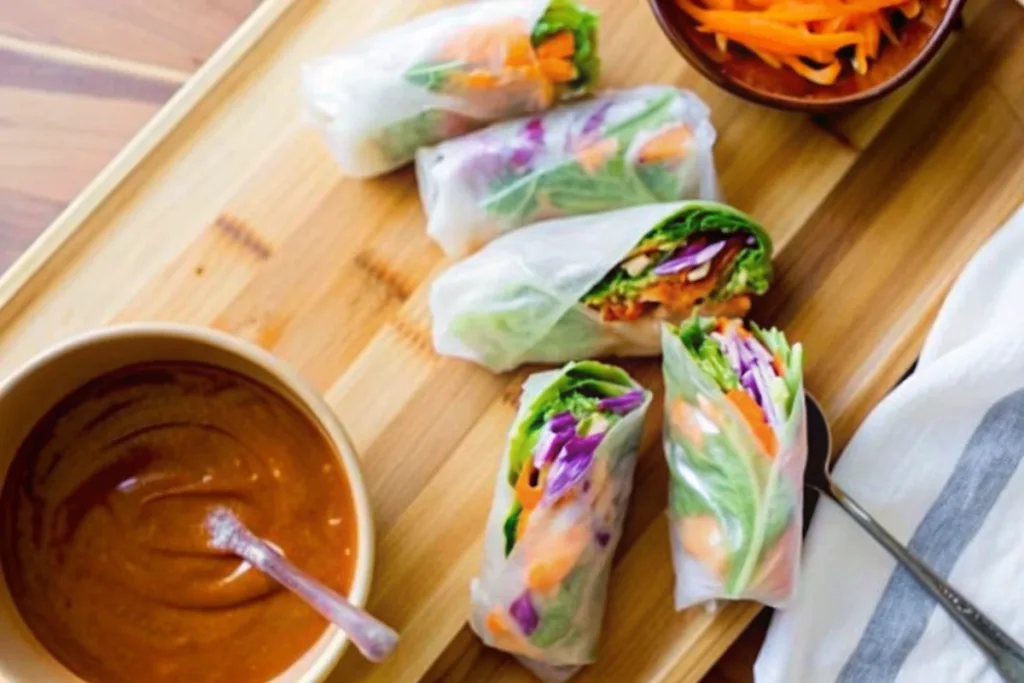
Spring rolls and summer rolls are often confused, but they differ primarily in preparation and texture. Traditional spring rolls (often called *chả giò* in Vietnamese) are typically filled with meat, vegetables, or noodles, then deep‑fried until golden and crispy. They are served hot, with a crunchy exterior that gives way to a savory interior. Summer rolls, also known as *gỏi cuốn* or fresh spring rolls, are not cooked; the rice‑paper wrapper is softened in water and filled with raw or lightly blanched ingredients like vermicelli noodles, herbs, lettuce, shrimp, or tofu. They are served fresh, delivering a light, refreshing bite. Because they are not fried, summer rolls are lower in fat and calories, making them a popular choice for health‑conscious eaters seeking a Vietnamese fresh spring rolls recipe that feels indulgent without the guilt.
How do you prevent fresh spring rolls from sticking together?
Sticking usually occurs when the rice‑paper sheets are too wet or when the rolls are placed directly on a dry surface. To prevent this, drain each wrapper well after soaking—let excess water drip off for a few seconds before laying it on the work surface. Use a damp kitchen towel or a piece of parchment paper as the base; the slight moisture keeps the wrapper from adhering to the surface while still allowing it to stay pliable. After rolling, place the finished rolls on a plate lined with another damp towel or lightly dusted with cornstarch or rice flour (just a whisper) to create a barrier.
Finally, keep the rolls separate—do not stack them tightly; a little air circulation prevents them from fusing together. If you notice any slight stickiness before serving, gently separate them with a fork or your fingertips.
What are the wrappers for fresh spring rolls called?
The edible sheets used to make fresh spring rolls are known as rice paper (sometimes labeled *banh trang* in Vietnamese markets). They are made from a simple mixture of rice flour, water, and salt, which is spread thinly onto a cloth, steamed, and then dried into translucent, brittle sheets. When dipped in warm water, the starches re‑hydrate, turning the paper flexible and slightly sticky—perfect for encasing fillings.
Look for round rice‑paper wrappers about 8‑9 inches in diameter; they are the most common size for home cooks. Some brands offer mini or square varieties for bite‑size appetizers, but the classic round wrapper yields the traditional roll shape that holds filling securely without tearing.
What is a good substitute for peanut sauce?
If you need a peanut‑free alternative due to allergies or personal preference, several sauces pair beautifully with fresh spring rolls. A hoisin‑lime sauce mixes hoisin sauce, fresh lime juice, a touch of soy sauce, and a pinch of chili flakes for sweet‑tangy depth. For a nut‑free version with a similar creaminess, blend silken tofu with tahini, rice vinegar, maple syrup, garlic, and a splash of sesame oil until smooth; the tofu provides body while tahini adds a subtle sesame note.
Another option is a ginger‑soy dipping sauce: combine grated ginger, minced garlic, soy sauce, rice vinegar, a bit of brown sugar, and a drizzle of sesame oil. Each of these substitutes keeps the rolls bright and flavorful while accommodating dietary restrictions.
Conclusion
There’s something truly satisfying about biting into a perfectly rolled fresh spring roll—the crisp lettuce, the sweet crunch of carrots and cucumber, the fragrant herbs, and that luxurious peanut dip pulling everything together. Whether you’re preparing a light lunch for yourself, a vibrant platter for a weekend brunch, or a healthy starter for a festive dinner, this recipe delivers Vietnamese fresh spring rolls that are both approachable and impressive.
Give it a try, snap a photo of your colorful rolls, and share your experience in the comments below—we love hearing how you make the recipe your own (maybe with a splash of lime in the sauce or a handful of grilled shrimp!). And if you enjoyed this guide, be sure to explore more of our globally inspired, easy‑to‑make dishes. Happy rolling!
You Might Also Like
- Amish Tomato Pie – The Best Comfort Dish to Try This Summer
- Smoked Meatloaf Recipe: Juicy & Flavorful
- Best Spicy Cajun Salmon Recipe – Quick & Flavorful Dinner Idea! 🐟🌶️✨
- Ultimate CrackerBarrel Meatloaf Recipe – Easy & Comforting Dish!
Find Us On Pinterest and Facebook.
Print
Fresh Spring Rolls with Peanut Sauce
- Total Time: 20
- Yield: 4 servings 1x
- Diet: Vegetarian
Description
These fresh spring rolls are packed with crisp vegetables, herbs, and tender rice noodles, all wrapped in delicate rice paper and served with a creamy, slightly sweet peanut dipping sauce. Perfect for a light lunch, summer picnic, or healthy appetizer, these rolls are gluten‑free, vegetarian, and endlessly customizable.
Ingredients
- 2 ounces rice vermicelli or maifun brown rice noodles
- 1 teaspoon toasted sesame oil
- ¼ teaspoon fine sea salt
- 1 cup torn butter lettuce, ribs removed
- 1 cup very thinly sliced red cabbage
- 2 medium carrots, peeled and cut into matchsticks or sliced into strips with a julienne peeler
- 2 Persian (mini) cucumbers or 1 small cucumber, thinly sliced or sliced into strips with a julienne peeler
- 2 medium jalapeños, ribs and seeds removed, thinly sliced
- ¼ cup thinly sliced green onions
- ¼ cup roughly chopped fresh cilantro
- ¼ cup roughly chopped fresh mint
- 8 sheets rice paper (spring roll wrappers)
- ⅓ cup creamy peanut butter
- 2 tablespoons rice vinegar
- 2 tablespoons reduced-sodium tamari or soy sauce
- 2 tablespoons honey or maple syrup
- 1 tablespoon toasted sesame oil
- 2 cloves garlic, pressed or minced
- 2 to 3 tablespoons water, as needed
Instructions
- Prepare the noodles according to package directions, then rinse under cold water and drain.
- In a large bowl, combine the cooked noodles, toasted sesame oil, and fine sea salt; toss to coat.
- Add the lettuce, red cabbage, carrots, cucumber, jalapeños, green onions, cilantro, and mint; mix gently.
- Lay a rice paper wrapper on a clean, damp surface; place a portion of the vegetable mixture in the center.
- Fold the sides over the filling and roll tightly into a log; repeat with remaining wrappers.
- While the rolls rest, whisk together peanut butter, rice vinegar, tamari, honey, toasted sesame oil, minced garlic, and water until smooth and dip‑ready.
- Serve the rolls with the peanut sauce for dipping.
Notes
Tip: Keep a bowl of warm water nearby to soften rice paper quickly. Substitute tofu cubes or cooked shrimp for added protein. These rolls can be stored, covered, in the refrigerator for up to 24 hours.
- Prep Time: 20
- Category: B
- Method: Cold
- Cuisine: Vietnamese
Nutrition
- Serving Size: 1 roll
- Calories: 210
- Sugar: 8
- Sodium: 380
- Fat: 12
- Saturated Fat: 2
- Unsaturated Fat: 9
- Trans Fat: 0
- Carbohydrates: 22
- Fiber: 3
- Protein: 7
- Cholesterol: 0
Keywords: spring rolls, peanut sauce, gluten-free, vegetarian, fresh, appetizer