
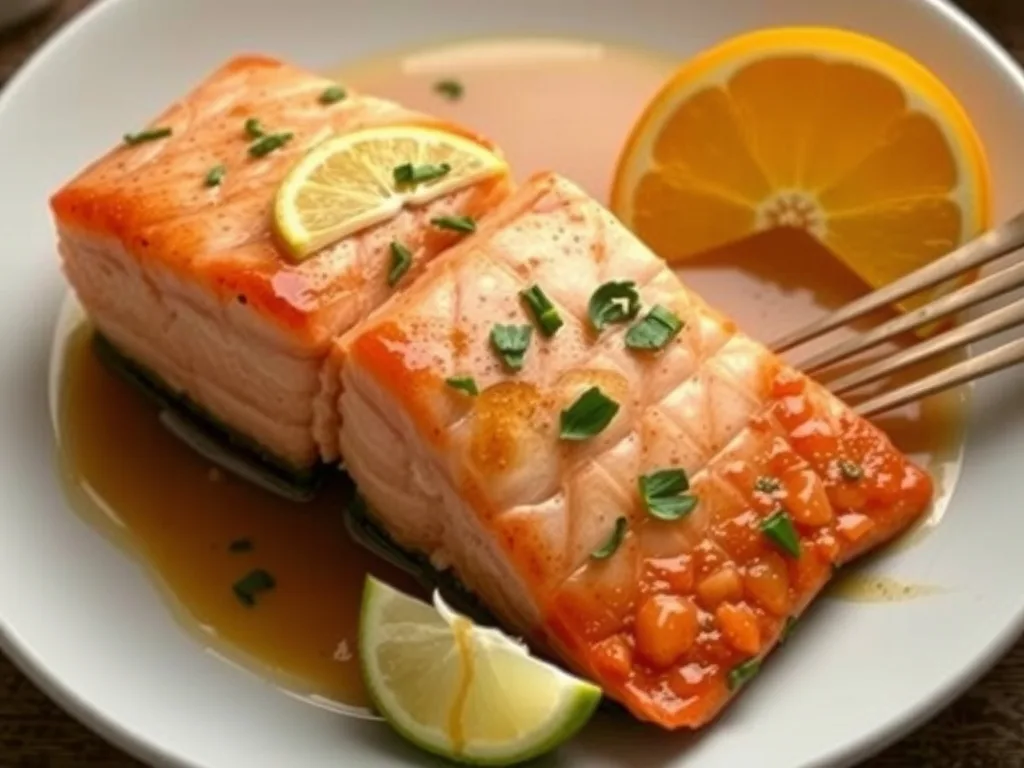
Ginger Soy Salmon Recipe: A Flavorful, Easy-to-Make Dish for Weeknight Dinners
There’s something magical about the combination of bright citrus, umami-rich soy sauce, and the warm spice of fresh ginger when it meets a buttery salmon fillet. This Ginger Soy Salmon Recipe brings together those flavors in a simple marinade that caramelizes beautifully in the oven, yielding a glossy, tender piece of fish that feels both restaurant‑worthy and utterly approachable. Whether you’re preparing a quick weeknight dinner for two or feeding a hungry family on a Sunday evening, this dish delivers big taste with minimal fuss.
Beyond its irresistible flavor, salmon is a nutritional powerhouse, packed with omega‑3 fatty acids, high‑quality protein, and vitamin D. The soy‑ginger marinade not only enhances taste but also helps lock in moisture, so the fish stays juicy even if you accidentally overcook it by a few minutes. For those watching their sodium, you can opt for low‑sodium soy sauce or tamari, and the hint of brown sugar balances the saltiness without making the dish overly sweet. The result is a harmonious bite that satisfies the palate while supporting heart health.
What makes this recipe truly versatile is its ability to pair with a wide range of sides. Serve it over steamed jasmine rice or quinoa, alongside roasted broccoli or snap peas, or toss it into a fresh Asian‑inspired salad with shredded cabbage, carrots, and a drizzle of sesame dressing. Leftovers (if any) flake beautifully into grain bowls or wraps, making the next day’s lunch just as exciting as the first. With just a handful of pantry staples and less than 30 minutes of active time, you’ll have a meal that feels both comforting and sophisticated.
Feel free to experiment with the marinade by adding a splash of rice vinegar for brightness or a teaspoon of sesame oil for depth. The recipe scales easily—double it for a crowd or halve it for a cozy dinner for one. No matter how you adjust it, the core balance of salty, sweet, sour, and spicy remains the star of the show.
Alternate Names & Variations
If you’ve searched for a soy ginger salmon marinade, a baked ginger soy salmon recipe, or even a honey soy ginger salmon variation, you’re in the right place. This dish is often referred to by those names because the core components—soy sauce, ginger, and a touch of sweetness—remain constant while the cooking method or sweetener can shift. For a deeper caramel note, swap half of the brown sugar for honey or maple syrup, giving you that coveted honey soy ginger salmon profile. If you prefer a glaze that thickens on the plate, increase the cornstarch to 2 Tbsp and simmer the reserved marinade until it coats the back of a spoon.
Those looking for the best salmon marinade soy sauce often experiment with tamari, coconut aminos, or even a splash of mirin for extra umami. Adding a teaspoon of toasted sesame oil introduces a nutty aroma that pairs beautifully with the citrus brightness of orange juice. For a spicier kick, stir in ½ tsp of sriracha or a pinch of red pepper flakes. No matter which variation you choose, the foundational balance of salty soy, sweet brown sugar, zesty citrus, and fresh ginger stays intact, ensuring a reliable, crowd‑pleasing result every time.
Ingredients
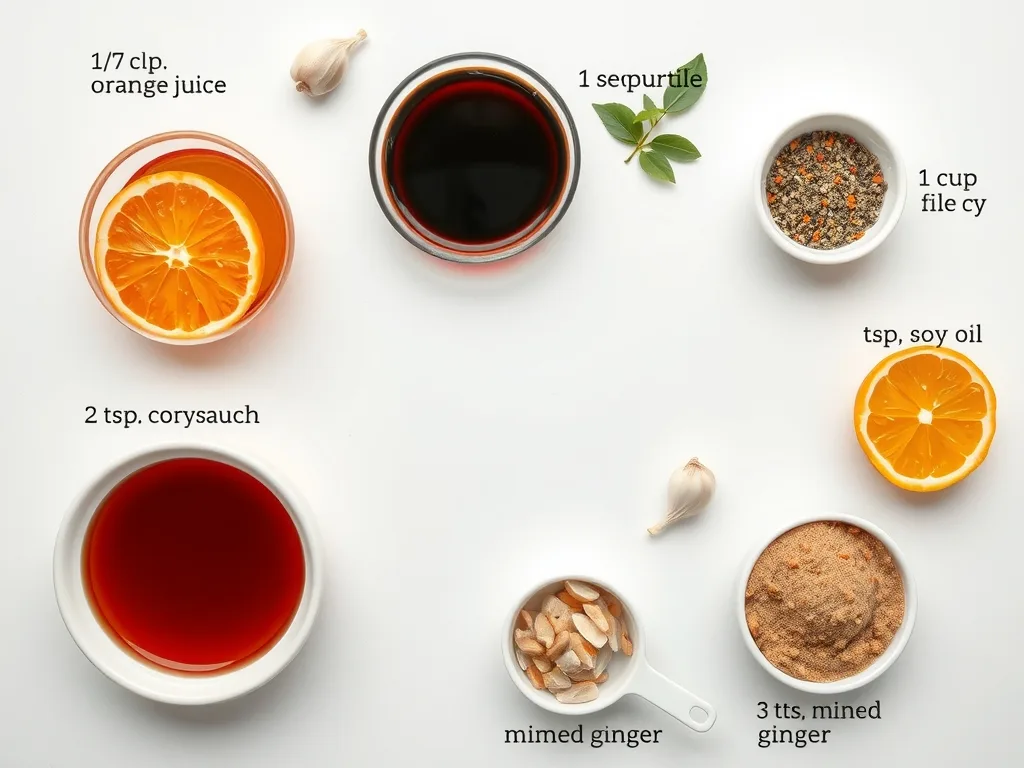
– 1 ½ lb salmon fillets (skin‑on or skinless, about 4‑6 oz per piece)
– ⅔ cup freshly squeezed orange juice
– 1 Tbsp cornstarch
– ½ cup soy sauce (low‑sodium preferred)
– 2 Tbsp extra‑virgin olive oil
– ½ cup packed brown sugar
– 1 Tbsp lemon pepper seasoning
– 3 cloves garlic, minced
– 1 tsp fresh minced ginger (or ½ tsp ground ginger) – Optional garnish: toasted sesame seeds, sliced green onions
Step-by-Step Instructions
1. Prep the salmon – Pat the fillets dry with paper towels; this helps the marinade adhere and promotes even browning. Place the salmon in a shallow dish or resealable bag.
2. Make the marinade – In a bowl, whisk together orange juice, soy sauce, olive oil, brown sugar, lemon pepper seasoning, minced garlic, and ginger until the sugar dissolves. Stir in the cornstarch; it will thicken the sauce as it bakes.
3. Marinate – Pour the mixture over the salmon, turning to coat all sides. Let it sit at room temperature for 10 minutes, or refrigerate for up to 30 minutes if you have time.
4. Preheat the oven – Set to 400 °F (200 °C) and line a baking sheet with parchment paper or a silicone mat for easy cleanup.
5. Arrange the salmon – Place the fillets skin‑side down (if using skin) on the prepared sheet, leaving a little space between each piece.
6. Bake – Cook for 12‑15 minutes, depending on thickness, until the flesh flakes easily with a fork and the internal temperature reaches 145 °F (63 °C). The edges should be caramelized and slightly glossy.
7. Make a quick sauce (optional) – While the salmon rests, pour any remaining marinade into a small saucepan. Bring to a gentle boil, then simmer 2‑3 minutes until slightly thickened. Drizzle over the cooked fish.
8. Serve and garnish – Transfer salmon to plates, spoon extra sauce over the top, and sprinkle with sesame seeds and sliced green onions if desired. Pair with your favorite sides and enjoy!
Chef Tips:
– Dry surface = better sear: Moisture inhibits browning; patting dry ensures a nice caramelized crust.
– Reserve marinade: If you love a saucy finish, set aside a quarter of the mixture before adding the salmon; boil it separately for a safe, flavorful drizzle.
– Substitutions: Swap orange juice for pineapple juice for a tropical twist, or use rice vinegar instead of citrus for a sharper note. – Don’t over‑marinate: Beyond 30 minutes the acid in the juice can start to break down the fish texture, making it mushy.
Recipe Card Reference
Prep time is approximately 10 minutes, active cooking time is 12‑15 minutes, and the recipe yields 4 generous servings. Each serving contains roughly 380 calories, with 22 g of protein, 18 g of fat (mostly heart‑healthy unsaturated), and 30 g of carbohydrates from the natural sugars in the marinade.
Why This Recipe Works & Expert Tips
The success of this ginger soy salmon recipe hinges on the synergy between acid, salt, sweet, and umami. The orange juice supplies citric acid that brightens the rich fish and helps tenderize the surface, while soy sauce delivers deep umami and a savory backbone. Brown sugar contributes not only sweetness but also promotes Maillard browning, creating that irresistible glossy crust. Fresh ginger adds a warm, peppery note that cuts through the fat, preventing the dish from feeling heavy.
From a culinary perspective, the cornstarch acts as a dual‑purpose agent: it thickens the marinade into a light glaze during baking and prevents the sauce from becoming watery, ensuring each bite is coated in flavor. Baking at a high temperature (400 °F) encourages rapid caramelization without overcooking the interior, preserving the salmon’s moist, flaky texture.
Expert tips for long‑tail success:
– For a low‑sodium version: Use reduced‑sodium soy sauce and increase the orange juice by 2 Tbsp to maintain liquid volume.
– Adding depth: A splash of toasted sesame oil (½ tsp) in the marinade introduces a nutty aroma that complements the ginger.
– Gluten‑free: Replace soy sauce with tamari or coconut aminos; ensure the cornstarch is certified gluten‑free if needed.
– Meal prep friendly: Marinate the salmon up to 4 hours ahead, store covered in the fridge, and bake just before serving for maximum freshness.
Storage, Freezing, and Reheating Allow any leftover salmon to cool to room temperature within 2 hours, then transfer to an airtight container. Stored in the refrigerator, it will stay fresh for up to 3 days. To freeze, wrap each piece tightly in plastic wrap followed by a layer of foil; place in a freezer‑safe bag and freeze for up to 2 months. Thaw overnight in the refrigerator before reheating.
For reheating, preheat the oven to 275 °F (130 °C) and place the salmon on a baking sheet covered loosely with foil—this gentle heat prevents drying. Warm for 10‑12 minutes, or until heated through. If you’re in a hurry, microwave on medium power for 45‑60 seconds, checking frequently to avoid rubbery texture. Adding a drizzle of the reserved sauce or a squeeze of fresh lemon before serving revives the moisture and brightness.
People Also Ask
How long should you marinate salmon in soy sauce?
Marinating salmon in a soy‑based mixture should ideally last between 10 and 30 minutes. The acidic components (orange juice or vinegar) begin to denature the proteins quickly; beyond 30 minutes the fish can start to feel mushy, especially if the marinade contains a high acid ratio. For a flavor boost without compromising texture, aim for the shorter end of the range if you’re pressed for time, or refrigerate for up to 30 minutes if you want a deeper infusion. Always pat the salmon dry before cooking to ensure a proper sear.
What kind of soy sauce is best for marinade?
For a balanced marinade, low‑sodium soy sauce is the top choice because it lets you control the salt level while still delivering the essential umami. If you’re avoiding gluten, tamari offers the same rich flavor without wheat. Coconut aminos provide a milder, slightly sweet alternative with far less sodium, making them suitable for those on restricted‑salt diets. For an authentic Asian touch, a dash of dark soy sauce (about ½ tsp) can be added to the low‑sodium base for color and a subtle molasses note, but use it sparingly to avoid overpowering the delicate ginger and orange flavors.
Can you marinate salmon for too long?
Yes, marinating salmon for too long can negatively affect its texture. The acids in citrus juice or vinegar start to break down the fish’s proteins, resulting in a soft, almost mushy consistency if left beyond 45‑60 minutes. Enzymatic action from ingredients like ginger or garlic also continues, though at a slower pace. To preserve the desirable flaky yet firm texture, limit the marinating period to 30 minutes maximum, and always keep the salmon refrigerated during that time. If you plan to prepare the dish ahead, store the salmon and marinade separately and combine them just before cooking.
What goes well with ginger soy salmon?
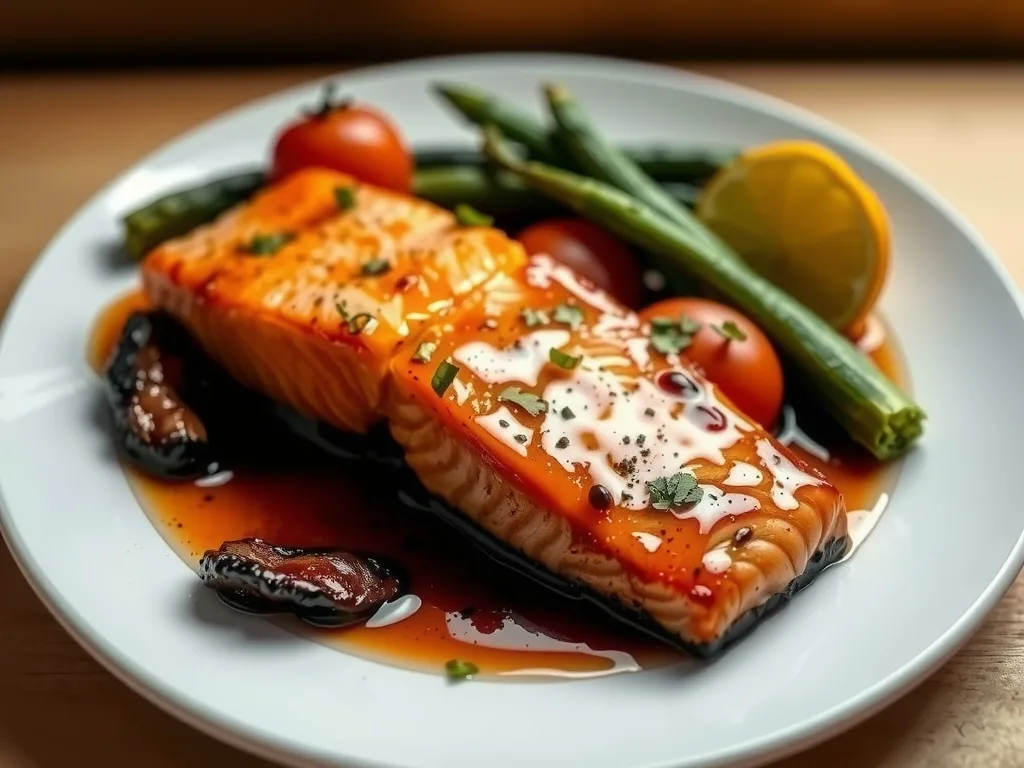
This versatile dish pairs beautifully with both grain and vegetable sides. Serve it over steamed jasmine rice, brown rice, or quinoa to soak up the savory‑sweet glaze. For a low‑carb option, try cauliflower rice or a mixed greens salad tossed with a light sesame‑ginger dressing. Roasted vegetables such as broccoli, bok choy, snap peas, or carrots complement the Asian flavor profile, while a quick stir‑fried snow pea and bell pepper medley adds crunch and color. Finish with a sprinkle of toasted sesame seeds, sliced green onions, or a wedge of lime for freshness.
Conclusion
We hope this Ginger Soy Salmon Recipe becomes a go‑to favorite in your kitchen, delivering restaurant‑quality flavor with minimal effort. The balance of salty soy, sweet brown sugar, zesty orange, and bright ginger creates a dish that’s both comforting and exciting enough for any occasion. If you enjoyed making it, please share your photos and feedback on social media—tag us so we can see your delicious creations! Your support helps us bring more tasty, approachable recipes to home cooks like you.
You Might Also Like
– [Easy Teriyaki Glazed Salmon Recipe](https://www.example.com/teriyaki-salmon)
– [Honey Garlic Baked Salmon](https://www.example.com/honey-garlic-salmon) – [Miso‑Glazed Black Cod](https://www.example.com/miso-black-cod)
– [Asian Sesame Noodle Bowl](https://www.example.com/asian-sesame-noodles)
– [Garlic Lemon Shrimp Stir‑Fry](https://www.example.com/garlic-lemon-shrimp)
– [Quinoa Pilaf with Toasted Almonds](https://www.example.com/quinoa-pilaf-almonds)