
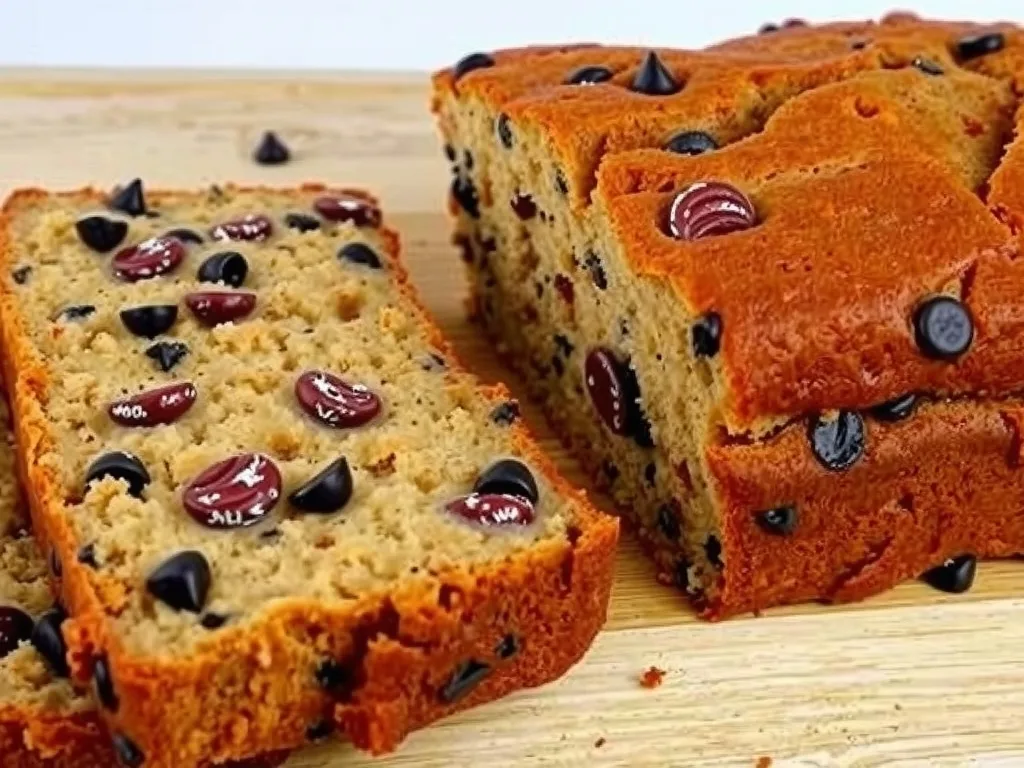
Gluten-FreeBanana Bread: The Ultimate Moist & Delicious Recipe
Introduction: Gluten-Free Banana Bread
If you’ve ever wondered how a single slice can feel like a warm hug from grandma’s kitchen while still fitting perfectly into a modern, health‑conscious lifestyle, you’re about to discover the secret. Gluten‑free banana bread isn’t just a substitute; it’s a triumph of flavor, texture, and nutrition that can satisfy cravings without compromising dietary needs. In this article we’ll explore why this humble loaf has earned a place on breakfast tables, brunches, and snack-time rotations for families across the country.
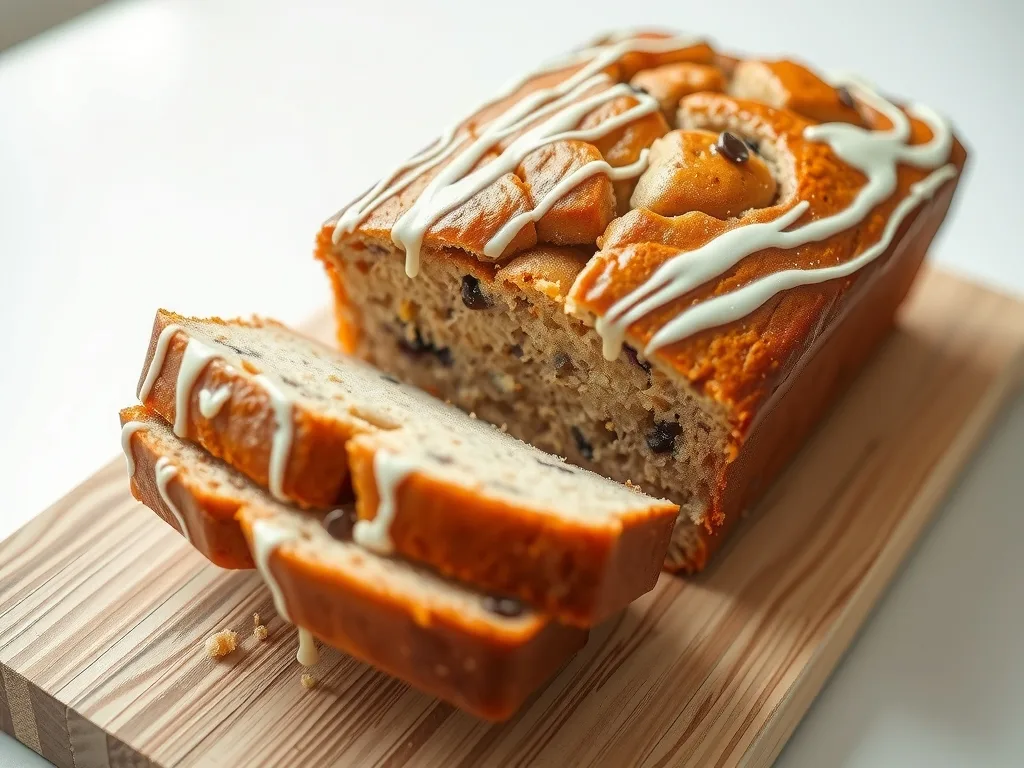
Imagine a loaf that boasts a tender crumb, a golden crust, and an aromatic blend of ripe bananas, toasted nuts, and a whisper of vanilla. Now picture that same loaf being completely free of wheat, barley, and rye—yet still delivering the comforting, home‑cooked taste you love. For many, the idea of a gluten‑free version sounds intimidating, but the reality is far sweeter: a recipe that’s simple, uses pantry staples, and yields consistently moist results every time.
Our gluten‑free banana bread recipe has been refined over countless bake‑offs, tested with different flours, fats, and sweeteners, and perfected for home bakers who value clarity and confidence. Whether you’re navigating a celiac diagnosis, choosing a gluten‑free lifestyle for better digestion, or simply looking for a healthier treat, this loaf offers a solution that doesn’t sacrifice taste.
Join us as we walk through the story behind this beloved loaf, the variations that keep it fresh, and the step‑by‑step instructions that will empower you to bake with confidence. By the end of this guide you’ll not only have a foolproof recipe in your arsenal, but you’ll also understand how to store, freeze, and even reheat the bread so it stays as delightful on day five as it was on day one.
Alternate Names & Variations
Gluten‑free banana bread goes by many appealing aliases: moist gluten‑free banana loaf, almond flour banana bread, or easy GF banana bread with oil. Each name highlights a slightly different angle—whether it’s the use of almond flour for extra richness, the emphasis on moisture, or the simplicity of preparation.
You might also hear it called a healthy banana loaf, a high‑protein gluten‑free snack, or even a gluten‑free banana bread muffin when baked in a muffin tin. These variations allow bakers to experiment with texture and portion size while keeping the core flavors intact.
Related keywords that naturally weave into our discussion include best almond flour banana bread recipe, moist gluten free banana bread, and easy GF banana bread with oil. Each of these phrases captures a specific audience—those seeking a nutty depth from almond flour, a loaf that stays damp thanks to clever ingredient swaps, or a shortcut that uses oil instead of butter. By recognizing these variations, you’ll be equipped to choose the version that aligns best with your taste preferences and dietary goals.
Ingredients: Gluten-Free Banana Bread
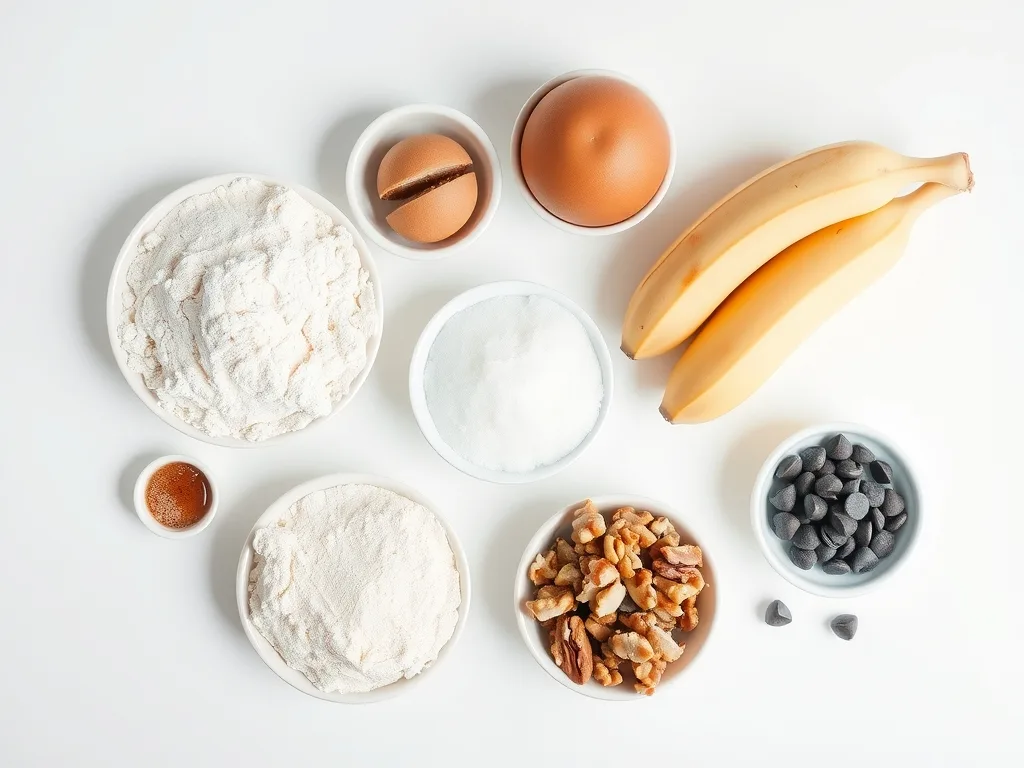
Below is a scannable, SEO‑friendly list of everything you’ll need to create a perfect loaf. Each item is described with keywords that help search engines understand the purpose of the ingredient, while keeping the wording natural and inviting.
Dry Mix 1 cup gluten‑free measure‑for‑measure flour – The backbone of any gluten‑free bake, this blend provides structure without sacrificing texture.
½ cup almond flour – Adds nutty depth, a silky crumb, and a boost of protein.
1 ¼ teaspoon baking powder – Gives the loaf a light rise and tender crumb.
½ teaspoon baking soda – Works with the banana’s natural acidity for optimal leavening. ¾ teaspoon kosher salt – Enhances all the flavors and balances the sweetness.
Wet Mix & Sweeteners
⅓ cup shortening – Provides a buttery mouthfeel and helps keep the loaf moist.
⅔ cup granulated sugar – Supplies sweetness; you can swap half for coconut sugar for a healthier twist.
2 large eggs – Bind the batter and contribute to a golden crust.
1 teaspoon vanilla extract – Elevates the aromatic profile.
1 tablespoon almond milk or regular milk – Adds a touch of moisture and richness.
Add‑Ins & Extras
1 cup mashed ripe banana – About 2–3 bananas, this is the heart of the flavor and moisture.
½ cup chopped walnuts, pecans, blueberries, or chocolate chips – Optional add‑ins for extra texture and surprise.
These ingredients together create a balanced loaf that’s moist gluten free banana bread while staying easy to prepare. Feel free to adjust the sweetener level or swap nuts for a dairy‑free alternative; the versatility is part of the recipe’s charm.
Step-by-Step Instructions: Gluten-Free Banana Bread
Follow these numbered steps to transform the ingredients into a fragrant, golden loaf that will have your kitchen smelling like a bakery.
1. Preheat your oven to 350°F (175°C). Lightly grease a 9×5‑inch loaf pan or line it with parchment paper for easy removal.
2. In a large bowl, whisk together the gluten‑free measure‑for‑measure flour, almond flour, baking powder, baking soda, and kosher salt until evenly combined. This step ensures the dry ingredients are fully integrated, preventing lumps later on.
3. In a separate mixing bowl, beat the shortening and granulated sugar together until smooth and creamy. This creaming process incorporates air, giving the final loaf a light texture.
4. Add the eggs one at a time, beating well after each addition. Incorporate the vanilla extract and continue to mix until the mixture is glossy.
5. Stir in the almond milk (or regular milk) to the wet mixture, then fold in the mashed bananas. The banana puree should be smooth; if you leave large chunks, they may sink during baking.
6. Gradually add the dry ingredient mixture to the wet components, stirring gently until just combined. Over‑mixing can develop gluten‑free starches and lead to a dense loaf.
7. If you’re using optional add‑ins—such as chopped walnuts, pecans, blueberries, or chocolate chips—fold them in now, distributing evenly throughout the batter.
8. Pour the batter into the prepared loaf pan, smoothing the top with a spatula. Tap the pan lightly on the counter to release any trapped air bubbles.
9. Place the pan in the preheated oven and bake for 55–65 minutes, or until a toothpick inserted into the center comes out clean or with a few moist crumbs. Rotate the pan halfway through for even browning.
10. Remove the loaf from the oven and allow it to cool in the pan for 10 minutes. Then transfer it to a wire rack to cool completely before slicing. This cooling period lets the crumb set and prevents it from becoming gummy.
Chef Tips & Substitutions
– For a dairy‑free version, replace the shortening with coconut oil and keep the almond milk as is.
– If you prefer a lower‑sugar loaf, reduce the granulated sugar to ½ cup and add a tablespoon of honey or maple syrup for natural sweetness.
– Using oil instead of shortening can yield a slightly more moist crumb, making it perfect for those who love a tender, melt‑in‑your‑mouth texture.
Recipe Card Reference: Gluten-Free Banana Bread Here’s a quick snapshot of the key metrics you’ll need for planning and sharing the recipe:
Prep Time: 15 minutes – This includes gathering ingredients, measuring, and mashing the bananas.
Cook Time: 55–65 minutes – Depending on your oven’s accuracy and the size of your loaf pan.
Servings: 8–10 slices – Perfect for family breakfasts or sharing at gatherings.
Calories per serving: Approximately 210 calories – A modest indulgence that fits into most balanced diets.
These figures give you a clear picture of the time investment and nutritional impact, helping you decide when to bake and how to portion the loaf for optimal enjoyment.
Why This Recipe Works & Expert Tips: Gluten-Free Banana Bread
The magic behind this best almond flour banana bread recipe lies in the balanced combination of starches and proteins. Using a blend of gluten‑free measure‑for‑measure flour and almond flour creates a structure that mimics wheat gluten while adding a subtle nutty flavor. The inclusion of both baking powder and baking soda ensures a steady rise, while the shortening provides a tender crumb that stays moist even after a day in the fridge.
Understanding the role of each component empowers you to troubleshoot common pitfalls. For instance, dry banana bread often results from over‑baking or using too much flour. By measuring the flour with a spoon-and‑level method, you avoid packing it down, which can add up to 30% extra flour and dry out the loaf.
Another expert tip involves the bananas. The riper the fruit, the higher the natural sugar content, which not only adds sweetness but also enhances moisture. If your bananas are not fully speckled, you can roast them briefly at 300°F for 15 minutes to intensify their flavor and soften them for easier mashing. Finally, adding a small amount of lemons juice (about a teaspoon) can brighten the flavor profile, counterbalancing the richness of the almond flour and shortening. This subtle acidity also helps preserve the loaf’s moisture during storage.
Storage, Freezing, and Reheating
Even the most diligent bakers end up with leftovers—here’s how to keep your gluten‑free banana bread fresh and tasty.
– Room‑temperature storage: Place the cooled loaf in an airtight container or wrap it tightly in plastic wrap. It will stay moist for up to 3 days at room temperature, especially if you include a slice of bread or a damp paper towel to maintain humidity.
– Refrigerated storage: For extended freshness, store the loaf in the refrigerator inside a sealed container. It will keep well for up to a week, though the texture may become slightly denser.
– Freezing: Slice the loaf into individual portions, then wrap each slice in parchment paper followed by a layer of aluminum foil or a freezer‑safe bag. Freeze for up to 3 months. When you’re ready to enjoy, thaw a slice at room temperature or warm it briefly in the microwave (about 15–20 seconds).
– Reheating: To restore a crisp crust, preheat your oven to 350°F (175°C) and warm the loaf for 5–7 minutes. For a quicker fix, a quick zap in the microwave (10–15 seconds) will soften the interior without drying it out.
These storage strategies ensure that your moist gluten free banana bread remains a delightful snack or breakfast option, day after day.
People Also Ask: Gluten-Free Banana Bread
What is the best gluten-free flour for banana bread? The optimal flour blend balances structure and flavor. A measure‑for‑measure gluten‑free flour combined with almond flour offers the best of both worlds: the former provides a neutral base that mimics wheat gluten, while the latter adds richness, moisture, and a hint of nuttiness. Many bakers also incorporate a small amount of tapioca starch or arrowroot powder to improve elasticity and prevent crumbliness. Using a single‑ingredient flour like rice flour can work, but it often yields a denser loaf. For the most consistent results, stick with a pre‑blended gluten‑free mix that already contains xanthan gum or a similar binding agent, and supplement with almond flour for added depth.
How do you keep gluten-free banana bread from being dry?
Moisture is the hallmark of a great gluten‑free banana bread. To avoid dryness, focus on three key factors: ripe bananas, proper fat content, and careful mixing. Ripe bananas not only add natural sweetness but also release extra liquid during mashing, which translates into a softer crumb. Using a combination of shortening and oil (or a dairy‑free alternative) creates a tender texture that resists drying. Finally, avoid over‑mixing the batter; once the dry ingredients are just incorporated, stop. Over‑mixing can develop starches that absorb moisture, leading to a cake‑like, dry result.
Do you need to add xanthan gum to gluten-free banana bread?
Xanthan gum is often used in gluten‑free baking to mimic the binding properties of gluten, but it’s not strictly necessary for this banana bread recipe. The blend of gluten‑free measure‑for‑measure flour already contains a modest amount of xanthan gum, providing enough elasticity for the loaf to hold together. If you are using a flour blend that does not contain a binder, you can add ¼ teaspoon of xanthan gum to the dry ingredients. However, most modern measure‑for‑measure mixes are formulated to be “ready‑to‑use,” meaning they already include the appropriate amount of gum, so additional supplementation is typically unnecessary.
How do you make moist gluten-free banana bread?
Moisture comes from a harmonious balance of wet and dry ingredients. Begin with very ripe bananas, which are naturally high in sugars and moisture. Incorporate shortening or oil to create a rich, tender crumb. Adding a splash of buttermilk or almond milk increases liquid content without thinning the batter. Finally, bake the loaf just until a toothpick emerges clean; prolonged baking can evaporate the internal moisture, resulting in a dry texture. Allowing the bread to cool on a rack before slicing helps retain moisture, as the interior continues to set gently as it cools.
Conclusion: Gluten-Free Banana Bread
There you have it— a comprehensive, step‑by‑step guide to mastering the art of gluten‑free banana bread. From understanding the best ingredients and variations to perfecting the bake and storing leftovers, you’re now equipped to create a loaf that delights the senses and supports a gluten‑free lifestyle. Whether you’re sharing it with family, gifting a neighbor, or simply treating yourself to a cozy slice with coffee, this recipe promises consistency, flavor, and satisfaction every time.
Don’t forget to experiment with the optional add‑ins—walnuts for crunch, blueberries for a burst of freshness, or chocolate chips for indulgent treat. And when you’re ready to showcase your culinary triumph, snap a photo, tag us, and let the world see how a simple, wholesome loaf can bring joy to the table. Happy baking!
You Might Also Like
Find Us On Pinterest and Facebook.
Print
Gluten-Free Banana Bread
- Total Time: 1 hour
- Yield: 8 servings 1x
- Diet: Gluten-Free
Description
A moist, naturally sweet gluten-free banana bread perfect for breakfast or snack, made with almond flour and optional walnuts or chocolate chips.
Ingredients
- 1 cup gluten-free measure-for-measure flour
- 1/2 cup almond flour
- 1 1/4 teaspoon baking powder
- 1/2 teaspoon baking soda
- 3/4 teaspoon kosher salt
- 1/3 cup shortening
- 2/3 cup granulated sugar
- 2 large eggs
- 1 teaspoon vanilla extract
- 2 tablespoons almond milk or regular milk
- 1 cup mashed ripe banana (about 2–3 bananas)
- 1/2 cup chopped walnuts (optional)
Instructions
- Preheat oven to 350°F (175°C) and grease a 9×5 inch loaf pan.
- In a large bowl, whisk together gluten-free flour, almond flour, baking powder, baking soda, and salt.
- In another bowl, beat shortening and sugar until light and fluffy.
- Add eggs one at a time, mixing well after each addition, then stir in vanilla extract.
- Combine wet ingredients with the dry mixture, mixing just until incorporated.
- Fold in mashed banana and milk, then gently fold in optional walnuts.
- Pour batter into the prepared loaf pan and smooth the top.
- Bake for 45 minutes, or until a toothpick inserted in the center comes out clean.
- Allow bread to cool in the pan for 10 minutes, then transfer to a wire rack to cool completely before slicing.
Notes
For extra moisture, you can add 1/4 cup unsweetened applesauce or increase banana to 3 ripe bananas.
- Prep Time: 15 minutes
- Cook Time: 45 minutes
- Category: Dessert
- Method: Baking
- Cuisine: American
Nutrition
- Serving Size: 1 slice (1/8 loaf)
- Calories: 260 kcal
- Sugar: 16g
- Sodium: 190mg
- Fat: 11g
- Saturated Fat: 4g
- Unsaturated Fat: 6g
- Trans Fat: 0g
- Carbohydrates: 34g
- Fiber: 2g
- Protein: 3g
- Cholesterol: 45mg
Keywords: gluten-free, banana bread, dairy-free, optional nuts