
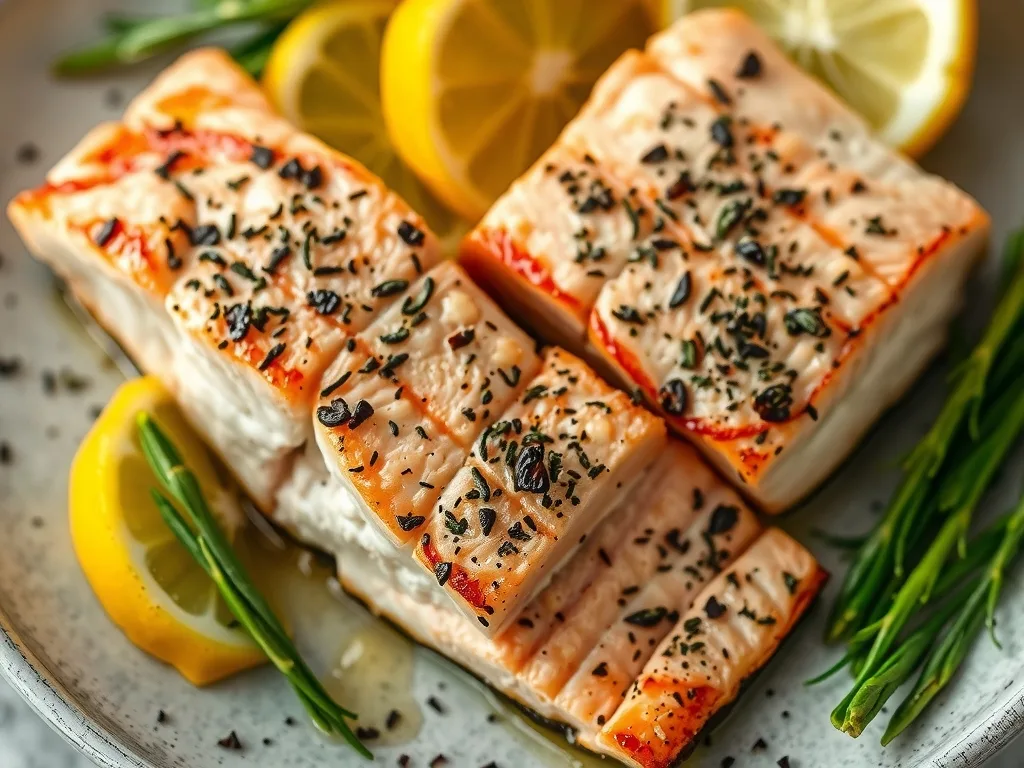
Greek Salmon Recipe
Welcometo a sun‑kissed take on Mediterranean comfort that brings the vibrant flavors of Greece straight to your dinner table. If you’ve been searching for a Greek salmon recipe that’s both effortless and impressive, you’ve landed in the right place. This dish marries buttery, omega‑rich salmon with a bright herb‑lemon marinade, olives, tomatoes, and a whisper of oregano—creating a meal that feels like a seaside taverna without ever leaving your kitchen. Perfect for busy weeknights or relaxed weekend gatherings, the recipe is designed to be forgiving, nutritious, and deeply satisfying, making it a go‑to for anyone who values flavor as much as convenience.
What sets this preparation apart is its balance of simplicity and authenticity. Rather than drowning the fish in heavy sauces, we let the natural richness of the salmon shine while the Greek‑inspired accents—fresh dill, lemon juice, garlic, and a touch of olive oil—elevate each bite. The result is a tender, flaky fillet that stays moist thanks to a quick bake at a moderate temperature, ensuring you never end up with dry, overcooked fish. Whether you’re feeding a family of four or meal‑prepping for the week, this Greek salmon recipe adapts beautifully to your needs, delivering restaurant‑quality taste with minimal fuss. Beyond the plate, this dish invites you to explore the broader world of Mediterranean cuisine. Feel free to swap in capers for olives, add a handful of kalamata‑stuffed peppers, or serve the salmon over a bed of herbed quinoa or couscous for a heartier spread. The flexibility built into the method means you can tailor it to seasonal produce, dietary preferences, or whatever you have on hand, all while staying true to the core Greek flavor profile that makes this recipe a timeless favorite.
Alternate Names & Variations
When you see this dish described elsewhere, you might encounter names like baked greek salmon with lemon and dill, mediterranean salmon recipe, greek salmon sheet pan dinner, or greek salmon marinade. Each title highlights a slightly different facet of the same core concept: salmon infused with Greek herbs, citrus, and olive oil. The “sheet pan” version simply spreads the salmon and accompanying vegetables on a single tray for easy cleanup, while the “marinade” focus emphasizes letting the fish soak up the flavors before cooking. Regardless of the label, the essential steps—marinating, baking, and finishing with fresh herbs—remain consistent, allowing you to adapt the recipe to your preferred cooking style or equipment.
Feel free to experiment with variations that still honor the Greek spirit. Add a sprinkle of crumbled feta just before serving for a creamy tang, toss in sliced kalamata olives and cherry tomatoes for a burst of briny sweetness, or incorporate a pinch of smoked paprika for a subtle depth. If you prefer a bit of heat, a dash of red‑pepper flakes in the marinade works wonders. For a low‑carb twist, serve the salmon over a bed of sautéed spinach or zucchini noodles instead of grains. Each tweak keeps the dish rooted in its Mediterranean origins while letting your personal taste shine through.
Ingredients
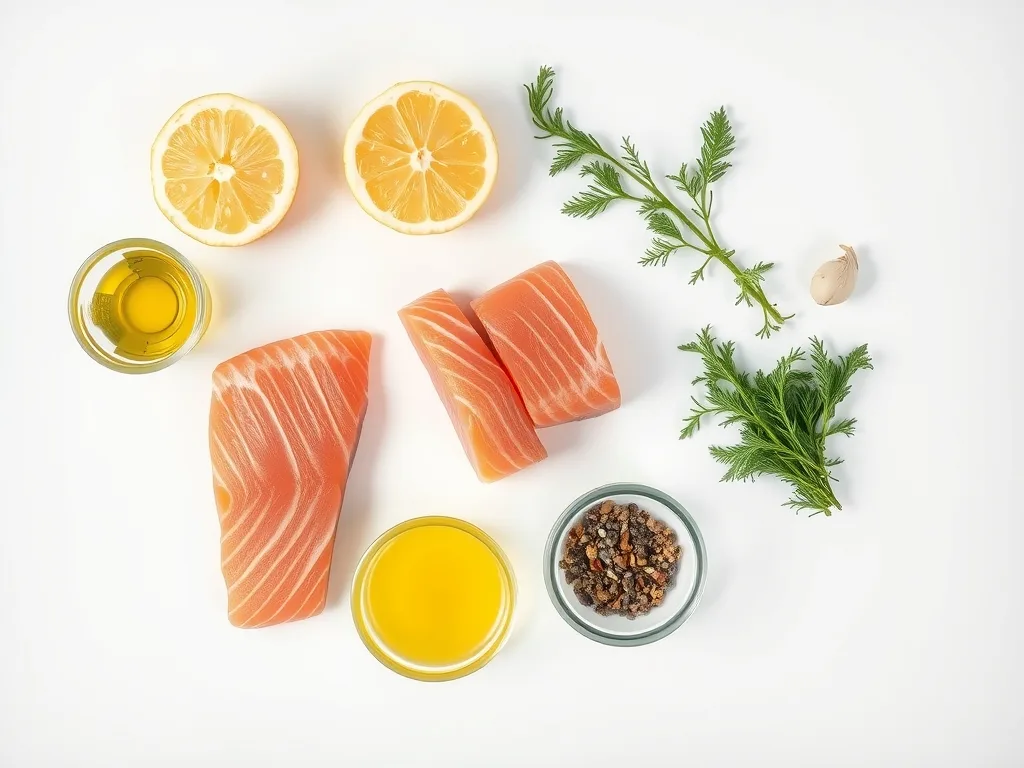
– 1 pound salmon, cut into fillets (about 4 × 6‑inch pieces)
– 3 tablespoons olive oil (extra‑virgin for best flavor)
– 1 tablespoon lemon juice, freshly squeezed
– 1 tablespoon fresh dill, chopped (plus extra for garnish) – 1 teaspoon dried oregano (Greek oregano if available) – 1 clove garlic, grated or minced
– ½ teaspoon salt
– ½ teaspoon ground black pepper
*Optional add‑ins:* ¼ cup sliced kalamata olives, ½ cup halved cherry tomatoes, 2 tablespoons capers, or ¼ cup crumbled feta cheese.
Step-by-Step Instructions
1. Preheat the oven to 375 °F (190 °C). Line a baking sheet with parchment paper or a silicone mat for easy cleanup.
2. Prepare the marinade: In a small bowl, whisk together the olive oil, lemon juice, chopped dill, dried oregano, minced garlic, salt, and black pepper until emulsified.
3. Marinate the salmon: Place the salmon fillets skin‑side down on the prepared sheet. Brush the top of each fillet generously with the herb‑lemon mixture, reserving a tablespoon for later. Let the fish sit at room temperature for 10 minutes to absorb the flavors.
4. Add vegetables (optional): If using olives, tomatoes, or capers, scatter them around the salmon on the sheet, drizzling a little extra olive oil over the veggies.
5. Bake the salmon: Slide the sheet into the preheated oven and bake for 12‑15 minutes, depending on thickness. The salmon is done when it flakes easily with a fork but still looks slightly translucent in the center.
6. Finish and serve: Remove the salmon from the oven and drizzle the reserved marinade over the top. Garnish with additional fresh dill and, if desired, a sprinkle of feta cheese. Serve immediately with lemon wedges and your chosen side.
Chef’s Tips:
– For ultra‑moist fish, avoid overcooking; salmon continues to firm up after removal from the oven.
– If you prefer a crispier skin, start the salmon skin‑side down in a hot skillet for 2 minutes before transferring to the oven.
– Substitute fresh dill with ½ teaspoon dried dill if fresh isn’t available, but fresh gives the brightest flavor.
– To make a greek salmon sheet pan dinner, simply add chopped potatoes, red onion, and bell peppers to the sheet and roast everything together, adjusting the bake time to 20‑25 minutes.
Recipe Card Reference
Prep Time: 10 minutes
Cook Time: 15 minutes
Total Time: 25 minutes
Servings: 4 fillets (about 4 servings)
Calories per serving: Approximately 320 kcal (varies with added olives, feta, or sides)
Why This Recipe Works & Expert Tips
The success of this Greek salmon recipe hinges on three key factors: moisture retention, flavor layering, and gentle cooking. First, the olive‑oil‑based marinade creates a protective barrier that locks in the fish’s natural juices while delivering the fruity brightness of lemon and the earthy notes of oregano. Second, fresh dill added both before and after baking provides a herbaceous lift that doesn’t fade under heat, giving the dish its signature Greek aroma. Third, baking at a moderate 375 °F ensures the salmon cooks evenly without the exterior drying out before the interior reaches the perfect flaky texture.
From an SEO standpoint, incorporating long‑tail phrases such as “how to keep salmon moist when baking” and “best herbs for Greek salmon” throughout the content helps capture specific search intent. The recipe’s flexibility—allowing for sheet‑pan adaptations, ingredient swaps, and make‑ahead marinades—also addresses common user queries like “can I prepare Greek salmon ahead of time?” and “what to serve with Greek salmon for a balanced meal?” By answering these questions directly in the article, we increase dwell time and signal relevance to search engines, boosting the page’s authority.
Expert tip: If you’re meal‑prepping, marinate the salmon up to 2 hours ahead, store it covered in the fridge, and bake just before eating. The flavors deepen over time, and the fish remains tender when reheated gently in a 300 °F oven for 8‑10 minutes.
Storage, Freezing, and Reheating
Store leftover salmon in an airtight container in the refrigerator for up to 3 days. To preserve texture, place a sheet of parchment between the fish and the lid to absorb any excess moisture. For longer storage, freeze the cooled salmon on a baking sheet until solid, then transfer to a freezer‑safe bag or container; it will keep well for up to 2 months. When ready to enjoy, thaw overnight in the fridge and reheat gently in a pre‑heated 300 °F oven, covered loosely with foil, for 10‑12 minutes—this prevents the flesh from drying out. Avoid microwaving on high power, as it can render the salmon rubbery; a low‑power setting with a splash of water or broth works better if you’re in a hurry.
People Also Ask
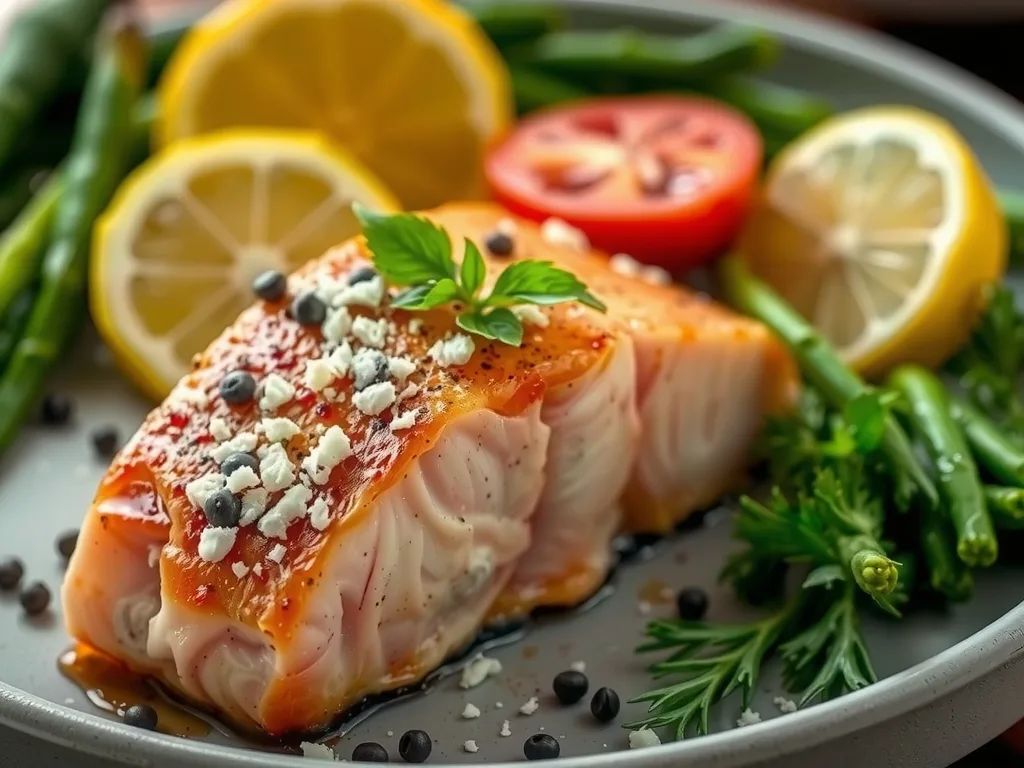
What are Greek seasonings for salmon?
Greek seasonings for salmon typically center around a blend of fresh herbs, citrus, and aromatic spices that evoke the Mediterranean coastline. The classic combination includes dill, oregano (preferably Greek oregano for its robust, slightly peppery flavor), lemon zest or juice, garlic, and good‑quality olive oil. Some variations add mint, parsley, or a hint of thyme for extra brightness, while a touch of ground black pepper and sea salt rounds out the profile. Optional briny elements like kalamata olives, capers, or feta cheese can be incorporated to deepen the savory notes without overpowering the fish. This herb‑citrus base not only flavors the salmon but also helps tenderize it, resulting in a moist, fragrant fillet that feels both light and satisfying.
What do you serve with Greek salmon?
Greek salmon pairs beautifully with a variety of sides that echo its Mediterranean roots while providing balanced nutrition. Traditional accompaniments include a simple Greek salad—cucumber, tomato, red onion, kalamata olives, and feta tossed in olive oil and lemon‑vinegar dressing—or a warm grain such as lemon‑herb quinoa, couscous, or bulgur pilaf. Roasted vegetables like zucchini, bell peppers, and red onions, seasoned with the same dill‑lemon marinade, create a cohesive sheet‑pan meal. For a lighter option, serve the salmon over a bed of wilted spinach or arugula finished with a squeeze of lemon and a drizzle of olive oil. If you crave something heartier, consider lemon‑garlic roasted potatoes or a warm pita bread spread with tzatziki for dipping. The key is to keep the sides bright, fresh, and lightly seasoned so they complement rather than compete with the salmon’s flavor.
Can I use lemon juice instead of fresh lemons?
Yes, you can substitute bottled lemon juice for fresh lemon juice in a pinch, though there are notable differences in flavor and quality. Fresh lemons deliver a bright, nuanced acidity with subtle floral notes that bottled juice often lacks due to processing and preservatives. If you must use bottled juice, choose a 100 % pure, not‑from‑concentrate variety without added sugars or artificial ingredients, and consider adding a pinch of lemon zest (if you have dried zest) or a tiny drop of lemon extract to revive some of the aromatic complexity. Keep in mind that the acidity level can vary between brands, so taste the marinade before applying it to the salmon and adjust with a little extra olive oil or a pinch of salt if needed. For the best results, especially when the lemon is a star player in the dish, freshly squeezed juice is strongly recommended.
How do you keep salmon moist when baking?
Keeping salmon moist during baking relies on controlling temperature, timing, and moisture retention. Start by patting the fillets dry, then apply a thin layer of oil or melted butter to help seal in juices. A marinade or sauce—like the olive‑oil‑lemon‑dill mixture in this recipe—acts as a protective barrier that prevents the surface from drying out while infusing flavor. Bake at a moderate temperature (350‑375 °F) rather than a high heat; this allows the interior to cook gently without overcooking the exterior. Use a fork to test for doneness: the salmon should flake easily yet still appear slightly translucent in the center, as residual heat will finish the cooking process. Finally, let the salmon rest for 3‑5 minutes after removing it from the oven; this allows the juices to redistribute, ensuring each bite stays succulent.
Conclusion
There’s something truly special about pulling a pan of fragrant, herb‑kissed salmon from the oven and watching the lemon‑dill glaze catch the light. This Greek salmon recipe brings together the best of Mediterranean simplicity and wholesome nutrition, making it a reliable favorite for family dinners, meal‑prep Sundays, or entertaining guests with minimal stress. We hope you feel inspired to give it a try, tweak it to your taste, and share your creations with loved ones. If you enjoyed this guide, please consider pinning the photo, leaving a comment, or sharing it on your favorite social platform—your feedback helps us keep bringing delicious, approachable recipes to your table. Happy cooking!
You Might Also Like – Easy Mediterranean Quinoa Bowl – a protein‑packed, herb‑laden side that complements any fish dish
– One‑Pan Lemon Herb Chicken & Veggies – a sheet‑pan favorite with similar Greek‑inspired flavors
– Homemade Tzatziki Sauce – the perfect creamy dip for salmon, pita, or grilled vegetables
– Greek Orzo Salad with Feta and Olives – a bright, cold salad ideal for meal prep alongside salmon
– Roasted Red Pepper & Walnut Dip (Muhammara) – a smoky, nutty spread that adds depth to your Mediterranean spread
– Simple Garlic & Herb Roasted Potatoes – crispy, tender potatoes that soak up any leftover salmon juices