
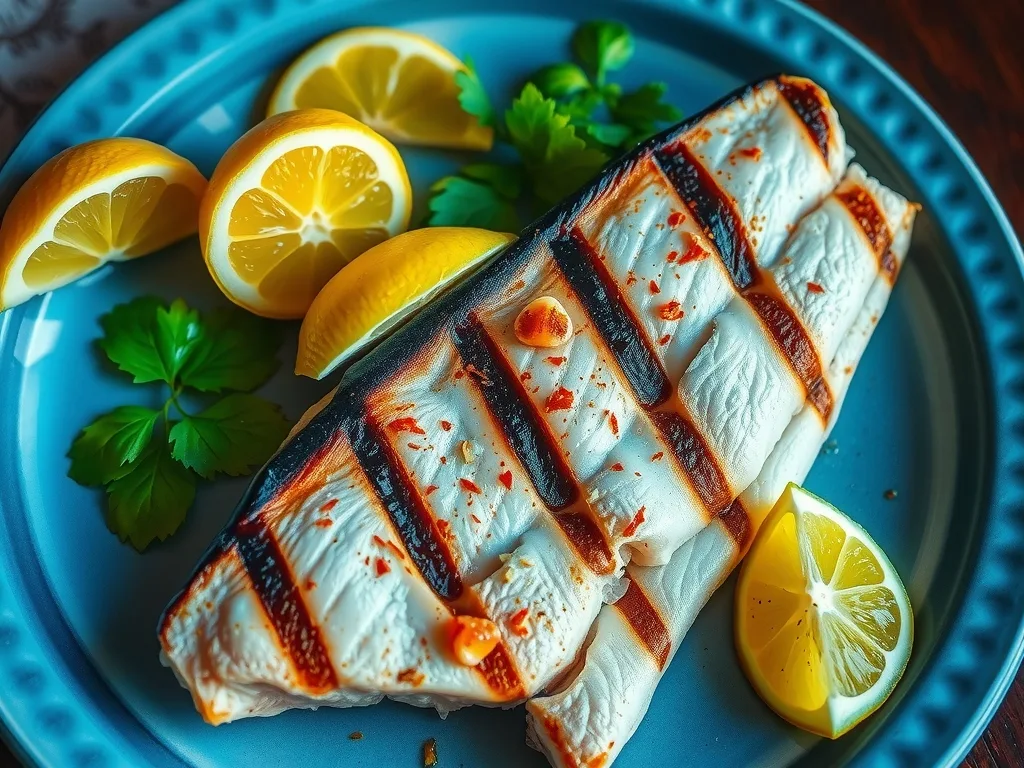
Grilled Swordfish Recipe: Juicy, Flavorful Steaks with Lemon‑Garlic Marinade
Introduction: Grilled Swordfish Recipe
When you’re looking for a show‑stopping main course that feels both elegant and effortlessly simple, few dishes rival grilled swordfish. This hearty, meaty fish holds up beautifully to the high heat of a grill, developing a caramelized crust while staying tender and moist inside. The secret lies in a bright lemon‑garlic marinade that infuses every bite with citrus zest and aromatic depth, turning an ordinary weeknight dinner into a restaurant‑worthy experience. Whether you’re hosting a summer barbecue, celebrating a special occasion, or simply craving a healthy protein packed with omega‑3s, this grilled swordfish recipe delivers flavor, nutrition, and visual appeal in one sleek package.
Beyond its taste, swordfish is a smart choice for the health‑conscious cook. It’s low in saturated fat, rich in high‑quality protein, and provides essential nutrients like selenium and vitamin D. By choosing sustainably sourced steaks, you also support responsible fishing practices that protect our oceans for future generations. The preparation is straightforward: a quick marinade, a hot grill, and a few minutes of attentive cooking yield perfectly charred steaks that flake with a fork yet retain a satisfying bite. Follow the steps below, and you’ll master the art of grilling swordfish without the fear of dryness or overcooking—a common concern that keeps many home cooks away from this magnificent fish.
Alternate Names & Variations:
While “grilled swordfish” is the most common descriptor, you’ll also see this dish referred to as “grilled swordfish steaks,” “swordfish kebabs,” or simply “swordfish on the grill.” In Mediterranean cuisine, it often appears as “pesce spada alla griglia,” accompanied by herbs like oregano and rosemary. Asian‑inspired twists swap the lemon‑garlic base for a soy‑ginger glaze, while a Southwestern version might incorporate chipotle adobo and lime. Feel free to experiment with these flavor profiles, but the core technique—marinating briefly, then grilling over medium‑high heat—remains the same for juicy, tender results every time.
Ingredients: Grilled Swordfish Recipe
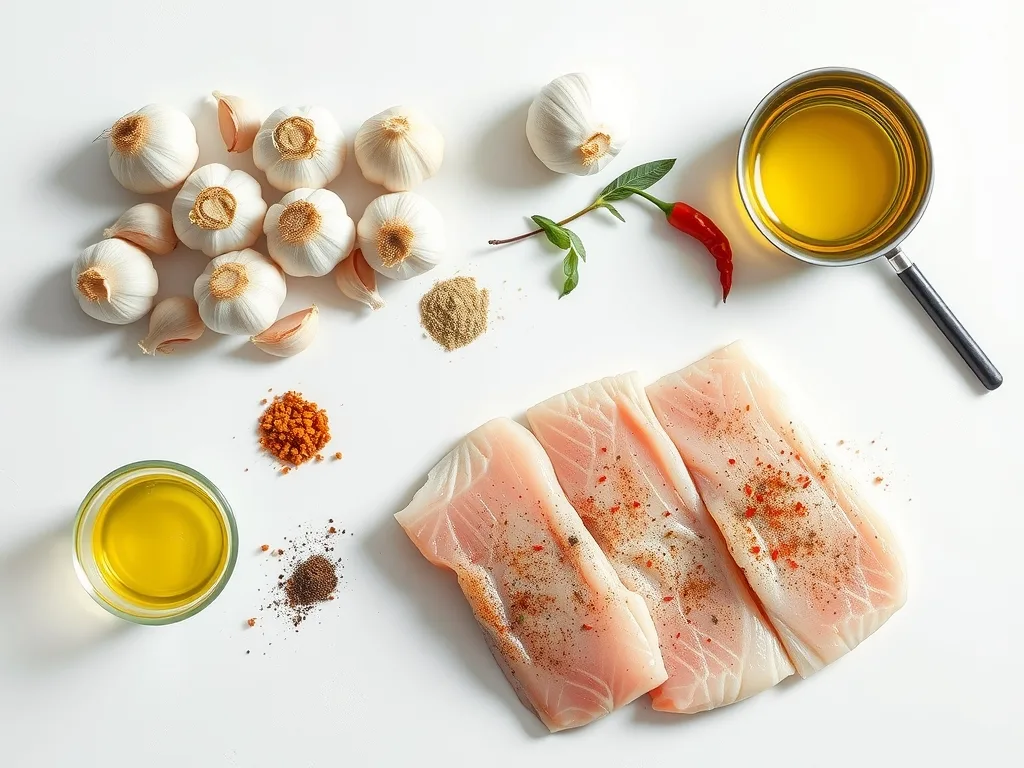
– 6 to 12 garlic cloves, peeled (adjust to taste)
– ⅓ cup extra virgin olive oil
– 2 tbsp fresh lemon juice, plus more for serving
– 1 tsp ground coriander
– ¾ tsp ground cumin
– ½ to 1 tsp sweet Spanish paprika (smoked paprika works too)
– ¾ tsp kosher salt
– ½ tsp freshly ground black pepper
– 4 swordfish steaks, about 5 to 6 ounces each, from sustainable sources
– Crushed red pepper flakes, optional (for a hint of heat)
*Note: The script will place an image immediately after this header.*
Step‑by‑Step Instructions: Grilled Swordfish Recipe
1. Prepare the Marinade
In a small bowl, combine the peeled garlic cloves, olive oil, fresh lemon juice, coriander, cumin, paprika, salt, black pepper, and crushed red pepper if using. Use the back of a spoon or a mortar and pestle to lightly crush the garlic, releasing its oils into the mixture.
2. Marinate the Swordfish
Pat the swordfish steaks dry with paper towels—this helps the marinade adhere and promotes a better sear. Place the steaks in a shallow dish or a resealable plastic bag and pour the marinade over them, turning to coat evenly. Let sit at room temperature for 15‑20 minutes, or refrigerate for up to 2 hours. Avoid marinating longer than 2 hours, as the acid in the lemon juice can begin to “cook” the fish and affect texture.
3. Preheat the Grill
Heat your grill to medium‑high (about 400‑425°F / 200‑220°C). If using a charcoal grill, arrange the coals for direct heat; for a gas grill, preheat with the lid closed for 10‑15 minutes. Clean the grates with a grill brush and lightly oil them using a folded paper towel dipped in oil and held with tongs—this prevents sticking.
4. Grill the Swordfish
Remove the steaks from the marinade, letting excess drip off (discard the used marinade). Place the steaks on the hot grill. Grill for 4‑5 minutes per side, depending on thickness; the fish should develop distinct grill marks and feel firm to the touch but still slightly springy in the center. Avoid moving the steaks too often—let them sear undisturbed for a good crust.
5. Check for Doneness
Swordfish is best when cooked to an internal temperature of 130‑135°F (54‑57°C) at the thickest point. It will continue to rise a few degrees while resting. Overcooking leads to dryness, so pull the steaks off the grill just shy of your target temperature.
6. Rest and Serve
Transfer the grilled swordfish to a platter and let it rest for 5 minutes. Drizzle with a little extra fresh lemon juice and a sprinkle of chopped fresh parsley or cilantro if desired. Serve immediately with grilled vegetables, a light salad, or couscous for a complete meal.
Chef Tips & Substitutions
– *Garlic lover’s boost:* Roast the garlic cloves whole in the oven until soft, then mash them into the marinade for a mellower, sweet garlic note.
– *No fresh lemon?* Use bottled lemon juice in a pinch, but fresh gives the brightest flavor.
– *Herb swap:* Add 1 tbsp chopped fresh rosemary or thyme to the marinade for an earthy aroma.
– *Gluten‑free & dairy‑free:* This recipe is naturally free of both; just ensure any side dishes follow suit.
– *Indoor alternative:* Use a grill pan over medium‑high heat on the stovetop; follow the same timing and finish with a squeeze of lemon.
Recipe Card Reference: Grilled Swordfish Recipe
This grilled swordfish recipe requires approximately 15 minutes of preparation time (including mincing garlic and mixing the marinade) and 10‑12 minutes of active cooking time on the grill. It yields 4 generous servings, each steak weighing about 5‑6 ounces. Per serving, you can expect roughly 280‑320 calories, depending on the exact amount of olive oil used and the size of the steak. The dish provides about 30 g of protein, 18 g of heart‑healthy fats, and minimal carbohydrates, making it a satisfying, nutrient‑dense option for lunch or dinner.
Why This Recipe Works & Expert Tips: Grilled Swordfish Recipe
The success of this grilled swordfish hinges on three key factors: moisture retention, flavor penetration, and precise heat management. Swordfish is a dense, lean fish that can easily become tough if overcooked; the brief lemon‑garlic marinade combats this by coating the surface in oil, which creates a barrier that locks in moisture during the quick sear. The acid from the lemon juice not only brightens the flavor but also gently denatures surface proteins, allowing the herbs and spices to adhere better without breaking down the flesh—a balance that prevents the mushy texture sometimes seen with longer acidic marinades.
Using medium‑high heat ensures a rapid Maillard reaction, producing those coveted grill marks and a subtle smoky char while keeping the interior juicy. Because the steaks are relatively thick (about 1‑inch), a 4‑5 minute per side schedule brings the center to the ideal doneness without lingering too long on the grill. Resting the fish after grilling allows the juices to redistribute, resulting in a steak that stays moist from edge to edge.
For those who prefer a deeper flavor profile, consider adding a teaspoon of Dijon mustard to the marinade; its emulsifying properties help the oil and lemon cling to the fish, while the mustard’s tang complements the citrus. If you enjoy a bit of heat, increase the crushed red pepper or add a finely chopped jalapeño to the mix. Finally, always source your swordfish from reputable suppliers that label their catch as sustainably harvested—this not only supports ocean health but often yields fresher, higher‑quality steaks that grill more evenly.
Storage, Freezing, and Reheating:
Allow any leftover grilled swordfish to cool to room temperature within two hours, then transfer it to an airtight container. Store in the refrigerator for up to three days; the fish will retain its flavor and texture best if kept whole rather than sliced. When you’re ready to enjoy it again, gently reheat the steak in a pre‑heated oven at 275°F (135°C) for 10‑12 minutes, or until warmed through. This low‑and‑slow method prevents the edges from drying out, a common pitfall when using a microwave.
If you anticipate not eating the leftovers within a few days, freezing is a viable option. Wrap each steak tightly in plastic wrap, then place it in a freezer‑safe bag, squeezing out as much air as possible. Label with the date and freeze for up to two months. To thaw, move the package to the refrigerator overnight. Reheat using the oven method described above, adding a splash of lemon juice or a drizzle of olive oil before serving to revive the bright, fresh notes that may have muted during storage.
People Also Ask: Grilled Swordfish Recipe
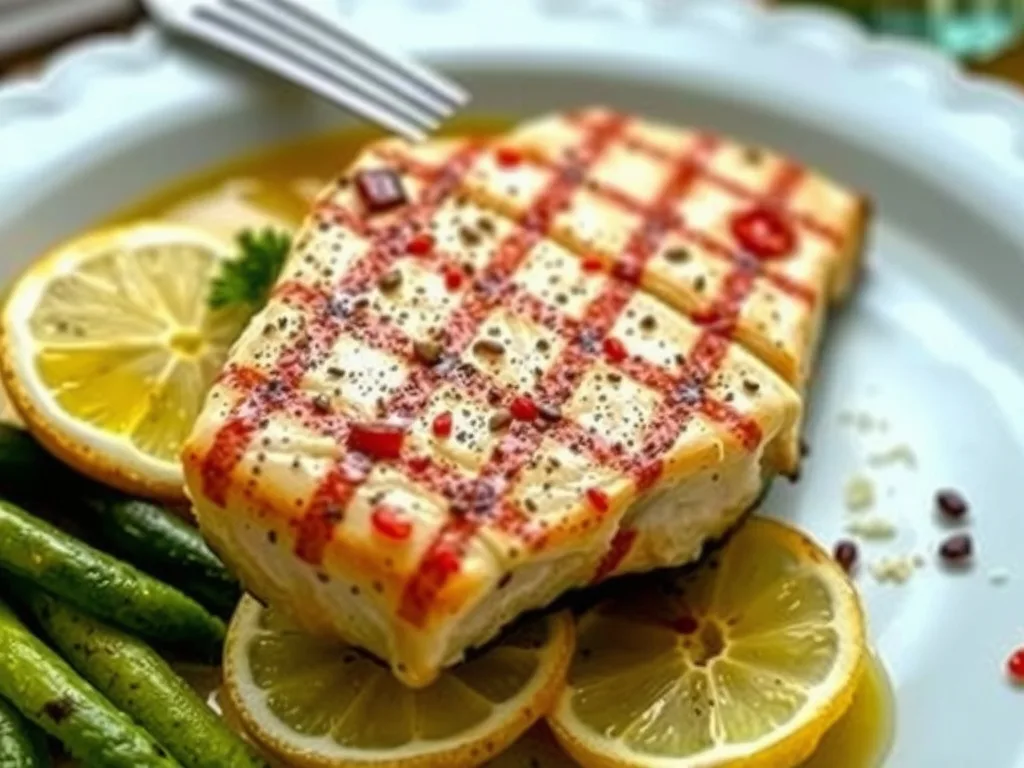
How do you grill swordfish without it drying out?
The key to preventing dry swordfish lies in a combination of proper marination, temperature control, and timing. A quick 15‑20 minute soak in an oil‑based marinade (like the olive‑oil‑lemon‑garlic blend here) creates a protective lipid layer that reduces moisture loss during the high‑heat sear. Grilling over medium‑high heat (about 400‑425°F) allows the exterior to caramelize quickly while the interior stays juicy. Aim for an internal temperature of 130‑135°F; using an instant‑read thermometer takes the guesswork out of doneness. Finally, let the fish rest for five minutes after grilling—this lets the juices redistribute, ensuring each bite stays tender rather than tough.
Should I marinate swordfish before grilling?
Yes, marinating swordfish before grilling is highly recommended, but keep it brief. Because swordfish is relatively dense, a marinade of 15‑30 minutes is sufficient to infuse flavor without compromising texture. Acidic components like lemon juice or vinegar can start to “cook” the fish if left too long, leading to a mushy surface. An oil‑based marinade with herbs, spices, and a modest amount of acid provides flavor penetration, helps the seasoning adhere, and creates a barrier that locks in moisture during grilling. If you’re short on time, even a 10‑minute toss in the marinade will make a noticeable difference compared to cooking the fish plain.
How long does swordfish take to grill?
Grilling time for swordfish steaks depends on their thickness and the heat of your grill, but a general guideline is 4‑5 minutes per side for steaks that are about 1‑inch thick. The goal is to achieve a nice char and grill marks on the outside while reaching an internal temperature of 130‑135°F at the thickest point. Thicker steaks (up to 1.5 inches) may need an additional minute per side, while thinner cuts will cook faster. Always rely on a thermometer rather than the clock alone, as grill temperatures can vary. Remember that the fish will continue to rise a few degrees while resting, so remove it from the heat just shy of your target temperature.
What is the best seasoning for swordfish?
The best seasoning for swordfish balances brightness, warmth, and a hint of earthiness to complement its meaty texture. A classic blend includes minced garlic, fresh lemon juice, extra virgin olive oil, ground coriander, cumin, sweet Spanish paprika, salt, and black pepper—this combination delivers citrusy notes, subtle spice, and a smoky undertone that enhances rather than masks the fish’s natural flavor. For variations, consider adding fresh herbs like parsley, cilantro, or dill after grilling, or swap the smoked paprika for a pinch of sumac for a tangy twist. If you enjoy heat, incorporate crushed red pepper flakes or a dash of cayenne. Ultimately, the ideal seasoning is one that brightens the fish without overwhelming it, allowing the swordfish’s inherent richness to shine.
Conclusion: Grilled Swordfish Recipe
Grilling swordfish is a rewarding culinary adventure that brings together the ocean’s bounty and the grill’s smoky allure in a single, satisfying plate. With a vibrant lemon‑garlic marinade, a hot grill, and just a few minutes of attentive cooking, you can serve steaks that are tender, flavorful, and beautifully charred—perfect for family dinners, weekend gatherings, or a nutritious weekday meal. Give this recipe a try, savor the bright citrus aroma as it mingles with the gentle char, and let the compliments roll in. If you loved this guide, please share it on your favorite social platforms, tag a friend who appreciates great seafood, and leave a comment below with your own grilling twists or side‑dish pairings. Happy grilling!
You Might Also Like:
- Amish Tomato Pie – The Best Comfort Dish to Try This Summer
- Smoked Meatloaf Recipe: Juicy & Flavorful
- Best Spicy Cajun Salmon Recipe – Quick & Flavorful Dinner Idea! 🐟🌶️✨
- Ultimate CrackerBarrel Meatloaf Recipe – Easy & Comforting Dish!
Social Footer: