
Table of Contents: Hoisin Sauce
Hoisin Sauce
Imagine a sauce that blends sweet, savory, and tangy flavors in perfect harmony—a secret weapon for elevating your stir-fries, glazed meats, and even unexpected dishes like roasted vegetables. Hoisin sauce, a beloved staple in Chinese cuisine, is the answer! Whether you’re hosting a holiday feast, meal prepping for the week ahead, or simply looking to add bold Asian flair to your family dinners, learning how to make homemade hoisin sauce can transform your cooking.
In this guide, we’ll walk you through a simple yet authentic homemade hoisin sauce recipe that’s free from artificial additives and packed with the depth of flavor you crave. Plus, we’ll answer all your burning questions: What does hoisin sauce taste like? What is it used for? What can you use as a substitute if you’re out? and Is hoisin sauce the same as teriyaki sauce? By the end of this article, you’ll not only master this versatile condiment but also gain confidence in the kitchen with tips for perfecting your batch. Let’s dive in!
What Is Hoisin Sauce? Discover Its Rich History and Versatility
Hoisin sauce is a thick, glossy condiment rooted in Chinese culinary traditions, often called the “all-purpose” sauce because of its incredible adaptability. Originating from Cantonese cuisine, it’s a sweet and savory blend typically made with soybeans, garlic, vinegar, and spices, offering a complexity that’s hard to replicate with store-bought versions. Unlike teriyaki sauce, which is lighter and more tangy, hoisin sauce has a deeper umami profile thanks to its caramelized soybean base and aromatic seasonings.
The beauty of hoisin sauce lies in its versatility. Use it as a glaze for roasted duck, a marinade for tofu or chicken skewers, a dip for spring rolls, or even as a decadent addition to pasta dishes. Its honeyed sweetness and umami depth make it a favorite for both family-style meals and special occasions, pairing effortlessly with festive dishes like orange chicken or more casual weekday fare like quick-fried rice.
For those eager to experiment, mastering how to make homemade hoisin sauce opens up endless possibilities. By controlling the ingredients, you can adjust the heat, sweetness, and texture to suit your preferences. Whether you’re hosting a dinner party or meal-prepping for the week, this sauce is a goldmine of flavor that deserves a spot in your kitchen.
Alternate Names & Similar Sauces
Hoisin sauce is sometimes referred to as Cantonese thick soy sauce or Peking sauce, especially in recipes outside China. If you’re searching for similar sauces, you might come across suggestions like teriyaki, oyster sauce, or sriracha, though each has a distinct flavor profile. For a close approximation, a spicy hoisin sauce substitution could involve blending hoisin with sriracha or chili paste.
Ingredients for Homemade Hoisin Sauce
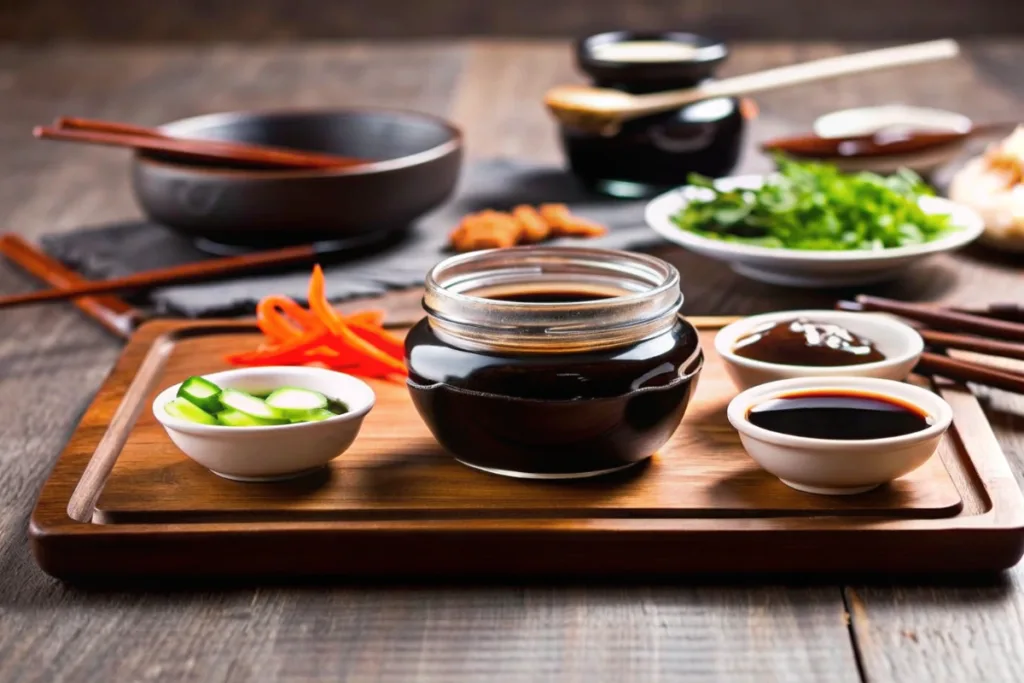
To create this luscious homemade hoisin sauce, you’ll need:
- – 4 tablespoons soy sauce (the backbone for umami flavor)
- – 2 tablespoons peanut butter or black bean paste (for thickness and earthy richness)
- – 1 tablespoon honey or molasses (sweetness balanced with complexity)
- – 2 teaspoons rice vinegar (brightens the sauce with tanginess)
- – 2 teaspoons sesame oil (adds a nutty aroma)
- – 1 garlic clove, minced (sharpness to cut through richness)
- – 1/4 teaspoon Chinese five-spice powder* (a blend of star anise, cloves, and cinnamon for depth)
- – 1/4 teaspoon black pepper (subtle spice)
- – 1/2 teaspoon hot sauce (optional, for heat—customize to taste)
Substitute five-spice with a pinch of ground ginger and cloves if needed.
Step-by-Step Instructions for Perfect Homemade Hoisin Sauce
Prep Time: 10 minutes
Cook Time: 5 minutes
Total Time: 15 minutes
Servings: 4
1. Combine the Base Ingredients
In a medium bowl, whisk together soy sauce, peanut butter (or black bean paste), and honey (or molasses). The goal is to ensure the mixture is smooth and lump-free.
2. Add the Aromatics and Spices
Stir in rice vinegar, sesame oil, minced garlic, and black pepper. Mix well to incorporate the tangy and spicy notes.
3. Enhance the Flavor Profile
Whisk in the Chinese five-spice powder. For a fiery kick, add the hot sauce at this stage. Adjust quantities to suit your heat tolerance.
4. Taste and Adjust
Sample the sauce. If it feels too sweet, add a dash more rice vinegar or a sprinkle of soy sauce. For extra thickness, stir in 1 teaspoon more peanut butter.
Chef’s Tip: For a shortcut, use a blender to emulsify the ingredients for a silky texture.
Why This Recipe Works & Expert Tips
What makes this homemade hoisin sauce stand out is its balance of accessibility and depth. Unlike store-bought versions that may rely on preservatives, this recipe lets you control every flavor component. The peanut butter or black bean paste acts as a natural thickener, reducing the need for cornstarch—a common thickening agent in commercial products.
For quick meal prep, double the batch and store it in an airtight jar. Spread it on sandwiches, whisk it into dressings, or use it as a dipping sauce for dumplings. Store-bought substitutes like oyster sauce can never replicate this homemade hoisin sauce’s complexity.
Q&A: Answers to Your Hoisin Sauce Queries
Hoisin Sauce: What Does Hoisin Sauce Taste Like?
Hoisin sauce offers a symphony of flavors. It’s predominantly sweet, with a rich umami backbone from soy and bean paste. There’s also a tangy bite from rice vinegar and a warm spice from five-spice powder. The texture is thick and slightly sticky, perfect for glazing.
What Is Hoisin Sauce Used For?
From stir-fries to roasted meats, hoisin sauce shines as a glaze, marinade, or dipping sauce. Try it on tofu satay, as a topping for noodle salads, or mixed into a creamy pasta sauce. Its versatility makes it a star in both Asian and fusion dishes.
What Is a Good Substitute for Hoisin Sauce?
In a pinch, blend soy sauce, a touch of molasses, and a dash of sesame oil. For heat, add a splash of sriracha or chili paste. While not identical, this combo mimics hoisin sauce’s flavor profile.
Is Hoisin Sauce and Teriyaki Sauce the Same?
No! Hoisin sauce is thicker, sweeter, and richer, with a sticky texture from sugar. Teriyaki sauce is lighter, more tangy, and typically includes mirin. Both are used for glazes but differ in flavor and consistency.
Conclusion: Elevate Your Cooking with Homemade Hoisin Sauce
Mastering how to make homemade hoisin sauce isn’t just about convenience—it’s about unleashing layers of flavor in every dish. Whether you’re marinating protein, dipping spring rolls, or adding a sweet kick to your veggies, this sauce is a must-have in your pantry.
Now that you’ve got the recipe, it’s time to whip up a batch and savor the results! Share your favorite dishes made with homemade hoisin sauce in the comments below, or snap a photo of your creation and tag us on social media. Happy cooking!
You Might Also Like
– Drunk Chicken Breasts Recipe – The Juiciest Boozy Chicken Guide
– Air Fryer Peach Glazed Chicken: The Juiciest Recipe You’ll Ever Try
– 5 Easy Steps to Juicy Baked Chicken Breast Every Time
– Baked Salmon Recipe Guide – The Best Way to Bake Perfect Salmon Every Time
Find Us On Pinterest and Facebook.
Print
Hoisin Sauce
- Total Time: 5 minutes
- Yield: 1/2 cup 1x
Description
A rich, sweet, salty, and tangy homemade hoisin sauce perfect for marinades, stir-fries, dipping, and glazing.
Ingredients
- 4 tablespoons soy sauce
- 2 tablespoons peanut butter or black bean paste
- 1 tablespoon honey
- 2 teaspoons rice vinegar
- 1 teaspoon sesame oil
- 2 teaspoons sriracha or chili paste
- 1/2 teaspoon garlic powder
- 1/4 teaspoon ground black pepper
Instructions
- Add soy sauce, peanut butter (or black bean paste), and honey to a small bowl.
- Whisk until smooth and fully combined.
- Stir in rice vinegar, sesame oil, sriracha, garlic powder, and black pepper.
- Continue mixing until the sauce is thick and glossy.
- Taste and adjust sweetness, heat, or saltiness as desired.
- Use immediately or refrigerate in an airtight container.
Notes
For a deeper flavor, replace peanut butter with fermented black bean paste. Add more sriracha for a spicier version.
- Prep Time: 5 minutes
- Cook Time: 0 minutes
- Category: Sauce
- Method: No-Cook
- Cuisine: Asian
Nutrition
- Serving Size: 1 tablespoon
- Calories: 35
- Sugar: 4g
- Sodium: 430mg
- Fat: 1g
- Saturated Fat: 0g
- Unsaturated Fat: 1g
- Trans Fat: 0g
- Carbohydrates: 5g
- Fiber: 0g
- Protein: 1g
- Cholesterol: 0mg
Keywords: hoisin sauce, Asian sauce, homemade hoisin, stir fry sauce, dipping sauce