
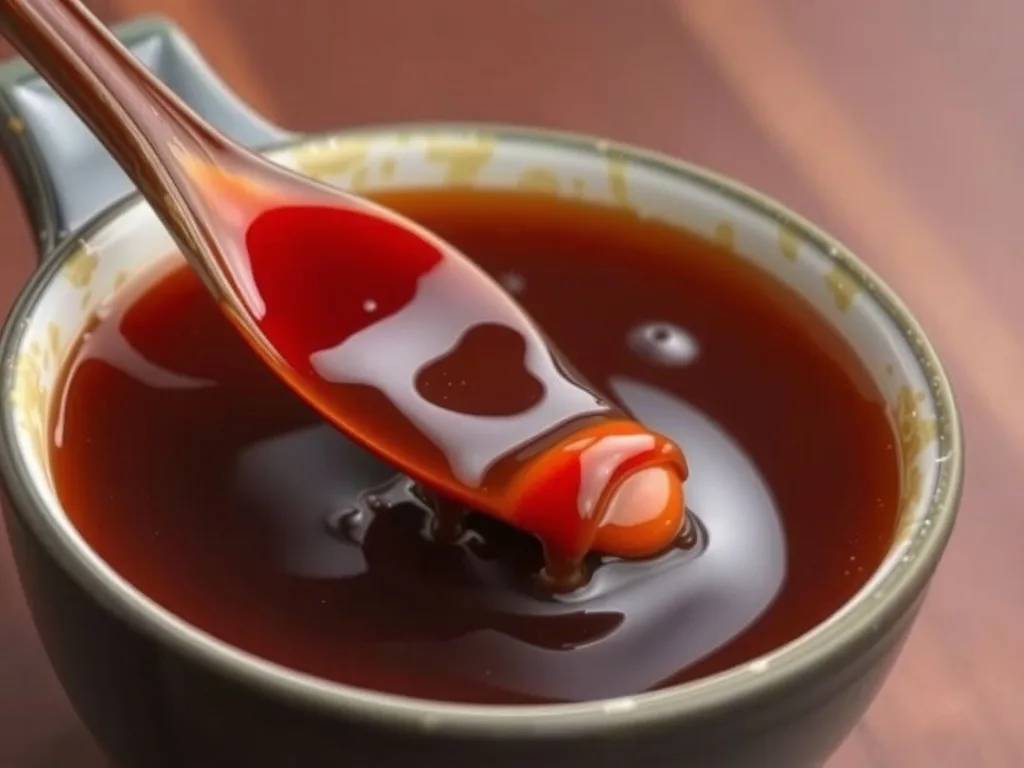
Homemade Hoisin Sauce: The Ultimate Guide to Making It from Scratch
Introduction: Homemade Hoisin Sauce
Hoisin sauce is a beloved condiment in Chinese cuisine, prized for its sweet‑savory depth, glossy texture, and versatility in everything from Peking duck to stir‑fry glazes. Traditional store‑bought versions often contain high‑fructose corn syrup, preservatives, and hidden gluten, which can leave health‑conscious cooks searching for a cleaner alternative. By crafting your own homemade hoisin sauce, you gain full control over every ingredient, allowing you to tailor the flavor profile to suit your palate while meeting dietary needs such as gluten‑free or low‑sugar preferences.
Beyond convenience, making hoisin from scratch is surprisingly simple and requires only a handful of pantry staples. The result is a rich, complex sauce that rivals commercial brands in taste but boasts fresher aromatics, a smoother finish, and the satisfaction of knowing exactly what you’re eating. Whether you’re a seasoned home chef or just starting to explore Asian sauces, this recipe will empower you to elevate your dishes with an authentic, customizable easy hoisin sauce substitute that can be prepared in under thirty minutes.
Alternate Names & Variations
Hoisin sauce goes by several names across regions, including Chinese barbecue sauce, sweet bean sauce, and plum sauce. In some menus you might see it labeled as hoisin glaze or hoisin dip, reflecting its use as both a finishing brush and a dipping delight. Variations abound: a splash of chili oil can add heat for a spicy twist, while swapping honey for agave creates a vegan‑friendly version. For those avoiding peanuts, a gluten free hoisin sauce recipe can replace peanut butter with sunflower seed butter, maintaining creaminess without compromising texture. These alternatives keep the core sweet‑savory balance while accommodating diverse dietary restrictions.
Ingredients: Homemade Hoisin Sauce
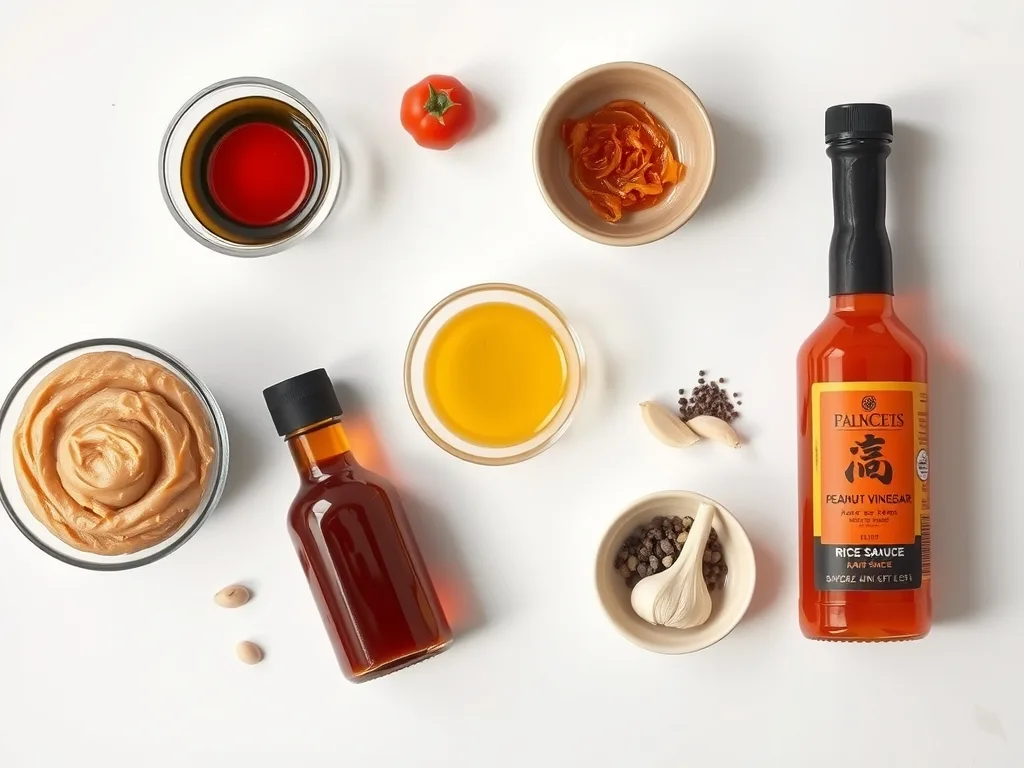
Here’s what you’ll need to create a rich, glossy homemade hoisin sauce that’s perfect for glazing, dipping, and marinating:
¼ cup amino acids (or tamari for a gluten free hoisin sauce recipe)
2 tablespoons smooth peanut butter (creamy, unsalted)
1 tablespoon agave (or honey for a non‑vegan option) 2 teaspoons rice wine vinegar
2 teaspoons toasted sesame oil
1 teaspoon hot sauce (adjust to taste)
1 clove garlic, minced
⅛ teaspoon ground black pepper ## Step-by-Step Instructions: Homemade Hoisin Sauce
1. Combine base ingredients – In a medium saucepan, whisk together the amino acids, peanut butter, agave, and rice wine vinegar until smooth.
2. Add depth – Stir in the sesame oil, hot sauce, minced garlic, and black pepper, ensuring each component is fully incorporated.
3. Simmer gently – Place the saucepan over low‑medium heat and bring the mixture to a gentle simmer, stirring occasionally to prevent sticking.
4. Thicken the sauce – Continue to cook for 8‑10 minutes, or until the sauce thickens and coats the back of a spoon. Chef tip: If the sauce becomes too thick, add a tablespoon of warm water at a time until the desired consistency is reached.
5. Taste and adjust – Sample the sauce and add more agave for sweetness, vinegar for tang, or hot sauce for heat. Substitution tip: For a nut‑free version, replace peanut butter with an equal amount of sunflower seed butter.
6. Cool and store – Remove the pan from heat and let the sauce cool to room temperature before transferring it to an airtight jar. The sauce can be used immediately or stored in the refrigerator for later.
Recipe Card Reference: Homemade Hoisin Sauce
This homemade hoisin sauce yields approximately one cup, enough for 4–6 servings of glazes, dips, or marinades. Preparation takes about 10 minutes, and the gentle simmer requires roughly 15 minutes, giving you a total elapsed time of around 25 minutes. Each tablespoon contains roughly 70 calories, making it a light yet flavorful addition to meals. The recipe is naturally gluten free when using tamari or amino acids, and it can be adapted for vegan diets by swapping honey for agave. ## Why This Recipe Works & Expert Tips: Homemade Hoisin Sauce
The magic of this sauce lies in balancing sweet, salty, and umami notes while achieving a glossy finish that clings to proteins and vegetables. By using amino acids instead of soy sauce, you preserve the depth of flavor without introducing wheat gluten, a common allergen. The inclusion of peanut butter adds a creamy body that mimics the texture of traditional hoisin, while sesame oil contributes a nutty aroma that elevates the overall profile.
A key why this recipe works insight is the low‑and‑slow simmer: high heat can cause the sugars to caramelize too quickly, resulting in a burnt aftertaste. Keeping the heat gentle allows the flavors to meld gradually, producing a smooth, homogeneous sauce. Additionally, the flexibility to adjust sweetness, acidity, or heat ensures you can customize the sauce for diverse dishes—from drizzling over roasted carrots to serving as a dipping sauce for spring rolls. Expert tips include using a micro‑plane to zest a bit of fresh ginger for extra zing, or adding a splash of orange juice for a citrusy lift that pairs beautifully with poultry.
Storage, Freezing, and Reheating Leftover homemade hoisin sauce keeps well in the refrigerator for up to two weeks when stored in a sealed container. For longer preservation, portion the sauce into ice‑cube trays, freeze, and transfer the solidified cubes to a zip‑top bag; this method allows you to thaw just the amount you need without defrosting the entire batch. When reheating, gently warm the sauce in a saucepan over low heat, stirring occasionally to restore its silky texture. Avoid microwaving at high power, as it can cause separation and a grainy consistency.
People Also Ask: Homemade Hoisin Sauce
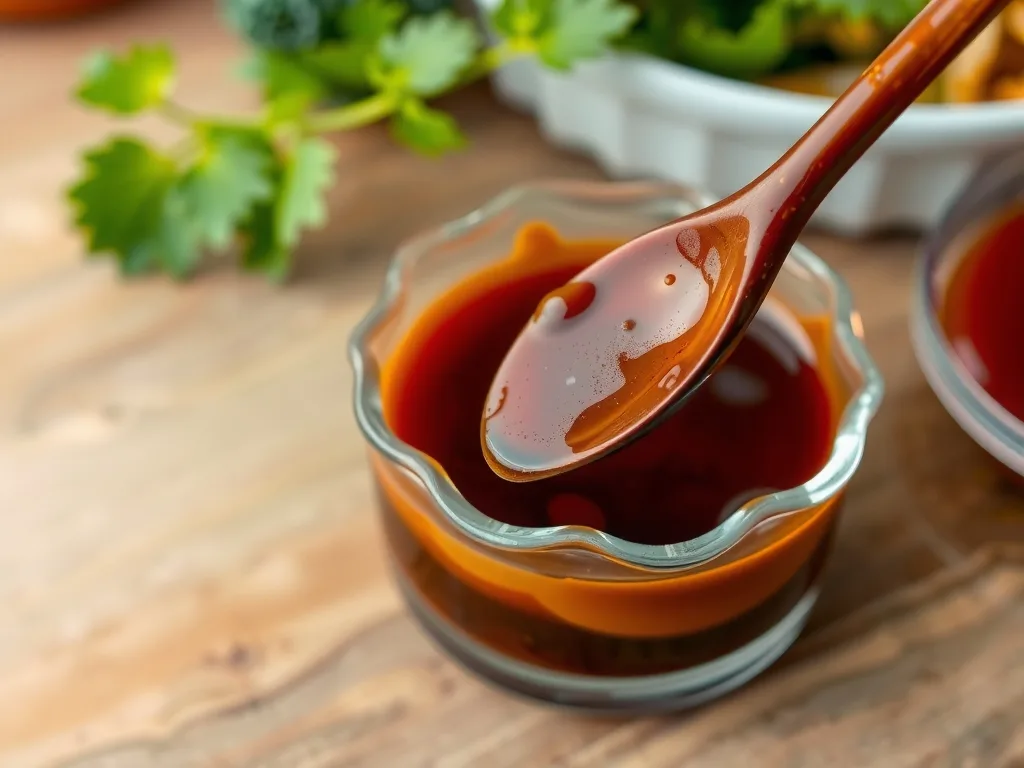
What is a good substitute for hoisin sauce? A solid hoisin sauce substitute can be created by mixing equal parts of soy sauce, brown sugar, and a dash of rice vinegar, then adding a teaspoon of peanut butter for creaminess. This quick blend mimics the sweet‑savory balance and thickness of hoisin while allowing you to adjust sweetness or saltiness to taste. For a gluten‑free version, replace soy sauce with tamari or coconut aminos, and you’ll have a versatile alternative that works beautifully in marinades, glazes, and dipping sauces.
What is the difference between hoisin sauce and oyster sauce? While both sauces are staples in Asian cooking, hoisin sauce is fundamentally sweeter, thicker, and more aromatic, derived from fermented soybeans, garlic, and spices, whereas oyster sauce is briny, umami‑rich, and made from oyster extracts. Oyster sauce tends to be less sweet and more savory, offering a subtle marine depth, while hoisin brings a pronounced sweetness and a complex spice profile. Substituting one for the other can alter the final flavor dramatically, so it’s best to choose based on the desired outcome of your dish.
What is hoisin sauce made of?
Traditional hoisin sauce is made from a blend of fermented soybeans, garlic, chilies, vinegar, and a sweetener such as sugar or honey. Additional ingredients often include sesame oil, five‑spice powder, and sometimes fermented wheat for texture. The resulting sauce is dark, glossy, and intensely flavored, delivering a harmonious mix of sweet, salty, and umami notes. Homemade versions may swap wheat‑based soy sauce for amino acids or tamari, making them suitable for gluten‑free diets while preserving the classic flavor foundation. ### How long does homemade hoisin sauce last?
When stored properly in an airtight container in the refrigerator, homemade hoisin sauce typically retains its optimal flavor for about two weeks. The sauce’s high sugar and vinegar content act as natural preservatives, extending its shelf life beyond many other condiments. For longer storage, freezing in portioned containers can keep it fresh for up to three months; just thaw in the fridge overnight before use and give it a gentle stir to restore its smooth consistency. ## Conclusion: Homemade Hoisin Sauce
Creating your own homemade hoisin sauce is a rewarding culinary adventure that blends simplicity with flavor depth. Whether you’re looking for a gluten free hoisin sauce recipe, a customizable alternative to store‑bought versions, or a fresh way to Elevate everyday meals, this sauce checks every box. Share your creations on social media, tag us, and let fellow food lovers discover the joy of cooking from scratch. Happy saucing!