
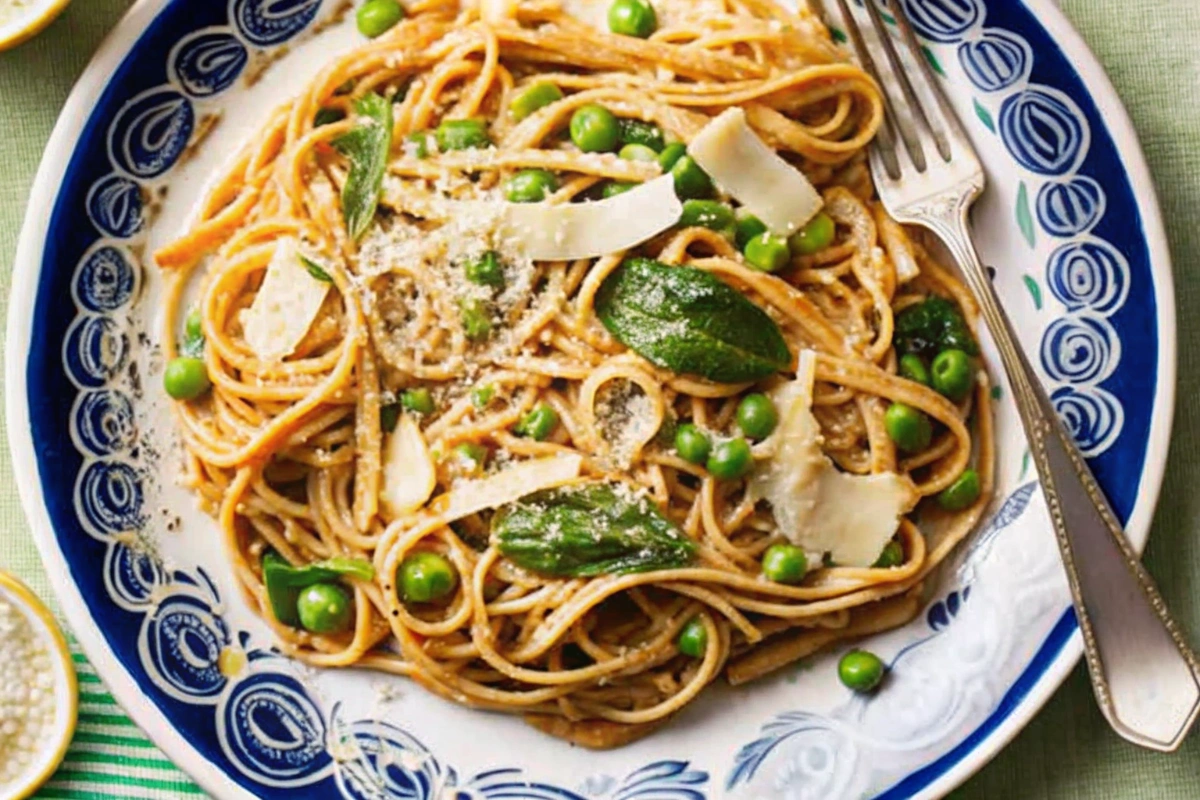
Table of Contents: Lemony Linguine with Spring Vegetables
Lemony Linguine with Spring Vegetables
If you’re looking for a light‑yet‑satisfying dinner that celebrates the season’s freshest produce, this lemony linguine will brighten your plate—and your mood—without weighing you down.
Introduction: Lemony Linguine with Spring Vegetables
Spring arrives with a chorus of tender greens, sweet peas, and the zing of lemon, making it the perfect time to swap heavy sauces for something bright and herb‑forward. This Lemony Linguine with Spring Vegetables takes the classic pasta primavera concept and lifts it with a silky lemon‑half‑and‑half emulsion, whole‑wheat linguine for a nutty bite, and a medley of artichoke hearts, spinach, and peas that burst with color and flavor.
The dish feels indulgent yet wholesome, delivering a satisfying forkful of protein‑rich pasta, fiber‑laden veggies, and a whisper of Parmesan that ties everything together. Because it comes together in under 30 minutes, the recipe shines on busy weeknights when you still want to serve something special. It’s equally at home on a leisurely Sunday brunch table, a festive Easter spread, or a casual family dinner where everyone can help themselves to a generous bowl.
The lemony brightness cuts through the richness of the cheese and cream, while the whole‑wheat linguine adds a subtle earthiness that makes the dish feel more substantial than its lighter‑sauce cousins. Whether you’re a seasoned home cook or just looking to expand your weekday repertoire, this spring vegetable pasta offers a reliable, crowd‑pleasing foundation you can adapt with whatever produce is at its peak.
Beyond its ease, the recipe celebrates the season’s bounty in a way that feels both nostalgic and fresh. The combination of lemon zest, juice, and a touch of cream creates a sauce that clings to each strand of linguine without feeling heavy, while the mint‑bright peas (a nod to the classic linguine with peas and mint) add a pop of sweetness that balances the tang. Serve it with a simple green salad and a glass of crisp white wine, and you have a meal that feels like a celebration of spring on a plate.
Alternate Names & Variations
- Lemon Asparagus Pasta – swap the artichoke hearts and spinach for tender asparagus spears. – Spring Vegetable Pasta – a generic title that highlights any mix of seasonal veggies (peas, fava beans, baby carrots).
- Linguine with Peas and Mint – emphasize the fresh mint and sweet peas for a herb‑forward version.
- Pasta Primavera Recipe – the classic Italian‑American style that welcomes any spring vegetable medley.
Feel free to experiment: add blanched broccoli florets, sliced radishes for peppery bite, or a handful of fresh basil instead of mint. A splash of white wine or a pinch of red‑pepper flakes can deepen the flavor profile without compromising the dish’s light character.
Ingredients: Lemony Linguine with Spring Vegetables
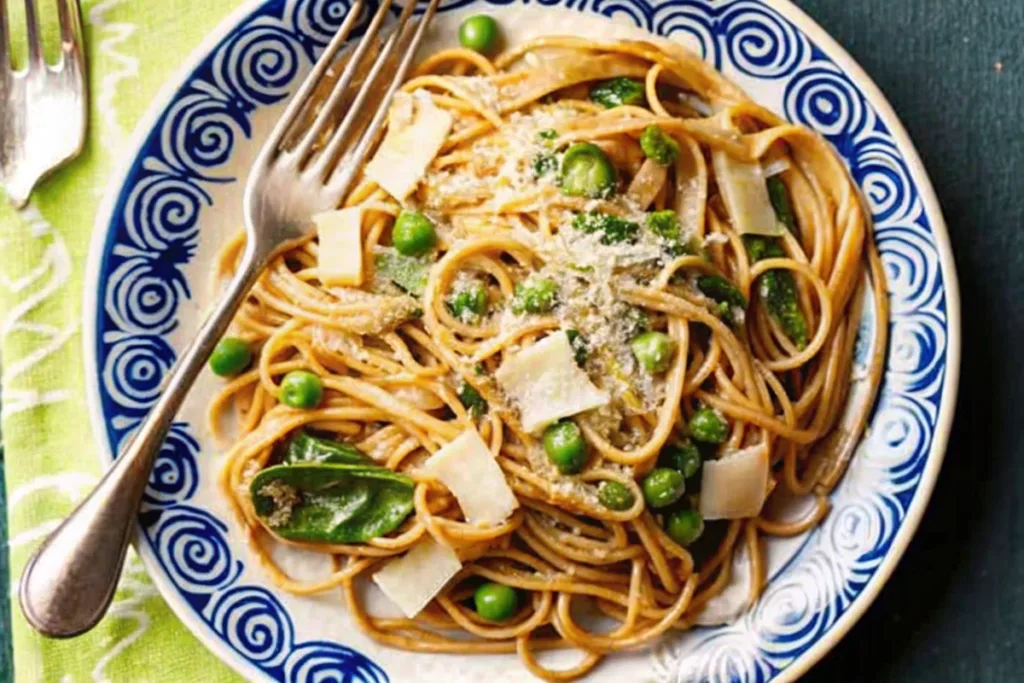
- 8 ounces whole‑wheat linguine or fettuccine
- 4 cloves garlic, thinly sliced
- ½ teaspoon salt
- ¼ teaspoon ground pepper – 3½ cups water – 1 9‑ounce package frozen artichoke hearts, thawed and chopped – 6 cups chopped mature spinach
- 2 cups peas, fresh or frozen
- ½ cup grated Parmesan cheese, divided – ¼ cup half‑and‑half
- 1 tablespoon lemon zest
- 3‑4 tablespoons lemon juice (adjust to taste) *Optional garnish:* extra Parmesan, freshly cracked black pepper, and a few torn mint leaves.
Step‑by‑Step Instructions
- Cook the linguine. Bring a large pot of salted water to a boil. Add the whole‑wheat linguine and cook according to package directions until al dente, about 9‑11 minutes. Reserve ½ cup of the pasta cooking water, then drain the linguine and set aside.
- Prepare the aromatics. While the pasta cooks, heat a large skillet over medium heat. Add a drizzle of olive oil (about 1 tablespoon) and the sliced garlic. Sauté 1‑2 minutes, stirring frequently, until fragrant and just beginning to turn golden—be careful not to burn it. 3. Build the vegetable base. Add the thawed artichoke hearts to the skillet and cook for 2‑3 minutes, letting them absorb the garlic‑infused oil. Stir in the chopped spinach and peas; cook until the spinach wilts and the peas are heated through, roughly 3‑4 minutes. Season with the salt and pepper.
- Create the lemon‑cream sauce. Reduce the heat to low. Pour in the half‑and‑half, lemon zest, and lemon juice. Stir to combine, then add ¼ cup of the reserved pasta water. Let the mixture simmer gently for 1‑2 minutes, allowing it to thicken slightly.
- Combine pasta and sauce. Add the drained linguine to the skillet, tossing to coat each strand evenly. If the sauce feels too thick, drizzle in more reserved pasta water, a tablespoon at a time, until you reach a silky, glossy consistency.
- Finish with cheese. Sprinkle in ¼ cup of the grated Parmesan and toss until melted and integrated. Taste and adjust seasoning with extra lemon juice, salt, or pepper if needed.
- Serve. Divide the linguine among four warm bowls or plates. Top each serving with the remaining ¼ cup Parmesan, a crack of black pepper, and a few fresh mint leaves for brightness. Enjoy immediately while the pasta is steaming and the sauce is glossy.
Chef Tips & Substitutions
– *Whole‑wheat swap:* If you prefer regular linguine, use the same amount; the cooking time may be a minute shorter.
– *Gluten‑free:* Use gluten‑free linguine or brown‑rice pasta; increase the reserved cooking water slightly as gluten‑free pasta tends to absorb more liquid.
– *Vegan version:* Omit the Parmesan and half‑and‑half; replace with ¼ cup nutritional yeast and ¼ cup unsweetened oat cream or coconut cream for a creamy finish.
– *Protein boost:* Add grilled chicken, sautéed shrimp, or chickpeas during step 3 for a heartier meal.
Recipe Card Block (Quick Reference)
Prep time: 10 minutes Cook time: 20 minutes Total time: 30 minutes Servings: 4 Approximate calories per serving: 380 kcal
Why This Recipe Works & Expert Tips
The success of this Lemony Linguine with Spring Vegetables hinges on three key elements: the lemon‑cream emulsion, the vegetable medley, and the whole‑wheat pasta base. By emulsifying half‑and‑half with fresh lemon zest and juice, you create a sauce that is both rich and bright—light enough to let the vegetables shine yet substantial enough to cling to each strand of linguine. The reserved pasta water acts as a natural thickener, thanks to its starch content, ensuring the sauce stays silky without separating.
Using whole‑wheat linguine adds a nutty depth and extra fiber, making the dish feel more satisfying than its white‑pasta counterpart while still cooking quickly. The artichoke hearts provide a subtle brininess that pairs beautifully with lemon, while the spinach wilts into the sauce, contributing iron and a vivid green hue. Peas deliver a pop of sweetness and a hint of spring freshness, echoing the beloved linguine with peas and mint profile.
Expert tips for the best results:
– Don’t overcook the garlic. A gentle sauté preserves its sweet aroma; burnt garlic can turn bitter and overpower the delicate lemon.
– Season in layers. Salt the pasta water, season the veggies, and finish with a final taste adjustment—this builds depth throughout the dish.
– Keep the sauce moving. Constant tossing prevents the linguine from sticking and ensures every noodle gets an even coating of lemon‑cream.
– Finish with fresh herbs. Mint or basil added at the end lifts the dish with a fragrant note that balances the acidity.
These techniques transform a simple spring vegetable pasta into a restaurant‑worthy plate that feels both comforting and elegant—ideal for easy comfort food for family dinners or a celebratory weekend brunch.
Storage, Freezing, and Reheating Tips
Refrigeration: Transfer any leftovers to an airtight container and store in the refrigerator for up to 3 days. The sauce may thicken as it cools; when reheating, add a splash of water, broth, or extra half‑and‑half to loosen it back to a silky consistency.
Freezing: While the pasta itself freezes well, the cream‑based sauce can separate upon thawing. If you plan to freeze, consider storing the cooked linguine and vegetable mixture separately from the sauce. Combine them fresh when reheating for the best texture. Freeze in a freezer‑safe bag or container for up to 2 months.
Reheating: For stovetop reheating, place the pasta in a skillet over medium‑low heat, add a few tablespoons of liquid (water, milk, or broth), and stir gently until warmed through. Microwave reheating works too: cover the bowl with a damp paper towel and heat in 30‑second intervals, stirring between bursts, until hot. Finish with a fresh grating of Parmesan and a drizzle of olive oil to revive the flavors. These storage pointers make this lemon asparagus pasta (or any spring vegetable pasta variation) a convenient make‑ahead option for meal prep or busy weeknight rotations.
People Also Ask: Lemony Linguine with Spring Vegetables
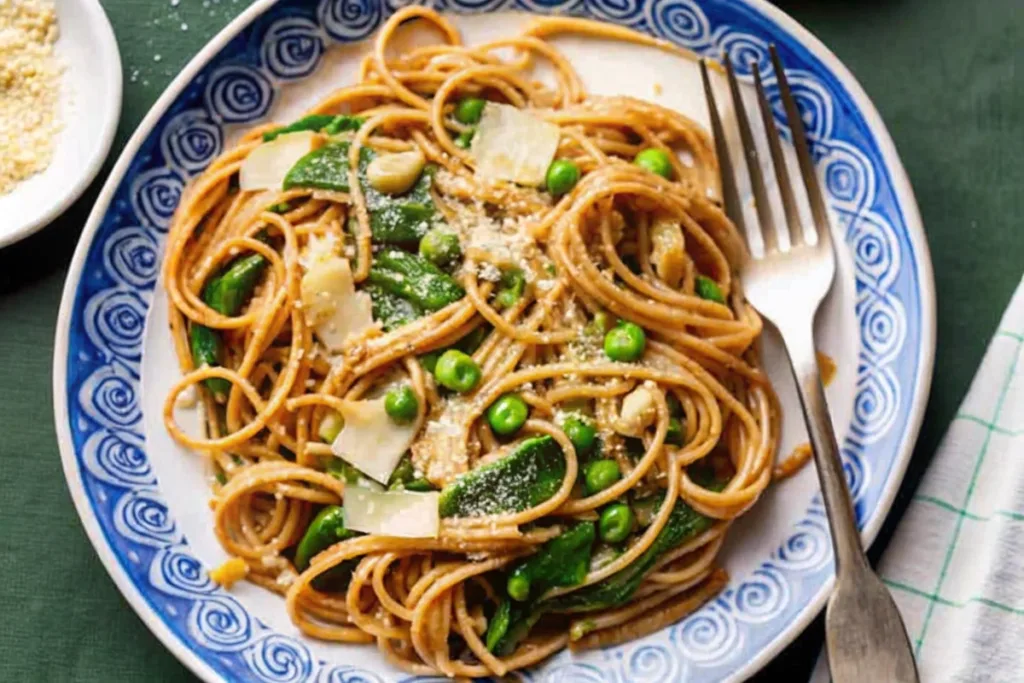
What vegetables go well with lemon pasta?
A wide variety of vegetables pair beautifully with lemon‑infused pasta, especially those that have a mild sweetness or a slight bitterness that the citrus can balance. Classic choices include asparagus, peas, spinach, artichoke hearts, zucchini, and baby carrots. Blanched broccoli florets, snap peas, and thinly sliced fennel also work well, adding texture and a fresh crunch.
For a pop of color, consider cherry tomatoes or roasted red peppers, which bring a subtle acidity that complements the lemon. When selecting vegetables, aim for a mix of tender greens and slightly firmer pieces so each bite offers both softness and a satisfying bite.
How do you make a lemon pasta sauce from scratch?
Creating a lemon pasta sauce from scratch is simple and requires just a few pantry staples. Start by sautéing minced garlic in olive oil until fragrant—about 1 minute on medium heat. Deglaze the pan with a splash of white wine or vegetable broth, letting it reduce by half. Then stir in heavy cream, half‑and‑half, or a dairy‑free alternative, followed by freshly grated lemon zest and lemon juice.
Simmer gently for 2‑3 minutes, allowing the sauce to thicken slightly. Finish with grated Parmesan (or nutritional yeast for a vegan version), salt, and pepper. If the sauce feels too thick, thin it with reserved pasta water a tablespoon at a time until you achieve a silky, coating consistency.
Can you add chicken to this dish?
Absolutely! Adding chicken turns this light spring vegetable pasta into a more substantial entrée while preserving its bright lemon character. For best results, season boneless, skinless chicken breasts or thighs with salt, pepper, and a pinch of dried Italian herbs, then pan‑sear them in olive oil until golden and cooked through (about 5‑6 minutes per side). Slice the cooked chicken thinly and toss it into the pasta during the final mixing step, or serve it on top as a protein‑rich garnish.
If you prefer a quicker option, use pre‑cooked rotisserie chicken, shredding it and warming it through with the sauce. The chicken’s mild flavor lets the lemon and vegetables remain the star of the dish.
How do you keep the linguine from sticking together?
Preventing linguine from clinging starts with proper cooking technique. Use a large pot with plenty of water—at least 4‑6 quarts for 8 ounces of pasta—so the noodles have room to move. Salt the water generously; this not only flavors the pasta but also helps reduce starch surface tension. Stir the linguine immediately after adding it to the pot and again halfway through cooking.
Once al dente, reserve a cup of the hot pasta water before draining; the starch‑rich water can be added back to the sauce to help it adhere to the noodles without causing them to stick. If you’re not serving immediately, toss the drained linguine with a tiny drizzle of olive oil to keep the strands separate until you’re ready to combine with the sauce.
Conclusion: Lemony Linguine with Spring Vegetables
This Lemony Linguine with Spring Vegetables captures the essence of the season in a bowl—bright lemon, tender greens, sweet peas, and a whisper of Parmesan come together to create a dish that feels both nourishing and celebratory. Whether you’re whipping it up for a quick weeknight dinner, serving it at a spring gathering, or meal‑prepping for the week ahead, its flexibility and fresh flavor make it a go‑to recipe you’ll return to again and again. We’d love to see how your version turns out! Snap a photo, leave a comment below, or share your tweaks on social media using #LemonyLinguineSpring. Happy cooking, and may your table be filled with the vibrant tastes of spring all year long.
You Might Also Like
–Baked Salmon Recipe Guide – The Best Way to Bake Perfect Salmon Every Time
–Honey Garlic Salmon Recipe – Easy & Delicious in 20 Minutes!
–Lemon Butter Salmon Rice Muffins | Easy & Tasty Recipe Idea
–Salsa Macha Roast Salmon 🌶️🔥 | Easy & Flavorful Dinner Recipe
–Bang Bang Chicken Skewers
Find Us On Pinterest and Facebook.
Print
Lemony Linguine with Spring Vegetables
- Total Time: 30 minutes
- Yield: 4 servings 1x
- Diet: Vegetarian
Description
Bright, buttery linguine tossed with crisp spring vegetables and a zesty lemon sauce, this Lemony Linguine with Spring Vegetables is a fresh, light pasta dish that celebrates the flavors of the season. Perfect for a quick weeknight dinner or a delightful brunch, this recipe blends wholesome whole-wheat pasta with vibrant artichokes, spinach, and peas, all brightened by lemon zest and a hint of Parmesan.
Ingredients
- 8 ounces whole-wheat linguine or fettuccine
- 4 cloves garlic, thinly sliced
- 1/2 teaspoon salt
- 1/4 teaspoon ground pepper
- 3 1/2 cups water
- 1 (9-ounce) package frozen artichoke hearts
- 6 cups chopped mature spinach
- 2 cups peas (fresh or frozen)
- 1/2 cup grated Parmesan cheese, divided
- 1/4 cup half-and-half
- 1 tablespoon lemon zest
- 3–4 tablespoons lemon juice
Instructions
- Bring a large pot of salted water to a boil; add the linguine and cook until al dente, about 8-9 minutes. Drain, reserving 1/2 cup cooking water.
- While pasta cooks, heat a large skillet over medium heat. Add a splash of olive oil and sauté the sliced garlic until fragrant, about 30 seconds.
- Add the frozen artichoke hearts to the skillet and cook, stirring occasionally, until they begin to brown, about 4 minutes.
- Pour in the water and bring to a gentle simmer; add the spinach and peas, cooking until the spinach wilts and peas are heated through, about 3-4 minutes.
- Stir in the half-and-half, lemon zest, and half of the Parmesan cheese; season with salt and pepper to taste. If the sauce is too thick, add reserved pasta water a little at a time until desired consistency is reached.
- Add the cooked linguine to the skillet, tossing to coat evenly. Remove from heat and stir in the remaining Parmesan cheese and lemon juice.
- Serve immediately, garnished with extra lemon zest or a drizzle of olive oil if desired.
Notes
Tip: Use fresh peas for a brighter color and sweeter flavor. Substitute zucchini or asparagus for a different spring vegetable. This dish stores well in the refrigerator for up to 3 days; reheat gently on the stove with a splash of water to loosen the sauce. Freeze cooked pasta and sauce together for up to 2 months.
- Prep Time: 15 minutes
- Cook Time: 15 minutes
- Category: B
- Method: Boil
- Cuisine: Italian
Nutrition
- Serving Size: 1 cup
- Calories: 420
- Sugar: 5g
- Sodium: 380mg
- Fat: 14g
- Saturated Fat: 6g
- Unsaturated Fat: 8g
- Trans Fat: 0g
- Carbohydrates: 62g
- Fiber: 9g
- Protein: 18g
- Cholesterol: 30mg
Keywords: lemon, spring vegetables, pasta, vegetarian, healthy