
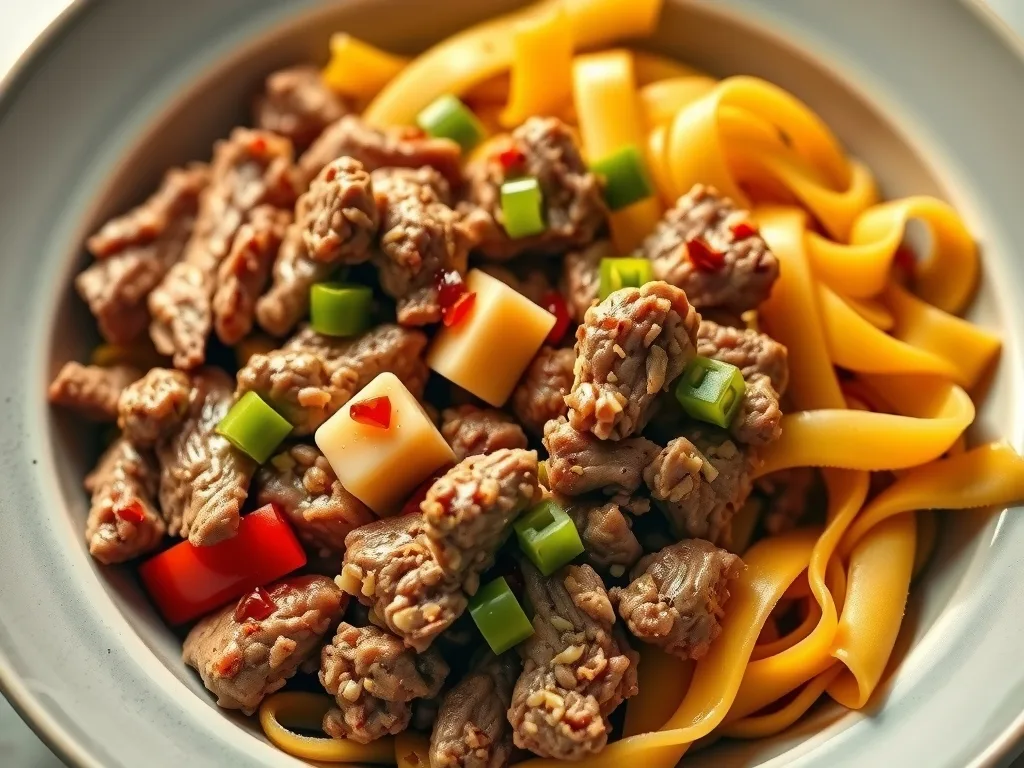
MongolianGround Beef Noodles: Easy, Flavorful One-Pan Dinner
Craving a hearty, Asian‑inspired meal that comes together in under 30 minutes? This Mongolian Ground Beef Noodles recipe delivers the sweet‑savory punch of classic Mongolian beef, but with the convenience of ground meat and a quick noodle toss. Perfect for busy weeknights or a relaxed weekend dinner, the dish brings together tender beef, aromatic ginger and garlic, and a glossy sauce that clings to every strand of linguini. The result is a satisfying bowl that feels indulgent yet is surprisingly simple to prepare—ideal for cooks who want big flavor without fuss.
What makes this recipe especially appealing to home cooks aged 40‑65+ is its balance of nutrition and ease. Ground beef provides a good source of protein and iron, while the sauce uses pantry staples like soy sauce, hoisin, and brown sugar to create depth without hard‑to‑find ingredients. By linguini noodles, you get a familiar texture that holds the sauce well, and the quick stir‑ fry method keeps the beef juicy and the noodles perfectly al dente. Whether you’re feeding a family or meal‑prepping for the week, this dish adapts beautifully to your schedule and taste preferences.
Alternate Names & Variations You may see this dish referred to as Mongolian beef ramen, spicy ground beef noodle stir fry, or ground beef lo mein when shared online. Each name highlights a slightly different twist: the ramen version often uses instant noodles for extra speed, the spicy variation adds chili oil or sriracha for heat, and the lo mein style leans on softer, egg‑based noodles. Feel free to experiment—swap the linguini for udon, rice noodles, or even spaghetti if that’s what you have on hand. Adding sliced bell peppers, snap peas, or shredded carrots introduces extra crunch and color, while a dash of sesame oil at the finish gives an authentic nutty aroma. ## Ingredients
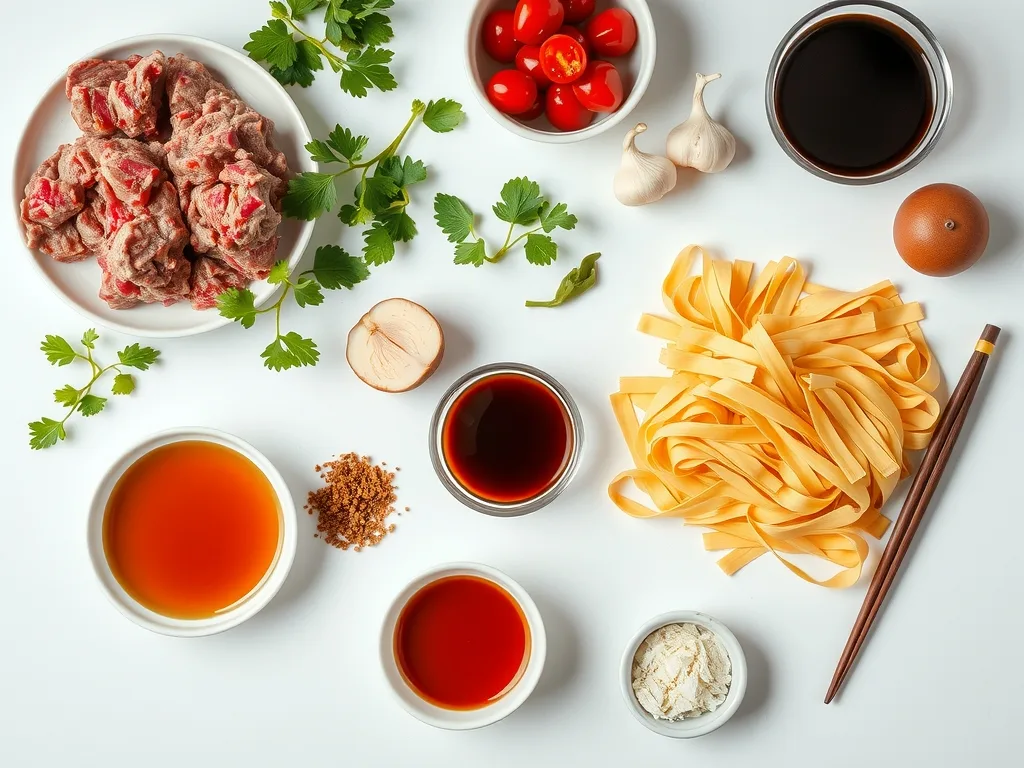
– 1 lb ground beef (80% lean)
– 1 Tbsp ginger paste – 5 tsp minced garlic (about 2 cloves)
– ½ cup beef broth (low‑sodium preferred)
– ½ cup soy sauce
– ¼ cup brown sugar – ⅓ cup hoisin sauce
– Freshly ground black pepper, to taste
– Red pepper flakes, to taste (optional for heat)
– 1 box (12 oz) linguini noodles
– 2 Tbsp vegetable oil (for sautéing) – 2 green onions, sliced (for garnish)
– 1 Tbsp sesame seeds (optional garnish)
Step-by-Step Instructions
1. Cook the noodles
Bring a large pot of salted water to a boil. Add the linguini and cook according to package directions until al dente, about 8‑10 minutes. Reserve ½ cup of the pasta water, then drain and set the noodles aside.
2. Brown the beef
While the noodles cook, heat 2 Tbsp vegetable oil in a large skillet or wok over medium‑high heat. Add the ground beef, breaking it up with a spatula. Cook, stirring occasionally, until the meat is no longer pink and begins to crisp, about 5‑6 minutes. For extra crispiness, let the beef sit undisturbed for 30‑second intervals before stirring.
3. Add aromatics
Push the beef to the side of the pan. Add the ginger paste and minced garlic to the empty spot; sauté for 30 seconds until fragrant, then mix into the beef.
4. Create the sauce
Pour in the beef broth, soy sauce, brown sugar, and hoisin sauce. Stir to combine, scraping up any browned bits from the bottom of the pan. Bring the mixture to a gentle simmer and let it reduce slightly, about 2‑3 minutes, until it thickens and coats the back of a spoon.
5. Combine noodles and sauce
Add the drained linguini to the skillet. Toss everything together, adding a splash of the reserved pasta water if the sauce seems too thick. Cook for another minute, allowing the noodles to absorb the flavors. Season with black pepper and red pepper flakes to taste. 6. Finish and serve
Remove from heat. Garnish with sliced green onions and sesame seeds if desired. Serve immediately, optionally with a side of steamed broccoli or a simple cucumber salad.
Chef’s Tips:
– For a deeper umami boost, substitute 1 Tbsp of the soy sauce with tamari or add a splash of fish sauce.
– If you prefer a sweeter profile, increase the brown sugar by 1 Tbsp; for tang, add 1 tsp rice vinegar.
– Ground turkey or chicken works well as a leaner alternative—just add a little extra oil to prevent sticking.
Recipe Card Reference
Prep Time: 10 minutes
Cook Time: 20 minutes
Total Time: 30 minutes
Servings: 4
Calories per serving: Approximately 480 kcal (based on 80% lean ground beef and standard linguini).
Why This Recipe Works & Expert Tips
The success of Mongolian Ground Beef Noodles hinges on three key elements: rapid high‑heat cooking, a balanced sweet‑savory sauce, and the noodle’s ability to cling to that sauce. By browning the ground beef quickly, we develop Maillard‑reaction flavors that give the dish its characteristic depth without overcooking the meat. The sauce’s combination of soy sauce (salty), hoisin (sweet‑spicy), brown sugar (caramel notes), and beef broth (umami) creates a harmonious glaze that thickens as it reduces, ensuring every noodle gets a glossy coat.
Using linguini provides a slightly chewy texture that holds up to the stir‑ fry motion, while the reserved pasta water acts as a natural thickening agent, preventing the sauce from becoming too thick or gummy. The aromatics—ginger and garlic—are added after the beef has rendered some fat, which mellows their raw bite and infuses the oil with fragrance.
For those watching sodium, opt for low‑sodium soy sauce and taste before adding extra salt; the hoisin and broth already contribute considerable savoriness. If you enjoy a bit of heat, increase the red pepper flakes or drizzle chili oil just before serving. Finally, a quick toss of sesame seeds and green onions at the end adds freshness and a pleasant nutty finish that elevates the dish from simple weeknight fare to restaurant‑worthy comfort food. ## Storage, Freezing, and Reheating
Allow the noodles to cool to room temperature before transferring them to an airtight container. Stored in the refrigerator, they stay fresh for up to three days. For longer preservation, place the cooled dish in a freezer‑safe bag or container, removing as much air as possible; it will keep for up to two months. To reheat, thaw overnight in the fridge if frozen, then warm in a skillet over medium heat with a splash of water or broth to loosen the sauce, stirring until heated through—about 4‑5 minutes. Microwave reheating works as well: cover the container with a damp paper towel and heat in 30‑second intervals, stirring between bursts, until hot. Avoid overcooking, as the noodles can become mushy; a quick refresh with a drizzle of soy sauce or a squeeze of lime can revive the flavors after storage.
People Also Ask ### What is Mongolian sauce made of?
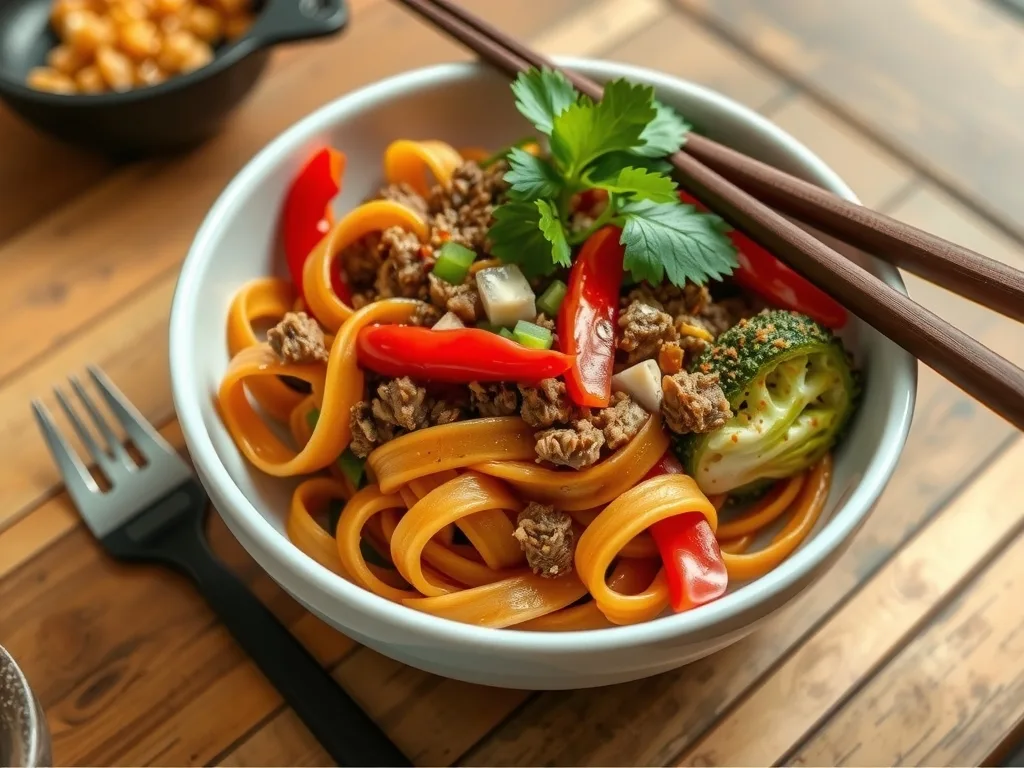
Mongolian sauce is a savory‑sweet blend typically consisting of soy sauce, hoisin sauce, brown sugar, garlic, ginger, and a liquid base such as beef broth or water. Some variations add rice vinegar for tang, chili paste for heat, or sesame oil for nutty depth. The sauce simmers briefly to thicken, creating a glossy coating that clings to meat and noodles. In this recipe, the balance of salty soy, sweet hoisin and brown sugar, plus aromatic ginger and garlic, delivers the classic Mongolian flavor profile without needing specialty ingredients.
What kind of noodles are best for this dish?
Linguini works exceptionally well because its flat, slightly thick shape holds the thick sauce while still offering a pleasant bite. However, you can substitute with spaghetti, fettuccine, or even Asian noodles like udon, rice noodles, or lo mein egg noodles. If using thinner noodles such as vermicelli, reduce the cooking time and toss them in the sauce just until heated to avoid over‑softening. For a gluten‑free option, try rice‑based linguini or shirataki noodles, adjusting the sauce thickness with extra broth as needed.
How do you get ground beef crispy?
Achieving crispy ground beef starts with a hot pan and minimal stirring. Heat the oil until shimmering, then add the beef in an even layer. Let it sit undisturbed for about 45‑60 seconds to develop a crust before breaking it up and stirring. Repeat this process a few times, allowing the meat to brown between stirs. Avoid overcrowding the pan—if necessary, cook the beef in batches. Draining excess fat after browning also helps the meat crisp rather than steam. ### Can I use ground turkey instead of beef?
Absolutely. Ground turkey (or chicken) makes a leaner alternative that still absorbs the sauce well. Because turkey is leaner, add an extra teaspoon of oil to the pan to prevent sticking and consider browning it a bit longer to develop flavor. You may also want to increase the soy sauce or hoisin slightly to compensate for the milder taste. The cooking steps remain the same, and the final dish will be just as delicious with a lighter nutritional profile.
Conclusion
Mongolian Ground Beef Noodles bring the beloved flavors of a take‑out favorite straight to your kitchen with minimal effort and maximum satisfaction. The quick‑cook method, pantry‑friendly ingredients, and adaptable noodle base make this dish a reliable go‑to for family meals, meal prep, or a cozy dinner for two. Give it a try, tweak the heat or sweetness to your liking, and enjoy the comforting aroma that fills your home. If you love this recipe, please share it on your favorite social platforms and tag us—we can’t wait to see your creations!
You Might Also Like
– Easy Mongolian Beef Ramen
– Spicy Ground Beef Noodle Stir Fry
– Ground Beef Lo Mein Recipe
– Mongolian Beef with Ground Beef
– One‑Pan Asian Beef and Broccoli
– Quick Ginger Garlic Noodle Bowl