
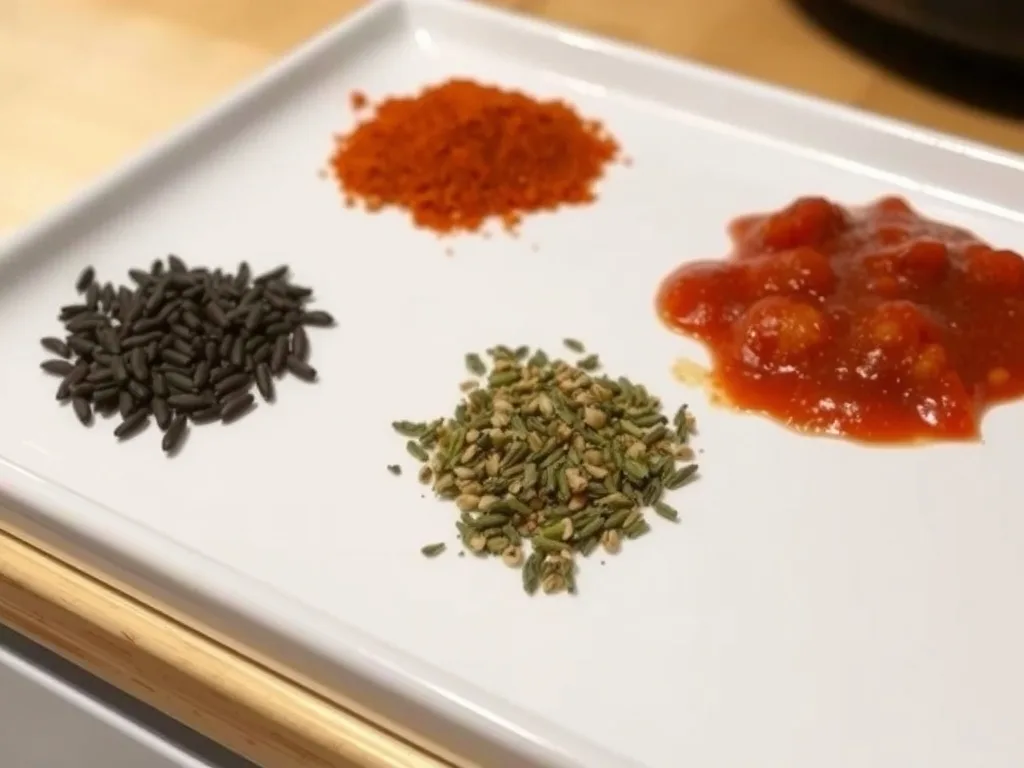
There’s something deeply satisfying about stirring a simmering pot of tomato sauce and watching the aromas of garlic, basil, and oregano fill the kitchen. For many home cooks over 40, a reliable pasta sauce seasoning is the secret weapon that transforms a simple can of tomatoes into a restaurant‑worthy marinara, a hearty meat sauce, or a quick weeknight dinner that feels like a hug in a bowl.
Whether you’re reviving a jarred sauce or starting from scratch with fresh tomatoes, having a balanced, homemade seasoning mix on hand saves time, reduces sodium, and lets you tailor the flavor to your family’s taste.
In this guide, we’ll walk you through creating a versatile pasta sauce seasoning that captures the classic Italian herb profile while offering flexibility for heat, sweetness, and depth. You’ll learn the exact ratios of dried onion flakes, garlic powder, basil, oregano, parsley, thyme, red pepper flakes, salt, pepper, and a touch of sugar to round out acidity.
We’ll also share chef‑tested tips for storing the blend, reviving store‑bought sauces, and adapting the mix for dietary preferences. By the end, you’ll have a go‑to seasoning that not only elevates every pasta dish but also becomes a staple in your pantry—ready to sprinkle, stir, and savor whenever comfort calls.
Alternate Names & Variations
When searching for the perfect pasta sauce seasoning, you’ll encounter several overlapping terms that point to the same flavor foundation. Homemade spaghetti sauce seasoning mix is often used interchangeably with pasta sauce seasoning, especially when the blend is intended for long‑simmered meat sauces. An Italian seasoning blend typically emphasizes basil, oregano, rosemary, marjoram, and thyme, but omits the onion and garlic powders that give our mix its savory backbone.
Some cooks refer to the mixture as a tomato sauce herb mix or a red sauce seasoning, highlighting its role in balancing the acidity of crushed tomatoes.
Variations abound depending on regional preferences and personal heat tolerance. A Sicilian‑style version might add a pinch of fennel seeds and a dash of dried citrus zest for bright, aromatic notes. For a Southern‑Italian twist, increase the crushed red pepper flakes to 1 tsp or add a smoky hint with a quarter teaspoon of smoked paprika.
If you prefer a low‑sodium option, cut the salt in half and boost flavor with extra dried mushrooms or a splash of balsamic vinegar during cooking. Finally, a sugar‑free adaptation simply omits the granulated sugar, relying on the natural sweetness of caramelized onions or a grated carrot to counteract acidity.
Ingredients: Pasta Sauce Seasoning
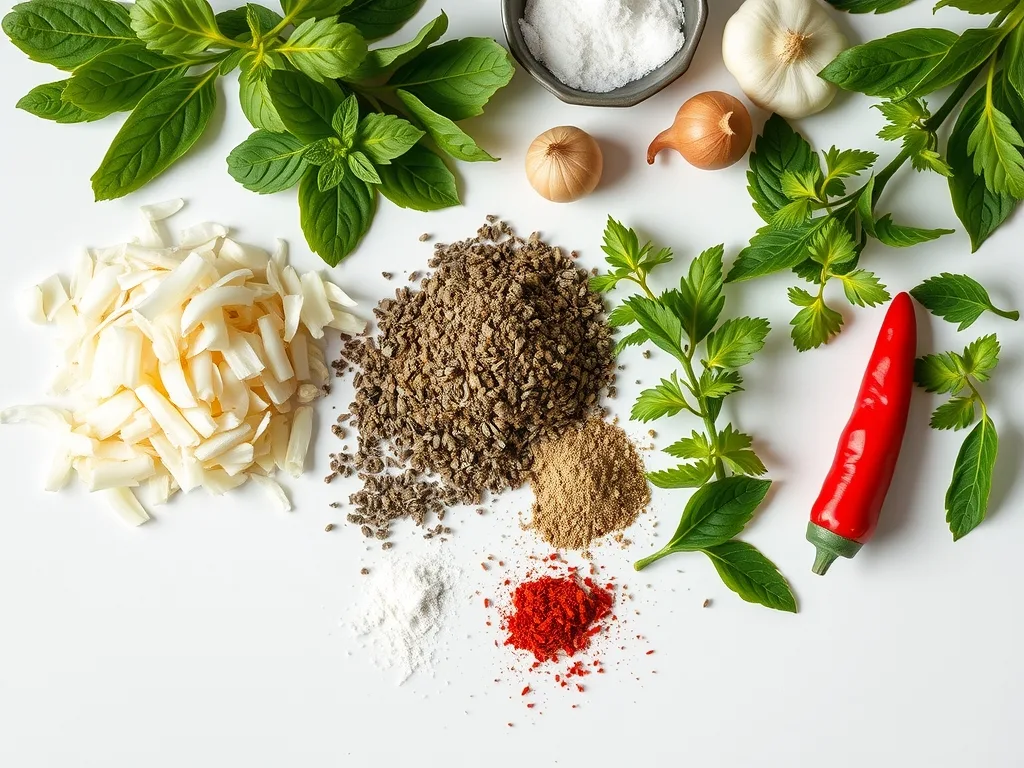
- ½ cup dried onion flakes – sweet, aromatic base that builds depth without fresh onion moisture
- ½ cup garlic powder – concentrated garlicky punch that distributes evenly throughout the sauce
- ½ cup dried basil – classic sweet‑herb note that defines Italian tomato sauces
- ¼ cup dried oregano – earthy, slightly bitter counterpoint to basil’s sweetness
- ¼ cup dried parsley – fresh, grassy lift that brightens the blend
- 2 tsp dried thyme – subtle woodsy undertone that rounds out the herb profile
- 2 tsp crushed red pepper flakes (optional) – adjustable heat for those who enjoy a kick
- 2 tsp salt – enhances all flavors; adjust to taste or dietary needs
- 1 tsp black pepper – mild warmth and complexity
- 2 tsp sugar – balances tomato acidity; can be swapped for honey or omitted
Step‑by‑Step Instructions: Pasta Sauce Seasoning
- 1. Gather and measure all ingredients using a dry measuring cup for the flakes and powders, and measuring spoons for the smaller amounts. Accuracy ensures a balanced flavor every time.
- 2. Combine the dry ingredients in a large mixing bowl. Add the dried onion flakes, garlic powder, basil, oregano, parsley, thyme, red pepper flakes (if using), salt, black pepper, and sugar.
- 3. Mix thoroughly with a whisk or spoon until the blend appears uniform, with no clumps of garlic powder or onion flakes settling at the bottom.
- 4. Test the aroma by pinching a small amount between your fingers and inhaling. The scent should be sweet‑herbaceous with a hint of garlic; adjust salt or pepper if needed.
- 5. Transfer to an airtight container—a glass jar with a tight‑fitting lid works best. Label with the date and “Pasta Sauce Seasoning – Use within 6 months for peak potency.”
- 6. Store in a cool, dark place such as a pantry or cupboard, away from direct sunlight and heat sources that can degrade the dried herbs.
- 7. To use, start with 1‑2 tablespoons of the seasoning per 24‑ounce jar of marinara or per 4 cups of crushed tomatoes. Stir in early during simmering to allow the flavors to meld, then taste and adjust after 10‑15 minutes of cooking.
*Chef’s Tip:* For a richer mouthfeel, sauté the seasoning in a tablespoon of olive oil for 30 seconds before adding tomatoes; this “blooms” the dried herbs and releases essential oils.
*Substitution:* If you lack dried onion flakes, use ¼ cup onion powder and increase the garlic powder to ¾ cup to maintain bulk.
Recipe Card Reference: Pasta Sauce Seasoning
This homemade pasta sauce seasoning comes together in under 10 minutes of active prep time, with no cooking required beyond the optional blooming step. The mix yields roughly 2 cups, enough to season approximately 8‑10 jars of sauce or multiple batches of homemade tomato sauce. Each tablespoon provides approximately 15 calories, negligible fat, 1 g of carbohydrates (mostly from sugar and fiber), and less than 1 g of protein.
Because the blend is sodium‑controlled at about 300 mg per tablespoon, you can easily adapt it to low‑sodium diets by halving the salt and boosting flavor with extra herbs or a splash of unsalted tomato paste.
Why This Recipe Works & Expert Tips: Pasta Sauce Seasoning
The success of this seasoning lies in the synergy between aromatic base notes and herbaceous top notes. Dried onion flakes and garlic powder provide a savory umami foundation that mimics the soffritto of finely chopped onions and garlic sautéed in olive oil—a classic flavor builder in Italian cooking. By using the dried versions, we eliminate excess water that could dilute the sauce and ensure even distribution throughout the pot.
The herb quartet of basil, oregano, parsley, and thyme mirrors the traditional Italian seasoning profile while adding layers: basil offers sweet, slightly peppery notes; oregano contributes a robust, earthy bitterness; parsley lifts the mix with fresh, grassy brightness; and thyme adds a subtle woodsy depth that holds up during long simmers.
A modest amount of sugar (or alternative sweetener) neutralizes the natural acidity of tomatoes, preventing a sharp, metallic aftertaste without making the sauce noticeably sweet. The crushed red pepper flakes are optional but highly recommended for those who appreciate a gentle heat that enhances perception of other flavors—a principle known as flavor contrast.
- *Expert Tip 1:* Bloom the seasoning in hot oil before adding liquids. This step unlocks volatile oils in the dried herbs, resulting in a more aromatic sauce.
- *Expert Tip 2:* If you’re using fresh tomatoes, increase the seasoning by 25 % to compensate for their higher water content and milder flavor.
- *Expert Tip 3:* For a richer, deeper sauce, add a teaspoon of anchovy paste or a splash of red wine alongside the seasoning; the umami boost complements the garlic and onion base beautifully.
- *Expert Tip 4:* Keep a small batch of the seasoning in the refrigerator for up to three months if you live in a humid climate; cold storage slows oxidation of the herbs and preserves potency.
Storage, Freezing, and Reheating
Store your pasta sauce seasoning in an airtight glass jar placed in a dark, cool pantry. Properly sealed, the blend retains peak flavor for six months; after that, the herbs may lose potency but remain safe to use. If you live in a warm or humid environment, consider storing the jar in the refrigerator to extend freshness up to a year.
There’s no need to freeze the dry seasoning itself—freezing can introduce moisture when the jar is opened, leading to clumping. Instead, freeze pre‑seasoned sauce in portion‑sized freezer bags or containers. Cool the sauce completely, then lay bags flat to freeze; they’ll stack neatly and thaw quickly in the refrigerator or under cold running water.
When reheating frozen sauce, thaw it overnight in the fridge, then warm gently over medium‑low heat, stirring occasionally. If the sauce seems thick after freezing, add a splash of water, broth, or reserved pasta cooking liquid to reach the desired consistency. Taste and adjust seasoning after reheating, as freezing can mute flavors slightly; a pinch more of your homemade blend or a drizzle of olive oil often revives the sauce beautifully.
People Also Ask: Pasta Sauce Seasoning
What is a good seasoning for pasta sauce?
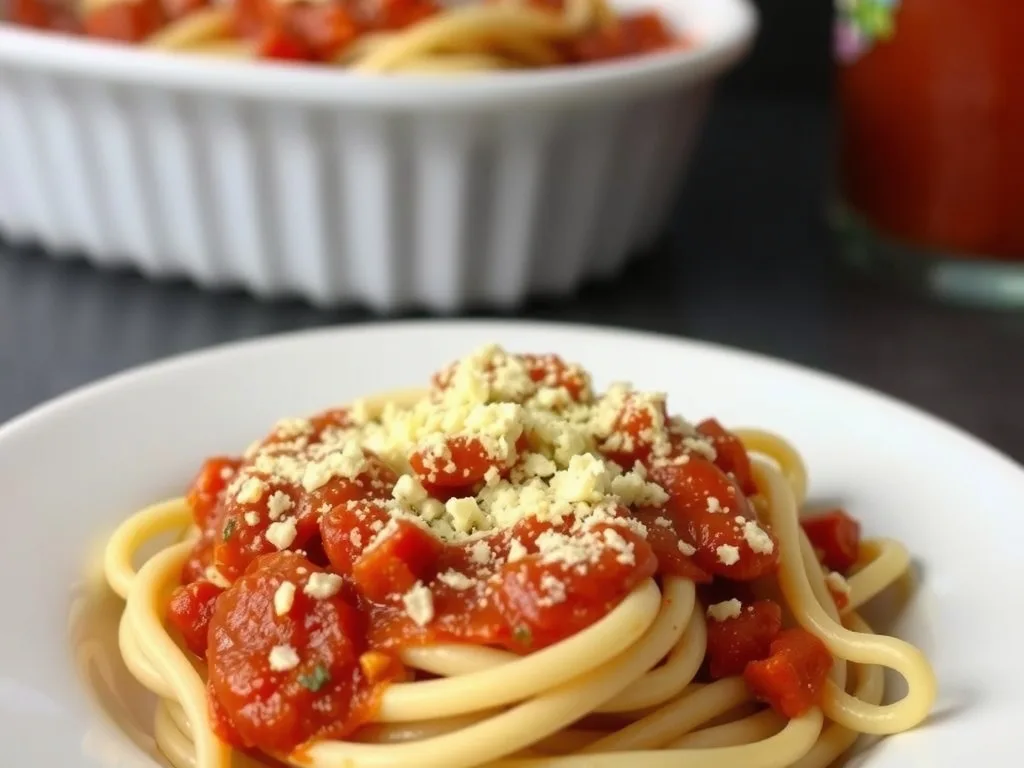
A good seasoning for pasta sauce balances savory, herbal, sweet, and optionally spicy elements. The foundation typically includes dried onion and garlic for depth, basil and oregano for classic Italian aroma, parsley for brightness, and thyme for earthiness. A touch of sugar or honey counters tomato acidity, while crushed red pepper flakes add adjustable heat.
This combination creates a versatile blend that enhances both store‑bought jars and homemade tomato sauces without overpowering the dish.
How can I make my jarred pasta sauce taste better?
Elevate jarred sauce by first warming it in a saucepan, then sautéing a teaspoon of your homemade pasta sauce seasoning in a tablespoon of olive oil for 30 seconds to bloom the herbs. Add the sauce and simmer for 10‑15 minutes, allowing the flavors to meld.
Finish with a splash of fresh basil, a grind of black pepper, and, if desired, a knob of butter or a drizzle of extra‑virgin olive oil for richness. For extra depth, stir in a spoonful of grated Parmesan or a splash of red wine while the sauce simmers.
What herbs go well in a red sauce?
The herbs that shine in a red tomato sauce are basil, oregano, parsley, thyme, and marjoram. Basil provides sweet, aromatic notes that are quintessential to Italian cuisine; oregano offers a robust, slightly bitter counterpoint; parsley adds a fresh, grassy lift; thyme contributes a subtle woodsy background; and marjoram (if available) delivers a delicate, floral sweetness.
Combining these in balanced proportions—such as the ratio in our seasoning—creates a harmonious herb profile that complements the acidity of tomatoes without overwhelming them.
Should you add sugar to pasta sauce?
Yes, a small amount of sugar is beneficial in pasta sauce because it neutralizes the natural acidity of tomatoes, resulting in a smoother, more rounded flavor. Typically, 1‑2 teaspoons of sugar per 24‑ounce jar or per 4 cups of crushed tomatoes is sufficient; you can adjust to taste. If you prefer to avoid refined sugar, alternatives like honey, grated carrot, or a splash of balsamic vinegar can achieve a similar balancing effect while adding subtle complexity.
Conclusion: Pasta Sauce Seasoning
Creating your own pasta sauce seasoning is a simple yet powerful way to take control of flavor, health, and convenience in your kitchen. With just a handful of pantry staples, you can craft a blend that rivals any store‑bought mix, adapts to your taste preferences, and stays ready to elevate every pasta night, soup, or stew. Give it a try, label your jar with pride, and watch how a pinch of this homemade magic transforms ordinary meals into memorable gatherings.
If you enjoyed this guide, please share it on your favorite social platforms and tag a friend who loves cooking with confidence. Your feedback helps us create more useful, flavorful content for home cooks like you.
You Might Also Like:
- Amish Tomato Pie – The Best Comfort Dish to Try This Summer
- Smoked Meatloaf Recipe: Juicy & Flavorful
- Best Spicy Cajun Salmon Recipe – Quick & Flavorful Dinner Idea! 🐟🌶️✨
- Ultimate CrackerBarrel Meatloaf Recipe – Easy & Comforting Dish!
Find Us On Pinterest and Facebook.
Print
Pasta Sauce Seasoning
- Total Time: 5 minutes
- Yield: About 2 cups 1x
- Diet: Vegan
Description
Elevate your homemade pasta sauces with this aromatic Pasta Sauce Seasoning blend! Made with dried onion, garlic, basil, oregano, parsley, and a hint of red pepper flakes, this versatile mix brings authentic Italian flavor to marinara, bolognese, or pizza sauce. Gluten-free, vegan, and ready in 5 minutes — keep a jar in your pantry to transform canned tomatoes into a gourmet sauce in seconds.
Ingredients
- ½ cup dried onion flakes
- ½ cup garlic powder
- ½ cup dried basil
- ¼ cup dried oregano
- ¼ cup dried parsley
- 2 tsp dried thyme
- 2 tsp crushed red pepper flakes (optional for heat)
- 2 tsp salt
- 1 tsp black pepper
- 2 tsp sugar
Instructions
- In a large mixing bowl, combine all ingredients: dried onion flakes, garlic powder, dried basil, dried oregano, dried parsley, dried thyme, crushed red pepper flakes (if using), salt, black pepper, and sugar.
- Stir or whisk thoroughly until evenly distributed.
- Transfer the seasoning blend to an airtight jar or container.
- Store in a cool, dry place away from direct sunlight.
- To use: add 1-2 tablespoons of seasoning per 24-ounce jar of crushed tomatoes or your favorite sauce base. Simmer for 10-15 minutes to allow flavors to meld.
Notes
Tips: Toast the dried herbs in a dry skillet for 1 minute before mixing for extra depth. Adjust salt and red pepper flakes to taste. Substitutions: Use dried chives instead of onion flakes. Add 1 tbsp dried marjoram or rosemary for variation. Storage: Keeps in an airtight container for up to 6 months. Shake or stir before each use.
- Prep Time: 5 minutes
- Cook Time: 0 minutes
- Category: B
- Method: Mix
- Cuisine: Italian
Nutrition
- Serving Size: 1 teaspoon
- Calories: 8
- Sugar: 0.5g
- Sodium: 95mg
- Fat: 0.2g
- Saturated Fat: 0g
- Unsaturated Fat: 0.1g
- Trans Fat: 0g
- Carbohydrates: 1.8g
- Fiber: 0.6g
- Protein: 0.4g
- Cholesterol: 0mg
Keywords: pasta seasoning, Italian seasoning, homemade spice blend, sauce seasoning