
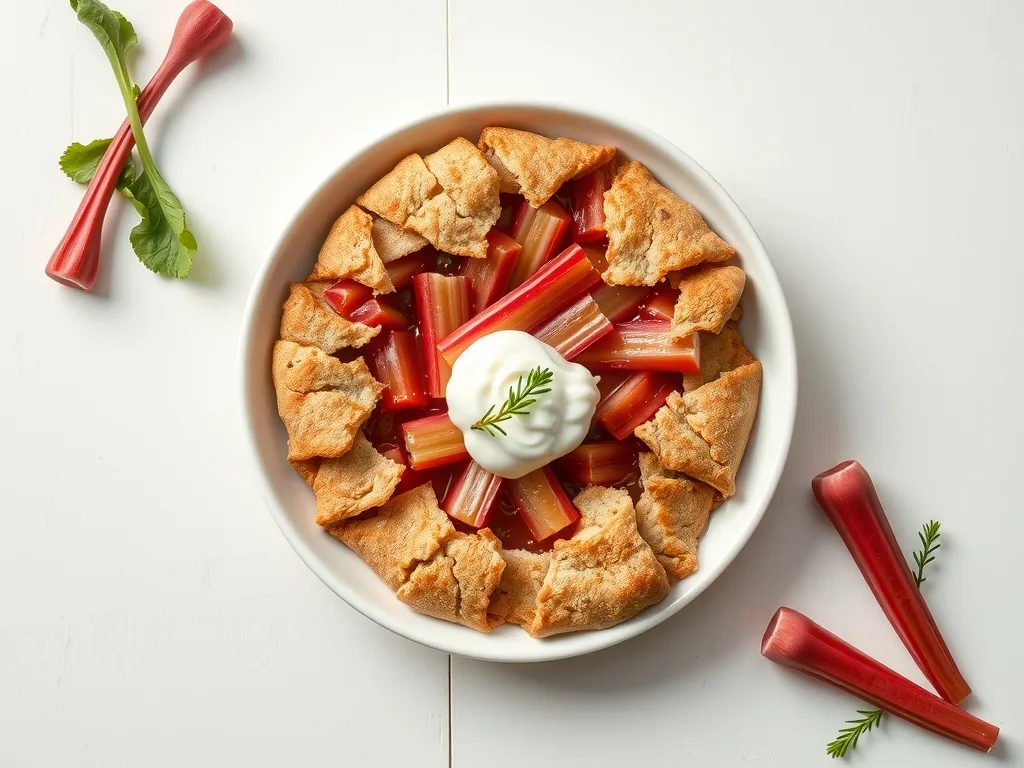
Rhubarb Galette: EasyRustic Rhubarb Pastry Recipe
Welcome to your go‑to guide for a show‑stopping rhubarb galette that balances tart garden‑fresh rhubarb with a buttery, flaky crust. If you’ve ever wanted a dessert that feels both rustic and elegant—perfect for a spring brunch, an afternoon tea, or a cozy weekend treat—this recipe delivers. The humble galette is a free‑form pie that celebrates imperfection, letting the vibrant pink‑red stalks peek through a golden‑brown pastry edge. With just a handful of pantry staples and a short bake time, you’ll have a warm, aromatic slice that pairs beautifully with vanilla ice cream or a dollop of lightly sweetened whipped cream. Throughout this article, you’ll discover why this easy rhubarb galette recipe works, how to tweak it for almond‑infused variations, and expert tips to keep the filling from leaking while preserving that coveted rustic charm.
Rhubarb’s bright acidity mellows when tossed with a touch of sugar, ginger juice, and a whisper of kosher salt, creating a filling that sings without overwhelming the palate. The refrigerated piecrusts keep prep effortless, while a brushed egg wash and sprinkle of turbinado sugar give the crust a gorgeous, caramelized finish. Whether you’re a seasoned baker or a newcomer to pastries, the step‑by‑step instructions below break down each stage—from prepping the rhubarb to achieving that perfect golden hue—so you can confidently serve a dessert that looks as good as it tastes. Let’s dive into the world of galettes and learn how to turn simple ingredients into a memorable centerpiece for your table.
Alternate Names & Variations A galette by any other name is still a delightfully rustic pastry, and you’ll often see it referred to as a “free‑form tart,” “rustic pie,” or “open‑face pie.” In French cuisine, the term *galette* encompasses a broad range of flat, round cakes, but in the American baking world it has become synonymous with the casual, fruit‑filled pastry we’re making today. If you love the idea of adding nutty depth, consider a rhubarb and almond galette: simply fold in ¼ cup of almond flour or sprinkle sliced toasted almonds over the filling before baking. For a spiced twist, a pinch of ground cardamom or cinnamon complements the ginger juice beautifully, while a splash of orange zest brightens the profile.
Those seeking a gluten‑free version can swap the refrigerated piecrusts for a gluten‑free pie dough or a blend of almond flour and oat flour, adjusting the liquid as needed. Vegan bakers can replace the egg wash with a mixture of plant‑based milk and a touch of maple syrup, and use vegan butter for the cubes. No matter which path you choose, the core technique—rolling the dough, piling the filling, and folding the edges—remains the same, guaranteeing that beautiful, imperfect edge that makes a galette so inviting.
Ingredients
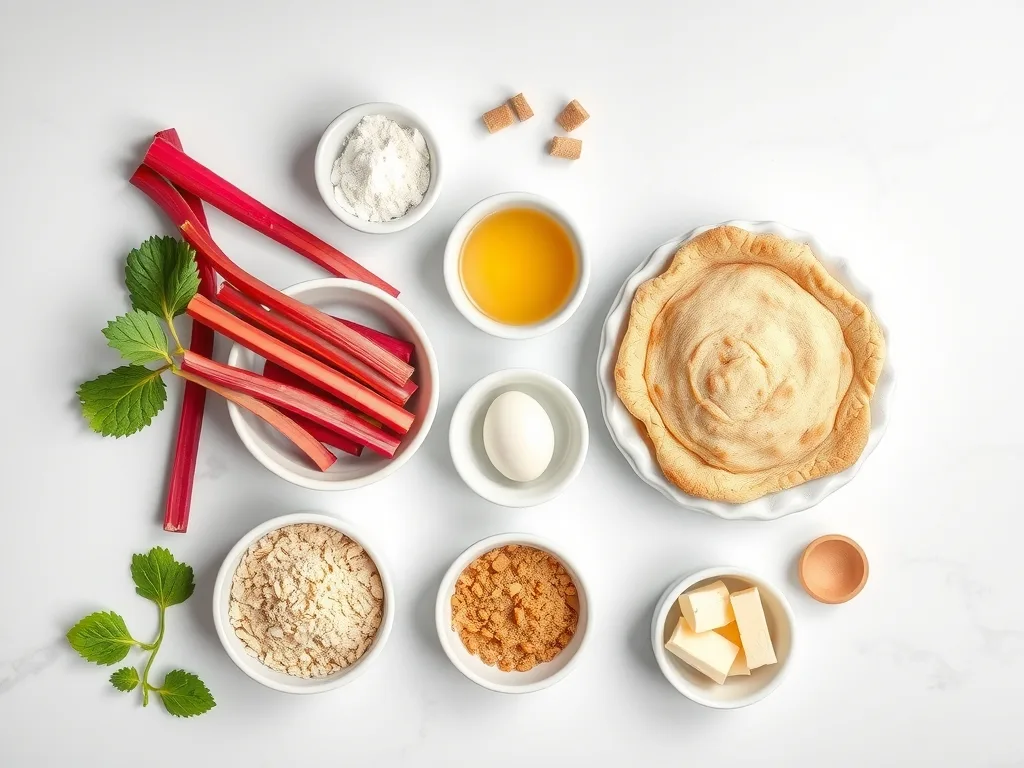
– 1 lb. fresh rhubarb, trimmed and cut into 2‑inch slices (about 4 cups)
– ¼ cup granulated sugar, plus extra for sprinkling
– 1 Tbsp. ginger juice (freshly grated ginger, strained)
– ¼ tsp. kosher salt – 1 (14.1‑oz.) pkg. refrigerated piecrusts (2 sheets)
– 1 large egg, lightly beaten (for egg wash) – 3 Tbsp. turbinado sugar, divided (2 Tbsp. for the crust, 1 Tbsp. for the filling)
– 2 Tbsp. cold unsalted butter, cut into small cubes – 12 amaretto cookies, finely crushed (optional, for almond‑note variation)
*Note: The script will automatically place an image immediately after this header.*
Step-by-Step Instructions
1. Preheat the oven to 400 °F (200 °C). Line a large baking sheet with parchment paper or a silicone mat.
2. Prepare the rhubarb filling: In a medium bowl, combine the sliced rhubarb, granulated sugar, ginger juice, kosher salt, and 1 Tbsp. of turbinado sugar. Toss gently to coat; let sit for 10 minutes while you work on the crust. This maceration draws out excess juice, helping prevent a soggy bottom.
3. Roll out the dough: Unroll one piecrust sheet onto the prepared sheet. If using two sheets, overlap them slightly to form a larger circle (about 12‑inch diameter). Lightly flour the surface if needed to prevent sticking.
4. Add the filling: Using a slotted spoon, transfer the rhubarb mixture to the center of the dough, leaving a 2‑inch border all around. Discard any excess liquid that has accumulated in the bowl. Sprinkle the crushed amaretto cookies (if using) over the rhubarb for an almond‑infused twist.
5. Dot with butter: Scatter the cold butter cubes evenly over the filling. The butter will melt during baking, creating little pockets of richness that enhance flavor and help seal the edges. 6. Fold the edges: Gently lift the dough border and pleat it over the filling, working your way around the circle. The folds should overlap slightly, creating a rustic, uneven edge that exposes the filling in the center.
7. Egg wash and sugar: Brush the exposed dough with the beaten egg, then sprinkle the remaining 2 Tbsp. of turbinado sugar over the crust. This gives the galette its signature golden sparkle and a delicate crunch.
8. Bake: Slide the sheet into the preheated oven and bake for 35‑40 minutes, or until the crust is deep golden brown and the rhubarb is tender when pierced with a knife. If the edges brown too quickly, shield them with foil halfway through baking.
9. Cool slightly: Remove the galette from the oven and let it rest on the baking sheet for 10‑15 minutes. This allows the juices to thicken, making slicing cleaner.
10. Serve: Cut into generous wedges and serve warm, optionally topped with vanilla ice cream, whipped cream, or a drizzle of honey.
*Chef’s tip:* For an extra‑flaky crust, chill the rolled‑out dough for 10 minutes before adding the filling. The cold butter creates steam pockets as it melts, lifting the layers. *Substitutions:* Use store‑bought shortcrust pastry or homemade pâte brisée if you prefer. Replace ginger juice with ½ tsp. ground ginger for a spicier note, or omit it entirely for a more classic rhubarb flavor.
Recipe Card Reference
This easy rhubarb galette recipe comes together in about 20 minutes of active prep, with a hands‑off bake time of 35‑40 minutes, yielding approximately 8 generous servings. Each slice contains roughly 220 calories, depending on the exact brands of crust and sweeteners used, making it a satisfying yet moderate indulgence. The prep includes washing and slicing the rhubarb, mixing the filling, and assembling the pastry, while the cook time covers the oven bake that transforms the raw dough into a golden, flaky masterpiece. Keep an eye on the crust’s color toward the end of baking; a deep amber hue signals perfect caramelization of the turbinado sugar.
Why This Recipe Works & Expert Tips
The success of this galette hinges on three key factors: moisture management, temperature control, and flavor balance. First, tossing the rhubarb with sugar and letting it sit draws out excess liquid, which you then discard before assembling. This step prevents a soggy bottom—a common pitfall with juicy fruit fillings. Second, starting the bake at a high temperature (400 °F) creates an immediate blast of heat that sets the crust’s edges quickly, locking in steam and promoting lift. The butter cubes melt gradually, enriching the filling while also helping to seal any tiny gaps in the folded dough.
Flavor-wise, the ginger juice adds a subtle zing that cuts through the rhubarb’s tartness without overwhelming it, while the turbinado sugar provides a mild molasses note that deepens the crust’s color and taste. If you opt for the amaretto cookie addition, you introduce a whisper of almond and a pleasant crumbly texture that contrasts nicely with the tender fruit.
For those who love a rhubarb and almond galette, increase the almond flour to ¼ cup and reduce the granulated sugar by 1 tablespoon to keep the sweetness in check. Toasted sliced almonds scattered over the filling before folding add both visual appeal and a nutty crunch. Remember to adjust the baking time by a couple of minutes if you add extra wet ingredients, as the crust may need a bit longer to achieve that perfect golden finish.
Storage, Freezing, and Reheating
Allow the galette to cool completely before storing; this prevents condensation from making the crust soggy. Place leftovers in an airtight container or wrap the baking sheet tightly with plastic wrap and refrigerate for up to three days. To reheat, warm individual slices in a 350 °F oven for 8‑10 minutes, or until heated through and the crust regains its crispness. Mic reheating is possible for speed, but it will soften the pastry, so the oven method is preferred for texture preservation.
If you’d like to freeze the galette for later enjoyment, bake it fully, let it cool, then wrap the entire pastry securely in a double layer of foil followed by a freezer‑safe bag. It will keep for up to two months. When ready to serve, thaw overnight in the refrigerator, then reheat in a 350 °F oven for 12‑15 minutes, covering the edges with foil if they begin to brown too quickly. The result is a dessert that tastes almost as fresh as the day it was baked.
People Also Ask ### What is the difference between a galette and a tart?
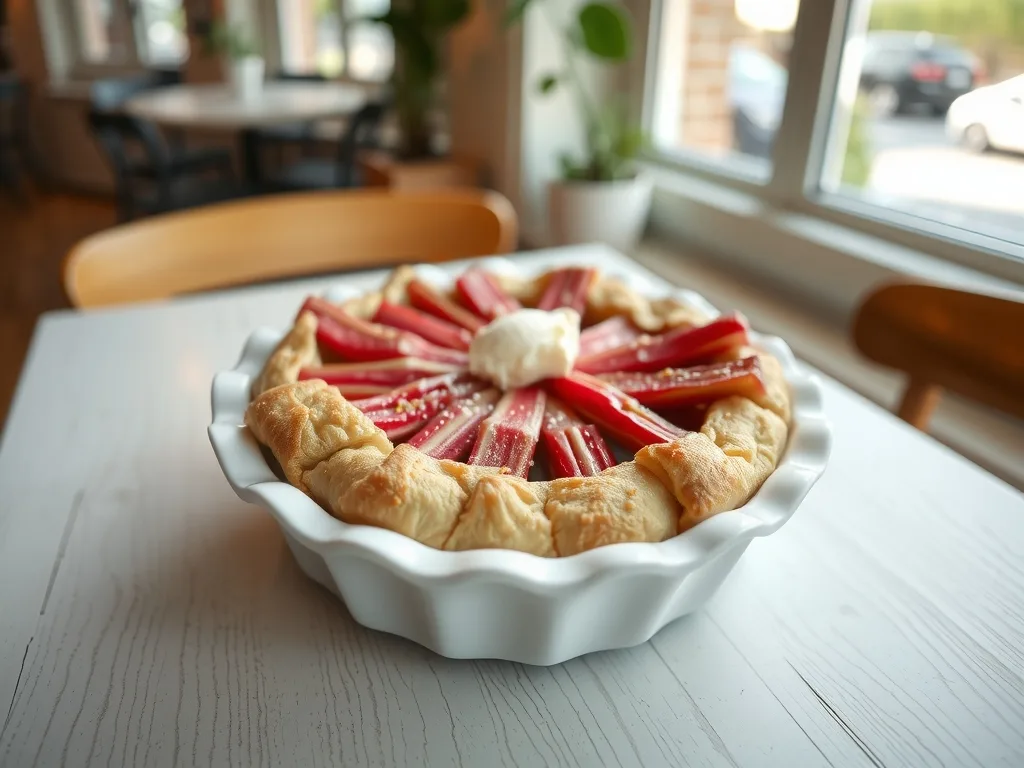
A galette is a rustic, free‑form pastry where the dough is folded over the filling, leaving the center exposed. This creates a casual, imperfect edge that highlights the fruit. A tart, by contrast, is baked in a firm tart pan with a defined crust that fully encases the filling, resulting in a neat, polished appearance. Because galettes lack a rigid mold, they’re quicker to assemble and often have a higher crust‑to‑filling ratio, giving each bite a satisfying buttery crunch.
How do you keep a galette from leaking?
The key to preventing leaks is managing moisture and creating a barrier. Start by macerating the rhubarb with sugar and salt, then discard the excess liquid before assembling. A thin layer of crushed cookies, almond flour, or a sprinkle of ground nuts on the dough acts as a absorbent shield, soaking up any juice that escapes during baking. Additionally, dotting the filling with cold butter creates little pockets of fat that help seal the edges as they melt, reducing the chance of a soggy bottom. ### Do you need to pre-bake a galette crust?
No, a traditional galette does not require pre‑baking (also known as blind baking). The dough is rolled directly onto the baking sheet, topped with the filling, and folded over. The oven’s heat cooks the crust and filling simultaneously, allowing the edges to brown while the interior becomes tender. Pre‑baking would dry out the crust and make it difficult to fold properly, so the fresh‑dough method is preferred for this rustic style.
What is the best pastry for a galette?
A high‑quality, all‑butter pie crust delivers the flakiest, most flavorful base for a galette. Refrigerated piecrusts work well for convenience, but homemade pâte brisée—made with flour, cold butter, a pinch of salt, and just enough water to bring the dough together—yields superior layers. For gluten‑free needs, a blend of almond flour and oat flour with a touch of xanthan gum mimics the tenderness of wheat‑based dough while keeping the structure intact.
Conclusion
There’s something undeniably comforting about pulling a warm rhubarb galette from the oven, its golden crust glistening with sugar and the scent of tart rhubarb mingling with ginger filling the kitchen. This easy rhubarb galette recipe proves that impressive desserts don’t have to be fussy; a few simple ingredients, a little patience, and a love for rustic baking are all you need to create a show‑stopping centerpiece. We hope you’ll give it a try, experiment with almond or spice variations, and share your beautiful slices with family and friends. If you enjoyed this guide, please pin it to your Pinterest board, leave a comment on Facebook, and tag us in your galette creations—we love seeing how you make this recipe your own! ## You Might Also Like
– Easy Strawberry Rhubarb Galette
– Rustic Peach and Almond Tart
– Classic Apple Pie with Lattice Crust
– Vegan Blueberry Galette
– Lemon Thyme Shortbread Cookies
– Ginger‑Infused Poached Pears