
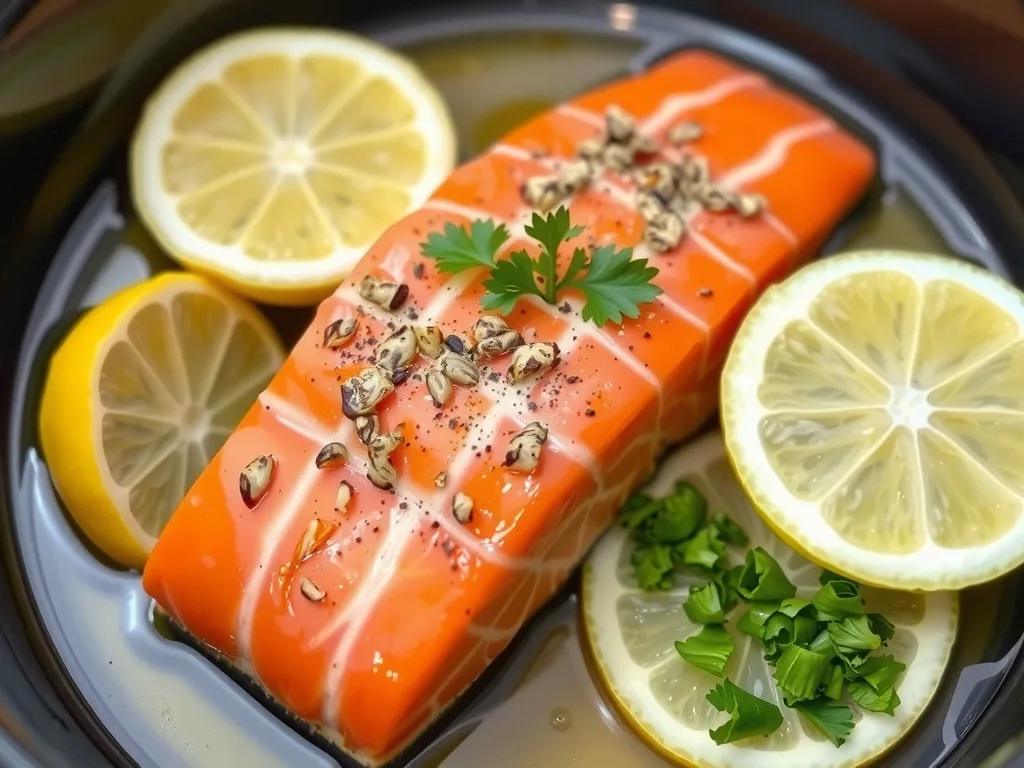
Discover the magic of cooking salmon with precision using the sous vide method. This technique locks in moisture, flavor, and nutrients, delivering a restaurant‑quality fillet that’s buttery‑soft on the inside and lightly caramelized on the outside when finished with a quick sear. Whether you’re preparing a weeknight dinner for the family or an elegant entrée for guests, this sous vide salmon recipe guarantees consistent results every time—no guesswork, no overcooked edges, just pure, melt‑in‑your‑mouth goodness.
The beauty of sous vide lies in its simplicity: seal the salmon in a bag with aromatics, immerse it in a temperature‑controlled water bath, and let science do the rest. You’ll emerge with a perfectly pink center that flakes at the slightest touch, infused with lemon, garlic, and fresh dill. Follow along as we walk through each step, share expert tips, and answer the most common questions so you can confidently serve salmon that’s both healthy and indulgent.
Alternate Names & Variations
While the classic preparation shines with lemon and dill, there are countless ways to put your own spin on sous vide salmon. Some home cooks call it “low‑temp salmon,” “precision‑cooked salmon,” or simply “vacuum‑sealed salmon.” Feel free to swap the citrus for lime or orange zest, exchange dill for tarragon, thyme, or even a touch of rosemary for an earthier profile. For a Asian‑inspired twist, add a splash of soy sauce, grated ginger, and a drizzle of sesame oil to the bag before sealing.
If you enjoy a bit of heat, sprinkle in red‑pepper flakes or a thin slice of jalapeño. The base method remains the same, allowing you to experiment while still achieving that flawless, tender texture.
Ingredients
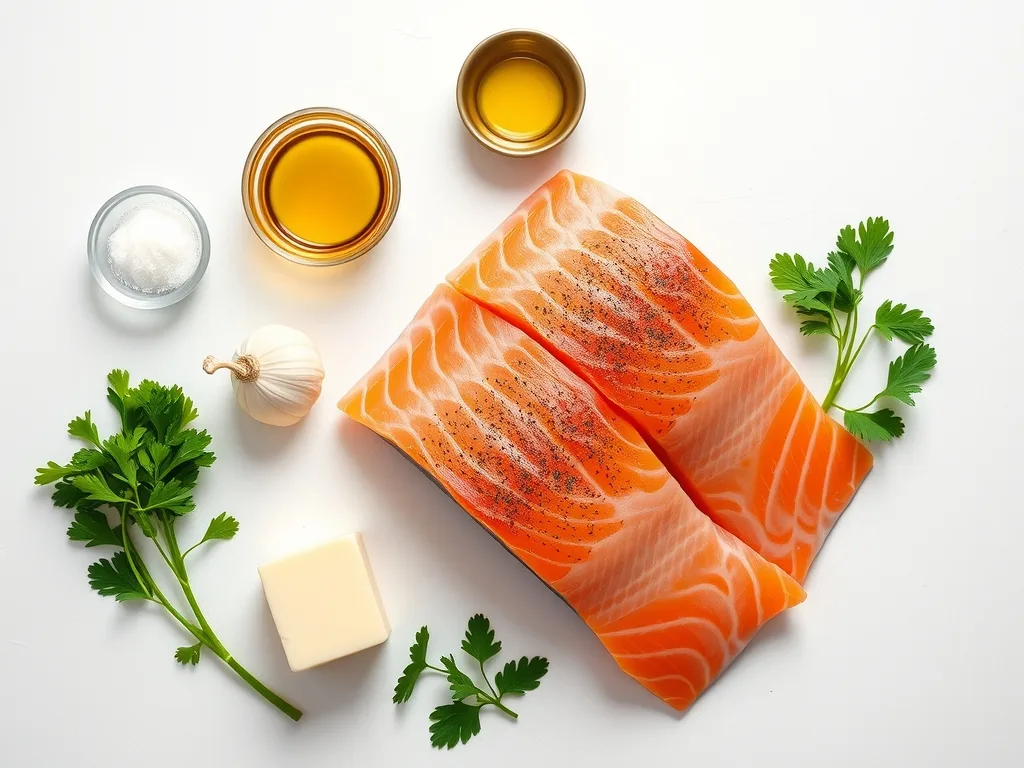
- – 1 pound (2 fillets) fresh salmon, skin‑on or skin‑less, about 6‑ounce each
- – 1 teaspoon kosher salt
- – 1 teaspoon freshly ground black pepper
- – 2 cloves garlic, peeled and lightly smashed
- – 1 tablespoon extra‑virgin olive oil
- – Juice of ½ lemon (about 1 tablespoon)
- – 2 tablespoons unsalted butter, cut into small pieces
- – 2 tablespoons chopped fresh parsley (plus extra for garnish)
- – Optional: 1 teaspoon lemon zest, 1 teaspoon chopped fresh dill, or ½ teaspoon smoked paprika for added flavor *Note: The script will place an image immediately after this section.*
Step-by-Step Instructions
1. Prep the water bath – Fill a large pot or sous vide container with water, attach your immersion circulator, and set the temperature to 122 °F (50 °C) for a medium‑rare, buttery finish (adjust per the temperature chart below if you prefer firmer flesh).
2. Season the salmon – Pat the fillets dry with paper towels. Rub each side evenly with salt, pepper, and optional lemon zest or smoked paprika. Place the garlic cloves on top of the fillets.
3. Bag the salmon – Lay the seasoned salmon in a single layer inside a high‑quality zip‑top vacuum bag or a reusable silicone pouch. Add the olive oil, lemon juice, butter pieces, and chopped parsley (and dill if using). If using a zip‑top bag, employ the water‑displacement method: slowly lower the bag into the water bath, letting pressure push out air, then seal just above the water line. 4. Sous vide cook – Submerge the sealed bag completely, ensuring it stays flat (use a sous vide rack or a clip to prevent floating). Cook for 45 minutes for 1‑inch thick fillets; increase to 1 hour for thicker cuts up to 1½ inches.
5. Finish with a sear (optional but recommended) – Remove the bag from the water bath, transfer the salmon to a plate, and pat the surface dry with paper towels. Heat a skillet over medium‑high heat, add a teaspoon of oil, and place the salmon skin‑side down (if skin‑on) for 45‑60 seconds until golden. Flip and sear the flesh side for another 20‑30 seconds. This step adds a delightful crust while keeping the interior perfectly tender.
6. Serve immediately – Transfer the salmon to serving plates, drizzle any remaining bag juices over the top, garnish with extra parsley and a lemon wedge, and enjoy alongside roasted vegetables, a light salad, or creamy risotto.
Chef’s Tips & Substitutions
– No vacuum sealer? Use the water‑displacement method with a sturdy zip‑top bag; just ensure the seal stays above water.
– Want extra aroma? Add a sprig of fresh dill or a few thyme leaves to the bag before sealing.
– Prefer a well‑done texture? Raise the bath to 130 °F (54 °C) and cook for 1 hour.
– Avoid overcrowding: If cooking more than two fillets, use a larger bag or cook in batches to maintain even water flow.
Recipe Card Reference
Prep Time: 10 minutes
Cook Time: 45–60 minutes (depending on thickness)
Total Time: Approximately 1 hour 10 minutes
Servings: 2 (one 6‑ounce fillet per person)
Calories per serving: Roughly 380 kcal (varies with added oil and butter)
This breakdown makes it easy to plan your meal prep, whether you’re cooking for a couple or scaling up for a family gathering. The low‑and‑slow sous vide method ensures the salmon retains its natural oils, keeping the calorie count moderate while delivering luxurious mouthfeel.
Why This Recipe Works & Expert Tips
The sous vide technique excels at precision temperature control, which is the secret behind consistently perfect salmon. By holding the water bath at a steady 122 °F, the proteins in the fish coagulate gently, preserving moisture and preventing the dreaded dry, chalky texture that often accompanies overcooked stovetop or oven methods. The vacuum seal traps the lemon‑garlic‑butter infusion, allowing those flavors to penetrate deeply without evaporating.
When you finish with a brief sear, you trigger the Maillard reaction on the surface, creating a subtle caramelized crust that contrasts beautifully with the tender interior. This two‑step process—low‑temp cooking followed by high‑heat flash—maximizes both flavor and texture, a principle used by top chefs worldwide.
For those watching sodium, you can reduce the salt to ½ teaspoon and boost flavor with extra herbs or a splash of low‑sodium soy sauce. If you’re avoiding dairy, replace the butter with an equal amount of olive oil or a dab of vegan margarine; the sous vide environment will still distribute the fat evenly.
Because the salmon cooks in its own juices, there’s minimal nutrient loss—omega‑3 fatty acids, vitamin D, and selenium remain largely intact, making this dish as nutritious as it is delicious.
Storage, Freezing, and Reheating
Refrigeration: Place any leftover salmon in an airtight container and store it in the fridge for up to 3 days. To maintain texture, keep the fish whole rather than flaking it before storage.
Freezing: For longer preservation, lay the cooled salmon on a parchment‑lined tray, freeze until solid (about 1 hour), then transfer to a freezer‑safe bag or container. Label with the date and use within 2 months for best quality.
Reheating: The gentlest method is to return the salmon to a sous vide bath set at 120 °F (49 °C) for 15‑20 minutes, which warms it through without overcooking. If you’re short on time, wrap the fillet loosely in foil and warm in a 275 °F oven for 10‑12 minutes, or microwave on low power in 20‑second bursts, checking frequently to avoid drying out. A quick pat‑dry and a 10‑second sear in a hot pan after reheating will revive the crust if desired.
People Also Ask
How long does it take to sous vide salmon?
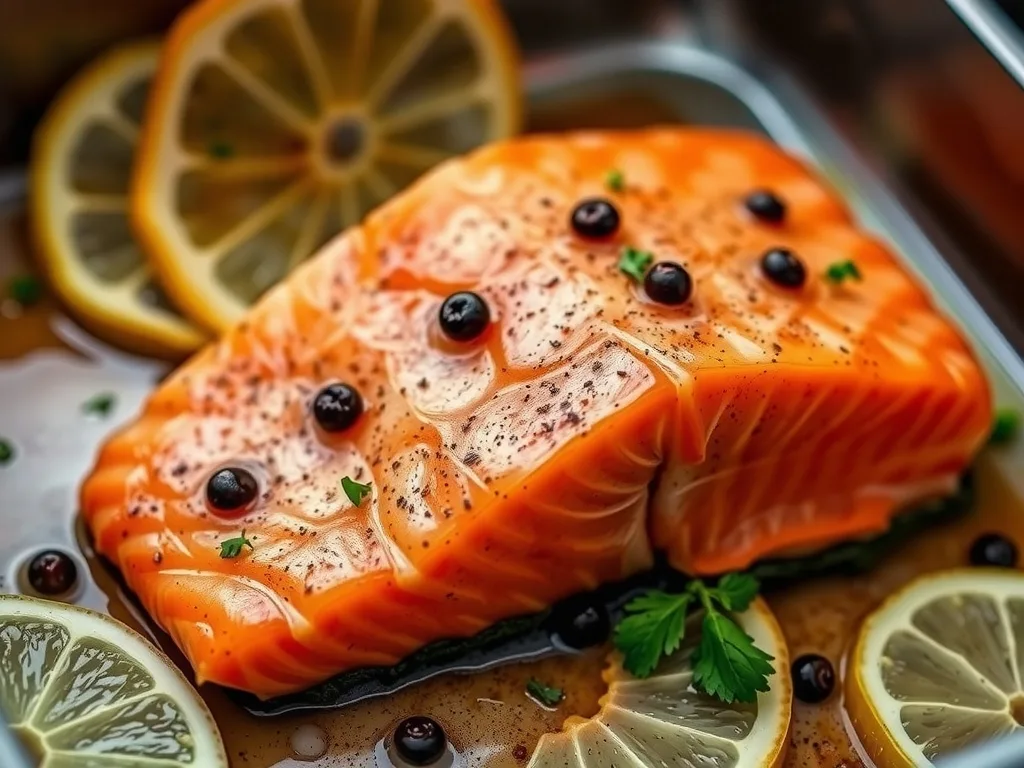
Cooking salmon sous vide typically takes 45 minutes to 1 hour, depending on the thickness of the fillet and your preferred doneness. A 1‑inch thick piece at 122 °F reaches a tender, medium‑rare state in about 45 minutes, while thicker cuts up to 1½ inches benefit from a full hour to ensure even heat penetration. The beauty of sous vide is that you have a wide window of flexibility—leaving the salmon in the bath for an additional 15‑20 minutes won’t overcook it, as the temperature stays constant.
This forgiving timeline makes it ideal for busy cooks who want to start the bath, attend to other tasks, and return to perfectly cooked fish every time.
What temperature should you sous vide salmon?
The ideal temperature range for sous vide salmon is 115 °F to 130 °F (46 °C to 54 °C), with 122 °F (50 °C) being the sweet spot for a buttery, medium‑rare texture that flakes easily yet remains moist. Lower temperatures around 115 °F produce a silkier, almost sashimi‑like feel, perfect for those who enjoy a rarer center. If you prefer a firmer, more traditional cooked texture, increase the bath to 130 °F; the salmon will still be juicy but will have a denser bite.
Always match the time to the thickness: thinner fillets need less time, while thicker pieces require the full hour to reach thermal equilibrium throughout.
Do you have to sear salmon after sous vide?
Searing is optional but highly recommended for optimal flavor and texture. The sous vide process cooks the salmon gently, leaving the surface pale and soft. A quick sear in a hot skillet—about 45 seconds per side—creates a Maillard‑browned crust that adds depth, aroma, and a pleasant contrast to the tender interior. If you’re serving the salmon cold (e.g., in a salad), you can skip the sear.
For warm plates, a brief flash of high heat elevates the dish from good to restaurant‑worthy, giving you that coveted caramelized edge without risking overcooking the delicate flesh.
Can you overcook salmon in a sous vide?
Technically, you cannot overcook salmon in the traditional sense when using sous vide, because the water bath maintains a precise temperature that the fish cannot exceed. However, leaving the salmon in the bath for excessively long periods—several hours beyond the recommended time—can cause the texture to become overly soft or mushy, as the proteins continue to break down slowly.
For best results, stick to the 45‑60 minute window for typical fillet thicknesses. If you need to hold the salmon longer (e.g., while preparing sides), a maximum of an additional 20‑30 minutes is safe; beyond that, monitor the texture closely.
Conclusion
There’s something truly satisfying about pulling a perfectly cooked salmon fillet from a sous vide bag—its jewel‑toned flesh glistening with herb‑infused butter, ready to be finished with a quick sear that adds a whisper of crunch. This recipe empowers you to serve restaurant‑grade salmon any night of the week, whether you’re feeding a health‑conscious family or entertaining guests who appreciate fine flavors. Give it a try, share your results on social media, and let the comments fill with praise for your culinary confidence. Happy cooking!
You Might Also Like
- Amish Tomato Pie – The Best Comfort Dish to Try This Summer
- Smoked Meatloaf Recipe: Juicy & Flavorful
- Best Spicy Cajun Salmon Recipe – Quick & Flavorful Dinner Idea! 🐟🌶️✨
- Ultimate CrackerBarrel Meatloaf Recipe – Easy & Comforting Dish!
Find Us On Pinterest and Facebook.
Print
Sous Vide Salmon Recipe
- Total Time: 55 minutes
- Yield: 2 servings 1x
Description
This Sous Vide Salmon Recipe delivers perfectly tender, buttery fish every single time. Cooking salmon sous vide ensures precise temperature control, resulting in moist, flaky fillets infused with garlic, lemon, and fresh herbs. Finished with a quick sear in butter, this elegant yet easy salmon recipe is ideal for weeknight dinners or special occasions.
Ingredients
- 1 pound (2 fillets) fresh salmon
- 1 teaspoon salt
- 1 teaspoon black pepper
- 2 cloves garlic, peeled
- 1 tablespoon olive oil
- Juice of ½ lemon
- 2 tablespoons butter
- 2 tablespoons chopped fresh parsley
Instructions
- Preheat your sous vide water bath to 125°F (52°C) for tender, medium-rare salmon.
- Season the salmon fillets with salt and pepper on both sides.
- Place the salmon into a vacuum-seal or zip-top bag along with garlic, olive oil, and lemon juice.
- Seal the bag using a vacuum sealer or the water displacement method.
- Submerge the bag in the water bath and cook for 40–45 minutes.
- Remove the salmon from the bag and pat dry with paper towels.
- Heat butter in a skillet over medium-high heat and quickly sear the salmon for 1 minute per side until lightly golden.
- Garnish with fresh parsley and serve immediately.
Notes
For a firmer texture, cook at 130°F (54°C). Always pat the salmon dry before searing to achieve a nice crust. You can add herbs like thyme or dill to the bag for extra flavor. Store leftovers in an airtight container in the refrigerator for up to 2 days. Reheat gently or enjoy cold in salads.
- Prep Time: 10 minutes
- Cook Time: 45 minutes
- Category: Dinner
- Method: Sous Vide
- Cuisine: French-inspired
Nutrition
- Serving Size: 1 fillet
- Calories: 360
- Sugar: 0g
- Sodium: 480mg
- Fat: 24g
- Saturated Fat: 8g
- Unsaturated Fat: 14g
- Trans Fat: 0g
- Carbohydrates: 1g
- Fiber: 0g
- Protein: 34g
- Cholesterol: 95mg
Keywords: sous vide salmon, perfect salmon recipe, tender salmon, sous vide fish, easy gourmet dinner