
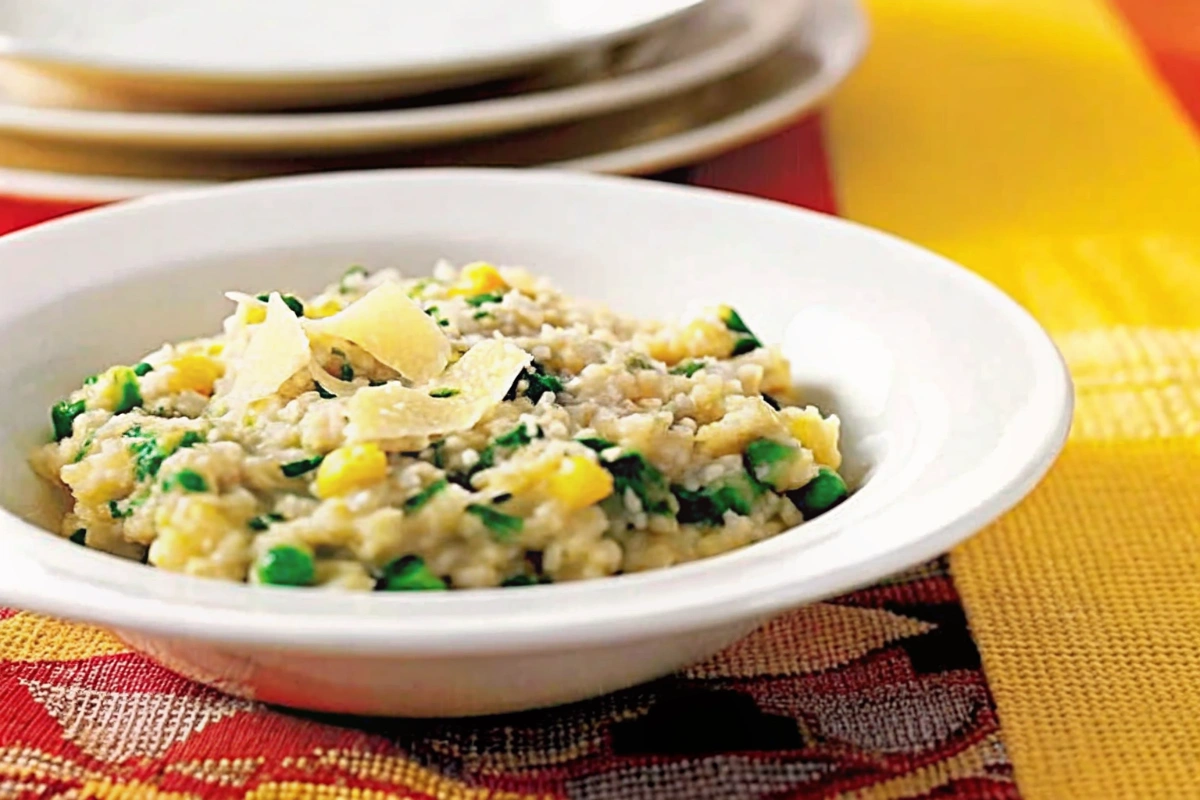
If you’re looking for a dish that feels both indulgent and bright enough to welcome the warmer months, this Spring Risotto with Peas and Zucchini hits every note. Perfect for seasoned home cooks and newcomers alike, it brings the garden to your table in a comforting, fork‑tender bowl that’s ready in under an hour.
Introduction: Spring Risotto with Peas and Zucchini
Spring risotto with peas and zucchini is more than just a side dish—it’s a versatile centerpiece that can shine at Easter brunches, Mother’s Day gatherings, or a relaxed weekday dinner when you crave something nourishing yet elegant. The recipe marries the sweet pop of thawed peas with the subtle, buttery bite of sautéed zucchini, all enveloped in a luxuriously creamy Arborio rice base finished with a splash of dry white wine and a generous handful of Parmesan. A hint of lemon zest (optional but highly recommended) lifts the dish, giving it that fresh, citrus‑kissed aroma that signals the season’s arrival.
What makes this the best spring risotto recipe for many home chefs is its balance of simplicity and depth. Using reduced‑sodium chicken broth keeps the sodium in check while still delivering a rich, savory backdrop. The technique—gradually ladling warm broth and stirring constantly—releases the rice’s starches, creating that signature creamy vegetable risotto texture without relying on heavy cream. For those who love a citrus twist, the dish easily transforms into a lemon risotto with peas and zucchini by adding the zest and a squeeze of juice at the end, making it a bright alternative to the classic version.
Whether you’re serving it alongside roasted chicken, grilled salmon, or simply enjoying a bowl with a crisp green salad, this risotto adapts to any occasion. It’s hearty enough to satisfy a crowd, yet light enough to leave room for dessert. Plus, the leftovers reheat beautifully, making it a smart choice for meal‑prep enthusiasts who want a taste of spring any day of the week.
Alternate Names & Variations
- Lemon Risotto with Peas and Zucchini
- Creamy Vegetable Risotto (spring version)
- Spring Garden Risotto
- Pea‑and‑Zucchini Arborio Rice
- Risotto Primavera (with peas, zucchini, and optional asparagus) Feel free to swap the zucchini for diced asparagus or frozen artichoke hearts for a different spring vegetable medley, or stir in a handful of fresh basil or mint at the end for an herbal lift.
Ingredients: Spring Risotto with Peas and Zucchini
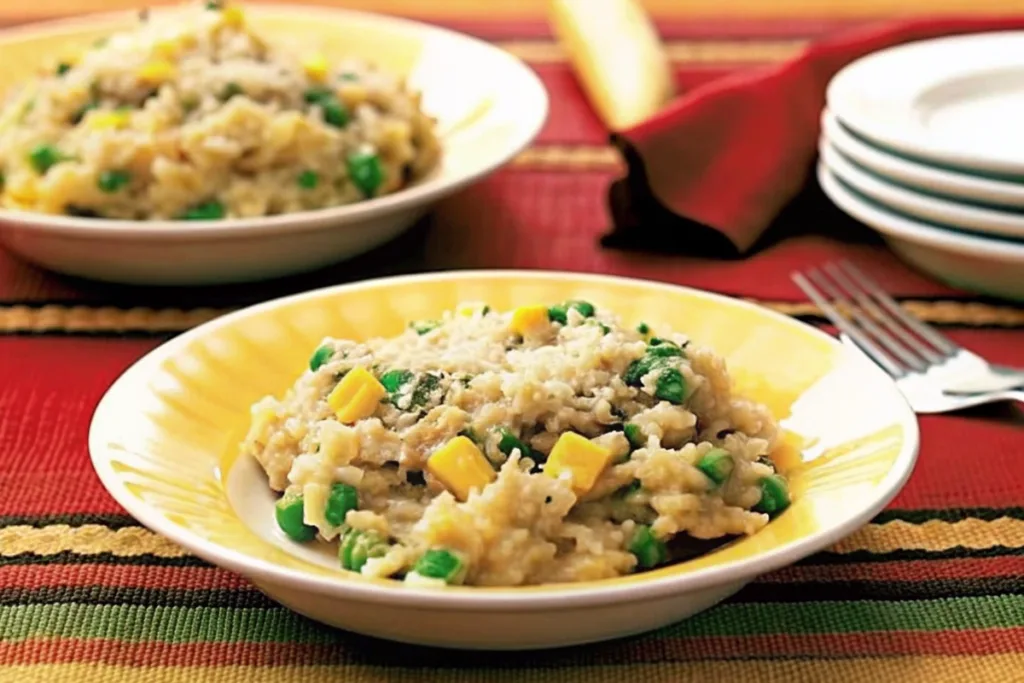
*Serves 4*
- 2 cans (14.5 oz each) reduced‑sodium chicken broth
- 3 Tbsp unsalted butter, divided
- 1‑2 large zucchini (about 1 lb), cut into ½‑inch cubes
- Coarse salt and freshly ground black pepper, to taste
- ½ cup finely chopped yellow onion (or shallot for a milder note)
- 1 ½ cups Arborio rice (the best rice for risotto)
- ½ cup dry white wine (such as Pinot Grigio or Sauvignon Blanc)
- 1 cup frozen peas, thawed
- ½ cup freshly grated Parmesan cheese, plus extra for serving
- Optional: zest of 1 lemon and 1 Tbsp lemon juice (for lemon risotto with peas and zucchini) – Optional garnish: chopped fresh parsley or chives
*Note:* If you prefer a vegetarian version, substitute the chicken broth with an equal amount of low‑sodium vegetable broth.
Step‑by‑Step Instructions
1. Prepare the broth
In a medium saucepan, combine the two cans of reduced‑sodium chicken broth. Keep it at a gentle simmer over low heat; you’ll need it warm throughout the cooking process.
2. Sauté the zucchini
Add 1 Tbsp of butter to a large, heavy‑bottomed skillet or Dutch oven over medium heat. Once melted, toss in the zucchini cubes, season lightly with salt and pepper, and sauté 4‑5 minutes until they’re just tender and lightly golden. Transfer the zucchini to a bowl and set aside.
3. Build the aromatics
In the same pan, add the remaining 2 Tbsp butter. Add the chopped onion (or shallot) and cook 2‑3 minutes, stirring frequently, until translucent and fragrant—avoid browning.
4. Toast the rice
Stir in the Arborio rice, coating each grain with the buttery onion mixture. Cook for 1‑2 minutes; you’ll notice the edges of the grains turn translucent while the center stays opaque. This step helps the rice absorb liquid evenly and contributes to the final creaminess.
5. Deglaze with wine
Pour in the dry white wine, stirring constantly. Let the wine simmer until it’s almost completely absorbed, about 1‑2 minutes. This adds acidity and depth, balancing the richness of the butter and cheese.
6. Begin the gradual broth addition
Ladle one cup of the warm broth into the rice. Stir gently but continuously, allowing the liquid to be absorbed before adding more. Maintain a steady simmer; you should hear a soft bubbling, not a vigorous boil.
7. Continue stirring and adding broth
Repeat the process—add broth, stir, wait for absorption—until the rice is creamy and al dente. This usually takes 18‑22 minutes total. You may not need all the broth; the goal is a tender grain with a slight bite.
- Incorporate the vegetables When the rice is just about done (about 2 minutes before the final broth addition), stir in the sautéed zucchini and thawed peas. If you’re making the lemon version, add the lemon zest and juice now.
9. Finish with cheese and butter
Remove the pan from the heat. Stir in the grated Parmesan and the remaining 1 Tbsp butter (if you like extra gloss). Taste and adjust seasoning with salt and pepper. The risotto should be loose enough to spread slightly on a plate but hold its shape when you scoop it.
10. Rest and serve
Let the risotto sit, covered, for 2 minutes. This resting period allows the starches to settle, giving that perfect creamy consistency. Spoon onto warm plates, garnish with extra Parmesan and a sprinkle of fresh parsley or chives, and serve immediately.
Chef Tips & Substitutions
- Stirring frequency: Constant, gentle stirring prevents sticking and encourages starch release. A wooden spoon or silicone spatula works best. – Wine alternative: If you prefer not to use alcohol, replace the white wine with an equal amount of extra broth plus a teaspoon of lemon juice or white wine vinegar for acidity.
- Make‑ahead: Cook the risotto up to step 8, then cool quickly and refrigerate. Reheat gently over low heat, adding a splash of broth or water to loosen it before finishing with cheese and butter.
- Gluten‑free: Arborio rice is naturally gluten‑free; just ensure your broth and any added ingredients are certified gluten‑free if needed.
- Vegan version: Use olive oil instead of butter, vegetable broth, and nutritional yeast or a vegan Parmesan substitute in place of dairy cheese.
Recipe Card Block (Quick Reference)
Prep time: 15 minutes Cook time: 25 minutes Total time: 40 minutes Servings: 4 Approximate calories per serving: 380 kcal (with Parmesan; ~320 kcal without cheese)
Why This Recipe Works & Expert Tips
The secret to a creamy vegetable risotto lies in the starch released from Arborio rice as it absorbs warm liquid slowly. By adding broth ladle‑by‑ladle and stirring constantly, you encourage the grains to break down just enough to create a silky, luxurious sauce without any added cream. The butter and Parmesan finish the dish with richness, while the white wine adds a subtle acidity that cuts through the heaviness, making each bite feel light yet satisfying.
Using reduced‑sodium chicken broth lets you control the salt level, letting the natural sweetness of peas and the mild earthiness of zucchini shine. The optional lemon zest transforms the dish into a lemon risotto with peas and zucchini, offering a bright, aromatic twist that’s perfect for spring brunches or outdoor gatherings.
This recipe is also an easy comfort food for family dinners because it comes together in one pot, minimizes cleanup, and delivers restaurant‑quality results with minimal fuss. The technique is forgiving—if the rice seems a bit firm, simply add a little more hot broth and continue stirring until it reaches the desired tenderness.
Storage, Freezing, and Reheating Tips
- Refrigeration: Transfer cooled risotto to an airtight container and store in the refrigerator for up to 3 days.
- Freezing: While risotto is best enjoyed fresh, you can freeze it for up to 1 month. Portion into freezer‑safe bags, lay flat to freeze, then thaw overnight in the fridge before reheating.
- Reheating: Warm the risotto gently in a saucepan over low heat, adding ¼‑½ cup of warm broth or water to loosen the texture. Stir constantly until heated through, then finish with a fresh sprinkle of Parmesan and a tiny knob of butter for revived creaminess.
- Avoid microwave‑only reheating if possible, as it can cause uneven heating and a gummy texture. If you must use a microwave, heat in 30‑second intervals, stirring between each, and add a splash of liquid as needed.
These storage tips keep the creamy vegetable risotto just as delightful the next day, making it a practical choice for meal prep or entertaining.
People Also Ask: Spring Risotto with Peas and Zucchini
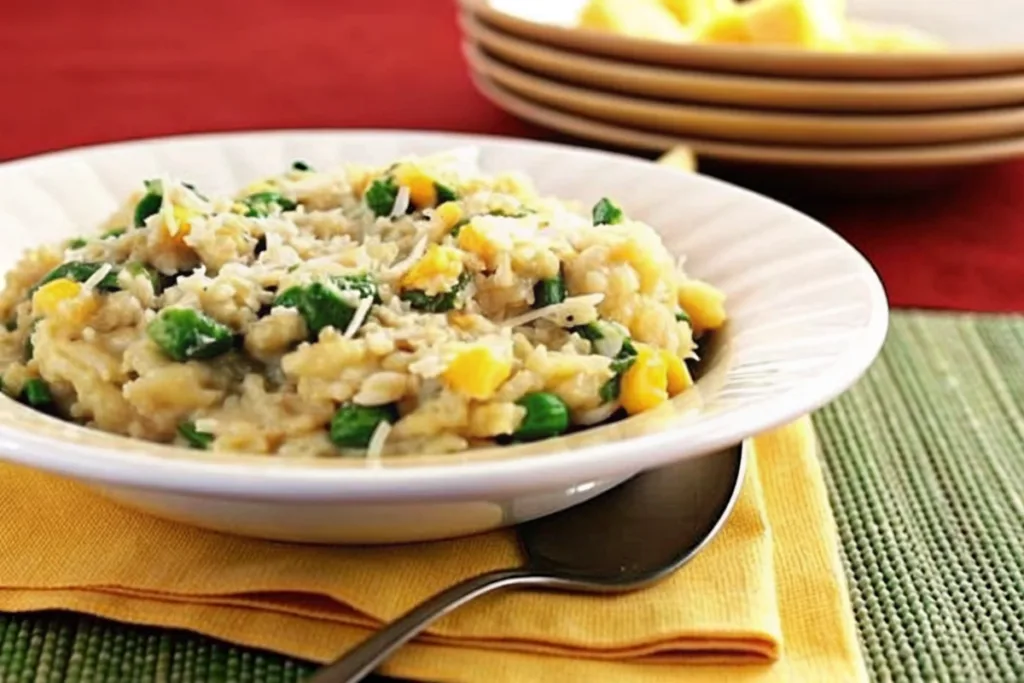
What is the secret to creamy risotto?
The secret to creamy risotto lies in the gradual absorption of warm broth combined with constant stirring. As the Arborio rice releases its starches, the liquid thickens into a velvety sauce without any added cream. Keeping the broth at a steady simmer and adding it one ladle at a time ensures the rice cooks evenly and releases just enough starch to create that luxurious, restaurant‑style texture. Finishing with butter and Parmesan adds richness, while a splash of white wine brightens the flavor and balances the dish’s heaviness.
What is the best rice for risotto?
Arborio rice is the most widely used and best rice for risotto because of its high amylopectin content, which gives the dish its signature creaminess. Its short, plump grains absorb liquid slowly while retaining a slight bite at the center (al dente). Other suitable varieties include Carnaroli (known for a firmer texture and greater resistance to overcooking) and Vialone Nano (which yields a slightly looser, more delicate risotto). For this spring recipe, Arborio provides the perfect balance of creaminess and structure.
Should you wash arborio rice before cooking?
No, you should not wash Arborio rice before making risotto. Washing removes the surface starch that is essential for creating the creamy texture. The starch on the grains is what dissolves into the cooking liquid, thickening the risotto naturally. If you rinse the rice, you’ll end up with a looser, less cohesive dish. Simply measure the rice directly from the package and proceed with the toasting step.
What can I use instead of white wine in risotto?
If you prefer to omit alcohol, substitute the dry white wine with an equal amount of additional warm broth plus a teaspoon of lemon juice or white wine vinegar to mimic the wine’s acidity. Some cooks also use a splash of dry vermouth or a non‑alcoholic white wine alternative. The key is to maintain a bright, acidic note that cuts through the richness of the butter and cheese while still allowing the rice to absorb liquid properly.
Conclusion: Spring Risotto with Peas and Zucchini
There’s something truly magical about a bowl of risotto that captures the essence of spring in every forkful. This Spring Risotto with Peas and Zucchini brings together tender vegetables, aromatic herbs, and the creamy comfort of Arborio rice into a dish that feels both celebratory and everyday‑friendly. Whether you’re serving it at a family brunch, plating it for a quiet weeknight dinner, or sharing leftovers for lunch tomorrow, it’s a recipe that invites you to slow down, savor the season, and enjoy the simple pleasure of a well‑cooked meal.
We’d love to hear how your risotto turned out! Drop a comment below, share a photo on social media with #SpringRisotto, or let us know any tweaks you made—perhaps a handful of fresh mint or a sprinkle of toasted pine nuts. Happy cooking, and may your kitchen be filled with the fresh, bright aromas of spring!
You Might Also Like
–Baked Salmon Recipe Guide – The Best Way to Bake Perfect Salmon Every Time
–Honey Garlic Salmon Recipe – Easy & Delicious in 20 Minutes!
–Lemon Butter Salmon Rice Muffins | Easy & Tasty Recipe Idea
–Salsa Macha Roast Salmon 🌶️🔥 | Easy & Flavorful Dinner Recipe
–Bang Bang Chicken Skewers
Find Us On Pinterest and Facebook.
Print
Spring Risotto with Peas and Zucchini
- Total Time: 50 min
- Yield: 4 servings 1x
Description
Celebrate the fresh flavors of spring with this creamy risotto featuring sweet peas, tender zucchini, and a hint of white wine. Perfect for a light lunch or a comforting dinner, this dish brings vibrant color and comforting richness to your table.
Ingredients
- 2 cans (14.5 ounces each) reduced-sodium chicken broth
- 3 tablespoons butter
- 1 to 2 large zucchini (1 pound) cut into 1/2-inch cubes
- Coarse salt and ground pepper, to taste
- 1/2 cup finely chopped onion
- 1 1/2 cups Arborio rice
- 1/2 cup dry white wine
- 1 cup frozen peas, thawed
- 1/2 cup grated Parmesan cheese
Instructions
- In a saucepan, heat butter over medium heat. Add onion and sauté until translucent.
- Stir in Arborio rice, coating each grain with butter, and toast lightly for 1 minute.
- Pour in white wine, stirring until absorbed.
- Begin adding warm chicken broth, one ladle at a time, stirring constantly until each addition is absorbed before adding the next. Continue for about 15 minutes.
- Add zucchini cubes and continue stirring, adding more broth as needed, until rice is creamy and al dente, about 5 more minutes.
- Fold in peas and cook for another 2 minutes. Remove from heat and stir in Parmesan cheese.
- Season with salt and pepper to taste. Serve immediately.
Notes
- For a vegetarian version, use vegetable broth.
- Substitute quinoa for a gluten‑free option.
- Leftovers store in an airtight container in the fridge for up to 3 days.
- Prep Time: 15 min
- Cook Time: 35 min
- Category: B
- Method: Stirring
- Cuisine: Italian
Nutrition
- Serving Size: 1 cup
- Calories: 380
- Sugar: 4g
- Sodium: 520mg
- Fat: 14g
- Saturated Fat: 6g
- Unsaturated Fat: 8g
- Trans Fat: 0g
- Carbohydrates: 45g
- Fiber: 5g
- Protein: 12g
- Cholesterol: 35mg
Keywords: spring, risotto, peas, zucchini, vegetarian