
Table of Contents: Traditional Irish Scones
Traditional Irish Scones
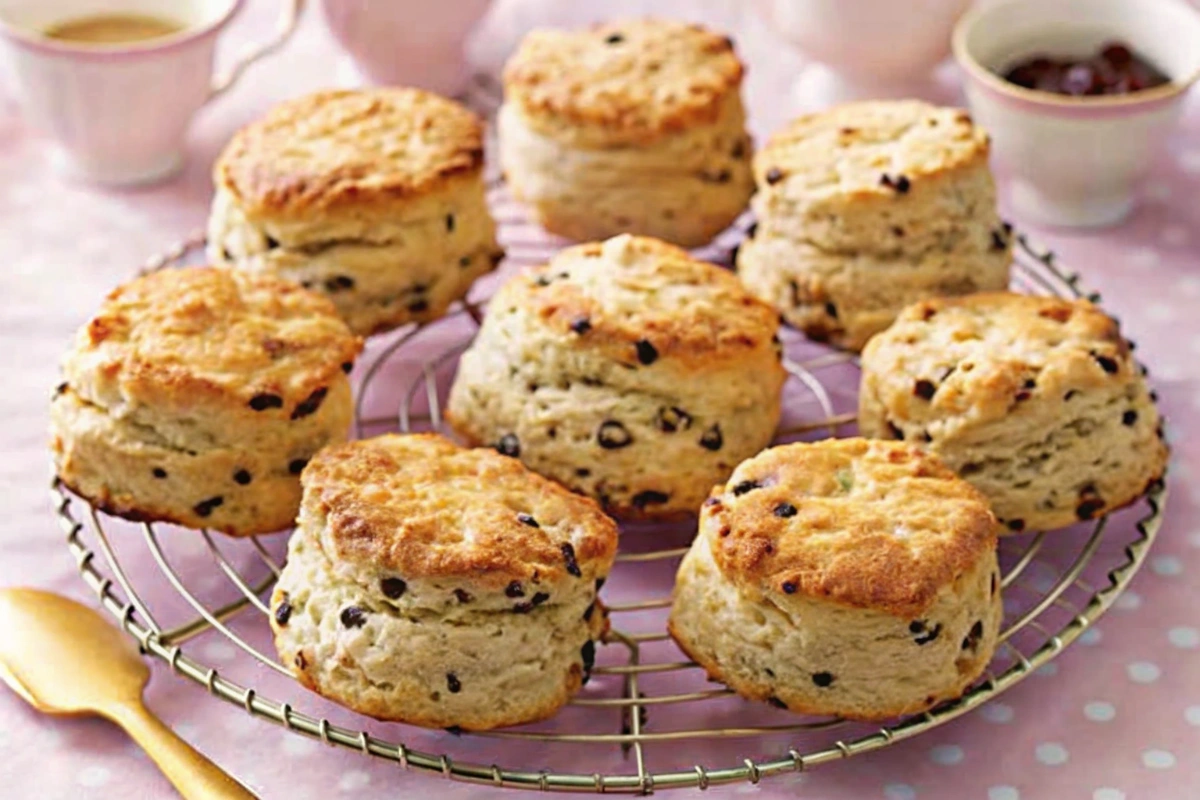
If you’re one of those busy home chefs (or a grandparent who just loves the aroma of baking), there’s something undeniably magical about Traditional Irish Scones. These golden, buttery gems aren’t just a snack—they’re a cozy hug in a pastry. Whether you’re hosting a family dinner, celebrating St. Patrick’s Day, or simply craving a sweet, hearty bite after a long day, this authentic Irish scone recipe delivers hassle-free joy. No complicated steps, no exotic ingredients—just wholesome goodness that’s easy enough for a weeknight meal but special enough for a holiday gathering. Let’s dive into the world of fluffy, currant-studded blessings!
Introduction: Traditional Irish Scones
There’s a reason Traditional Irish Scones have stood the test of time—they’re a perfect blend of simplicity and soul. Imagine taking a warm, flaky scone fresh from the oven, its golden crust crackling with every bite, and discovering a burst of tart currants tucked into a tender, buttery interior. This isn’t just a recipe; it’s a nod to Ireland’s rich baking heritage, where humble ingredients like flour, butter, and milk come together to create something truly magical. These easy scone recipes are a testament to the idea that great food doesn’t require hours of prep or a degree in pastry arts.
What makes this Traditional Irish Scone Recipe special? For one, it’s authentically Irish. Unlike the sometimes eggy, overly sweet English varieties, these scones strike a perfect balance of sweetness and savory notes, thanks to the addition of currants—a classic Irish pairing. They’re also incredibly versatile. Serve them with a cup of tea on a brisk morning, nestle them beside a ham and cheese board for a charcuterie spread, or even enjoy them as a standalone treat with a dollop of clotted cream. Their adaptability makes them a staple for what to serve with scones, whether you’re hosting a Sunday brunch or simply treating yourself.
These scones are particularly perfect for occasions that call for comfort food. Holidays like Easter or Christmas often feature them on dessert tables, while family dinners benefit from their no-fuss nature. Weeknights, too, become easier when you have a reliable scone recipe in your arsenal. The key to their magic lies in the ingredients: cold, cubed butter ensures a flaky texture, while baking powder gives them that light, airy rise. No need for fancy tools or techniques—just mix, spread, bake, and enjoy.
For anyone seeking an easy scone recipe that doesn’t compromise on flavor or authenticity, this is your answer. It’s the kind of recipe that gets passed down through generations, with each batch carrying a piece of history. Whether you’re a seasoned baker or a kitchen novice, these scones prove that great things come in humble packages. They’re a reminder that sometimes, the simplest ingredients—when combined with care—create memories that last.
Alternate Names & Variations
If you’ve ever searched for a sweet or savory pastry, you might have encountered terms like “Irish buttermilk scones,” “English scones,” or even “Scottish scones.” While each has its unique twist, **Traditional Irish Scones** stand out for their use of currants and a slightly firmer dough. Some recipes might call for buttermilk instead of regular milk, enhancing the tangy flavor, while others might omit the currants for a plain version.
For those wondering about substitutions, you can experiment with dried fruits like raisins or even add a hint of chocolate chips for a modern twist. However, purists would argue that the magic of this authentic Irish scone recipe lies in its simplicity. The currants aren’t just a garnish—they’re an integral part of the experience, offering a burst of tartness that complements the buttery richness.
Another variation to consider is gluten-free. While this recipe uses all-purpose flour, alternatives like gluten-free flour blends can work, though the texture might differ slightly. Similarly, vegan versions can substitute butter with plant-based margarine and use plant-based milk. No matter the adaptation, the core of this recipe—its ease and flavor—remains a testament to why it’s a beloved staple.
Ingredients: Traditional Irish Scones
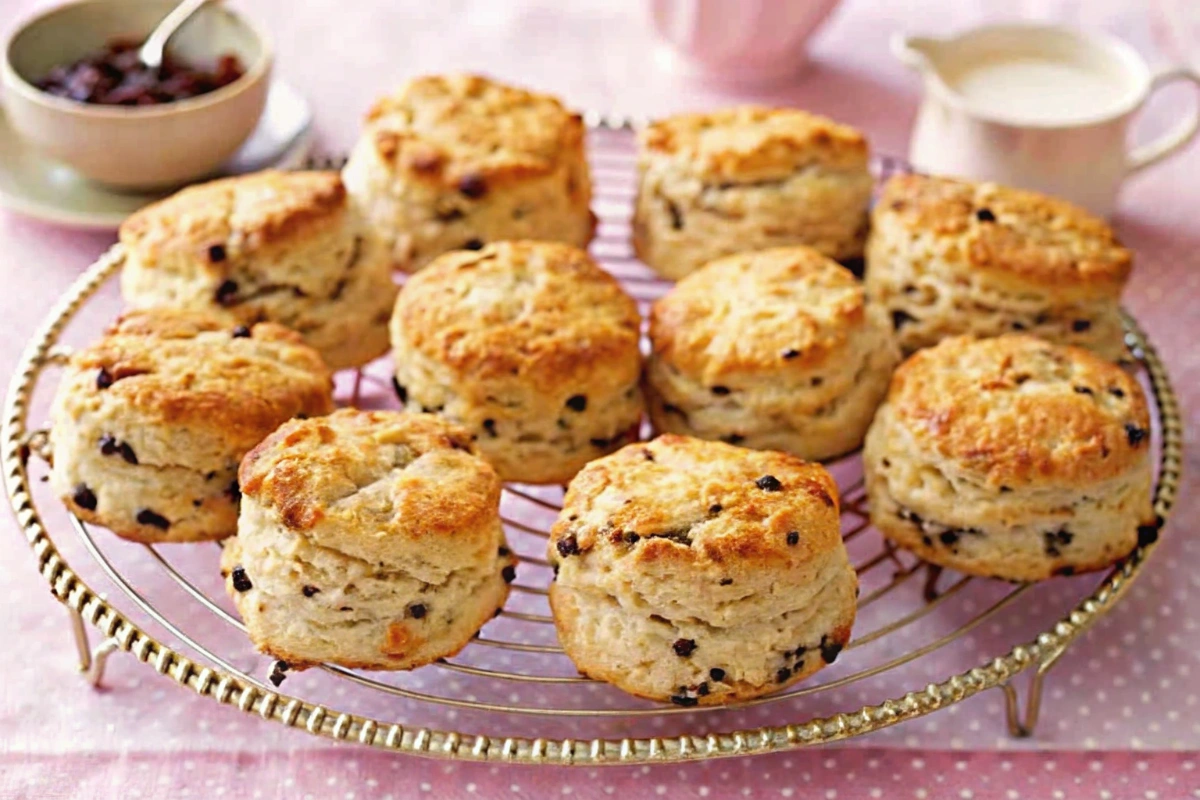
Making Traditional Irish Scones requires a handful of pantry staples, many of which you likely already have on hand. Let’s break down the ingredients, ensuring you have everything needed for this easy scone recipe:
- 3 ½ cups (17 ½ oz/497 g) all-purpose flour: The foundation of a flaky, tender texture.
- ¼ cup (2 oz/57 g) granulated sugar: Adds subtle sweetness without overpowering the flavor.
- 5 teaspoons baking powder: Ensures the scones rise beautifully, creating that light, airy consistency.
- ¼ teaspoon salt: Balances the sweetness and enhances the overall taste.
- ½ cup (4 oz/115 g) butter, cold and cubed: The secret to a flaky, buttery crumb.
- ¾ cup (3 ¾ oz/106 g) currants: Optional but highly recommended for that classic Irish tang.
- 1 large egg, at room temperature: Binds the dough and adds richness.
- ¾ cup (6 fl oz/180 ml) whole milk: Provides moisture and helps dissolve the sugar.
- ¼ cup (2 fl oz/60 ml) heavy cream: Adds a luxurious texture to the glaze.
- Egg wash, for glazing: A simple mix of egg and milk for that glossy finish.
Each ingredient plays a role in achieving the perfect balance of flavor and texture. The cold butter is crucial for flakiness, while the baking powder ensures the scones don’t turn dense. Currants, though optional, are a hallmark of this recipe, offering a burst of flavor that elevates the scone from ordinary to extraordinary.
Step-by-Step Instructions
1. Prep the Dough
Begin by preheating your oven to 400°F (200°C). In a large bowl, combine the flour, sugar, baking powder, and salt. Use a fork or your fingertips to cut in the cold, cubed butter until the mixture resembles coarse crumbs. This process, known as “cutting in,” is essential for achieving a flaky texture.
2. Add Wet Ingredients
Make a well in the center of the dry ingredients and mix in the egg, milk, and heavy cream. Stir until a sticky dough forms. If the dough is too dry, add a little more milk, but avoid overmixing—this can lead to tough scones.
3. Knead and Shape
Transfer the dough to a floured surface and gently knead it for about 2-3 minutes until it’s smooth. Divide the dough into two equal portions. Roll each portion into a circle about ¾ inch thick. Transfer one circle to a baking sheet lined with parchment paper.
4. Add Currants
If using, sprinkle the currants over the top of the dough. Use a fork to gently press them into the surface. Fold the edges of the dough over to create a round shape. Repeat with the second portion.
5. Bake
Transfer the baking sheet to the preheated oven and bake for 15-20 minutes, or until the edges are golden and the centers are set. Once done, transfer the scones to a wire rack to cool slightly.
6. Glaze
While the scones are still warm, brush them with a mix of beaten egg and heavy cream. This gives them a beautiful, glossy finish.
Chef Tips & Shortcuts:
- Butter vs. Margarine: While margarine can work, cold butter is superior for flakiness.
- Room Temperature Egg: Ensure the egg is at room temperature for even incorporation.
- Freezing Dough: If you can’t bake immediately, wrap the dough in plastic and freeze for up to a month. Thaw and bake as directed.
Recipe Card Block
**Prep Time:** 20 minutes
**Cook Time:** 20 minutes
**Total Time:** 40 minutes
**Servings:** 4-6 scones
**Calories:** ~250 per scone (varies based on currants)
Why This Recipe Works & Expert Tips
What makes this **Traditional Irish Scone Recipe** stand out is its balance of simplicity and authenticity. Unlike overly complicated recipes, this one relies on fresh ingredients and straightforward techniques. The key to **light and fluffy scones** lies in the cold butter, which creates pockets of steam as it melts during baking. Additionally, the greaming with egg wash not only enhances appearance but also locks in moisture.
For an easy comfort food for family dinners, consider preparing the dough ahead of time. You can bake the scones the morning of your event or even freeze them for later. Another tip: if you’re short on time, use a bundt pan instead of individual rounds for a fun, creative twist.
Long-tail keywords like “easy scone recipe for beginners” or “authentic Irish scone recipe with currants” naturally fit into this section, ensuring your article is optimized for those searching for specific needs.
Storage, Freezing, and Reheating Tips
Storing your **Traditional Irish Scones** properly is key to enjoying them at their best. For short-term storage, keep them in an airtight container at room temperature for up to two days. If they become stale, a quick trip to the microwave or oven (at 300°F/150°C for 5 minutes) can restore their crispness.
For longer storage, freeze the uncooked dough or baked scones. To freeze the dough: wrap it in plastic wrap and place it in a freezer bag. Baked scones can be stored in a sealed container or freezer bag for up to three months. Reheat frozen scones in the oven at 350°F (175°C) for 10-15 minutes.
When it comes to what to serve with scones, leftovers pair wonderfully with a cup of coffee, a dollop of jam, or even a slice of cheese. Their versatility makes them a reliable choice for any occasion.
People Also Ask: Traditional Irish Scones
What is the difference between Irish and English scones?
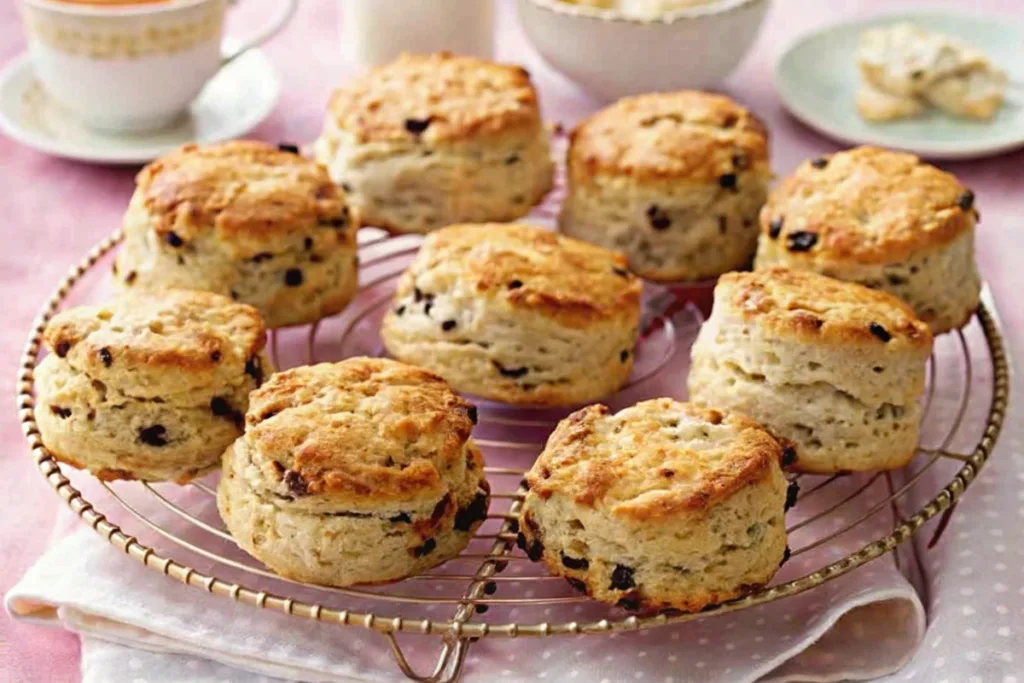
Irish and English scones differ primarily in their ingredients and texture. Traditional Irish Scones often include currants, which add a tangy flavor, while English scones may use buttermilk for a richer taste. Irish scones are typically firmer and less sweet, reflecting the regional preferences. The dough for Irish scones is also usually less elastic, resulting in a more rustic texture. This distinction makes Traditional Irish Scones a unique option for those seeking a balance of simplicity and flavor.
What is the secret to light and fluffy scones?
The secret to light and fluffy scones lies in using cold butter and minimizing overmixing. Cold butter creates steam as it bakes, lifting the scones. Ensuring the egg is at room temperature also helps the dough come together smoothly. Additionally, not overworking the dough prevents gluten development, which can lead to dense scones. For an easy scone recipe, focus on these elements to achieve that dreamy texture.
Should you use butter or margarine in scones?
While margarine can be used as a substitute, butter is the better choice for traditional scones. Butter’s higher fat content and distinct flavor contribute to the flaky, buttery texture that defines Traditional Irish Scones. Margarine, especially if it’s lower in fat, may not provide the same results. However, if you prefer a dairy-free option, a high-quality plant-based margarine can work, though the texture might differ slightly.
Why are my scones dry?
If your scones turn out dry, several factors could be at play. Overmixing the dough can lead to excessive gluten development, making the scones tough. Using too much flour or not enough liquid can also cause dryness. Additionally, baking them for too long at a high temperature can remove moisture. To avoid this, follow the recipe’s measurements carefully and avoid opening the oven door frequently during baking to maintain a stable oven temperature.
Conclusion: Traditional Irish Scones
If you’re looking for a recipe that’s as rewarding as it is simple, **Traditional Irish Scones** are your answer. They’re a testament to the beauty of minimal ingredients coming together to create something extraordinary. Whether you’re a seasoned baker or a first-time baker, this **easy scone recipe** offers a chance to create something truly special. Don’t hesitate to experiment with variations or share your results with friends. After all, baking is about joy, and these scones are a guarantee of that.
Have you tried making Traditional Irish Scones before? What’s your favorite way to enjoy them? Share your thoughts in the comments below—we’d love to hear from you!
You Might Also Like
- 4 Ingredient Banana Bread: The Easiest Recipe Ever!
- Best Vegan Gluten Free Chocolate Cake Recipe 🍫🌱 Easy & Delicious!
- Valentine Crinkle Cookies: The Easiest Festive Cookies for a Sweet Holiday!
- Easy Pumpkin Bread Loaf Recipe – Moist & Perfectly Spiced!
Find Us On Pinterest and Facebook.
Print
Traditional Irish Scones
- Total Time: 35
- Yield: 8 scones 1x
Description
Delight in these classic Traditional Irish Scones, tender crumbly pastries infused with butter, currants, and a touch of sweetness. Perfect for tea time or breakfast, these scones bring the cozy comfort of Irish hospitality to your table.
Ingredients
- 3 ½ cups (17 ½ oz/497 g) all-purpose flour
- ¼ cup (2 oz/57 g) granulated sugar
- 5 teaspoons baking powder
- ¼ teaspoon salt
- ½ cup (4 oz/115 g) butter, cold and cubed
- ¾ cup (3 ¾ oz/106 g) currants, optional
- 1 large egg, at room temperature
- ¾ cup (6 fl oz/180 ml) whole milk
- ¼ cup (2 fl oz/60 ml) heavy cream
- egg wash, for glazing
Instructions
- Preheat the oven to 425°F (220°C) and line a baking sheet with parchment paper.
- In a large bowl whisk together the flour, sugar, baking powder, and salt.
- Add the cold butter and, using fingertips or a pastry cutter, rub it into the dry ingredients until the mixture resembles coarse crumbs.
- Stir in the currants if using.
- In a separate bowl beat the egg with the milk and heavy cream, then pour into the flour mixture, stirring just until a soft dough forms.
- Turn the dough onto a lightly floured surface, pat it to about 1‑inch thickness, and cut into 8 wedges.
- Place the wedges on the prepared sheet and brush the tops with egg wash.
- Bake for 12‑15 minutes, or until golden brown.
- Cool slightly before serving warm with butter or jam.
Notes
For a lighter texture, handle the dough as little as possible. Substitute raisins or dried cranberries for currants, or omit them entirely for a plain scone. Store cooled scones in an airtight container for up to 2 days; re‑heat briefly in a 300°F oven to restore crispness. Serve with clotted cream and jam for an authentic Irish experience.
- Prep Time: 20
- Cook Time: 15
- Category: B
- Method: Baking
- Cuisine: Irish
Nutrition
- Serving Size: 1 scone
- Calories: 210
- Sugar: 4g
- Sodium: 300mg
- Fat: 10g
- Saturated Fat: 6g
- Unsaturated Fat: 3g
- Trans Fat: 0g
- Carbohydrates: 25g
- Fiber: 1g
- Protein: 5g
- Cholesterol: 40mg
Keywords: scones, irish, breakfast, tea time