
Table of Contents: Traditional Irish Stew
Traditional Irish Stew
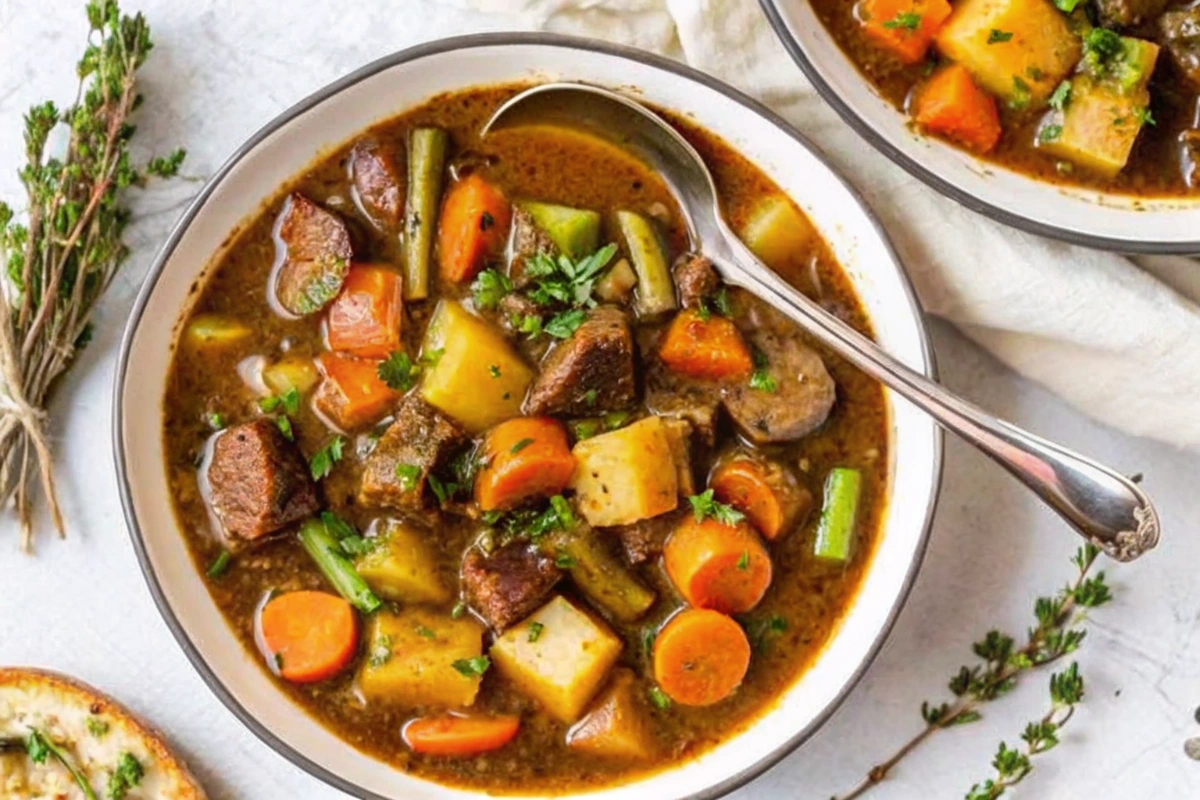
Imagine a meal so rich in tradition and flavor that it transports you to the rolling hills of Ireland with every bite. For generations, the authentic Irish stew recipe has been a staple in kitchens across the globe, blending tender chunks of lamb or beef with hearty vegetables and aromatic herbs. Whether you’re hosting a family dinner, craving an easy Irish stew for a cozy weeknight, or preparing for a holiday feast, this lamb stew recipe delivers the soul-warming comfort you’ve come to love. Let’s dive into a recipe that’s not just a meal but a celebration of heritage and simplicity.
Introduction: Traditional Irish Stew
The authentic Irish stew recipe is more than just a dish—it’s a piece of history served in a pot. Originating in Ireland, this hearty lamb stew recipe has been a symbol of resilience and community, often cooked in large batches to feed families or share at local festivals. Over time, it has become a global favorite, beloved for its simplicity and depth of flavor. What makes this recipe truly special is its ability to transform humble ingredients into a culinary masterpiece. With just a few key components—like beef or lamb, root vegetables, and a medley of herbs—the easy Irish stew requires minimal effort but delivers maximum satisfaction.
What sets this Irish stew apart is its adaptability. Whether you’re using beef from a chuck shoulder or opting for lamb to infuse a slightly different flavor profile, the dish remains versatile and forgiving. It’s perfect for any occasion, from holiday gatherings where you want to impress guests to a quick, slow-cooked meal that simmers while you focus on other tasks. The beauty of this lamb stew recipe lies in its ability to bring people together. A big pot of stew can fill a room with warmth, sparking conversations and creating memories that linger long after the last spoonful.
The demand for easy Irish stew solutions has grown, especially among home cooks who value time-saving methods without compromising taste. This recipe balances traditional techniques with modern convenience, allowing you to achieve an authentic Irish stew recipe without the need for exorbitant effort. Whether you’re a seasoned cook or a novice in the kitchen, the steps are straightforward, the ingredients are accessible, and the results are nothing short of extraordinary. Plus, with customization options—like substituting beef for lamb or adjusting spice levels—it’s a recipe that can be tailored to your preferences.
In today’s fast-paced world, the authentic Irish stew recipe stands out as a reminder that comfort food doesn’t have to be complex. It’s a testament to the idea that sometimes, the simplest ingredients, when combined with care and tradition, create the most unforgettable flavors. So, whether you’re cooking for a crowd or just craving a taste of Ireland, this lamb stew recipe is your gateway to a dish that’s both easy to make and deeply satisfying.
Alternate Names & Variations
While most people recognize it as Irish stew, this dish has several names and variations that might intrigue those searching for different terms. For instance, it’s sometimes called shepherd’s pie (though that’s a distinct dish) or lamb stew recipe when beef isn’t used. The easy Irish stew moniker often appears alongside searches for “quick meat recipes” or “family-friendly meals.” People might also look for “Irish-inspired stews” or “traditional Irish recipes” when exploring similar dishes.
A notable variation is using beef instead of lamb, which still fits the essence of the authentic Irish stew recipe but offers a different flavor. Some recipes even incorporate different vegetables, like swapping carrots for turnips, though traditionalists argue that carrots are a must. If you’re searching for an Irish stew variation, you might also encounter “Irish beef stew” or “Irish lamb and vegetable stew.” These alternatives highlight how the core concept of the lamb stew recipe can evolve while staying true to its roots.
Another interesting twist is the use of different cuts of meat. While traditional recipes often call for lamb, some households prefer beef, especially in regions where lamb is less common. This flexibility means the easy Irish stew can cater to diverse tastes. For those seeking a gluten-free option, substituting flour with cornstarch or using a tomato-based thickener is possible, though purists might resist such changes.
The key takeaway is that whether you’re hunting for an authentic Irish stew recipe or an easy Irish stew, there’s a version to suit your needs. From hearty lamb-based editions to beef-focused alternatives, the versatility of this dish ensures it remains a beloved choice across cultures and cuisines.
Ingredients: Traditional Irish Stew
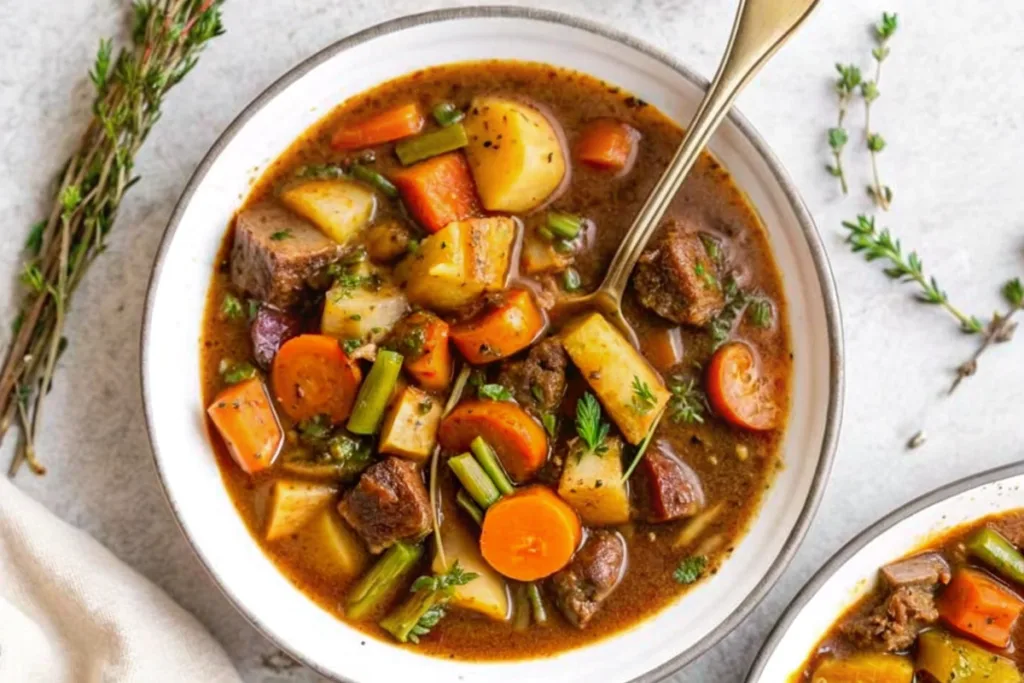
This authentic Irish stew recipe requires ingredients that are both accessible and essential to achieving its signature flavor. Below is a detailed list of what you’ll need, along with substitutions and tips to ensure success.
- 1 pound beef (or lamb): Use a chuck shoulder or stew meat if you’re working with beef. For a lamb stew recipe, lamb shoulder or leg of lamb is ideal, as it becomes tender when slow-cooked.
- Salt and pepper: Essential for seasoning, adjust to taste.
- 1 to 2 tablespoons avocado oil: A healthier alternative to butter, it adds a subtle flavor without overpowering the dish.
- 1 white or yellow onion: Cut into large chunks to release its natural sweetness during cooking.
- 4 cloves garlic, minced: Adds a aromatic depth that complements the meat.
- 3 tablespoons butter: For richness and a glossy finish.
- 3 tablespoons white rice flour (or substitute with all-purpose flour): Used to thicken the stew. If you prefer a gluten-free option, cornstarch works well.
- 3 cups low sodium beef broth: Ensures the stew isn’t overly salty. Always check the label to avoid excess sodium.
- A few sprigs of thyme (or ½ teaspoon dried thyme): Fresh thyme adds a vibrant flavor, while dried is a convenient alternative.
- 16 ounces mushrooms: Washed and quartered, they contribute an earthy note.
- 4 stalks celery: Cut into large chunks for a crunchy texture.
- 5 carrots: Pealed and cut into large chunks for sweetness.
- 10 red potatoes: Cut into big chunks to absorb the stew’s flavors.
- 1 teaspoon kosher salt: Again, adjust to taste.
- Black pepper, to taste: Adds a final layer of seasoning.
- Fresh parsley, for garnish: Adds a pop of color and freshness.
This ingredient list is designed to be straightforward, yet each component plays a vital role in the stew’s overall taste. Whether you’re using beef or lamb, the key is to let the ingredients shine. For example, the avocado oil and butter create a balanced fat profile, while the broth ensures the stew remains moist and flavorful.
Step-by-Step Instructions
Preparing this authentic Irish stew recipe is a matter of patience and attention to detail. Follow these steps to create a dish that’s both satisfying and true to tradition.
- Prepare the meat: Cut the beef or lamb into 1-inch chunks. Pat them dry with paper towels to ensure they brown properly. Season with salt and pepper.
- Sear the meat: Heat the avocado oil in a large pot over medium-high heat. Add the meat and cook until browned on all sides, about 5–7 minutes. Remove and set aside.
- Sauté the vegetables: In the same pot, add the onion and garlic. Cook until the onion is translucent, about 5 minutes. Stir in the celery, carrots, and mushrooms, cooking for another 5 minutes.
- Add the flour: Sprinkle in the rice flour (or substitute) and stir continuously for 1–2 minutes to prevent clumping. This will help thicken the stew.
- Return the meat: Add the browned meat back to the pot. Pour in the beef broth and thyme. Bring to a simmer.
- Simmer gently: Reduce the heat to low, cover, and let the stew cook for 1.5–2 hours, stirring occasionally. The meat should become fork-tender, and the vegetables should soften.
- Adjust seasoning: Taste and add more salt or pepper as needed.
- Serve: Once done, remove from heat and garnish with fresh parsley. Serve hot, ideally in a large pot to keep it warm.
Chef Tips & Substitutions:
- For an easy Irish stew, consider using pre-cut vegetables to save time.
- If you don’t have beef broth, water can be used, but the flavor will be less rich.
- To make it gluten-free, use cornstarch instead of flour.
- If you’re short on time, you can slow-cook the stew in a slow cooker on low for 6–8 hours.
Recipe Card Block (Quick Reference)
- Prep Time: 20 minutes
- Cook Time: 2 hours
- Total Time: 2 hours 20 minutes
- Servings: 4
- Approximate Calories: 350 per serving
Why This Recipe Works & Expert Tips
What makes this authentic Irish stew recipe a standout is its balance of textures and flavors. The combination of tender meat, sweet vegetables, and aromatic herbs creates a dish that’s both hearty and refined. Unlike many lamb stew recipes that rely on a single protein, this version uses a mix of ingredients to build depth. For instance, the beef or lamb becomes tender from slow cooking, while the carrots and potatoes add natural sweetness, and the herbs provide a fresh, earthy contrast.
This easy Irish stew is particularly well-suited for family dinners or holiday meals. Its simplicity means you can prepare it ahead of time, and it reheats beautifully. The use of low sodium broth ensures it’s not overly salty, making it a healthier option without sacrificing taste. Additionally, the recipe is flexible enough to accommodate dietary preferences. If you’re looking for a lamb stew recipe that’s easier to make, you can substitute beef, which is often more readily available.
For those seeking a traditional Irish stew recipe, the key is to avoid overcomplicating the process. The ingredients are minimal, but each one contributes to the dish’s authenticity. For example, using fresh thyme instead of dried can elevate the flavor, while the right cut of meat ensures tenderness. Another tip is to let the stew rest for a few minutes before serving; this allows the flavors to meld even further.
If you’re looking for an easy comfort food for family dinners, this recipe is a perfect fit. It’s forgiving, flavorful, and versatile. Plus, it’s a great way to use up leftovers or seasonal vegetables. Whether you’re cooking for a crowd or just yourself, this Irish stew recipe is a reliable choice that never fails to impress.
Storage, Freezing, and Reheating Tips
One of the biggest advantages of this authentic Irish stew recipe is its versatility when it comes to storage and reheating. Since it’s a hearty dish with plenty of meat and vegetables, it stores well in the refrigerator or freezer.
- Refrigeration: Store leftovers in an airtight container for up to 4 days. Reheat gently on the stovetop or in the microwave, adding a splash of broth if it thickens too much.
- Freezing: The stew can be frozen for up to 3 months. Cool it completely before transferring to a freezer-safe container. Thaw in the refrigerator overnight and reheat on the stovetop.
- Reheating: Avoid boiling the stew again, as this can make it lose its texture. Instead, simmer it on low heat or use a microwave in short intervals.
If you’re looking for an easy Irish stew that’s also freezer-friendly, this recipe is ideal. It’s perfect for meal prepping or having a hearty meal on a busy day. Additionally, the use of low sodium broth makes it a healthier option, aligning with modern dietary trends.
For those who frequently ask, “How do you thicken Irish stew?” the answer lies in the flour. The rice flour acts as a natural thickener, but if you prefer a thinner consistency, you can skip it or use a tomato-based sauce instead.
People Also Ask: Traditional Irish Stew
What is the difference between Irish stew and beef stew?
The primary difference between an authentic Irish stew recipe and a beef stew lies in the type of meat and the cooking method. Traditional Irish stew typically uses lamb, which has a distinct flavor and tenderness when slow-cooked. Beef stew, on the other hand, often uses beef cuts like chuck or brisket and may have a different balance of vegetables. While both are comforting, the lamb stew recipe is more closely associated with Irish heritage and is often considered more rustic. The key distinction is in the meat and the cultural context.
What cut of lamb is best for Irish stew?
For an authentic Irish stew recipe, the best cut of lamb is the shoulder or leg. These cuts are tougher when raw but become incredibly tender when cooked slowly in liquid. They also absorb the flavors of the broth and herbs, making them ideal for a lamb stew recipe. If you can’t find lamb, beef from a chuck shoulder works well as an alternative. The key is to choose a cut that becomes tender with extended cooking time, ensuring the stew is both flavorful and satisfying.
How do you thicken Irish stew?
Thickening an Irish stew is a common concern, especially for those following an easy Irish stew recipe. The most traditional method is to use flour, such as white rice flour, which is added to the stew and stirred continuously to prevent clumping. If you prefer a gluten-free option, cornstarch is a great substitute. Alternatively, you can simmer the stew for longer to reduce the liquid, which naturally thickens it. Just be cautious not to over-thicken, as this can alter the texture.
Do you put carrots in a traditional Irish stew?
Yes, carrots are a staple in an authentic Irish stew recipe. They add natural sweetness and a vibrant color to the dish. The carrots are typically cut into large chunks to absorb the stew’s flavors. While some modern variations might omit carrots, they are considered essential in traditional preparations. If you’re worried about texture, you can cook the carrots separately and add them at the end, but the traditional method involves simmering them together with the meat for maximum integration.
Conclusion: Traditional Irish Stew
If you’re looking for a dish that combines tradition, flavor, and ease, this authentic Irish stew recipe is a must-try. Whether you’re cooking for a family dinner, a holiday gathering, or a cozy night in, this lamb stew recipe delivers the warmth and comfort that defines Irish cuisine. The simplicity of the ingredients and the thorough cooking process make it accessible to all skill levels, ensuring that even beginners can achieve restaurant-quality results.
Don’t hesitate to experiment with the recipe. If you prefer beef, substitute it for lamb. If you’re short on time, use pre-cut vegetables. The beauty of this easy Irish stew is its flexibility. Once you’ve mastered the basics, you can add your own twist, whether it’s a splash of vinegar for acidity or a touch of honey for sweetness.
We’d love to hear about your experience with this Irish stew recipe. Share your results in the comments or on social media, and don’t forget to tag us if you’re using the authentic Irish stew recipe or a lamb stew recipe. Your story could inspire others to try this timeless dish.
You Might Also Like
- 4 Ingredient Banana Bread: The Easiest Recipe Ever!
- Best Vegan Gluten Free Chocolate Cake Recipe 🍫🌱 Easy & Delicious!
- Valentine Crinkle Cookies: The Easiest Festive Cookies for a Sweet Holiday!
- Easy Pumpkin Bread Loaf Recipe – Moist & Perfectly Spiced!
Find Us On Pinterest and Facebook.
Print
Traditional Irish Stew
- Total Time: 2 hours 5 minutes
- Yield: 6 servings 1x
Description
Discover the comforting flavors of Traditional Irish Stew, a hearty one‑pot dish featuring tender beef, root vegetables, and aromatic herbs. Perfect for chilly evenings, this classic recipe brings authentic Irish cuisine to your table with rich, savory broth and melt‑in‑your‑mouth meat.
Ingredients
- 1 pound beef (chuck shoulder or stew meat), cut into 1‑inch chunks, seasoned with salt and pepper
- 2 tablespoons avocado oil
- 1 large white or yellow onion, cut into large chunks
- 4 cloves garlic, minced
- 3 tablespoons butter
- 3 tablespoons all‑purpose flour
- 3 cups low‑sodium beef broth
- A few sprigs of fresh thyme (or ½ teaspoon dried thyme)
- 16 ounces mushrooms, washed and quartered
- 4 stalks celery, cut into large chunks
- 5 carrots, peeled and cut into large chunks
- 10 red potatoes (about 2 pounds), cut into big chunks
- ½ teaspoon kosher salt
- Black pepper, to taste
- Fresh parsley, for garnish
Instructions
- Season the beef with salt and pepper, then toss with flour to coat.
- Heat avocado oil in a large pot over medium‑high heat and brown the beef on all sides; remove and set aside.
- Reduce heat to medium, add butter, and sauté onion and garlic until softened.
- Stir in thyme and mushrooms, cooking until mushrooms begin to brown.
- Return the beef to the pot, pour in beef broth, and bring to a simmer.
- Add carrots, celery, and potatoes; season with kosher salt and additional black pepper.
- Cover and simmer gently for 1½–2 hours, or until the meat is tender and vegetables are cooked through.
- Adjust seasoning, garnish with fresh parsley, and serve hot.
Notes
For a lighter version, substitute lamb for beef or use a combination of both. If you prefer a thicker broth, increase the flour to ¼ cup. Leftovers taste even better the next day and reheat well. Store in an airtight container in the refrigerator for up to 3 days or freeze for up to 3 months.
- Prep Time: 20 minutes
- Cook Time: 1 hour 45 minutes
- Category: B
- Method: Simmer
- Cuisine: Irish
Nutrition
- Serving Size: 1 serving
- Calories: 350
- Sugar: 5g
- Sodium: 600mg
- Fat: 12g
- Saturated Fat: 5g
- Unsaturated Fat: 7g
- Trans Fat: 0g
- Carbohydrates: 35g
- Fiber: 5g
- Protein: 20g
- Cholesterol: 45mg
Keywords: beef stew, comfort food, Irish recipe, hearty, cold weather