
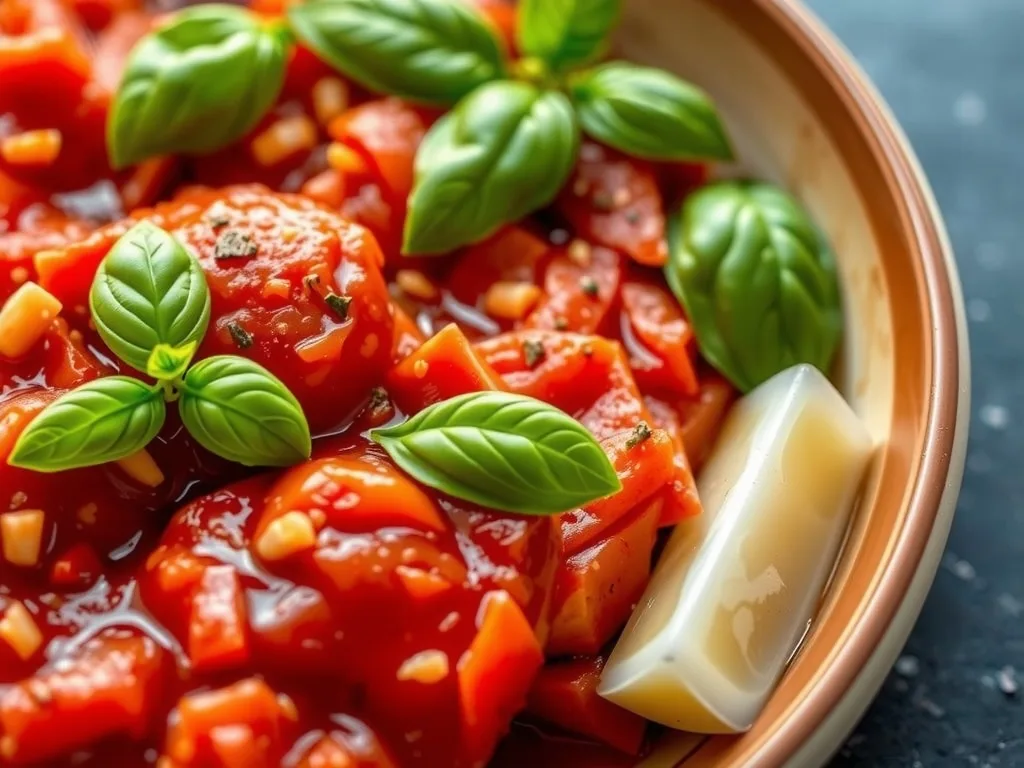
There’s a reason the simplest recipes are often the most beloved. Authentic Italian Tomato Sauce isn’t about long lists of exotic ingredients or complicated techniques. It’s about letting a handful of quality components shine: ripe tomatoes, fragrant garlic, fresh basil, and good olive oil. This is the sauce that Italian grandmothers (Nonna) have been making for generations—a sauce that turns a humble plate of spaghetti into a soul-warming meal.
If you’re over 40, you’ve likely spent years chasing that perfect, homemade spaghetti sauce from scratch—the one that tastes like a small trattoria in Tuscany. The secret isn’t more herbs or sugar. It’s patience, quality canned tomatoes (preferably San Marzano), and a gentle simmer that transforms simple ingredients into liquid gold. This classic Italian marinara sauce comes together in under 30 minutes, yet it tastes like it has been bubbling away all afternoon.
In this guide, I’ll share the exact method I learned from my own travels through Italy and years of home cooking. You’ll discover why this San Marzano tomato sauce recipe works so beautifully, how to customize it for your family, and answers to the most common questions. Whether you’re canning for winter, feeding a crowd, or just craving a bowl of pasta that tastes like love, this recipe will become your go-to.
Alternate Names & Variations
This Authentic Italian Tomato Sauce goes by several names depending on the region and use. You’ll often hear it called “Marinara” (though true marinara is typically quicker-cooking and sometimes includes oregano). In southern Italy, a similar sauce is known as “Salsa di Pomodoro” or simply “Il Sugo.” When made with fresh tomatoes in summer, it becomes “Pomodoro Fresco.”
Here are delicious variations to try:
- Aglio e Olio style – Double the garlic and add a pinch of red pepper flakes for a spicy, garlicky sauce.
- Sofritto base – Sauté ¼ cup finely chopped onion, ¼ cup carrot, and ¼ cup celery with the garlic for a deeper, sweeter sauce (this is closer to a traditional ragù base).
- Herb-infused – Add a sprig of fresh oregano or a bay leaf during the simmer, then remove before serving.
- Butter tomato sauce – Stir in 1 tablespoon of cold butter at the end for a richer, velvety texture (a trick from Italian chef Marcella Hazan).
- Vegetable-packed – Grate a small zucchini or carrot into the sauce while it simmers for extra nutrition and natural sweetness.
For a classic Italian marinara sauce that’s perfect for seafood pasta, reduce the simmering time to 15 minutes and add a splash of white wine. This recipe is also the foundation for pizza sauce—just simmer it for an extra 10 minutes to thicken.
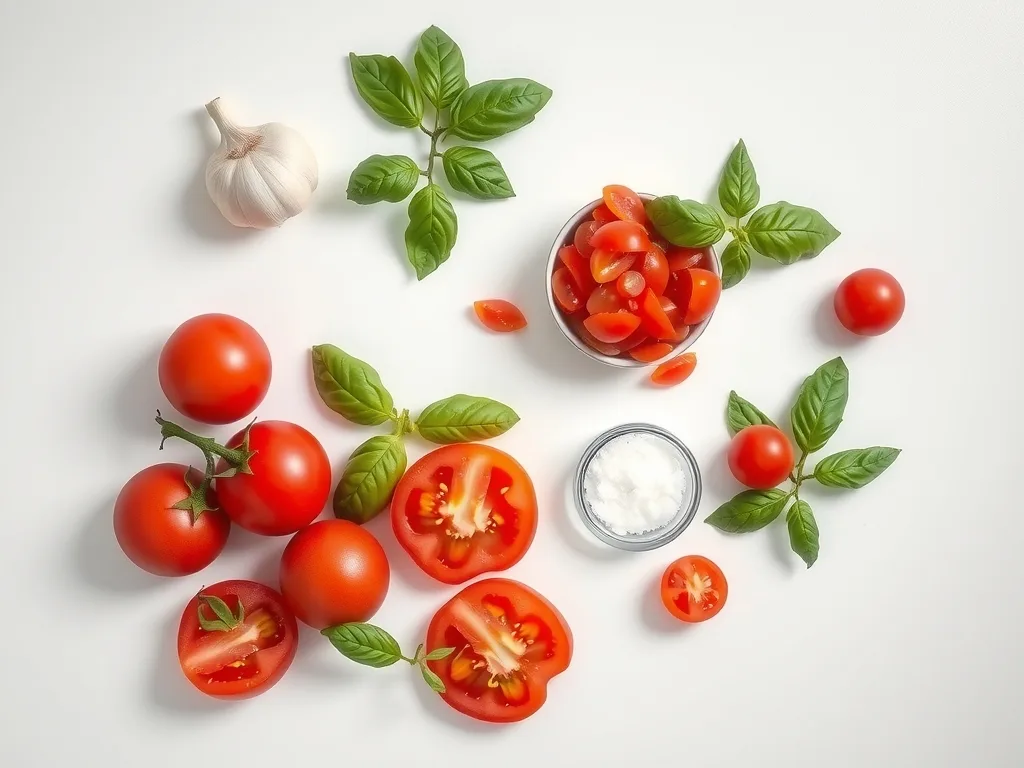
Ingredients: Authentic Italian Tomato Sauce
The script will automatically place an image immediately after this header.
1 clove garlic (fresh, not jarred – gently crushed or thinly sliced)
15 oz (400 g) good quality canned chopped tomatoes – San Marzano D.O.P. are ideal, but any whole peeled Italian tomatoes work
1 handful fresh basil (optional but highly recommended – tear, don’t chop)
1–2 tablespoons extra virgin olive oil (use a good-quality, fruity oil)
Salt (fine sea salt, to taste)
Optional: A pinch of sugar (only if your tomatoes are very acidic – most good canned tomatoes don’t need it)
Test Kitchen Tip: Avoid tomato products with added herbs, sugar, or “Italian seasoning.” Plain crushed or whole peeled tomatoes give you full control. If using whole peeled tomatoes, crush them by hand or with a spoon as they cook.
Step-by-Step Instructions: Authentic Italian Tomato Sauce
- Prep the garlic and basil – Peel the garlic clove and either smash it with the flat side of a knife (for a milder flavor) or slice it thinly (for a stronger garlic presence). Tear the basil leaves into small pieces by hand – tearing releases more essential oils than chopping with a knife.
- Warm the oil and garlic – Pour 1–2 tablespoons of olive oil into a medium saucepan or a wide skillet (a skillet allows faster reduction). Set the heat to medium-low. Add the garlic and cook gently for 1–2 minutes, stirring occasionally. You want the garlic to become fragrant and just barely golden – never brown. Browned garlic turns bitter.
- Add the tomatoes – Pour in the canned chopped tomatoes (including all juices). If using whole peeled tomatoes, crush them with your hands as you add them or break them up with a wooden spoon in the pan. Stir to combine with the garlic and oil.
- Season and simmer – Bring the sauce to a gentle bubble, then immediately reduce the heat to low. Add a pinch of salt (start with ¼ teaspoon). Let the sauce simmer uncovered for 20–25 minutes, stirring every few minutes. The sauce will thicken slightly and the flavors will concentrate. Do not boil vigorously – a low, lazy simmer is what you want.
- Add the basil – In the last 5 minutes of cooking, stir in the torn fresh basil leaves. Basil added early can become bitter and dark; adding it at the end preserves its bright, peppery flavor. If you prefer a smoother sauce, you can also stir in whole basil sprigs during the simmer and remove them before serving.
- Taste and adjust – Remove the saucepan from heat. Taste the sauce. Add more salt if needed (usually another pinch). If the sauce tastes too acidic, add a tiny pinch of sugar (no more than ⅛ teaspoon). If you like a thinner sauce, stir in a tablespoon of hot pasta water.
- Serve or store – Use immediately over spaghetti, as a base for lasagna, or as a dipping sauce for bread. For a silky texture, you can pass the sauce through a food mill or blend it with an immersion blender (but authentic Italian sauces often have a rustic, slightly chunky texture).
Chef’s Substitution: No fresh garlic? Use ¼ teaspoon garlic powder added with the tomatoes. No fresh basil? Stir in 1 teaspoon dried basil in the last 5 minutes, but know the flavor won’t be as vibrant. For a vegan version, you’re already set – this sauce is naturally plant-based.
Recipe Card Reference: Authentic Italian Tomato Sauce
Prep Time: 5 minutes
Cook Time: 25 minutes
Total Time: 30 minutes
Servings: Makes about 1½ cups of sauce (enough for 4 servings of pasta, using ½ cup sauce per portion)
Calories per serving (sauce only): Approximately 60 calories (based on 4 servings, using 2 tbsp olive oil)
This homemade spaghetti sauce from scratch is incredibly low in calories but big on flavor. Each serving contains roughly 4g of fat (mostly heart-healthy olive oil), 2g of protein, and 5g of carbohydrates. If you’re watching your sodium, use no-salt-added tomatoes and reduce the salt to a pinch. For a heartier meal, add cooked ground meat, mushrooms, or lentils.
Why This Recipe Works & Expert Tips: Authentic Italian Tomato Sauce
The secret to a good Italian tomato sauce – It’s not a secret at all: it’s simplicity and quality. Many home cooks overcomplicate tomato sauce by adding onion, carrot, celery, multiple herbs, red wine, or even beef stock. While those make a fine sauce, they aren’t authentic to the simplest Italian tomato sauce. True Italian “salsa di pomodoro” uses just a few ingredients: tomatoes, garlic, olive oil, salt, and basil. Each ingredient must be the best you can find. The garlic is gently sweated, never burned. The tomatoes are slow-simmered to concentrate their natural sugars. The basil goes in at the end. That’s it.
Why San Marzano tomatoes matter – San Marzano tomatoes are a specific variety of plum tomato grown in the volcanic soil near Mount Vesuvius in Italy. They have thicker flesh, fewer seeds, lower acidity, and a naturally sweet, balanced flavor. When you use a San Marzano tomato sauce recipe, you’ll notice the sauce doesn’t need sugar or hours of cooking to tame bitterness. Look for “D.O.P.” certification on the can (Denominazione d’Origine Protetta). If you can’t find San Marzano, seek out any Italian whole peeled tomatoes – they are typically packed in tomato purée, not water or juice, which adds body.
Long-tail keyword deep-dive: “How long should you simmer tomato sauce?” – This is one of the most common questions. For a quick, bright marinara-style sauce, 20–25 minutes is perfect. This preserves the fresh tomato flavor while allowing the garlic and basil to infuse. However, if you have time and want a deeper, caramelized sauce, you can simmer for 45 minutes to 2 hours. Longer simmering evaporates water, concentrates sugars, and develops complex notes. Just add a splash of water if the sauce becomes too thick. Never simmer for less than 15 minutes – raw tomato flavor needs time to mellow.
Pro tip for extra depth – Before adding the tomatoes, deglaze the pan with a small splash of dry white wine or even a tablespoon of water. Scrape up any garlic bits stuck to the bottom. This lifts all that flavor into the sauce. Another trick: stir in a Parmesan rind while the sauce simmers (remove before serving). It adds an umami richness without making the sauce cheesy.
Storage, Freezing, and Reheating
Refrigerator storage – This authentic Italian tomato sauce keeps beautifully in the fridge for up to 5 days. Transfer it to a glass jar or airtight container once completely cooled. The flavors actually meld and improve after a day or two. Before using, give it a stir – some separation is normal.
Freezing instructions – Tomato sauce is one of the best things to freeze. Let the sauce cool completely, then portion it into freezer-safe bags or containers. I like to freeze in 1-cup portions (perfect for a quick pasta dinner). Lay the bags flat on a baking sheet to freeze – they stack neatly. The sauce will keep for up to 6 months. To thaw, transfer a bag to the refrigerator overnight or place the frozen sauce directly into a saucepan over low heat, stirring occasionally.
Reheating tips – Reheat sauce gently on the stovetop over medium-low heat, adding a tablespoon of water or pasta cooking water if it has thickened too much. Avoid boiling – high heat can concentrate the tomatoes to a paste-like consistency and dull the fresh flavors. For single servings, microwave in 30-second bursts, stirring in between.
Canning instructions – This recipe is not acidic enough for safe water-bath canning unless you add bottled lemon juice (follow USDA guidelines). For long-term shelf storage, use a pressure canner. Otherwise, stick to freezing – it’s safer and preserves flavor better.
People Also Ask: Authentic Italian Tomato Sauce
The script will automatically place an image immediately after this header.
What is the secret to a good Italian tomato sauce?
The secret is threefold: quality ingredients, gentle cooking, and patience. Start with the best canned San Marzano tomatoes you can find – their low acidity and natural sweetness eliminate the need for sugar. Use fresh garlic (never powdered) and good extra virgin olive oil. Cook the garlic over medium-low heat until fragrant but not brown; browned garlic turns bitter. Simmer the sauce uncovered for at least 20 minutes to concentrate flavors, but don’t rush with high heat – a low, gentle bubble is ideal.
Finally, add fresh basil only at the end, and finish with a pinch of good salt. No oregano, no onion, no carrot – simplicity lets the tomatoes shine.
What are the best tomatoes for Italian tomato sauce?
For authentic Italian tomato sauce, San Marzano tomatoes are widely considered the gold standard. These elongated plum tomatoes grow in the rich volcanic soil of the Sarnese-Nocerino region near Naples. They have thick flesh, few seeds, low acidity, and a sweet, balanced flavor. If you can’t find D.O.P. San Marzano, look for any whole peeled Italian tomatoes – brands like Mutti, Cento, or Bianco DiNapoli. Avoid tomato products labeled “purée” or “paste” for this recipe; you want whole or chopped tomatoes in their own juice.
For a fresh tomato version in summer, use ripe Roma or plum tomatoes – blanch, peel, seed, and chop them before cooking.
How long should you simmer tomato sauce?
The simmering time depends on your desired outcome. For a bright, fresh-tasting classic Italian marinara sauce, simmer for 20–25 minutes. This is enough time to mellow the raw tomato flavor and infuse the garlic and basil. For a richer, more concentrated sauce (often called “sugo”), simmer for 45 minutes to 2 hours. Longer cooking evaporates water, deepens color, and caramelizes natural sugars, creating a thicker, sweeter sauce.
However, avoid simmering for more than 2 hours with canned tomatoes – they can develop a metallic taste. If you want an all-day sauce, use fresh tomatoes and add a carrot to balance acidity. Always keep the heat low; a vigorous boil can cause bitterness.
What is the difference between tomato sauce and marinara?
In American grocery stores, “tomato sauce” often refers to a smooth, puréed product with added herbs and sometimes sugar or onion powder. “Marinara” is typically a chunkier, quicker-cooking sauce made with tomatoes, garlic, olive oil, and herbs (usually basil or oregano). In authentic Italian cooking, the distinction is less rigid. Marinara (from “marinaro” meaning sailor’s style) is a fast, uncooked or briefly cooked sauce traditionally made aboard ships – it contains no meat and is ready in 15–20 minutes.
Tomato sauce (salsa di pomodoro) can be simmered longer and might include onion or carrot. However, many Italians use the terms interchangeably. The recipe I’ve shared here falls somewhere in between – simple like a marinara but simmered just long enough to be called a proper tomato sauce.
Conclusion: Authentic Italian Tomato Sauce
I hope this recipe becomes a cherished staple in your kitchen. There’s something deeply satisfying about making homemade spaghetti sauce from scratch with just a few honest ingredients. It connects us to generations of Italian cooks who knew that food doesn’t need to be complicated to be memorable. Whether you’re tossing it with spaghetti, layering it into lasagna, or spooning it over meatballs, this sauce delivers pure, tomatoey comfort.
If you try this recipe, please leave a comment below or tag me in your photos on social media. I’d love to see how you use it. And don’t forget to share this post with anyone who thinks making sauce from a jar is the only option – they’re about to discover a new world of flavor.
You Might Also Like:
- Amish Tomato Pie – The Best Comfort Dish to Try This Summer
- Smoked Meatloaf Recipe: Juicy & Flavorful
- Best Spicy Cajun Salmon Recipe – Quick & Flavorful Dinner Idea! 🐟🌶️✨
- Ultimate CrackerBarrel Meatloaf Recipe – Easy & Comforting Dish!
Find Us On Pinterest and Facebook.
Print
Authentic Italian Tomato Sauce
- Total Time: 55 minutes
- Yield: 4 servings 1x
- Diet: Vegetarian
Description
Dive into the rich, aromatic flavors of Italy with this authentic homemade tomato sauce. Made with ripe tomatoes, fragrant basil, and a hint of olive oil, it’s perfect for pasta, pizza, or any Italian-inspired dish.
Ingredients
- 1 clove garlic, minced
- 15 oz (400 g) good quality canned chopped tomatoes
- 1 handful fresh basil leaves, torn
- 1–2 tablespoons extra‑virgin olive oil
- Salt, to taste
Instructions
- Heat the olive oil in a saucepan over medium heat.
- Add the minced garlic and sauté for about 30 seconds until fragrant.
- Stir in the canned tomatoes and bring to a gentle simmer.
- Add the fresh basil, season with salt, and let the sauce simmer low and slow for 40–45 minutes, stirring occasionally.
- Taste and adjust seasoning before serving.
Notes
Tip: For a thicker sauce, simmer uncovered for a few extra minutes. This sauce pairs beautifully with spaghetti, penne, or as a base for pizza. Store in an airtight container in the refrigerator for up to 5 days, or freeze for up to 3 months.
- Prep Time: 10 minutes
- Cook Time: 45 minutes
- Category: B
- Method: Simmer
- Cuisine: Italian
Nutrition
- Serving Size: 1 cup
- Calories: 70
- Sugar: 5g
- Sodium: 400mg
- Fat: 3g
- Saturated Fat: 0.5g
- Unsaturated Fat: 2.5g
- Trans Fat: 0g
- Carbohydrates: 12g
- Fiber: 2g
- Protein: 2g
- Cholesterol: 5mg
Keywords: Italian, sauce, tomato, pasta, easy, homemade