
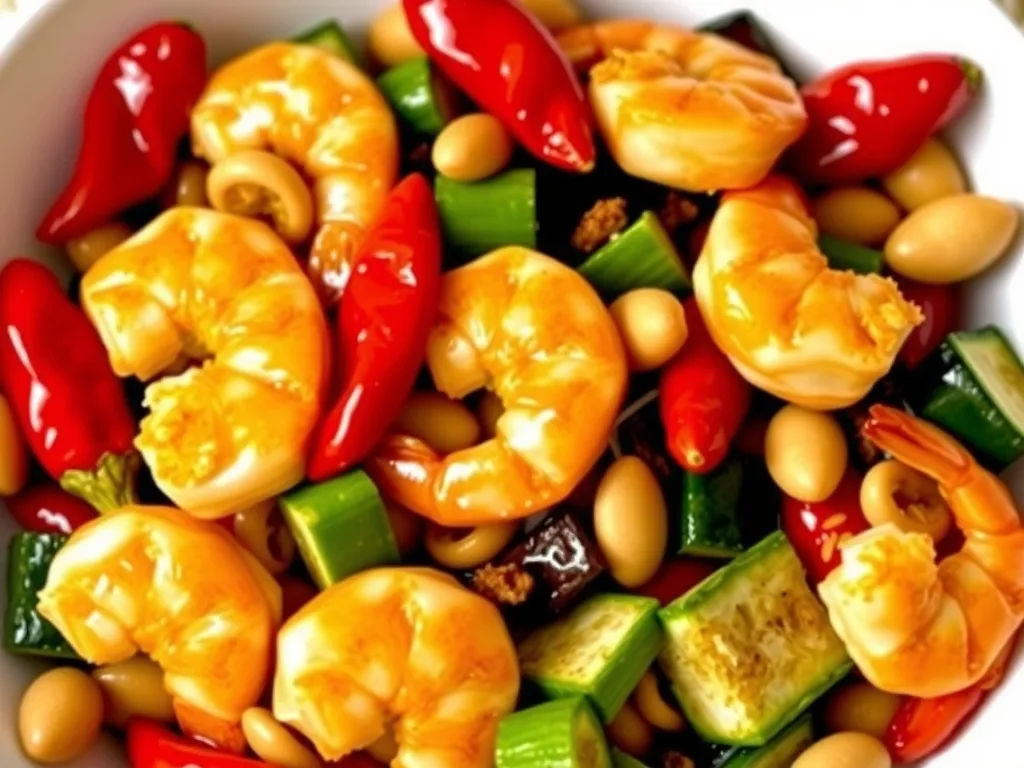
Best Kung Pao Shrimp
Imagine the sizzle of shrimp hitting a hot wok, the fragrant whisper of dried red chilies, and the sweet‑savory glaze that clings to every bite. This Best Kung Pao Shrimp recipe brings the beloved Szechuan classic to your dinner table with a perfect balance of heat, tang, and umami that feels both comforting and exciting. Whether you’re revisiting a favorite takeout memory or discovering the dish for the first time, the straightforward steps and pantry‑friendly ingredients make it an ideal weeknight centerpiece for cooks aged 40‑65+.
Kung Pao, also known as Gong Bao or Kung Po, originates from the Sichuan province of China, where bold flavors and fiery chilies reign supreme. The dish traditionally features diced chicken, but shrimp offers a lighter, quicker‑cooking alternative that absorbs the sauce beautifully while staying tender. By following this easy kung pao shrimp recipe, you’ll achieve restaurant‑quality results without the fuss, letting the authentic kung pao sauce recipe shine through every glossy coating.
In the sections that follow, you’ll find everything you need to master this dish: a clear ingredient list, detailed step‑by‑step instructions, expert tips for perfect texture, and practical advice for storage and reheating. Get ready to fill your kitchen with the irresistible aroma of szechuan kung pao shrimp and impress family and friends with a meal that’s as nourishing as it is delicious.
Alternate Names & Variations
Kung Pao shrimp is often labeled Kung Po or Gong Bao shrimp on menus, reflecting the transliteration of the Chinese characters 宫保. While the classic version uses chicken, shrimp is a popular substitution that cooks faster and brings a delicate sweetness to the dish. Vegetarian fans can swap the shrimp for firm tofu or tempeh, pressing and cubing it before velveting in the same cornstarch‑soy mixture. Vegetable variations are endless: add snap peas, baby corn, or sliced mushrooms for extra crunch; swap zucchini for bell peppers of any color for a sweeter profile; or toss in a handful of broccoli florets for a heartier bite. For those who prefer less heat, reduce the number of dried red chilies or remove their seeds; conversely, spice lovers can increase the chilies or add a dash of Sichuan peppercorn powder for that signature numbing sensation. Regardless of the tweaks, the core balance of sweet, salty, sour, and umami remains the hallmark of an authentic kung pao shrimp recipe.
Ingredients
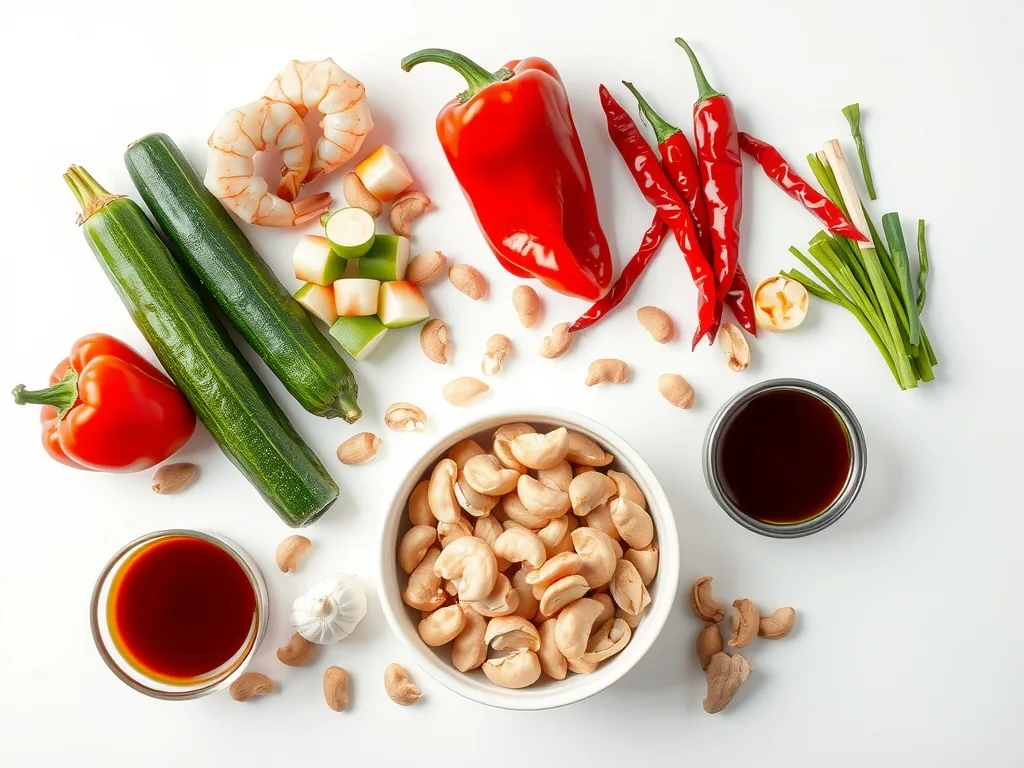
– 3/4 lb (340 g) large shrimp, peeled, deveined, tails off
– 1/2 cup zucchini, cubed (about ½‑inch pieces) – 1/3 cup red bell pepper, sliced into thin strips
– 1/3 cup canned water chestnuts, drained and sliced
– 1/3 cup unsalted peanuts, roughly chopped (plus extra for garnish) – 10‑14 dried red chilies, whole (adjust to heat preference)
– 1/4 cup green onions, chopped (white and green parts separated) – 8‑12 slices fresh ginger (about 1 tbsp minced) or 1/4 tsp ginger powder
– 1 ½ tbsp minced garlic
– 1 ½ tbsp vegetable oil (plus more as needed for stir‑frying) Kung Pao Sauce – 2 tbsp light soy sauce (or regular soy sauce)
– 2 tsp dark soy sauce (for color and depth)
– 3 tbsp granulated sugar
– 4 tsp rice vinegar – 2 tbsp water – 2 tsp cornstarch
– ½ tsp sesame oil
*Optional garnish*: extra chopped peanuts, a drizzle of sesame oil, and additional sliced green onions. ## Step-by-Step Instructions
1. Make the sauce – In a small bowl whisk together soy sauces, sugar, rice vinegar, water, cornstarch, and sesame oil until smooth. Set aside. 2. Prep the shrimp – Pat the shrimp dry with paper towels. Toss with a pinch of salt and ½ tsp cornstarch; this light coating helps keep the shrimp tender during quick stir‑frying.
3. Prepare the aromatics – Slice the ginger (if using fresh) and mince the garlic. Separate the white parts of the green onions from the green tops; reserve the greens for finishing.
4. Heat the wok – Place a wok or large skillet over medium‑high heat. Add 1 ½ tbsp vegetable oil and swirl to coat. When the oil shimmers, add the dried red chilies and stir‑fry for 15‑20 seconds until fragrant but not burnt.
5. Add ginger and garlic – Toss in the ginger slices (or ginger powder) and minced garlic. Stir‑fry another 10 seconds, releasing their aroma.
6. Cook the shrimp – Push the aromatics to the side of the wok. Add the shrimp in a single layer; let them sit undisturbed for 30 seconds to develop a light sear, then stir‑fry for 1‑2 minutes until they turn pink and opaque. Remove shrimp and set aside temporarily.
7. Stir‑fry the vegetables – If needed, add a splash more oil to the wok. Add the zucchini, red bell pepper, and water chestnuts. Stir‑fry for 2‑3 minutes until crisp‑tender.
8. Combine and sauce – Return the shrimp (with any juices) to the wok. Add the chopped peanuts and the white parts of the green onions. Pour the prepared kung pao sauce over everything, stirring quickly to coat. The sauce will thicken and become glossy within 30‑45 seconds.
9. Finish and serve – Stir in the reserved green‑onion tops. Taste and adjust seasoning with a pinch more sugar or soy sauce if desired. Transfer to a serving bowl, sprinkle extra peanuts and a drizzle of sesame oil, and serve immediately with steamed rice or noodles.
Chef’s Tips
– Velveting the shrimp (the cornstarch‑salt toss) locks in moisture and prevents a rubbery texture.
– Do not overcrowd the wok; cook shrimp in batches if necessary to maintain high heat for a proper sear.
– Adjust heat by removing seeds from the chilies or using fewer dried chilies for a milder dish.
– Roasted peanuts add deeper flavor; if unavailable, cashews or toasted almonds work well.
Recipe Card Reference
Prep Time: 15 minutes Cook Time: 10 minutes Total Time: 25 minutes
Servings: 4 (about ½ lb shrimp per serving)
Calories per Serving: approximately 320 kcal (varies with oil and peanut amount) ## Why This Recipe Works & Expert Tips The secret to a standout kung pao shrimp lies in the harmony of contrasting textures and the layered sauce that clings to each bite. First, the shrimp are lightly coated in cornstarch—a technique known as velveting—that creates a protective barrier, locking in juices while allowing a quick sear that yields a tender interior and a slightly crisp exterior. Second, the sauce combines light soy sauce for salinity, dark soy sauce for caramelized depth, rice vinegar for bright acidity, and sugar for a mellow sweetness that balances the heat from dried red chilies. The cornstarch slurry thickens the sauce just enough to give it a glossy, restaurant‑style finish without turning it gloopy.
Third, the aromatics—ginger, garlic, and chilies—are added to hot oil before the shrimp, allowing their essential oils to infuse the oil and create a fragrant base. By removing the shrimp briefly to cook the vegetables separately, we avoid overcooking the delicate seafood while ensuring the zucchini and peppers retain a pleasant crunch.
Finally, the peanuts contribute a buttery, nutty contrast that cuts through the sauce’s richness and adds a satisfying bite. Substituting with cashews or using a splash of chili oil can tweak the flavor profile, but the core technique remains the same: high heat, quick cooking, and a sauce that clings beautifully. ## Storage, Freezing, and Reheating
Allow the kung pao shrimp to cool to room temperature before transferring it to an airtight container. Stored in the refrigerator, it will stay fresh for up to 3 days. For longer storage, keep the sauce and cooked components separate: place the shrimp and vegetables in one container and the sauce in another; both can be frozen for up to 2 months. Thaw overnight in the refrigerator before reheating. To reheat, warm a skillet over medium heat, add a splash of water or broth to loosen the sauce, and stir‑fry the shrimp and vegetables for 2‑3 minutes until heated through. If using a microwave, cover the dish loosely and heat in 30‑second intervals, stirring between bursts, until hot. Finish with a sprinkle of fresh peanuts and green onions for renewed texture and aroma.
People Also Ask
What is Kung Pao shrimp sauce made of?
The kung pao shrimp sauce is a balanced blend of savory, sweet, sour, and umami elements. It starts with light and dark soy sauces for salty depth, rice vinegar for a bright tang, and granulated sugar to mellow the heat. Water and cornstarch create a smooth slurry that thickens the sauce into a glossy coating, while a touch of sesame oil adds a nutty finish. Together, these ingredients produce the signature flavor that defines authentic kung pao shrimp.
Is Kung Pao shrimp very spicy?
The spice level of kung pao shrimp can be tailored to your preference. The heat primarily comes from dried red chilies used whole in the stir‑fry. By keeping the chilies intact and removing their seeds, you impart a warm, aromatic spiciness without overwhelming heat. For a milder version, reduce the number of chilies or omit them entirely; for extra kick, add more chilies, a pinch of Sichuan peppercorn powder, or a dash of chili oil.
What is the difference between Szechuan shrimp and Kung Pao shrimp?
While both dishes hail from Sichuan cuisine, they differ in flavor focus and ingredients. Szechuan shrimp emphasizes the mala sensation—a combination of spicy heat from chilies and numbing tingling from Sichuan peppercorns—often in a richer, broth‑based sauce. Kung Pao shrimp, by contrast, features a sweet‑savory sauce with peanuts, vegetables, and a balanced sweet‑sour profile, relying more on dried chilies for heat than on peppercorns for numbness.
What do you serve with Kung Pao shrimp?
Kung Pao shrimp pairs beautifully with steamed jasmine or basmati rice, which soaks up the luscious sauce. For a low‑carb option, serve over cauliflower rice or sautéed bok choy. Noodles—such as lo mein, udon, or rice vermicelli—also make a satisfying base. Complement the meal with a simple cucumber salad dressed in rice vinegar and sesame oil, or a side of steamed broccoli for added crunch and nutrition.
Conclusion
There’s nothing quite like the aroma of szechuan kung pao shrimp filling your kitchen, promising a meal that’s both comforting and exciting. This best kung pao shrimp recipe delivers authentic flavor with approachable steps, making it perfect for family dinners, weekend gatherings, or a satisfying solo feast. If you enjoyed the dish, we’d love to see your creations—snap a photo, tag us on social media, and share the joy of homemade kung pao shrimp with friends and family. Happy cooking!
You Might Also Like
– Easy Szechuan Chicken Stir‑Fry
– Homemade Sweet and Sour Sauce
– Quick Garlic Ginger Bok Choy
– Best Fried Rice Recipe – Spicy Thai Basil Shrimp
– How to Make Crispy Tofu