

Easy Naan Bread: Fluffy Homemade Recipe You Can Make in Minutes
There’s something magical about pulling warm, pillowy naan straight from the skillet and watching it soak up fragrant curries or drizzle of garlic butter. For home cooks who remember the comforting scent of fresh‑baked bread from their grandparents’ kitchens, this easy naan bread recipe brings that nostalgia to life without the fuss of traditional tandoor ovens or complicated fermentation. With just a handful of pantry staples—yeast, yogurt, a touch of sugar, and a splash of olive oil—you’ll create soft, slightly tangy flatbreads that puff up beautifully in minutes. Whether you’re serving a family feast, a casual weeknight dinner, or simply craving a snack with hummus, this recipe delivers restaurant‑quality results every time.
What sets this version apart is its balance of simplicity and authenticity. We keep the classic yeast‑risen method for that signature airy crumb, yet we streamline the process so you can have naan on the table in under an hour—no overnight proofing required. The addition of yogurt and egg enriches the dough, giving it a tender bite, while a final brush of melted butter and garlic adds that irresistible aroma we all love. Follow the steps below, and you’ll master the art of homemade naan that’s both foolproof and deeply satisfying.
Alternate Names & Variations
Naan may go by many names depending on the region or personal twist. In Indian cuisine you’ll often see it simply called “naan,” while Pakistani versions might be referred to as “kulcha” when stuffed with herbs or potatoes. If you’re looking for a gluten‑free take, swap the all‑purpose flour for a blend of rice flour and tapioca starch, though the texture will be denser. For a vegan version, omit the egg and replace the yogurt with plant‑based coconut or soy yogurt, and use olive oil instead of butter for the finishing brush. Garlic butter naan is a beloved variation—just stir minced garlic into the melted butter before brushing. Other popular twists include adding chopped cilantro, nigella seeds, or a sprinkle of grated cheese onto the hot naan right after cooking. Each adaptation keeps the core technique intact while letting you tailor the flavor to your meal.
Ingredients
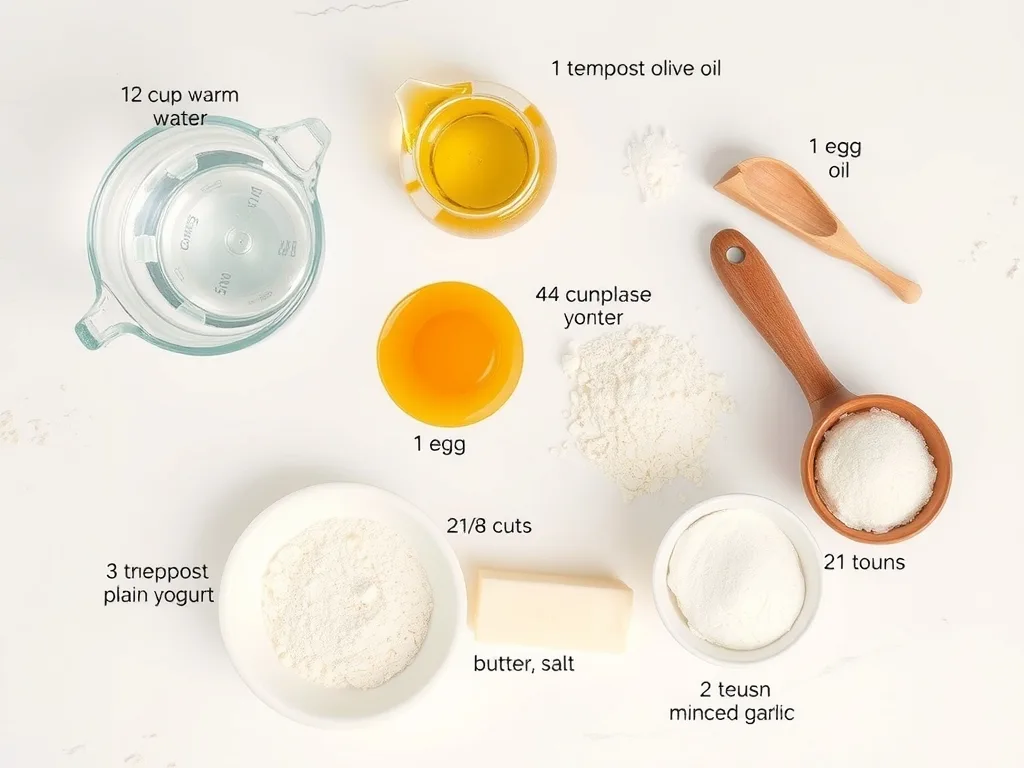
The script will place an image immediately after this header.
– ½ cup warm water (about 110°F/43°C) – activates the yeast – 2 teaspoons instant yeast – ensures a quick rise
– 1 teaspoon sugar – feeds the yeast and adds a hint of sweetness
– 3 tablespoons olive oil – adds moisture and richness to the dough
– ¼ cup plain yogurt – contributes tenderness and a subtle tang
– 1 egg – enriches the crumb and helps the naan puff
– ½ teaspoon salt – balances flavor
– 2½‑3 cups all‑purpose flour – provides structure; start with 2½ cups and add more as needed
– 2 tablespoons butter, melted – for brushing after cooking
– 2 teaspoons minced garlic – for the classic garlic butter finish *Chef’s note:* If you prefer a richer dough, you can substitute half of the all‑purpose flour with bread flour for extra chew, or use whole‑wheat flour for a nuttier flavor (increase water by a tablespoon or two to compensate).
Step-by-Step Instructions
1. Activate the yeast – In a small bowl, combine the warm water, sugar, and instant yeast. Stir gently and let sit for 5‑7 minutes until frothy. This indicates the yeast is alive and ready to work.
2. Mix the wet ingredients – To the yeast mixture, add the olive oil, plain yogurt, and egg. Whisk until smooth.
3. Combine dry ingredients – In a large mixing bowl, whisk together the salt and 2½ cups of all‑purpose flour. Make a well in the center.
4. Form the dough – Pour the wet mixture into the well. Using a wooden spoon or your hands, stir until a shaggy dough begins to form. Gradually add the remaining flour, a tablespoon at a time, until the dough pulls away from the sides of the bowl but remains slightly tacky.
5. Knead – Turn the dough onto a lightly floured surface and knead for 6‑8 minutes, or until smooth and elastic. If the dough feels too sticky, sprinkle a little more flour; if it’s too dry, drizzle a few drops of water.
6. First rise – Lightly oil a clean bowl, place the dough inside, and cover with a damp kitchen towel or plastic wrap. Let it rise in a warm spot for 45‑60 minutes, or until doubled in size.
7. Divide and shape – Punch down the risen dough to release air. Divide it into 8 equal pieces (about 2‑ounce each). Roll each piece into a ball, then flatten with your palms into an oval or teardrop shape, roughly ¼‑inch thick.
8. Cook the naan – Heat a cast‑iron skillet or heavy non‑stick pan over medium‑high heat. Lightly brush the surface with oil. Place one naan in the hot pan; cook for 1‑2 minutes until bubbles form on the top and the underside shows golden‑brown spots. Flip and cook another 1‑2 minutes. Press gently with a spatula to encourage even puffing.
9. Garlic butter finish – As soon as the naan comes off the pan, brush generously with the melted butter mixed with minced garlic. For extra flavor, sprinkle a pinch of chopped cilantro or nigella seeds while the butter is still melted.
10. Serve immediately – Stack the naan on a plate, cover loosely with a clean towel to keep warm, and enjoy while soft and fragrant.
*Chef tips:*
– No‑yeast option: If you’re out of yeast, substitute with 1½ teaspoons baking powder and increase the yogurt to ½ cup; the naan will be slightly denser but still tasty.
– Gluten‑free: Use a 1‑to‑1 gluten‑free flour blend and add 1 teaspoon xanthan gum; increase water by 2‑3 tablespoons. – Storage: Keep cooked naan wrapped in foil in a warm oven (200°F) for up to 20 minutes before serving.
Recipe Card Reference
– Prep Time: 15 minutes (including yeast activation)
– Cook Time: 12‑15 minutes (about 2 minutes per side per batch)
– Total Time: Approximately 1 hour (includes rise)
– Servings: 8 naan pieces (serves 4‑6 as a side)
– Calories per naan: Roughly 180‑210 kcal (depends on exact flour amount and butter used)
These values make the recipe a sensible addition to a balanced meal, offering carbohydrates for energy, a modest amount of protein from the egg and yogurt, and healthy fats from olive oil and butter.
Why This Recipe Works & Expert Tips
The secret to this easy naan bread lies in the harmony of hydration, fat, and a short, controlled rise. The warm water awakens the instant yeast quickly, while the sugar provides immediate food, ensuring a lively bubble formation within minutes. Adding yogurt introduces lactic acid, which tenderizes gluten strands, resulting in a softer crumb that resists drying out during the quick pan‑cook. The egg contributes both protein and fat, enriching the dough and promoting a beautiful golden hue when brushed with butter. Using a cast‑iron skillet replicates the high, direct heat of a tandoor, creating those signature leopard spots and a rapid steam lift that puffs the naan without needing a long proof.
For the fluffiest result, do not over‑flour the dough during shaping; a slightly sticky surface helps steam escape and creates those airy pockets. If you prefer extra garlic intensity, let the minced garlic sit in the melted butter for 5 minutes before brushing—this mellows the raw bite and infuses the butter with aromatic depth. Finally, always serve naan straight from the pan; the contrast between the crisp exterior and the tender interior is what makes each bite unforgettable.
Storage, Freezing, and Reheating
Allow leftover naan to cool completely before storing. Wrap each piece tightly in plastic wrap or place them in a zip‑top bag, then refrigerate for up to 3 days. To reheat, sprinkle a few drops of water on the naan, wrap in foil, and warm in a 350°F oven for 8‑10 minutes, or microwave for 20‑30 seconds covered with a damp paper towel to restore moisture.
For longer storage, freeze the cooled naan on a baking sheet until solid, then transfer to a freezer‑safe bag. They keep well for up to 2 months. When ready to enjoy, thaw overnight in the refrigerator, then reheat as above, adding an extra minute or two to ensure the interior is heated through. A quick brush of fresh garlic butter after reheating revives the just‑made flavor.
People Also Ask

What is the secret to soft naan bread?
The secret lies in incorporating both yogurt and an egg into the dough, which adds fat and acidity that tenderize the gluten, coupled with a brief, warm rise that allows the yeast to create air pockets without over‑developing the gluten. Cooking the naan in a hot, dry skillet creates immediate steam, puffing the bread while keeping the interior moist. Brushing with garlic butter right after cooking locks in moisture and adds flavor, ensuring each piece stays soft and pillowy.
Why is my naan bread not fluffy?
If your naan turns out dense, the most common culprits are insufficient yeast activation (water too hot or cold), too much flour added during kneading, or an inadequate rise time. Ensure the water is around 110°F, let the yeast foam before mixing, and allow the dough to double in size—this usually takes 45‑60 minutes in a warm spot. Also, avoid over‑flouring the dough when shaping; a slightly sticky surface helps steam escape and creates lift.
Should naan dough be sticky?
Yes, a good naan dough should be slightly tacky to the touch but not so wet that it sticks excessively to your hands or the bowl. This tackiness indicates proper hydration, which is essential for steam production during cooking. If the dough feels overly dry, add water a teaspoon at a time; if it’s overly wet, sprinkle in a little more flour until you achieve a smooth, elastic ball that pulls away cleanly from the sides of the bowl.
What flour is best for naan?
All‑purpose flour works perfectly for classic naan, providing enough gluten for structure while remaining tender enough for a soft bite. For a chewier texture, substitute up to half of the all‑purpose flour with bread flour. If you prefer a nuttier flavor and added fiber, use whole‑wheat flour, but increase the liquid by 1‑2 tablespoons to compensate for its higher absorption. Gluten‑free blends can be used with the addition of a binder like xanthan gum, though the texture will be denser.
Conclusion
Making Easy Naan Bread at home is a rewarding experience that brings the warmth of a traditional Indian kitchen straight to your table. With simple ingredients, a quick rise, and a skillet‑cook method, you’ll enjoy fluffy, garlicky naan that pairs beautifully with curries, stews, or even as a base for inventive toppings. Give this recipe a try, share your results with friends and family, and watch the compliments roll in. Happy cooking—and don’t forget to snap a photo of your golden‑brown naan before it disappears!
You Might Also Like
– [Fluffy Naan Bread Recipe](https://www.example.com/fluffy-naan-bread-recipe)
– [No Yeast Naan Bread: Quick & Easy Method](https://www.example.com/no-yeast-naan-bread)
– [Garlic Butter Naan Bread Recipe](https://www.example.com/garlic-butter-naan-bread)
– [Homemade Naan Without Yogurt](https://www.example.com/homemade-naan-without-yogurt) – [Best Flour for Naan Bread: All‑Purpose vs Bread Flour](https://www.example.com/best-flour-for-naan)
– [How to Store and Reheat Naan for Maximum Freshness](https://www.example.com/store-reheat-naan)