
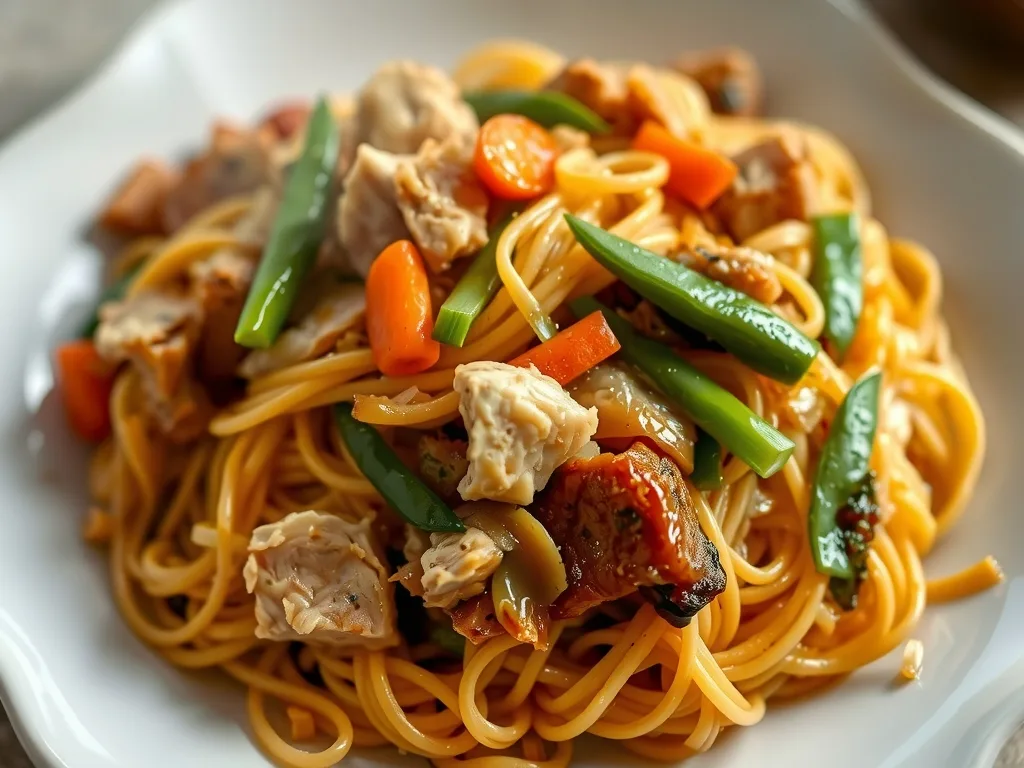
Introduction: Classic Pancit Recipe
There’s something magical about a steaming bowl of classic pancit that instantly transports you to a bustling Filipino kitchen, where the scent of sizzling garlic and savory broth fills the air. Whether you’re feeding a hungry family on a busy weeknight or celebrating a festive gathering, this Filipino noodle stir fry delivers comforting flavors that have been passed down through generations. The beauty of pancit lies in its versatility: you can swap proteins, toss in a rainbow of vegetables, and adjust the seasoning to match your personal taste, all while staying true to the heart‑warming essence of the dish.
In this article we’ll explore the authentic pancit bihon recipe that has earned a place on tables across the archipelago, from home kitchens in Manila to diaspora communities abroad. You’ll learn why the right noodles, the perfect balance of sauces, and a few chef‑tested tricks make this easy chicken pancit canton recipe a standout favorite for both seasoned cooks and culinary newcomers. Ready to bring a taste of the Philippines to your own dinner table? Let’s dive in.
Alternate Names & Variations
Pancit comes in many forms, each named for the type of noodle or regional twist it embodies. You might encounter pancit canton, a slightly thicker noodle often stir‑fried with pork and shrimp, or pancit luglog, a festive dish of long, braided noodles symbolizing long life. In the Visayas, pancit mami features a delicate egg‑noodle soup that’s perfect for chilly evenings. While the names differ, the core principle remains the same: noodles are celebrated as a symbol of prosperity and unity.
If you’re searching for related keywords, think of phrases like “Filipino noodle stir fry,” “homestyle pancit recipe,” or “quick pancit canton dinner.” These terms naturally guide search engines to your content while helping readers discover the culinary richness of the Philippines. By highlighting these variations, you’ll attract a broader audience eager to explore the diversity of Filipino comfort food.
Ingredients: Classic Pancit Recipe
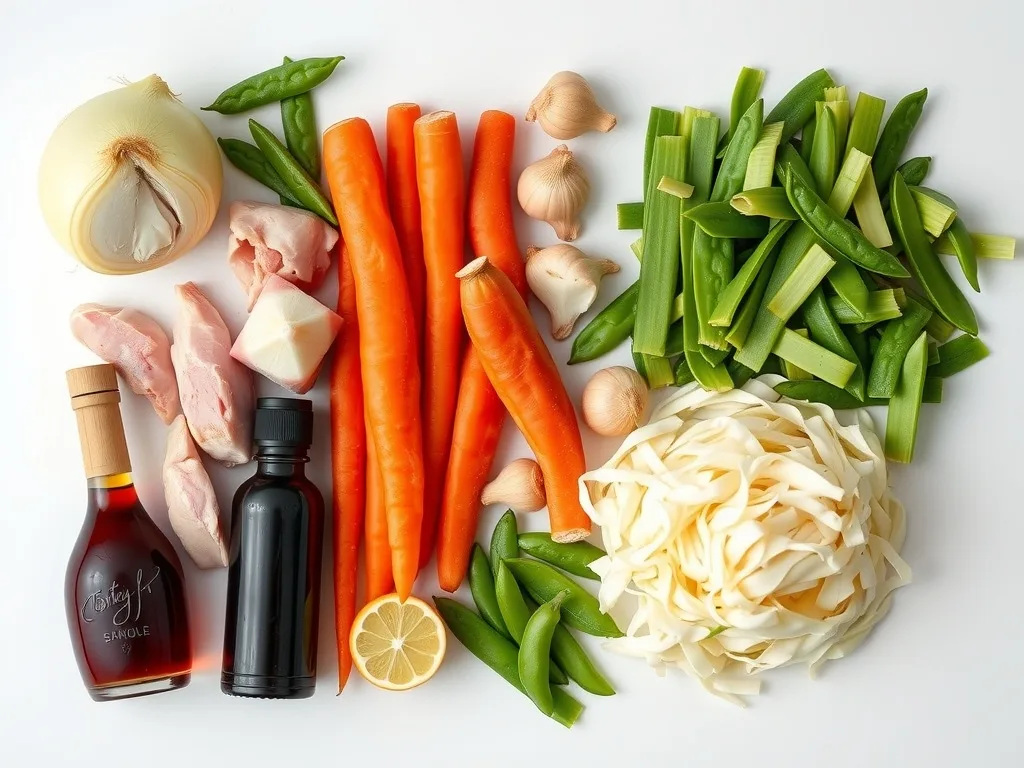
Here’s a scannable list of everything you need to create a truly classic pancit recipe that serves six hungry guests:
- 4 tablespoons neutral‑flavored oil
- 8 ounces pork shoulder, belly, or loin, cut into ½‑inch cubes
- 1 pound boneless chicken thighs, cut into 1‑inch cubes (skin optional)
- 1 peeled, julienned medium‑sized yellow onion
- 7 to 8 finely minced garlic cloves
- ½ teaspoon ground achiote powder (optional, for color)
- 2 peeled, julienned medium‑sized carrots (about 1 cup)
- ½ teaspoon granulated sugar
- 2 ribs of celery, thinly sliced on a bias (about 1 cup)
- 1 cup sugar snap peas, thinly sliced on a bias
- 4 cups green cabbage, cut into 1‑inch pieces
- 3 tablespoons oyster sauce
- ½ cup chicken stock (or as needed)
- 3 tablespoons soy sauce
- 1 to 2 teaspoons fish sauce (optional)
- 8 ounces vermicelli noodles (bihon)
- Coarse salt and freshly cracked pepper, to taste – Lemon or lime wedges, for serving
These ingredients combine to deliver a balanced Filipino noodle stir fry that’s both hearty and bright, with layers of umami, a hint of sweetness, and a satisfying crunch from fresh vegetables.
Step-by-Step Instructions: Classic Pancit Recipe
- Heat the oil in a large skillet or wok over medium‑high heat until shimmering.
- Sauté the pork until browned on all sides, then remove it from the pan and set aside.
- Add the chicken to the same pan and cook until lightly golden; this step locks in juices and prevents overcooking later.
- Stir in the garlic and onion, cooking until fragrant and the onions become translucent, about 1 minute.
- If using achiote, sprinkle it now and stir for 30 seconds to release its earthy aroma and vibrant hue.
- Return the pork and chicken to the pan, then toss in the carrots, celery, and sugar snap peas, stirring for 2–3 minutes.
- Add the cabbage and continue to stir‑fry until it just begins to wilt, preserving its crisp texture.
- Pour in the oyster sauce, soy sauce, and fish sauce, mixing well to coat every ingredient.
- Season with sugar, salt, and pepper, adjusting to taste; remember that a touch of acidity from lemon or lime will brighten the dish.
- Introduce the vermicelli noodles, breaking them up if they’re tangled, and stir until they absorb the surrounding flavors, adding a splash of chicken stock if the mixture looks dry.
- Taste and fine‑tune the seasoning, then remove from heat and transfer to a serving platter.
- Garnish with fresh citrus wedges and a sprinkle of cracked pepper, then serve hot.
Chef’s tip: If you prefer a milder flavor, substitute half of the soy sauce with low‑sodium broth, and finish the dish with a drizzle of toasted sesame oil for an extra layer of depth.
Recipe Card Reference: Classic Pancit Recipe
This classic pancit recipe requires about 30 minutes of prep time and 20 minutes of cooking, yielding approximately six generous servings. Expect around 380 calories per portion, making it a satisfying yet moderately indulgent option for family gatherings or weekday meals. The blend of protein, vegetables, and noodles creates a balanced plate that aligns with hearty, comfort‑food cravings while still delivering essential nutrients.
Why This Recipe Works & Expert Tips: Classic Pancit Recipe
The science behind a stellar pancit lies in the interplay of texture and flavor. The noodles act as a sponge, soaking up the savory broth while retaining a slight bite, which is why using bihon (thin rice vermicelli) is essential for authenticity. The achiote powder adds a subtle earthiness and a beautiful golden hue without overpowering the dish. Meanwhile, the combination of oyster sauce, soy sauce, and fish sauce creates a umami triangle that mimics the complex seasoning found in traditional Filipino kitchens.
For those seeking a low‑carb alternative, consider swapping vermicelli for shirataki noodles, but keep in mind that the soaking step is crucial to remove any off‑flavors. If you’re cooking for a crowd with diverse palates, pre‑cook the proteins separately and let guests customize their bowls with optional toppings like fried garlic, boiled eggs, or a dash of chili oil. These tweaks preserve the integrity of the recipe while allowing personal expression.
Storage, Freezing, and Reheating
Leftover pancit stores well in an airtight container in the refrigerator for up to three days. To reheat, add a splash of chicken stock or water to the pan and stir‑fry over medium heat until the noodles are heated through and regain their moisture. For longer preservation, portion the dish into freezer‑safe bags, ensuring the noodles are lightly coated with sauce to prevent freezer burn; they’ll keep for up to two months. When ready to enjoy, thaw overnight in the fridge and follow the reheating method above.
People Also Ask: Classic Pancit Recipe ### What is the difference between Pancit Bihon and Pancit Canton?
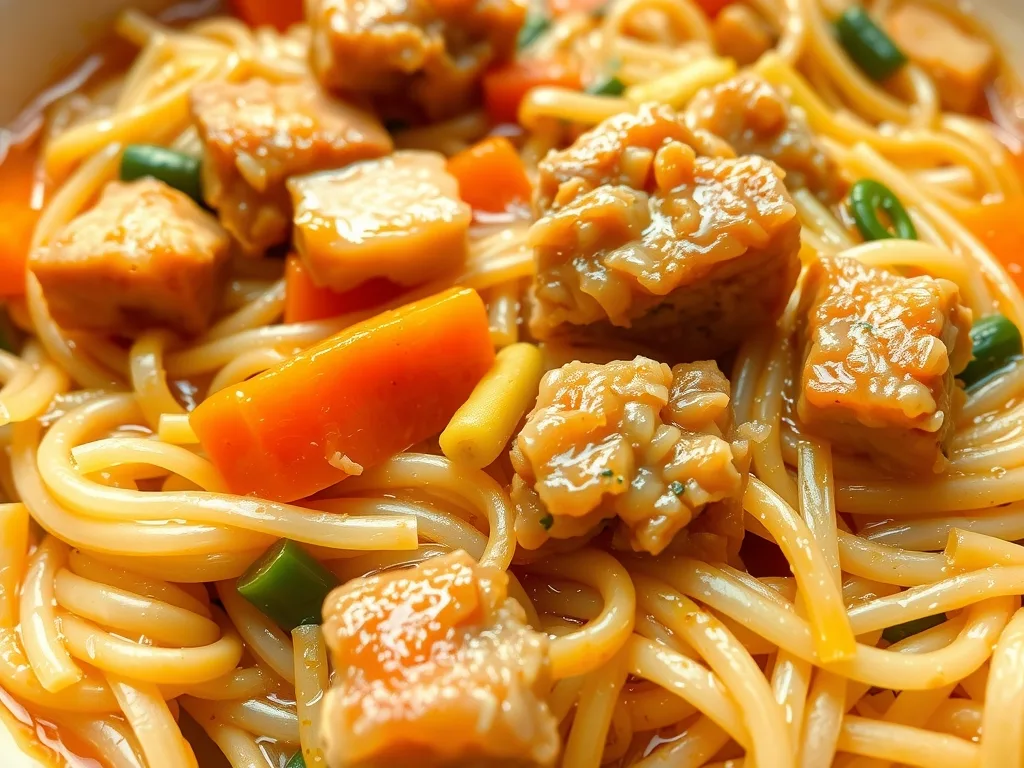
Pancit bihon uses thin rice vermicelli noodles that are delicate and absorb sauces quickly, giving the dish a light, slightly chewy texture. In contrast, pancit canton employs thicker wheat‑based noodles that are firmer and more akin to egg noodles, resulting in a heartier bite. While both are stir‑fried, bihon tends to be lighter and more common in everyday meals, whereas canton is often reserved for festive occasions due to its robust texture and richer sauce profile. ### What is pancit sauce made of?
The hallmark sauce for pancit blends oyster sauce, soy sauce, and a touch of fish sauce, creating a harmonious umami backbone. A small amount of sugar balances the saltiness, while optional aromatics like achiote powder or a splash of sesame oil add depth and color. This trio of sauces mirrors the flavor foundations found in many Filipino sauces, delivering a savory, slightly sweet, and mildly salty taste that defines the dish.
Can I use a different kind of noodle for pancit? Absolutely! While traditional pancit bihon calls for thin rice vermicelli, you can experiment with egg noodles, udon, or even glass noodles made from mung beans. The key is to adjust the cooking time so the noodles reach the perfect al‑dente consistency and to modify the sauce quantity accordingly, ensuring the noodles are well‑coated without becoming soggy.
Is pancit a Filipino dish?
Yes, pancit is an iconic Filipino comfort food that traces its roots to Chinese immigrants who introduced noodle‑making techniques centuries ago. Over time, the dish evolved to incorporate local ingredients and flavor profiles, becoming a staple at celebrations, family gatherings, and everyday meals across the Philippines. Its name even derives from the Hokkien word “pian i sit”, meaning “convenient food,” underscoring its cultural significance.
Conclusion: Classic Pancit Recipe
There you have it—a complete, authentic pancit bihon recipe that captures the heart and soul of Filipino cuisine. From the sizzling aromatics to the final citrus‑brightened bite, every step is designed to bring warmth, flavor, and a touch of nostalgia to your kitchen. We hope this guide inspires you to share a steaming pot of pancit with loved ones, and we encourage you to spread the joy by posting a photo on social media, tagging your friends, and inviting them to try the recipe themselves. Happy cooking, and may your table always be full of delicious memories!
You Might Also Like
Find Us On Pinterest and Facebook.
Print
Classic Pancit Recipe
- Total Time: 50 minutes
- Yield: 4-6 1x
- Diet: None
Description
A savory Filipino noodle dish with pork, chicken, vegetables, and vermicelli, seasoned with soy sauce, oyster sauce, and fish sauce.
Ingredients
- 4 tablespoons neutral-flavored oil
- 8 ounces pork shoulder, belly, or loin cut into ½” cubes
- 1 pound boneless chicken thighs, cut into 1” cubes, skin optional
- 1 peeled, julienne medium-sized yellow onion
- 7 to 8 finely minced garlic cloves
- ½ teaspoon ground achiote powder, optional
- 2 peeled, julienne medium-sized carrots, about 1 cup
- 2 ribs of celery, thinly sliced on a bias, about 1 cup
- 1 cup sugar snap peas, thinly sliced on a bias
- 4 cups green cabbage, cut into 1” pieces
- 3 tablespoons oyster sauce
- ½ teaspoon granulated sugar
- 3 tablespoons soy sauce
- 1 to 2 teaspoons fish sauce, optional
- 4 cups of chicken stock
- 8 ounces of vermicelli noodles
- coarse salt and freshly cracked pepper to taste
- lemon or lime juice, optional
- 2 eggs, lightly beaten (optional)
- green onions, sliced for garnish (optional)
Instructions
- Heat oil in a large pot or wok over medium-high heat.
- Add pork and chicken, season with salt and pepper, and sear until browned.
- Remove meat and set aside.
- Add garlic and onion to the pot, sauté until fragrant.
- Stir in carrots, celery, and achiote powder, cooking for 2 minutes.
- Add sugar snap peas and cabbage, stir-fry briefly.
- Return meat to the pot, pour in chicken stock, bring to a simmer.
- Add vermicelli noodles, oyster sauce, soy sauce, and sugar, toss to combine.
- Season with fish sauce, adjust salt and pepper, and cook until noodles are tender.
- Optional: Push mixture to side, pour beaten eggs into center, scramble lightly, then mix in.
- Serve hot, garnished with green onions and a squeeze of lemon or lime juice.
Notes
Adjust seasoning to taste. For a quicker version, use pre‑shredded cabbage and pre‑cut vegetables.
- Prep Time: 20 minutes
- Cook Time: 30 minutes
- Category: Main
- Method: Stir-fry
- Cuisine: Filipino
Nutrition
- Serving Size: 1 cup
- Calories: 350 kcal
- Sugar: 6g
- Sodium: 1200mg
- Fat: 14g
- Saturated Fat: 4g
- Unsaturated Fat: 9g
- Trans Fat: 0g
- Carbohydrates: 45g
- Fiber: 5g
- Protein: 20g
- Cholesterol: 85mg
Keywords: pancit, Filipino, noodles, stir-fry, comfort food