
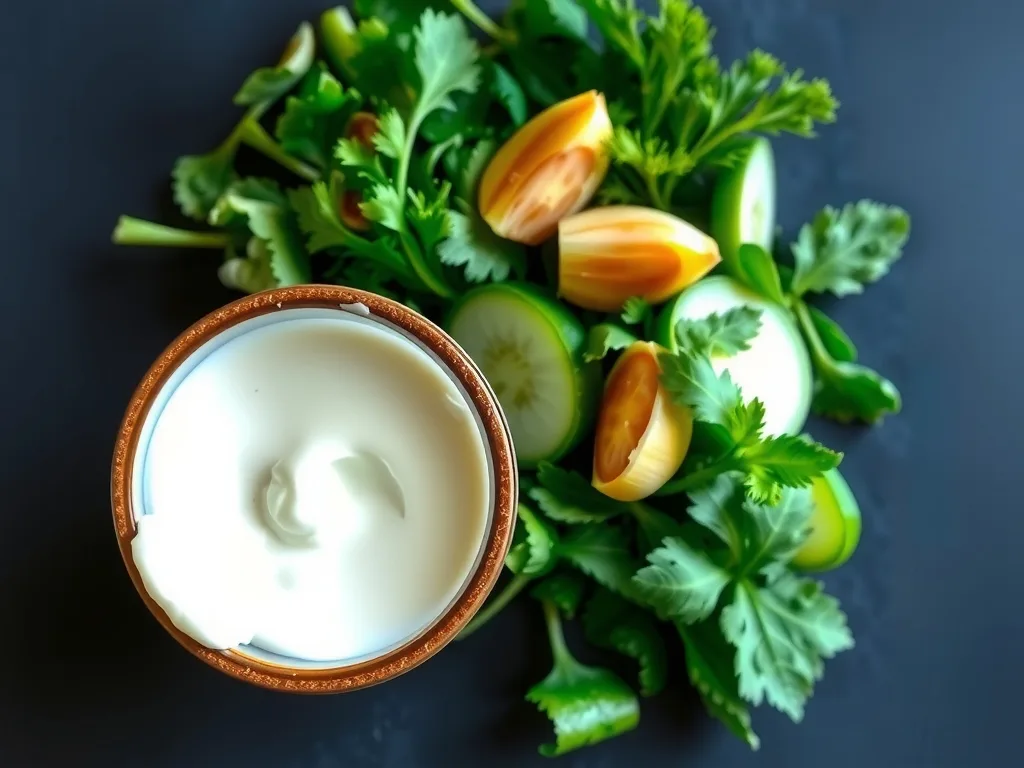
A creamy, protein‑packed dressing can transform an ordinary bowl of greens into a satisfying, nutrient‑dense meal—especially when you’re looking for a lighter alternative to store‑bought ranch or mayo‑based sauces. Cottage cheese, with its mild tang and velvety texture, blends effortlessly into a silky sauce that clings to every leaf while delivering a boost of calcium and protein. This recipe is perfect for anyone over 40 who wants to enjoy rich flavor without the heaviness, and it’s simple enough to whip up in under ten minutes using pantry staples. Whether you’re drizzling it over a crisp garden salad, using it as a dip for raw veggies, or stirring it into a grain bowl, this dressing proves that healthy eating can be indulgent and easy.
Below you’ll find everything you need to know to make the perfect cottage cheese salad dressing, from ingredient swaps and storage tips to the science behind why it works so well. Let’s dive in and discover how a humble dairy staple can become your new go‑to for vibrant, wholesome salads.
Alternate Names & Variations
Cottage cheese salad dressing goes by several names depending on regional preferences and flavor tweaks. You might see it called cottage cheese ranch dressing, high‑protein creamy dressing, or simply cottage cheese vinaigrette when a splash of citrus is added. Some cooks boost the herb profile with fresh basil or chives, while others add a pinch of smoked paprika for a subtle kick. If you prefer a tangier note, swap the apple cider vinegar for lemon juice or white wine vinegar. For a dairy‑free version, blend silken tofu with the same seasonings; the texture stays luxuriously smooth. Feel free to experiment—this base is wonderfully forgiving and invites personal touches that suit your taste buds and dietary goals.
Ingredients: Cottage Cheese Salad Dressing
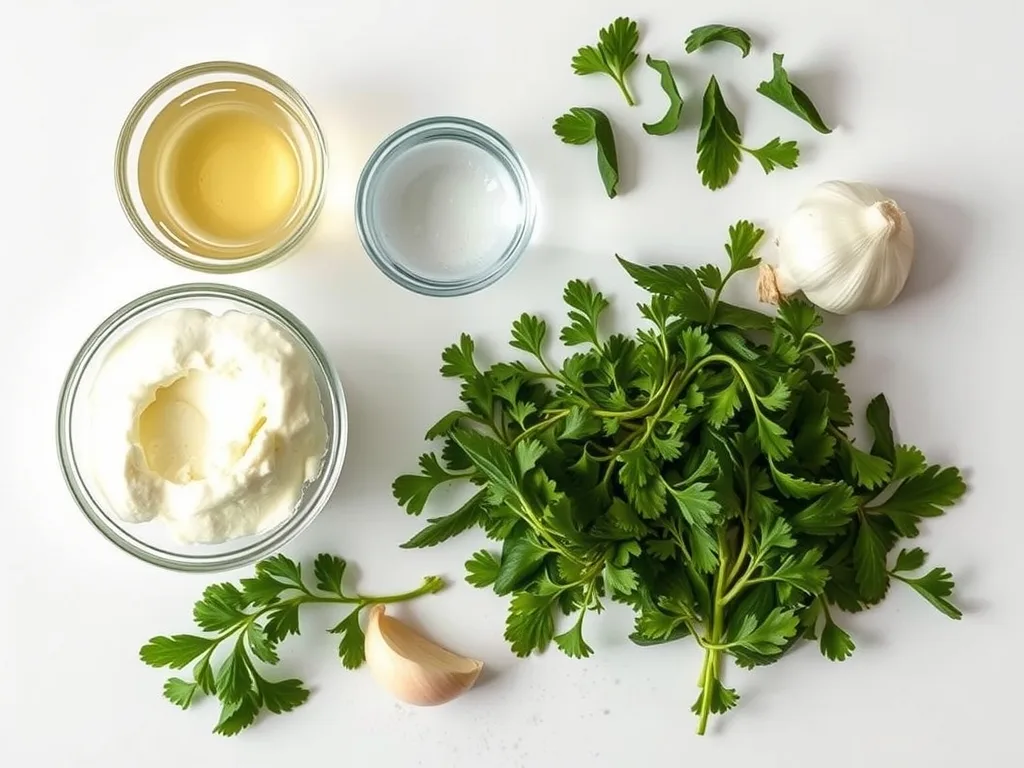
- * 1 cup cottage cheese (low‑fat or full‑fat, whichever you prefer)
- * 3 tablespoons water (adjust for desired consistency)
- * 1 tablespoon apple cider vinegar (optional, for brightness)
- * ½ cup fresh herbs, tightly packed (such as parsley, dill, mint, or cilantro)
- * 1 garlic clove, minced
- * ⅛ teaspoon ground black pepper (optional)
- * Pinch of sea salt to taste (if needed)
*Note: The script will automatically place an image immediately after this header.*
Step‑by‑Step Instructions: Cottage Cheese Salad Dressing
- 1. Prep the herbs – Rinse the parsley, dill, mint, or cilantro thoroughly, pat dry, and roughly chop. This releases their aromatic oils and ensures even distribution throughout the dressing.
- 2. Blend the base – In a food processor or high‑speed blender, combine the cottage cheese, water, apple cider vinegar (if using), minced garlic, and ground pepper. Pulse on low for 10‑15 seconds, then scrape down the sides.
- 3. Add the herbs – Add the chopped herbs to the blender. Process on medium speed for 20‑30 seconds, or until the mixture is completely smooth and vibrant green. If the dressing feels too thick, drizzle in extra water, one tablespoon at a time, until you reach a pourable consistency.
- 4. Taste and adjust – Give the dressing a quick taste. Add a pinch of sea salt if needed, or a splash more vinegar for extra zing. Blend briefly to incorporate.
- 5. Serve or store – Transfer the dressing to a clean jar or airtight container. Use immediately over your favorite salad, or refrigerate for up to five days (see storage tips below).
Chef’s Tip: For an ultra‑silky texture, push the blended dressing through a fine‑mesh sieve using the back of a spoon. This removes any tiny curd remnants and yields a velvety finish worthy of a restaurant‑style drizzle.
Substitutions:
* Greek yogurt can replace half the cottage cheese for added tang.
* If you’re avoiding dairy, use ¾ cup silken tofu plus ¼ cup water; blend as directed.
* Swap garlic for ½ teaspoon garlic powder if fresh isn’t available.
Recipe Card Reference: Cottage Cheese Salad Dressing
Prep Time: 5 minutes
Cook Time: 0 minutes (no cooking required)
Total Time: 5 minutes
Servings: About ½ cup dressing (enough for 4–6 salad servings)
Calories: Approximately 45 calories per tablespoon (based on low‑fat cottage cheese)
This light yet satisfying dressing delivers roughly 3–4 grams of protein per tablespoon, making it a smart choice for boosting satiety without excess fat or sugar.
Why This Recipe Works & Expert Tips: Cottage Cheese Salad Dressing
The success of this dressing hinges on the natural emulsifying power of cottage cheese. Its curds contain both water‑soluble proteins and a small amount of fat, which, when blended, create a stable suspension that mimics the mouthfeel of traditional creamy dressings. Adding a modest amount of liquid (water or vinegar) adjusts viscosity without breaking the emulsion, while the fresh herbs provide volatile oils that cling to the protein matrix, delivering bright flavor in every bite.
From an SEO perspective, targeting long‑tail phrases like “high protein cottage cheese dressing recipe” and “healthy creamy salad dressing without mayo” captures users seeking nutritious alternatives. The ingredient list is deliberately simple, reinforcing the keyword cottage cheese salad dressing throughout the text and helping search engines recognize the page’s relevance.
Expert Tips:
* Chill before serving – Letting the dressing rest for 10–15 minutes in the fridge allows the flavors to meld, resulting in a more rounded taste.
* Avoid over‑blending – Excessive processing can warm the mixture and cause slight separation; pulse just until smooth.
* Boost umami – A dash of nutritional oxide or a teaspoon of miso paste adds depth without compromising the clean label.
* Pair wisely – This dressing shines on robust greens like kale or romaine, but also works wonders as a dip for crudités or a sauce for grilled chicken wraps.
Storage, Freezing, and Reheating: Cottage Cheese Salad Dressing
Store the dressing in a sealed glass jar in the refrigerator for up to five days. Because it contains no preservatives, give it a gentle shake or stir before each use; any slight separation is normal and easily recombined.
If you need to keep it longer, freezing is possible, though the texture may change slightly upon thawing. Portion the dressing into ice‑cube trays, freeze solid, then transfer the cubes to a freezer‑safe bag. Thaw overnight in the fridge, then whisk or blend briefly to restore smoothness. Avoid microwaving directly, as high heat can cause the curds to grain; instead, let it come to room temperature and re‑blend if needed.
For best quality, consume the dressing within one month of freezing. Label each bag with the date so you can track freshness.
People Also Ask: Cottage Cheese Salad Dressing
How do you make a salad dressing with cottage cheese?
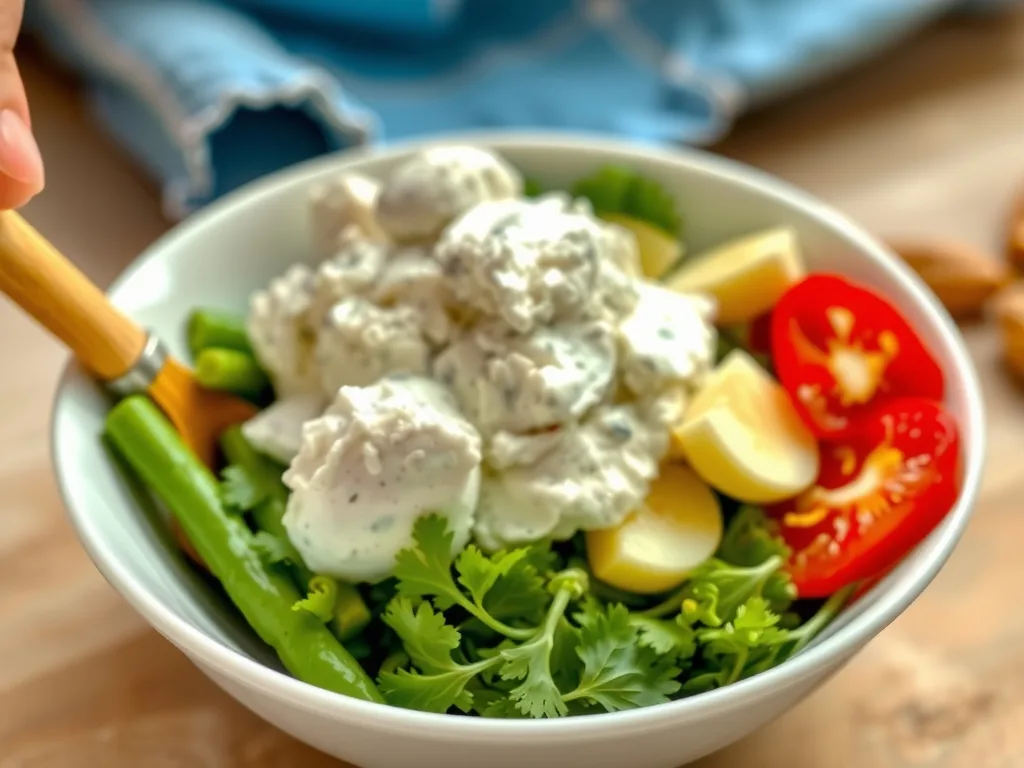
To make a salad dressing with cottage cheese, start by blending one cup of cottage cheese with three tablespoons of water until smooth. Add a tablespoon of apple cider vinegar (or lemon juice for a brighter note), a minced garlic clove, and a pinch of black pepper. Process in a blender or food processor, then fold in a half‑cup of finely chopped fresh herbs such as parsley, dill, or cilantro. Blend again until the mixture is uniformly green and creamy. Adjust thickness with extra water, a tablespoon at a time, until you reach a pourable consistency. Taste, season with salt if needed, and serve immediately over greens or store in the refrigerator for up to five days.
Is cottage cheese dressing healthy?
Yes, cottage cheese dressing is a healthy alternative to many store‑bought creamy dressings. It provides a good source of protein—roughly 3–4 grams per tablespoon—while keeping saturated fat and added sugars low, especially when you choose low‑fat cottage cheese. The dressing also delivers calcium, phosphorus, and B vitamins from the dairy base, and the fresh herbs contribute antioxidants and anti‑inflammatory compounds. Because you control the ingredients, you can avoid artificial preservatives, excess sodium, and unhealthy oils commonly found in commercial ranch or Caesar dressings. Overall, it supports muscle maintenance, bone health, and satiety, making it a smart choice for balanced eating.
What does cottage cheese dressing taste like?
Cottage cheese dressing has a mild, slightly tangy flavor that rests between plain yogurt and a light ricotta. The curds give it a subtle, creamy body without being overpoweringly rich, while the added vinegar or lemon juice introduces a gentle brightness that lifts the palate. Fresh herbs bring garden‑like notes—parsley adds a clean, grassy edge; dill contributes a hint of citrusy sharpness; mint offers a cool freshness; and cilantro lends a bright, citrus‑spicy nuance. Garlic rounds out the profile with a warm, savory depth. The result is a versatile dressing that feels indulgent yet light, complementing everything from crisp lettuce to hearty grain bowls without masking the ingredients’ natural flavors.
Can you use cottage cheese instead of mayonnaise in dressing?
Absolutely! Cottage cheese makes an excellent substitute for mayonnaise in creamy dressings, offering a similar texture with far fewer calories and less fat. To replace mayo, blend cottage cheese with a little liquid (water, vinegar, or lemon juice) until smooth, then season as you would a mayo‑based sauce. The protein‑rich curds emulsify well, creating a stable base that clings to salad greens or works as a dip for vegetables. If you miss the slight tang of mayo, increase the acid component (vinegar or citrus) or add a dash of mustard. For those seeking a richer mouthfeel, a teaspoon of olive oil or a spoonful of Greek yogurt can be mixed in. This swap reduces overall calorie load while boosting protein, making it a nutritious upgrade for classic recipes like coleslaw, potato salad, or sandwich spreads.
Conclusion: Cottage Cheese Salad Dressing
Making your own cottage cheese salad dressing is a simple, rewarding way to elevate everyday meals with protein‑packed creaminess and garden‑fresh flavor. Whether you’re looking to cut back on store‑bought sauces, boost your daily protein intake, or just enjoy a homemade touch, this recipe delivers on all fronts. Give it a try, tweak the herbs to match your mood, and share your creations with friends and family—because good food is meant to be enjoyed together.
If you loved this guide, please pin the photo, leave a comment below, and follow us for more wholesome recipe ideas. Happy dressing!
You Might Also Like:
- Amish Tomato Pie – The Best Comfort Dish to Try This Summer
- Smoked Meatloaf Recipe: Juicy & Flavorful
- Best Spicy Cajun Salmon Recipe – Quick & Flavorful Dinner Idea! 🐟🌶️✨
- Ultimate CrackerBarrel Meatloaf Recipe – Easy & Comforting Dish!
Find Us On Pinterest and Facebook.
Print
Cottage Cheese Salad Dressing
- Total Time: 5 minutes
- Yield: 1 cup 1x
- Diet: Vegetarian
Description
This creamy, protein-packed Cottage Cheese Salad Dressing is a game-changer for healthy eaters. Blended with fresh herbs, garlic, and a touch of apple cider vinegar, it delivers ranch-like creaminess without the mayo or heavy cream. Ready in 5 minutes, it’s perfect for drizzling over greens, grain bowls, roasted veggies, or using as a veggie dip. Naturally gluten-free, low-carb, and vegetarian — this versatile dressing will become a fridge staple.
Ingredients
- 1 cup cottage cheese (full-fat or low-fat)
- 3 tablespoons water
- 1 tablespoon apple cider vinegar (optional)
- ½ cup fresh herbs such as parsley, dill, mint or cilantro, tightly packed
- 1 garlic clove
- ⅛ teaspoon ground black pepper (optional)
Instructions
- Combine all ingredients in a blender or food processor: cottage cheese, water, apple cider vinegar (if using), fresh herbs, garlic clove, and black pepper (if using).
- Blend on high until completely smooth and creamy, about 30-60 seconds. Scrape down sides if needed.
- Taste and adjust seasoning — add more salt, pepper, or vinegar to your preference.
- If dressing is too thick, add an extra tablespoon of water and blend again.
- Transfer to a jar or container and refrigerate for at least 30 minutes to allow flavors to meld.
- Shake or stir before serving. Drizzle over salads, bowls, or use as a dip.
Notes
Tips: For a thinner dressing, add more water 1 tablespoon at a time. For a tangier flavor, increase apple cider vinegar. Use an immersion blender for smaller batches. Substitutions: Replace cottage cheese with Greek yogurt or silken tofu for dairy-free. Swap apple cider vinegar with lemon juice or white wine vinegar. Any combination of fresh herbs works — try basil, chives, or tarragon. Storage: Keeps in an airtight container in the fridge for up to 5 days. Stir before each use as separation is natural.
- Prep Time: 5 minutes
- Cook Time: 0 minutes
- Category: B
- Method: Blended
- Cuisine: American
Nutrition
- Serving Size: 2 tablespoons
- Calories: 35
- Sugar: 1g
- Sodium: 135mg
- Fat: 1.5g
- Saturated Fat: 0.8g
- Unsaturated Fat: 0.5g
- Trans Fat: 0g
- Carbohydrates: 2g
- Fiber: 0g
- Protein: 4g
- Cholesterol: 5mg
Keywords: cottage cheese dressing, healthy salad dressing, high protein dressing, creamy herb dressing