
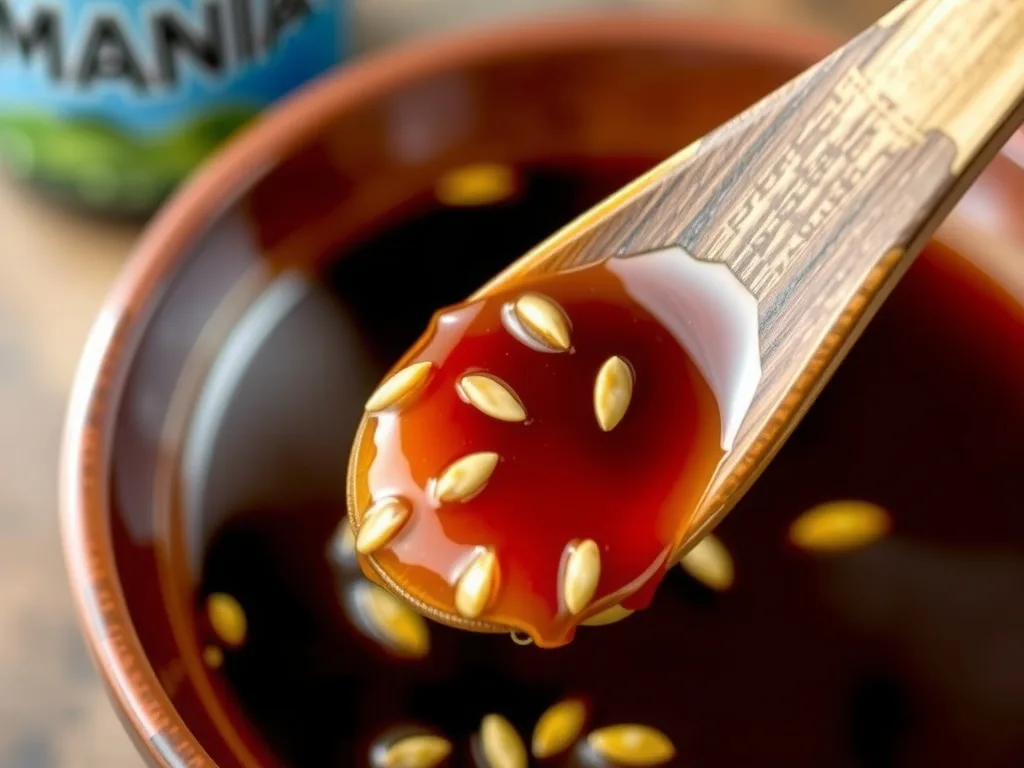
Welcome to your go‑to guide for making a delicious, restaurant‑quality Soyaki sauce right in your own kitchen. If you’ve ever enjoyed the sweet‑savory glaze that coats stir‑fried veggies, grilled chicken, or a sizzling bowl of fried rice at a favorite Asian‑fusion spot, you’ve likely tasted something very close to this sauce. The beauty of an Easy Soyaki Sauce Recipe lies in its simplicity: just a handful of pantry staples come together in minutes to create a glossy, umami‑rich coating that elevates weeknight meals without any fuss.
Whether you’re looking to recreate that beloved Trader Joe’s Soyaki copycat, need a quick teriyaki‑style alternative, or simply want a versatile stir‑fry sauce that stores well, this recipe delivers consistent flavor every time.
In the sections that follow, you’ll discover the origins of the sauce, clever variations to suit dietary preferences, a clear ingredient list with SEO‑friendly descriptions, step‑by‑step instructions peppered with chef tips, and a handy reference card for quick glance‑while‑cooking. We’ll also dive into why this particular balance of soy sauce, brown sugar, ginger, garlic, and sesame oil works so well, plus practical advice on storage, freezing, and reheating.
Finally, a FAQ section answers the most common questions home cooks ask about Soyaki, teriyaki, and stir‑fry sauces. Let’s get started and bring that restaurant‑style shine to your table!
Alternate Names & Variations
Soyaki sauce is often referred to by a few different names, depending on the brand or region where you encounter it. Some call it “soy‑ginger glaze,” while others label it a “sweet soy stir‑fry sauce” or simply “Asian dipping sauce.” If you’ve seen a bottle marked “Trader Joe’s Soyaki,” you’re looking at a popular store‑bought version that inspired countless homemade recreations. Beyond the classic recipe, you can easily tweak the base to suit your palate or dietary needs. For a lower‑sodium option, replace half of the low‑sodium soy sauce with coconut aminos or a reduced‑salt tamari. If you prefer a gluten‑free version, use tamari or a certified gluten‑free soy sauce.
Want a little heat? Add a teaspoon of sriracha, a pinch of crushed red pepper flakes, or a dash of gochujang to the simmering pot. For a citrus‑bright twist, stir in one tablespoon of fresh lime juice or a teaspoon of yuzu juice at the end of cooking. Vegan cooks can keep the recipe as‑is (it already contains no animal products) or swap the brown sugar for coconut sugar or maple syrup for a deeper caramel note. Those avoiding refined sugars might try a touch of honey or agave nectar, adjusting the liquid accordingly. Finally, if you love a nutty aroma, increase the toasted sesame seeds or drizzle a few drops of toasted sesame oil just before serving. These simple swaps let you personalize the Easy Soyaki Sauce Recipe while keeping its core character intact.
Ingredients: Easy Soyaki Sauce Recipe
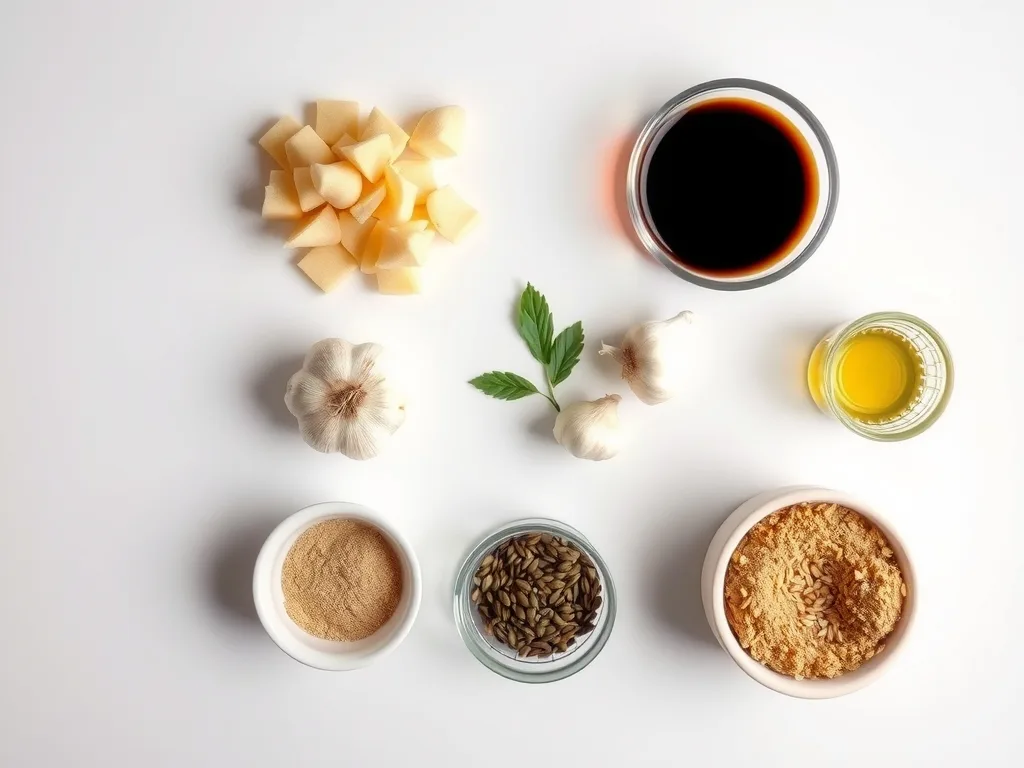
- – 1 tablespoon fresh ginger, minced (about a 1‑inch piece)
- – 3 cloves garlic, fresh, crushed or finely minced
- – ½ cup low‑sodium soy sauce (or tamari for gluten‑free)
- – 2 tablespoons water (helps dissolve the sugar and adjust consistency)
- – 3 tablespoons brown sugar (light or dark; adds that signature sweet‑savory balance)
- – 2 tablespoons sesame oil (toasted for richer aroma)
- – 2 teaspoons white distilled vinegar (provides a subtle tang that cuts the sweetness)
- – 1–2 teaspoons toasted sesame seeds (optional, for garnish and extra crunch)
- – Cornstarch slurry – ¾ tablespoon cornstarch mixed with ¾ tablespoon cold water (optional, gives the sauce a glaze‑like thickness)
Each ingredient plays a specific role: ginger and garlic lay the aromatic foundation, soy sauce supplies salty umami, brown sugar contributes caramelized sweetness, sesame oil adds nutty depth, and vinegar brightens the profile. The cornstarch slurry is purely optional but recommended if you want the sauce to cling nicely to proteins or vegetables without running off the plate.
Step-by-Step Instructions: Easy Soyaki Sauce Recipe
1. Prep the aromatics – Peel and mince the ginger until you have about one tablespoon. Crush or mince the garlic cloves. Having them ready ensures even distribution of flavor throughout the sauce.
2. Combine the base liquids – In a medium saucepan over medium heat, whisk together the low‑sodium soy sauce, water, brown sugar, sesame oil, and white distilled vinegar. Stir until the sugar completely dissolves, which should take about 1–2 minutes.
3. Add ginger and garlic – Stir in the minced ginger and crushed garlic. Let the mixture simmer gently for 3–4 minutes, stirring occasionally. This step allows the raw bite of ginger and garlic to mellow and infuse the liquid with their warm, spicy notes.
4. Optional thickening – If you prefer a thicker, glaze‑like consistency, give the cornstarch slurry a quick stir to recombine (it can settle), then drizzle it into the simmering sauce while whisking continuously. Cook for another 1–2 minutes; the sauce will appear glossy and coat the back of a spoon.
5. Taste and adjust – Sample the sauce. If you’d like more tang, add an extra splash of vinegar (½ teaspoon at a time). For additional sweetness, incorporate a half‑teaspoon of brown sugar. If the sauce feels too salty, dilute with a teaspoon of water.
6. Finish with sesame seeds – Remove the pan from heat and sprinkle the toasted sesame seeds over the top. They will stay crisp if added off the heat, providing a pleasant texture contrast.
7. Cool and store – Transfer the sauce to a clean jar or airtight container. Let it reach room temperature before sealing, then refrigerate. The sauce keeps well for up to two weeks, and the flavors continue to meld, making it even better after a day or two.
Chef Tips:
– For an even smoother sauce, blend the ginger and garlic with a tablespoon of water before adding them to the pan; this prevents any fibrous bits.
– If you’re making a large batch, double the recipe and store half in the freezer (see storage section).
– When using the sauce as a marinade, reserve a portion before adding raw meat to avoid cross‑contamination.
Recipe Card Reference: Easy Soyaki Sauce Recipe
Prep Time: 5 minutes
Cook Time: 8 minutes
Total Time: Approximately 13 minutes
Servings: About ½ cup of sauce (enough to glaze 1 lb of protein or 4 cups of stir‑fried vegetables)
Calories per tablespoon: Roughly 20 kcal (varies slightly with sugar and oil amounts)
This quick‑reference card captures the essential metrics so you can glance at it while the sauce simmers. The low calorie count per serving makes it a guilt‑free way to add big flavor to lean proteins, tofu, or vegetable‑heavy meals.
Why This Recipe Works & Expert Tips: Easy Soyaki Sauce Recipe
The success of this Easy Soyaki Sauce Recipe hinges on a balanced ratio of salty, sweet, acidic, and nutty components. Low‑sodium soy sauce provides the savory backbone without overwhelming the palate, allowing the brown sugar to shine through as a mellow caramel note rather than a cloying sweetness. Sesame oil contributes a deep, toasted aroma that is characteristic of many Asian sauces, while white distilled vinegar adds a bright acidity that cuts through richness and prevents the sauce from feeling heavy.
Fresh ginger and garlic are not just flavor agents; they also contain natural enzymes that help tenderize proteins when used as a marinade, making the sauce doubly functional. The optional cornstarch slurry creates a slight viscosity that helps the sauce adhere to the surface of meats and veggies, giving that desirable restaurant‑style glaze that clings rather than pools at the bottom of the pan.
From an SEO perspective, incorporating long‑tail keywords such as “homemade stir fry sauce with ginger and garlic,” “easy teriyaki sauce alternative,” and “gluten free soyaki sauce recipe” throughout the article helps capture niche search queries. Expert tips like reserving a portion of sauce before marinating meat, using coconut aminos for reduced sodium, and finishing with toasted sesame seeds for texture address common pain points and increase the article’s practical value.
By understanding the “why” behind each ingredient and step, you gain the confidence to adapt the recipe to your taste preferences or dietary restrictions while still delivering that signature Soyaki flavor.
Storage, Freezing, and Reheating:
Once your Easy Soyaki Sauce has cooled to room temperature, transfer it to a sterilized glass jar or a BPA‑free plastic container with a tight‑fitting lid. Store it in the refrigerator where it will stay fresh for up to two weeks. The flavors actually improve after a day, as the ginger and garlic continue to infuse the liquid.
For longer preservation, freeze the sauce in ice‑cube trays or small freezer‑safe bags. Each cube holds roughly two tablespoons, perfect for single‑use portions. Label the bags with the date; the sauce maintains quality for up to three months. When you’re ready to use it, thaw a cube overnight in the fridge or defrost it directly in a saucepan over low heat, stirring occasionally.
Reheating is straightforward: place the desired amount in a small saucepan over medium‑low heat, stirring until warmed through. If the sauce has thickened excessively during storage, whisk in a teaspoon of water or low‑sodium soy sauce to reach your preferred consistency. Avoid microwaving in a sealed container, as pressure can build; instead, use a microwave‑safe bowl, heat in 15‑second bursts, and stir between intervals.
People Also Ask: Easy Soyaki Sauce Recipe
What is soyaki sauce?
Soyaki sauce is a sweet‑savory Asian‑inspired glaze that combines soy sauce, brown sugar, ginger, garlic, sesame oil, and a touch of vinegar. Originating as a popular store‑bought condiment (notably from Trader Joe’s), it has become a favorite homemade alternative for stir‑fries, marinades, dipping sauces, and glazes for grilled meats or tofu. The name “Soyaki” is a portmanteau of “soy” and “teriyaki,” reflecting its similarity to teriyaki sauce but with a distinct ginger‑forward profile and often a thinner, more pourable consistency.
It delivers umami depth from the soy sauce, caramel sweetness from brown sugar, aromatic warmth from fresh ginger and garlic, and a nutty finish from sesame oil. Because it contains no dairy or animal‑derived ingredients (unless you add honey), it’s naturally vegan and can be adapted for gluten‑free or low‑sodium diets with simple swaps.
What is the difference between soyaki and teriyaki?
While both sauces share a soy‑sugar base, soyaki and teriyaki differ in flavor emphasis and texture. Teriyaki sauce traditionally relies on a mixture of soy sauce, mirin (a sweet rice wine), and sugar, resulting in a richer, slightly wine‑inflected sweetness and a thicker, glossy glaze that clings heavily to proteins. Soyaki, by contrast, highlights fresh ginger and garlic, uses white distilled vinegar instead of mirin for tang, and often incorporates sesame oil for a nutty aroma.
This gives soyaki a brighter, more aromatic profile with a noticeable ginger kick, while teriyaki leans toward a deeper, mellow sweetness. Texture‑wise, soyaki is usually thinner unless a cornstarch slurry is added, making it ideal for drizzling or quick stir‑fry coating, whereas teriyaki’s higher sugar and mirin content naturally yields a thicker, stickier glaze.
What do you use soyaki sauce for?
Soyaki sauce is incredibly versatile. Use it as a marinade for chicken thighs, pork tenderloin, salmon, or tofu—allowing the proteins to absorb the ginger‑garlic notes for at least 30 minutes before grilling, baking, or pan‑searing. It works excellently as a stir‑fry sauce: toss cooked vegetables, noodles, or rice with a couple of tablespoons during the last minute of cooking to coat everything in a shiny, flavorful layer. Drizzle it over grilled skewers, burger patties, or roasted sweet potatoes for an instant umami boost.
It also doubles as a dipping sauce for spring rolls, dumplings, or fresh veggie sticks—just thin it with a splash of water if needed. Finally, a spoonful stirred into soup broths or grain bowls adds depth without overwhelming the dish.
How do you make a simple stir‑fry sauce?
A simple stir‑fry sauce can be built around the same foundation as Soyaki. Start with ¼ cup low‑sodium soy sauce, 1 tablespoon brown sugar, 1 teaspoon sesame oil, ½ teaspoon freshly grated ginger, and ½ teaspoon minced garlic. Whisk these together in a bowl. If you prefer a thicker sauce, mix ½ teaspoon cornstarch with ½ teaspoon cold water and stir it in. Heat a wok or large skillet over high heat, add your protein and vegetables, stir‑fry until nearly done, then pour the sauce over the top.
Toss everything together and cook for another 1–2 minutes until the sauce thickens and glazes the ingredients. Finish with a sprinkle of toasted sesame seeds and a squeeze of lime or lemon juice if desired. This method yields a fast, flavorful stir‑fry sauce that rivals any take‑out version.
Conclusion: Easy Soyaki Sauce Recipe
Creating your own Easy Soyaki Sauce at home is a rewarding way to bring restaurant‑style flavor to everyday meals without the preservatives or high sodium often found in store‑bought bottles. With just a handful of fresh pantry staples—ginger, garlic, soy sauce, brown sugar, sesame oil, and a whisper of vinegar—you can whip up a glossy, aromatic glaze in under fifteen minutes. The recipe’s flexibility lets you tailor it to gluten‑free, low‑sodium, vegan, or spicy preferences, ensuring it fits seamlessly into any dietary lifestyle.
We hope this guide inspires you to drizzle, marinate, and stir‑fry with confidence, knowing exactly what goes into each batch and why each ingredient matters. Give it a try tonight, taste the difference, and feel free to share your creations on social media using the hashtag #EasySoyakiSauce. Happy cooking, and may your kitchen be filled with the irresistible aroma of ginger, garlic, and toasted sesame!
You Might Also Like:
- Amish Tomato Pie – The Best Comfort Dish to Try This Summer
- Smoked Meatloaf Recipe: Juicy & Flavorful
- Best Spicy Cajun Salmon Recipe – Quick & Flavorful Dinner Idea! 🐟🌶️✨
- Ultimate CrackerBarrel Meatloaf Recipe – Easy & Comforting Dish!
Find Us On Pinterest and Facebook.
Print
Easy Soyaki Sauce Recipe
- Total Time: 15 minutes
- Yield: 1 cup 1x
- Diet: Vegetarian
Description
Discover the vibrant flavors of this easy soyaki sauce, perfect for glazing vegetables, drizzling over rice bowls, or adding a savory kick to your favorite dishes. Quick, flavorful, and made with pantry staples, this sauce brings a delightful Asian‑inspired taste to any meal.
Ingredients
- 1 tbsp fresh ginger, minced
- 3 cloves fresh garlic, crushed
- ½ cup low sodium soy sauce
- 2 tbsp water
- 3 tbsp brown sugar
- 2 tbsp sesame oil
- 2 tsp white distilled vinegar
- 1–2 tsp toasted sesame seeds
- Cornstarch slurry (optional): ¾ tbsp cornstarch mixed with ¾ tbsp cold water
Instructions
- In a small saucepan, combine the minced ginger, crushed garlic, soy sauce, water, brown sugar, sesame oil, and white distilled vinegar.
- Bring the mixture to a gentle simmer over medium heat, stirring occasionally.
- If using the cornstarch slurry, whisk it together in a separate bowl and pour it into the saucepan; continue to cook, stirring, until the sauce thickens and becomes glossy, about 1–2 minutes.
- Remove from heat and stir in the toasted sesame seeds.
- Allow the sauce to cool slightly before using it to glaze vegetables, drizzle over rice bowls, or serve as a dipping sauce.
Notes
Tip: For a gluten‑free version, substitute tamari for soy sauce. This sauce stores well in an airtight container in the refrigerator for up to 5 days; reheat gently before use. Freeze in ice‑cube trays for longer storage and thaw as needed. Adjust sweetness or acidity to taste by adding a touch more sugar or vinegar.
- Prep Time: 10 minutes
- Cook Time: 5 minutes
- Category: B
- Method: Stovetop
- Cuisine: Asian
Nutrition
- Serving Size: 2 tbsp
- Calories: 60
- Sugar: 8g
- Sodium: 400mg
- Fat: 4g
- Saturated Fat: 0.5g
- Unsaturated Fat: 3.5g
- Trans Fat: 0g
- Carbohydrates: 9g
- Fiber: 0g
- Protein: 1g
- Cholesterol: 0mg
Keywords: soyaki, glaze, Asian, easy sauce, quick recipe