

Easy Vegan Bolognese Sauce with Tempeh
Introduction: Easy Vegan Bolognese Sauce with Tempeh
When you crave the deep, comforting richness of a classic meat‑based Bolognese but want a plant‑friendly twist, tempeh steps in as the perfect hero. Its nutty flavor and firm texture hold up beautifully to slow‑simmered tomatoes, aromatic herbs, and a splash of balsamic, creating a sauce that clings to pasta just like the traditional version—only it’s 100 % vegan, protein‑packed, and surprisingly quick to pull together. This recipe is designed for home cooks who appreciate bold flavors without a fuss, making it ideal for busy weeknights or leisurely Sunday gatherings with family and friends.
Beyond its delicious taste, tempeh offers a wealth of nutritional benefits. Made from fermented soybeans, it delivers a complete protein profile, fiber, and essential micronutrients like iron and calcium, all while being lower in saturated fat than ground meat. The fermentation process also adds a subtle umami depth that mimics the savory notes you’d expect from a meat ragù. Whether you’re a seasoned vegan, a flexitarian looking to reduce meat intake, or simply someone exploring new pasta sauces, this Easy Vegan Bolognese Sauce with Tempeh will become a go‑to staple in your kitchen repertoire.
Alternate Names & Variations
You might see this dish referred to as tempeh ragu, vegetarian bolognese with tempeh, or easy vegan pasta sauce. Each name highlights a slightly different angle—ragù emphasizes the slow‑cooked, hearty nature; vegetarian bolognese signals the meat‑free approach; and easy vegan pasta sauce points to the simplicity of preparation. Feel free to experiment with add‑ins: a handful of chopped mushrooms for extra earthiness, a pinch of smoked paprika for a subtle smoky kick, or a splash of red wine to deepen the flavor base. If you prefer a gluten‑free option, serve the sauce over gluten‑free spaghetti, brown rice pasta, or even spiralized zucchini noodles for a lighter meal.
Ingredients: Easy Vegan Bolognese Sauce with Tempeh
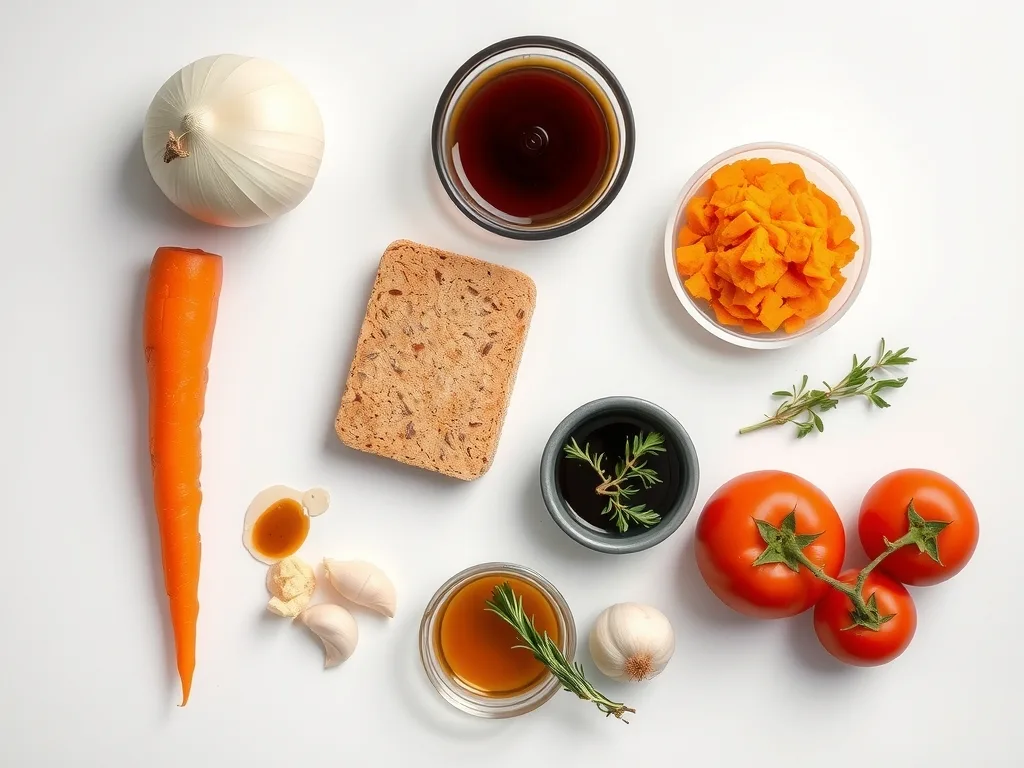
– 8 ounces tempeh (1 block, about 225 g), crumbled
– 4 cups vegetable broth (divided)
– 1 tablespoon soy sauce (or tamari for gluten‑free)
– 1 medium onion, finely diced
– 1 medium carrot, peeled and grated
– 2 cloves garlic, minced
– 28 ounces canned tomatoes (whole or crushed, preferably San Marzano)
– 1 teaspoon fresh rosemary, chopped (or ½ tsp dried rosemary)
– 1 cup vegetable broth (additional, for deglazing)
– 1 tablespoon Balsamic vinegar
– Salt and black pepper, to taste
– Optional: 1 tablespoon olive oil for sautéing, ¼ teaspoon red pepper flakes for heat
*Note: The script will place an image immediately after this header.*
Step‑by‑Step Instructions: Easy Vegan Bolognese Sauce with Tempeh
1. Prepare the tempeh – Remove the tempeh from its packaging and crumble it into small, bite‑size pieces using your hands or a fork. Place the crumbled tempeh in a bowl, add 2 cups of vegetable broth and the soy sauce, and let it soak for 10 minutes. This step rehydrates the tempeh and infuses it with savory depth.
2. Sauté the aromatics – In a large heavy‑bottomed pot or Dutch oven, heat 1 tablespoon of olive oil over medium heat. Add the diced onion and grated carrot; cook, stirring occasionally, for 5‑6 minutes until the onion becomes translucent and the carrot softens. Add the minced garlic and cook for another 30 seconds until fragrant.
3. Deglaze and build the base – Pour in the remaining 1 cup of vegetable broth to lift any browned bits from the pot. Stir in the canned tomatoes (with their juices), the soaked tempeh mixture (including the liquid), rosemary, and Balsamic vinegar. Bring the mixture to a gentle boil, then reduce the heat to low.
4. Simmer to perfection – Partially cover the pot and let the sauce simmer for 20‑25 minutes, stirring every few minutes to prevent sticking. The tempeh will break down further, absorbing the tomato‑herb flavors and thickening the sauce. If the sauce looks too thick, add a splash of extra vegetable broth or water to reach your desired consistency.
5. Season and finish – Taste the sauce and season generously with salt and freshly cracked black pepper. If you enjoy a hint of heat, stir in the optional red pepper flakes now. For a brighter note, you can add a teaspoon of maple syrup or a squeeze of lemon juice at the end.
6. Serve – Toss the sauce with your favorite cooked pasta (spaghetti, linguine, or penne work wonderfully), or ladle it over polenta, mashed potatoes, or roasted vegetables. Garnish with fresh basil leaves, a drizzle of extra‑virgin olive oil, and a sprinkle of nutritional yeast for a cheesy finish if desired.
*Chef’s tips:*
– For an even richer umami boost, add a tablespoon of miso paste dissolved in a little warm water during step 3.
– If you prefer a smoother texture, use an immersion blender to pulse the sauce for 10‑15 seconds before serving—this keeps some tempeh bits for texture while creating a velvety base.
– Leftovers taste even better the next day as the flavors meld, making this sauce perfect for meal prep.
Recipe Card Reference: Easy Vegan Bolognese Sauce with Tempeh
Prep Time: 15 minutes (includes tempeh soaking and vegetable prep)
Cook Time: 30 minutes (simmering the sauce)
Total Time: 45 minutes
Servings: 4‑6 generous portions (about 1 cup sauce per serving)
Calories per serving: Approximately 280 kcal (varies with pasta choice and oil amount)
This breakdown helps you plan your meal efficiently, whether you’re cooking for a quiet dinner for two or feeding a larger family gathering.
Why This Recipe Works & Expert Tips: Easy Vegan Bolognese Sauce with Tempeh
The success of this tempeh‑based Bolognese hinges on three core principles: hydration, flavor layering, and slow simmering. First, soaking the tempeh in vegetable broth and soy sauce rehydrates its porous structure, allowing it to absorb the sauce’s aromatics rather than remaining bland and crumbly. Second, building a soffritto of onion, carrot, and garlic creates a sweet, aromatic foundation that balances the acidity of the tomatoes. Adding rosemary and a touch of Balsamic vinegar introduces herbal brightness and a subtle sweetness that mimics the depth usually achieved with meat and wine. Finally, a low‑and‑slow simmer melds all components, letting the tempeh break down into a meat‑like texture while the sauce thickens naturally.
From an SEO perspective, integrating long‑tail phrases such as “how to make tempeh bolognese taste like meat,” “best vegan pasta sauce for families,” and “easy tempeh ragù recipe” throughout the article helps capture niche search queries. Expert tip: if you’re preparing this for a crowd, double the recipe and freeze half in portion‑sized containers; the sauce freezes beautifully and reheats without loss of flavor or texture.
Storage, Freezing, and Reheating:
Allow the sauce to cool to room temperature before transferring it to airtight containers. In the refrigerator, it stays fresh for up to 4 days. For longer storage, portion the sauce into freezer‑safe bags or containers, leaving a little headspace for expansion, and freeze for up to 3 months. To reheat, thaw overnight in the fridge if frozen, then warm gently in a saucepan over medium‑low heat, stirring occasionally. If the sauce appears thick after thawing, splash in a bit of vegetable broth or water to loosen it. Avoid high heat, which can cause the tempeh to become rubbery; a slow reheating preserves the tender, meaty bite.
People Also Ask: Easy Vegan Bolognese Sauce with Tempeh

What does tempeh bolognese taste like?
Tempeh bolognese delivers a rich, savory profile that closely mirrors traditional meat‑based ragù. The fermented tempeh brings a nutty, slightly earthy foundation, while the simmered tomatoes, carrots, onion, and rosemary contribute sweetness and herbal depth. A splash of Balsamic vinegar adds a subtle tang that brightens the sauce, and the soy sauce soak infuses umami notes reminiscent of cooked meat. Overall, you’ll experience a hearty, satisfying bite with a pleasant texture—tempeh holds its shape better than lentils or tofu, giving the sauce a satisfying, “meaty” mouthfeel without any actual animal products.
How do you crumble tempeh for bolognese?
To crumble tempeh effectively, start by removing the block from its packaging and patting it dry with a paper towel if excess moisture is present. Using your hands, break the tempeh into small, bite‑sized pieces; you can also use a fork or the back of a spoon to press and shred it further. Aim for pieces roughly the size of a pea or small grape—this size allows the tempeh to absorb the surrounding liquids while still providing noticeable texture in the final sauce. If you prefer an even finer crumble, pulse the tempeh briefly in a food processor, but be careful not to turn it into a paste; a few seconds is enough to achieve a uniform, coarse crumble.
Do you have to cook tempeh before adding it to sauce?
While tempeh is safe to eat straight from the package, pre‑cooking or soaking it enhances both flavor and texture for bolognese. In this recipe, we soak the crumbled tempeh in vegetable broth and soy sauce for 10 minutes before sautéing the aromatics. This step rehydrates the tempeh, reduces any inherent bitterness, and allows it to soak up savory liquids that will later become part of the sauce. If you’re short on time, you can add the dry tempeh directly to the simmering sauce and let it cook for an additional 10‑15 minutes; however, the pre‑soak method yields a more tender, flavor‑infused result.
What is a good meat substitute for bolognese?
Beyond tempeh, several plant‑based options work excellently as meat substitutes in Bolognese. Lentils (especially brown or green) provide a hearty, protein‑rich base that breaks down into a saucy consistency. Textured vegetable protein (TVP) rehydrates quickly and mimics ground meat’s texture. Finely chopped mushrooms—such as cremini or portobello—add umami depth and a meaty bite when sautéed. For a soy‑free alternative, consider using cooked and mashed chickpeas combined with walnuts for texture and fat. Each substitute brings its own flavor nuances, but tempeh stands out for its fermented complexity, firm texture, and ability to absorb the sauce’s seasonings while holding its shape during a long simmer.
Conclusion: Easy Vegan Bolognese Sauce with Tempeh
There’s something truly special about a steaming bowl of pasta coated in a luscious, homemade Bolognese that’s both comforting and conscience‑friendly. This Easy Vegan Bolognese Sauce with Tempeh proves that you don’t need meat to achieve that deep, satisfying richness we all love. With simple pantry staples, a little prep, and a patient simmer, you’ll create a sauce that’s perfect for family dinners, meal‑prep lunches, or even a cozy solo night in.
Give it a try, share your results on social media, and let the aroma of simmering tomatoes and rosemary fill your home. If you loved this recipe, don’t forget to pin it for later and spread the love on Facebook—your friends will thank you for introducing them to a new favorite vegan classic. Happy cooking!
You Might Also Like:
- Amish Tomato Pie – The Best Comfort Dish to Try This Summer
- Smoked Meatloaf Recipe: Juicy & Flavorful
- Best Spicy Cajun Salmon Recipe – Quick & Flavorful Dinner Idea! 🐟🌶️✨
- Ultimate CrackerBarrel Meatloaf Recipe – Easy & Comforting Dish!
Social Footer: