
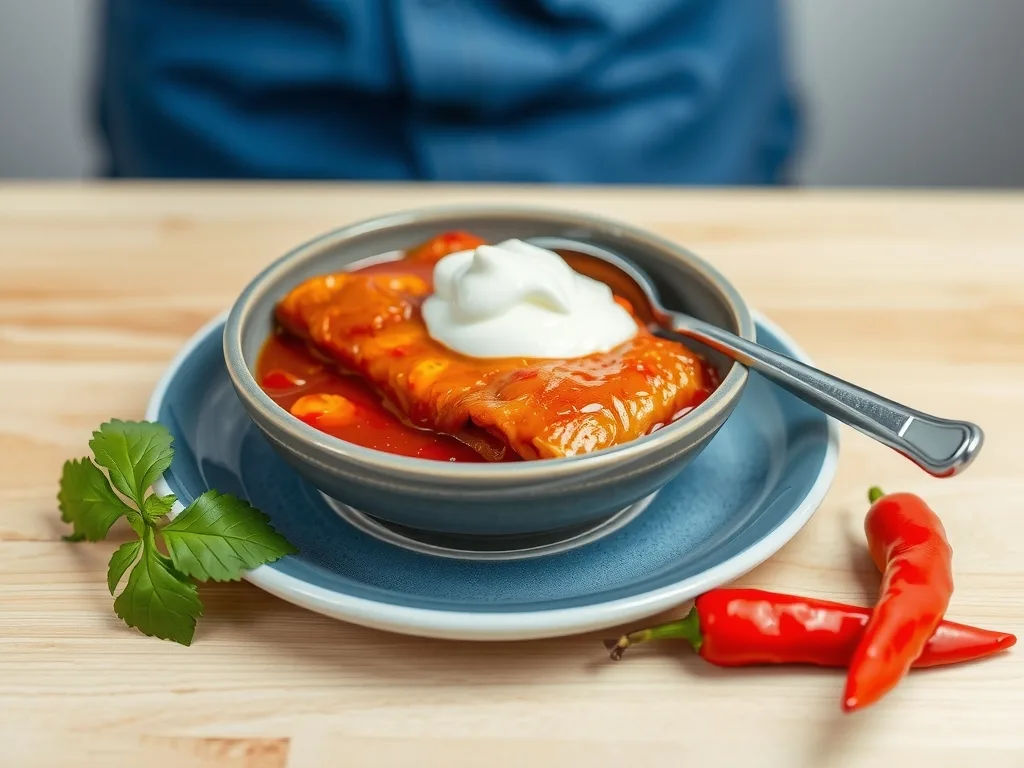
When the aroma of simmering chilies, garlic, and warm spices drifts through the kitchen, it instantly transports you to a bustling Mexican mercado or a cozy family gathering around the dinner table. A great enchilada sauce is the soul of the dish—its deep, smoky richness coats each tortilla, binds the filling together, and leaves a lingering warmth that invites seconds. For home cooks who cherish tradition yet appreciate simplicity, mastering a homemade version means you can control the heat, sweetness, and depth of flavor to suit any palate, from mild family meals to fiery fiesta feasts.
In this guide, we’ll walk you through an authentic red enchilada sauce that balances the earthy notes of dried ancho and guajillo chilies with the bright tang of tomato paste and a whisper of apple cider vinegar. You’ll learn why each ingredient matters, how to toast and rehydrate chilies for maximum flavor, and the simple roux technique that creates a velvety, lump‑free sauce every time. Whether you’re drizzling it over cheese‑filled enchiladas, using it as a base for chili, or spooning it onto roasted vegetables, this sauce will become a reliable staple in your repertoire.
Beyond the recipe, we’ll explore variations, storage tips, and answers to the most common questions about enchilada sauce versus taco sauce, authenticity, and ingredient swaps. By the end, you’ll feel confident crafting a sauce that rivals any restaurant version—while filling your home with the comforting, inviting scents that make meals memorable.
Alternate Names & Variations
Enchilada sauce goes by many names depending on region and personal twist. In New Mexico, you’ll often hear “New Mexico red chile sauce,” which emphasizes the use of locally grown red chile pods and a slightly thicker consistency. Some recipes call it “salsa roja para enchiladas” or simply “red chile sauce,” highlighting its versatility beyond just enchiladas.
Variations abound: a touch of cocoa powder or a square of dark chocolate adds mole‑like depth; a splash of orange juice or a pinch of cinnamon introduces a subtle sweetness that pairs beautifully with pork or chicken fillings. For a smokier profile, incorporate a chipotle in adobo or increase the amount of smoked paprika. If you prefer a green version, swap the red chilies for roasted tomatillos, jalapeños, and cilantro to create a vibrant salsa verde enchilada sauce. Each tweak lets you tailor the sauce to the protein you’re using or the heat level your guests enjoy.
Ingredients: Enchilada Sauce
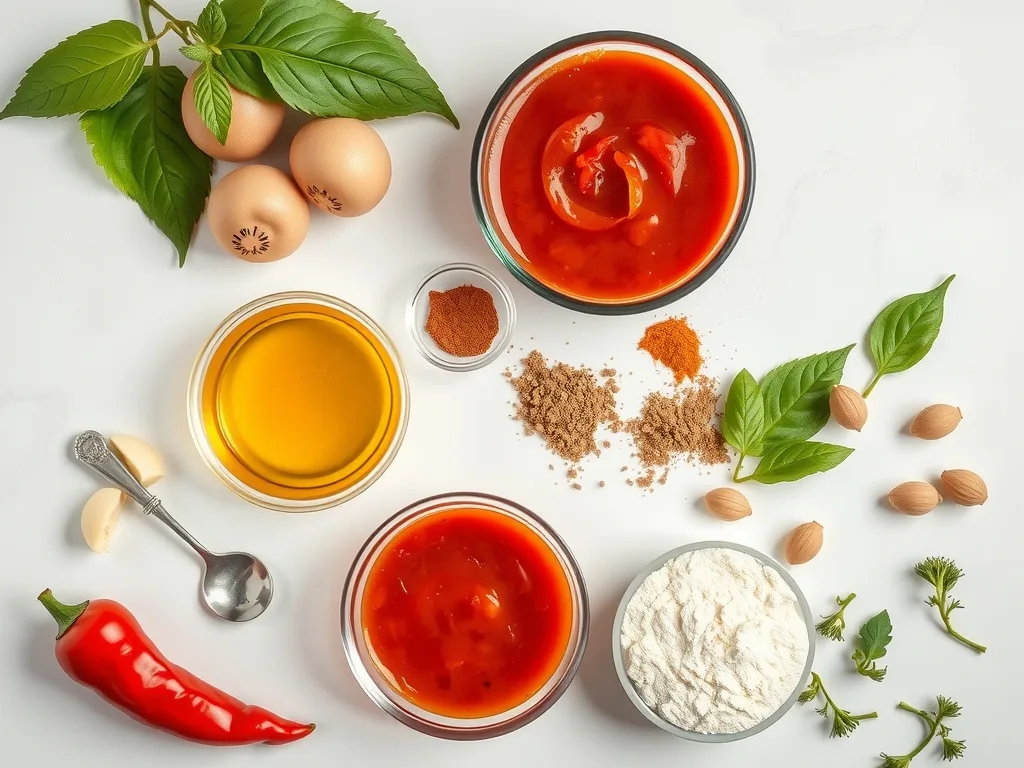
* 500 ml (2 cups) vegetable stock, low‑sodium preferred
* 2 tablespoons tomato paste, concentrated for richness
* 2 tablespoons plain flour, all‑purpose for the roux
* 2 tablespoons unsalted butter (or olive oil for a dairy‑free version)
* ½ tablespoon apple cider vinegar, adds bright acidity
* 1 teaspoon paprika, sweet or smoked depending on desired depth
* ½ teaspoon ground cumin, earthy backbone
* ½ teaspoon dried oregano, Mexican oregano if available
* 1 teaspoon garlic powder, ensures even garlic flavor
* 1 teaspoon chili powder, blend of ancho, pasilla, and cayenne for balanced heat
* Salt and freshly ground black pepper, to taste
* 2–3 dried ancho chilies, stemmed and seeded
* 2–3 dried guajillo chilies, stemmed and seeded
*Note: The script will place an image immediately after this header.*
Step-by-Step Instructions: Enchilada Sauce
1. Prepare the chilies – Place the dried ancho and guajillo chilies in a bowl, cover with hot water, and let them soak for 15 minutes until softened. Drain, reserving the soaking liquid, then transfer the chilies to a blender.
2. Blend the base – Add the tomato paste, garlic powder, cumin, oregano, paprika, chili powder, apple cider vinegar, and ½ cup of the reserved chili soaking liquid to the blender. Puree until completely smooth, about 1 minute.
3. Make the roux – In a medium saucepan over medium heat, melt the butter (or warm the oil). Sprinkle the flour over the fat and whisk constantly for 2–3 minutes until the mixture turns a light golden blond and smells nutty—this cooks out the raw flour taste.
4. Incorporate the chili puree – Slowly pour the blended chili mixture into the roux while whisking vigorously to prevent lumps. Continue whisking until the sauce is uniform and begins to thicken, roughly 2 minutes.
5. Add the stock – Gradually whisk in the vegetable stock, a little at a time, ensuring each addition is fully incorporated before adding more. This gradual incorporation keeps the sauce silky.
6. Simmer and season – Bring the sauce to a gentle simmer, then reduce the heat to low. Let it cook uncovered for 10–12 minutes, stirring occasionally, until it reaches a coating consistency that clings to the back of a spoon. Taste and season with salt and pepper as needed; if the sauce is too thick, thin it with a splash more stock or water.
7. Final touch – For an extra layer of richness, stir in a teaspoon of unsweetened cocoa powder or a small square of dark chocolate at the end of cooking, if desired. Remove from heat and let cool slightly before using.
*Chef tips:*
* Toast the dried chilies lightly in a dry skillet for 30 seconds before soaking to deepen their smoky flavor.
* If you prefer a smoother sauce, strain it through a fine‑mesh sieve after simmering.
* For a thicker sauce suitable for baking enchiladas, reduce the simmer time by a few minutes; for a pourable sauce ideal for drizzling, keep it a bit thinner.
Recipe Card Reference: Enchilada Sauce
Prep time: 15 minutes (including chili soaking)
Cook time: 20 minutes
Total time: 35 minutes
Servings: Approximately 2 ½ cups of sauce, enough for 12–15 enchiladas
Calories: Roughly 45 kcal per ¼‑cup serving (varies with stock and fat used)
This yield provides a generous amount for a family‑sized batch of enchiladas, with leftovers perfect for freezing or using as a base for soups and stews.
Why This Recipe Works & Expert Tips: Enchilada Sauce
The success of this enchilada sauce lies in the balance of three core techniques: building flavor through toasted chilies, creating a stable emulsion with a classic roux, and layering aromatics that complement rather than overwhelm.
First, rehydrating the ancho and guajillo chilies unlocks their natural sugars and smoky undertones, which form the sauce’s foundation. Ancho contributes a raisin‑like sweetness, while guajillo adds a bright, tangy acidity and moderate heat. Soaking them in hot water—not boiling—preserves delicate flavor compounds that can be destroyed by excessive heat.
Second, the roux (butter and flour) acts as a stabilizer, preventing the acidic tomato paste and vinegar from breaking the sauce apart during simmering. Cooking the roux to a light golden color eliminates the raw flour taste and introduces a subtle nutty note that rounds out the sauce’s mouthfeel. Whisking the chili puree into the roux ensures a smooth, lump‑free texture, a common pitfall when adding liquid directly to flour.
Third, the spice blend—paprika, cumin, oregano, garlic powder, and chili powder—mirrors the traditional Mexican adobo profile while allowing home cooks to adjust heat levels easily. Adding a touch of apple cider vinegar brightens the deep, earthy base, cutting through richness and making the sauce versatile enough to pair with cheese, beans, pork, or chicken.
Expert tips for customization include swapping vegetable stock for chicken or beef stock for a heartier backbone, using smoked paprika or a chipotle pepper for a pronounced smokiness, or incorporating a teaspoon of masa harina for an authentically thick, slightly grainy texture reminiscent of traditional New Mexico red chile sauce.
Storage, Freezing, and Reheating: Enchilada Sauce
Allow the sauce to cool to room temperature before transferring it to an airtight container. In the refrigerator, it will stay fresh for up to 5 days; the flavors often meld and improve after a day or two. For longer storage, freeze the sauce in portion‑sized freezer bags or containers—lay them flat to save space—and they’ll keep well for 3 months.
When reheating, thaw frozen sauce overnight in the fridge if possible, then warm it gently in a saucepan over low heat, stirring frequently. If the sauce has thickened during storage, whisk in a splash of stock, water, or milk until it reaches the desired consistency. Avoid boiling, as high heat can cause the fats to separate and alter the silky texture.
People Also Ask: Enchilada Sauce
What is the difference between enchilada sauce and taco sauce?
Enchilada sauce is typically smoother, richer, and designed to coat and bake tortillas, whereas taco sauce is thinner, brighter, and meant as a condiment for tacos, burritos, or nachos. Enchilada sauce often includes a roux or tomato paste base for body, while taco sauce relies more on blended tomatoes, vinegar, and spices for a tangy punch. The spice profiles also diverge: enchilada sauce emphasizes dried chilies and earthy spices like cumin and oregano, while taco sauce may feature fresh tomatoes, jalapeños, and cilantro for a fresher, more acidic finish.
What is authentic enchilada sauce made of?
Authentic enchilada sauce starts with dried red chilies—commonly ancho, guajillo, or pasilla—rehydrated and blended into a puree. This puree is then combined with a thickening agent such as a roux (flour and fat) or masa harina, aromatics like garlic and onion, and seasonings including cumin, oregano, and sometimes a hint of cocoa or chocolate for depth. Tomato paste or fresh tomatoes add acidity and body, while a splash of vinegar or lime juice balances the richness. The mixture is simmered until velvety, creating a sauce that clings to tortillas without becoming gluey.
How do you make red enchilada sauce from scratch?
To make red enchilada sauce from scratch, begin by soaking dried ancho and guajillo chilies in hot water until soft. Blend the softened chilies with tomato paste, garlic powder, cumin, oregano, paprika, chili powder, and a bit of the soaking liquid until smooth. In a saucepan, melt butter and whisk in flour to form a light roux, then gradually whisk in the chili puree. Slowly add vegetable stock while stirring to avoid lumps, bring to a gentle simmer, and cook for 10–12 minutes until thickened. Season with salt and pepper, and optionally finish with a teaspoon of cocoa powder or a square of dark chocolate for extra depth.
Can I use tomato sauce for enchilada sauce?
You can use tomato sauce as a shortcut, but the result will differ in texture and flavor. Tomato sauce is already cooked and often contains added salt, sugar, and seasonings, which can make the final sauce sweeter and less complex than one built from tomato paste and dried chilies. If you choose to use tomato sauce, reduce the amount of added liquid (stock or water) and consider boosting the chili flavor with extra chili powder or a dash of smoked paprika. For the most authentic taste and texture, sticking with tomato paste and rehydrated chilies yields a richer, more traditional enchilada sauce.
Conclusion: Enchilada Sauce
Creating your own enchilada sauce at home is a rewarding way to bring authentic Mexican flavors to your table while tailoring the heat, sweetness, and smokiness to suit your family’s taste. With just a handful of pantry staples and a few simple steps, you can produce a sauce that rivals any restaurant version—perfect for smothering enchiladas, enriching soups, or serving as a vibrant dip for chips and veggies.
We hope this guide inspires you to simmer a batch, experiment with variations, and share the results with loved ones. If you enjoyed the recipe, please consider pinning it, sharing it on Facebook, or leaving a comment below with your own twists and serving ideas. Happy cooking, and may your kitchen always be filled with the comforting scent of simmering chilies!
You Might Also Like:
- Amish Tomato Pie – The Best Comfort Dish to Try This Summer
- Smoked Meatloaf Recipe: Juicy & Flavorful
- Best Spicy Cajun Salmon Recipe – Quick & Flavorful Dinner Idea! 🐟🌶️✨
- Ultimate CrackerBarrel Meatloaf Recipe – Easy & Comforting Dish!
Find Us On Pinterest and Facebook.
Print
Enchilada Sauce
- Total Time: 25 minutes
- Yield: 1 cup 1x
Description
Discover the rich, smoky flavor of homemade enchilada sauce that elevates any Mexican dish. Perfect for tacos, burritos, and casseroles, this sauce blends wholesome ingredients for a comforting, authentic taste.
Ingredients
- 500ml (2 cups) vegetable stock
- 2 tablespoon tomato paste
- 2 tablespoon plain flour
- 2 tablespoon butter
- 0.5 tablespoon apple cider vinegar
- 1 teaspoon paprika
- 0.5 tsp cumin powder
- 0.5 teaspoon oregano
- 1 teaspoon garlic powder
- 1 teaspoon chilli powder
- Salt and pepper to taste
Instructions
- Heat butter in a saucepan over medium heat.
- Stir in flour and cook for 1 minute until lightly golden.
- Gradually whisk in vegetable stock, ensuring no lumps.
- Add tomato paste, apple cider vinegar, paprika, cumin, oregano, garlic powder, and chili powder; simmer for 10 minutes.
- Season with salt and pepper to taste, then remove from heat.
Notes
For a richer flavor, use chicken stock instead of vegetable stock. Substitute butter with oil for a dairy‑free version. Store in an airtight container in the refrigerator for up to 5 days or freeze for up to 3 months.
- Prep Time: 10 minutes
- Cook Time: 15 minutes
- Category: B
- Method: Stovetop
- Cuisine: Mexican
Nutrition
- Serving Size: 1/4 cup
- Calories: 30
- Sugar: 2g
- Sodium: 400mg
- Fat: 2g
- Saturated Fat: 0.5g
- Unsaturated Fat: 1.5g
- Trans Fat: 0g
- Carbohydrates: 6g
- Fiber: 1g
- Protein: 1g
- Cholesterol: 0mg
Keywords: enchilada, sauce, Mexican, spicy, homemade