
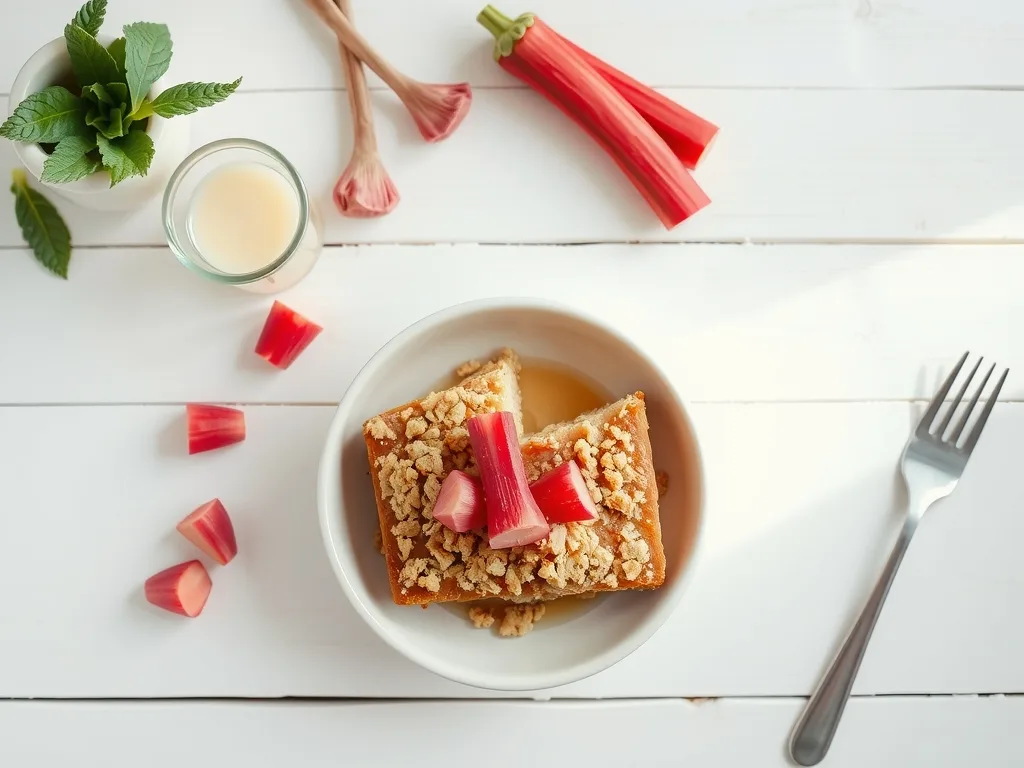
When spring arrives and the garden bursts with ruby‑red rhubarb stalks, there’s nothing quite like the scent of a warm German Rhubarb Streusel Cake drifting from the oven. This beloved rhabarberkuchen mit streusel marries a tender, buttery crumb with a sweet‑tart rhubarb filling and a golden, crunchy streusel topping that crackles with every bite. Perfect for afternoon coffee, brunch gatherings, or a comforting dessert after a family dinner, the cake feels both nostalgic and refreshingly light—making it a timeless favorite for home bakers aged 40‑65+ who appreciate authentic European flavors without fuss.
The recipe presented here stays true to the classic German technique while offering accessible substitutions for everyday pantry staples. You’ll discover how a simple yeast‑free base can still achieve that signature softness, why buttermilk adds a subtle tang that balances the rhubarb’s acidity, and how the streusel’s butter‑sugar‑flour trio creates that irresistible contrast. Whether you’re recreating a childhood memory from a Bavarian kitchen or exploring German baking for the first time, this guide walks you through each step with clear instructions, expert tips, and plenty of room for personal twists.
Alternate Names & Variations
German rhubarb cake goes by several names that reflect regional dialects and family traditions. In Switzerland you might hear Rhubarbertorte, while in Austria the term Rhubarberkuchen is common. Some bakers enrich the batter with a packet of vanilla sugar or a splash of rum for depth, while others fold in a handful of sliced almonds into the streusel for extra crunch. A popular variation swaps half the all‑purpose flour for whole‑wheat flour, lending a nuttier backbone that pairs beautifully with the tart fruit.
For those who prefer a yeasted base, a german rhubarb cake with yeast version uses a soft brioche‑like dough, resulting in a richer, more bread‑like texture—ideal for serving warm with a dollop of whipped cream. Regardless of the name, the core elements remain: a moist cake layer, juicy rhubarb, and a buttery streusel that turns golden in the oven.
Ingredients

For the cake: – 1/4 cup unsalted butter, at room temperature
– 1 cup granulated sugar
– 1 teaspoon vanilla extract
– 1 large egg
– 2 cups all‑purpose flour
– 1 teaspoon baking powder
– 1/2 teaspoon baking soda
– 1/2 teaspoon fine sea salt
– 1 cup buttermilk, shaken well
– 2 1/2 cups fresh rhubarb, diced into ½‑inch pieces
For the streusel topping:
– 1/4 cup unsalted butter, melted
– 1/2 cup all‑purpose flour
– 1/2 cup light brown sugar (or granulated sugar for a lighter crunch)
*Note: The script will place an image immediately after this section.*
Step-by-Step Instructions
1. Preheat and prepare. Set oven to 350°F (175°C). Grease a 9‑inch springform pan or a similar round cake tin with butter, then lightly dust with flour; tap out excess.
2. Cream butter and sugar. In a large mixing bowl, beat the softened butter and 1 cup sugar together on medium speed until pale and fluffy, about 2‑3 minutes. This incorporates air, giving the cake a tender crumb.
3. Add egg and vanilla. Mix in the egg and vanilla extract until just combined; over‑mixing can develop gluten and make the cake tough.
4. Combine dry ingredients. In a separate bowl whisk together flour, baking powder, baking soda, and salt.
5. Alternate wet and dry. Add one‑third of the flour mixture to the butter mixture, followed by half the buttermilk; repeat, ending with the flour. Mix on low speed just until incorporated—scrape the bowl as needed.
6. Fold in rhubarb. Gently toss the diced rhubarb with a tablespoon of flour (to prevent sinking) then fold it into the batter using a silicone spatula. The fruit should be evenly distributed but not over‑worked.
7. Transfer to pan. Spoon the batter into the prepared pan, smoothing the top with the spatula.
8. Make the streusel. In a small bowl combine melted butter, flour, and sugar. Use your fingertips or a fork to rub the mixture until it resembles coarse crumbs. For extra texture, stir in a tablespoon of chopped nuts or rolled oats if desired.
9. Add streusel. Evenly sprinkle the streusel over the batter, covering the surface but leaving a few small gaps for steam to escape.
10. Bake. Place the cake on the middle rack and bake for 45‑55 minutes, or until a toothpick inserted into the center (avoiding a rhubarb pocket) comes out clean and the streusel is deep golden brown.
11. Cool slightly. Let the cake rest in the pan for 10 minutes, then release the springform sides and transfer to a wire rack. Serve warm or at room temperature, optionally dusted with powdered sugar or accompanied by a dollop of whipped cream.
Chef’s Tips & Substitutions
– Buttermilk swap: If you don’t have buttermilk, mix 1 cup milk with 1 tablespoon lemon juice or white vinegar; let sit 5 minutes before using.
– Gluten‑free: Replace all‑purpose flour with a 1:1 gluten‑free blend; add ¼ teaspoon xanthan gum if the blend lacks it.
– Vegan: Use plant‑based butter and a flax egg (1 tablespoon ground flaxseed + 3 tablespoons water). Substitute buttermilk with soy milk + 1 tablespoon apple cider vinegar.
– Flavor boost: Add ½ teaspoon ground cinnamon or a pinch of cardamom to the streusel for a warm spice note.
Recipe Card Reference
Prep Time: 20 minutes
Cook Time: 50 minutes
Total Time: 1 hour 10 minutes
Servings: 12 generous slices
Calories per slice: Approximately 320 kcal (based on the ingredients listed; variations with nuts or alternative sugars will adjust the count).
Why This Recipe Works & Expert Tips
The success of this German Rhubarb Streusel Cake hinges on three core principles: moisture balance, leavening precision, and textural contrast. First, the buttermilk’s acidity reacts with baking soda to produce tender crumb while keeping the batter light; the fat from butter and egg coats flour proteins, limiting gluten formation for a soft bite. Second, the streusel’s butter‑flour‑sugar ratio creates a melt‑in‑your‑mouth base that crisps up in the oven, delivering that signature German “streusel” crunch without becoming soggy—a common pitfall when the topping is too wet.
Third, tossing the rhubarb in a light dusting of flour before folding it in prevents the fruit from sinking and releasing excess juice, which could otherwise make the cake dense.
For long‑tail keyword enthusiasts, note that using room‑temperature butter ensures proper emulsification, a detail often missed in rushed recipes. Additionally, the springform pan allows easy removal without damaging the delicate top, a tip frequently searched under “best pan for rhubarb streusel cake.” Finally, letting the cake rest for 10 minutes before unmolding lets the steam escape, preserving the streusel’s crispness—a subtle step that elevates the final texture from good to bakery‑worthy.
Storage, Freezing, and Reheating
Store any leftover cake in an airtight container at room temperature for up to two days; the streusel stays crisp if kept away from moisture. For longer keeping, refrigerate the cake (wrapped tightly in plastic) for up to five days—allow it to sit at room temperature for 20 minutes before serving to revive the crumb’s tenderness. To freeze, wrap individual slices in parchment then foil, place in a freezer‑safe bag, and freeze for up to three months.
Thaw overnight in the refrigerator, then warm slices in a 300°F oven for 8‑10 minutes or microwave for 20‑30 seconds; the streusel will regain its pleasant crunch. Avoid reheating the whole cake multiple times, as repeated heating can dry the crumb.
People Also Ask

What is the difference between German streusel and American crumb topping?
German streusel traditionally consists of equal parts flour, sugar, and butter, rubbed together until it forms coarse, pea‑sized crumbs that bake into a buttery, slightly sandy layer with a delicate crunch. American crumb toppings often incorporate additional ingredients such as oats, nuts, or spices, and may use a higher sugar-to-butter ratio, resulting in a sweeter, sometimes clumpier texture. The German version focuses on a pure, melt‑in‑your‑mouth crumb that complements rather than overwhelms the cake base, while American variations can be more robust and dessert‑focused.
What kind of cake base is used for German rhubarb cake?
Most authentic German rhubarb cakes use a simple, yeast‑free batter similar to a sweet quick bread or pound cake, relying on baking powder and soda for lift. The base is enriched with butter, sugar, egg, and buttermilk, yielding a moist, tender crumb that holds up to the juicy rhubarb without becoming soggy. Some regional versions incorporate a soft yeast dough for a brioche‑like texture, but the classic rhabarberkuchen mit streusel featured here stays true to the quick‑bread style, making it quicker to prepare while still delivering that comforting, homestyle feel.
Is German rhubarb cake served warm or cold?
German rhubarb cake is delightfully versatile: it can be served warm, straight from the oven, when the streusel is still slightly soft and the rhubarb is juicy and fragrant. Many families enjoy it at room temperature, allowing the flavors to meld and the streusel to firm up into a satisfying crunch. It is also pleasant chilled, especially when paired with a dollop of whipped cream or a scoop of vanilla ice cream, as the cool temperature contrasts nicely with the warm spices sometimes added to the streusel. Ultimately, serving temperature depends on personal preference and the occasion—warm for cozy afternoons, cold for refreshing summer desserts.
What is Kuchen?
*Kuchen* is the German word for “cake,” but it encompasses a broad spectrum of baked goods that range from delicate fruit tortes to hearty yeasted breads. Unlike the often layered, frosting‑heavy cakes common in Anglo‑American traditions, German *Kuchen* tends to be simpler, emphasizing fresh, seasonal ingredients—especially fruit—combined with a modestly sweet dough or batter. It is typically enjoyed with coffee or tea during *Kaffee und Kuchen* (coffee and cake) gatherings, making it a staple of German cafe culture and home baking alike.
Conclusion
There’s something truly special about pulling a golden‑brown German Rhubarb Streusel Cake from the oven, the scent of buttery streusel and tart rhubarb filling the kitchen like a warm hug. This recipe brings together the best of German baking tradition—simple, wholesome ingredients, a tender crumb, and a satisfyingly crunchy topping—while remaining approachable for everyday home bakers. Whether you’re honoring a family heritage, experimenting with European flavors, or simply looking for a delightful dessert to share with friends, this cake delivers comfort and elegance in every slice.
If you loved this guide, please share your baking triumphs on social media, tag your friends, and let us know how your streusel turned out. Happy baking!
You Might Also Like
- Amish Tomato Pie – The Best Comfort Dish to Try This Summer
- Smoked Meatloaf Recipe: Juicy & Flavorful
- Best Spicy Cajun Salmon Recipe – Quick & Flavorful Dinner Idea! 🐟🌶️✨
- Ultimate CrackerBarrel Meatloaf Recipe – Easy & Comforting Dish!
Find Us On Pinterest and Facebook.
Print
German Rhubarb Streusel Cake
- Total Time: 65 min
- Yield: 8 servings 1x
Description
Experience the delightful blend of tangy rhubarb and buttery streusel in this German Rhubarb Streusel Cake, a perfect springtime dessert that brings a touch of European charm to your kitchen.
Ingredients
- 1/4 cup unsalted butter, at room temperature
- 1 cup sugar
- 1 teaspoon vanilla extract
- 1 large egg
- 2 cups all-purpose flour
- 1 teaspoon baking powder
- 1/2 teaspoon baking soda
- 1/2 teaspoon salt
- 1 cup buttermilk
- 2 1/2 cups rhubarb, diced
Instructions
- Preheat the oven to 350°F (175°C) and grease a 9-inch springform pan.
- In a bowl, cream together the butter and sugar until light and fluffy.
- Beat in the egg and vanilla extract.
- In a separate bowl, whisk together the flour, baking powder, baking soda, and salt.
- Gradually add the dry ingredients to the butter mixture, alternating with the buttermilk, beginning and ending with the flour mixture.
- Fold in the diced rhubarb gently.
- For the streusel topping, combine melted butter, flour, and sugar until crumbly; sprinkle over the batter.
- Bake for 45-50 minutes, or until a toothpick inserted into the center comes out clean.
- Allow the cake to cool slightly before releasing the springform pan.
Notes
Tip: For a lighter streusel, substitute half of the butter with cold margarine. If rhubarb is very tart, increase sugar by 2 tablespoons. Store leftovers in an airtight container at room temperature for up to 2 days or refrigerate for up to 5 days.
- Prep Time: 20 min
- Cook Time: 45 min
- Category: B
- Method: Baking
- Cuisine: German
Nutrition
- Serving Size: 1 slice
- Calories: 320
- Sugar: 30g
- Sodium: 150mg
- Fat: 15g
- Saturated Fat: 9g
- Unsaturated Fat: 6g
- Trans Fat: 0g
- Carbohydrates: 45g
- Fiber: 3g
- Protein: 5g
- Cholesterol: 55mg
Keywords: rhubarb, streusel, cake, dessert, spring