
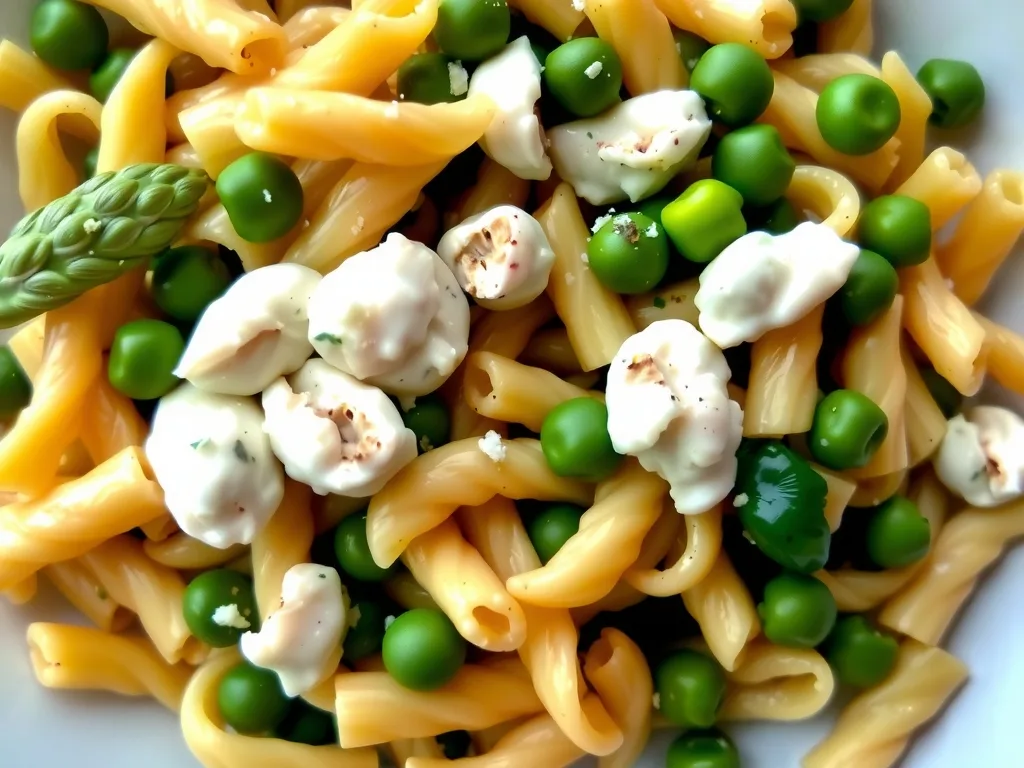
GreenGoddess Pasta Salad: Creamy, Fresh, and Irresistible Summer Side
Introduction: Green Goddess Pasta Salad
Summer is the season of bright flavors, outdoor picnics, and dishes that feel both indulgent and light. One recipe that perfectly captures those vibes is the Green Goddess Pasta Salad, a vibrant bowl that blends creamy herb‑laden dressing with crisp vegetables and tender pasta. This salad isn’t just a side; it’s a celebration of fresh herbs, zesty lemon, and wholesome ingredients that come together to create a dish that’s as nourishing as it is delicious. Whether you’re feeding a crowd at a family reunion or looking for a make‑ahead lunch that stores well, this salad checks every box.
What sets this Green Goddess Pasta Salad apart is its versatility. The dressing, made with a silky base of full‑fat Greek yogurt, fresh herbs, and a splash of lemon, delivers a tangy richness without the heaviness of traditional mayo‑based dressings. Pair that with a medley of orecchiette (or your favorite short pasta), crisp asparagus, sweet peas, and a hint of red pepper flakes for subtle heat, and you have a recipe that balances texture, color, and flavor in every bite. Plus, the recipe is easily adaptable—swap in rotini, fusilli, or penne, or add any seasonal vegetables you have on hand.
Beyond taste, this salad offers a nutritional punch. Greek yogurt supplies protein and probiotics, while the abundance of fresh herbs brings antioxidants and a dose of vitamins A, C, and K. The addition of lemon zest not only brightens the flavor but also adds a dose of vitamin C. All of these elements make the Green Goddess Pasta Salad a smart choice for health‑conscious eaters who still want a dish that feels indulgent. In the pages that follow, you’ll discover everything you need to master this recipe—from a scannable ingredient list and step‑by‑step instructions to expert tips, storage ideas, and answers to common questions. Let’s dive in and bring a burst of green goodness to your table.
Alternate Names & Variations
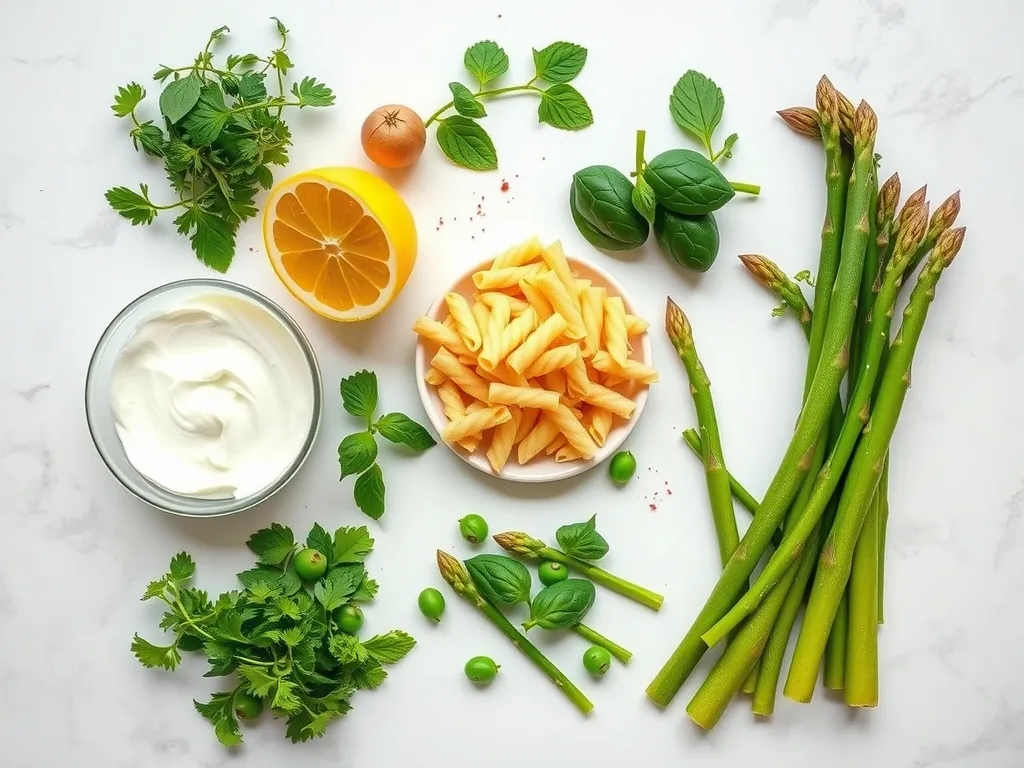
The Green Goddess Pasta Salad goes by several appealing aliases that can help it shine in different contexts. Some home cooks refer to it as a creamy green goddess pasta salad, emphasizing the luscious dressing that coats every strand of pasta. Others might label it a healthy pasta salad with avocado when they choose to incorporate ripe avocado slices for extra creaminess and heart‑healthy fats. You might also hear it called a fresh herb pasta salad to highlight the abundance of dill, basil, and mint that give the dish its signature aroma. Each nickname reflects a slightly different angle—whether it’s the dressing’s texture, the health benefits, or the herbaceous profile—allowing you to tailor the conversation to your audience.
If you’re exploring variations, consider swapping the herb trio for whatever is freshest in your garden. Cilantro adds a bright, slightly citrusy note; parsley contributes a clean, grassy flavor; and tarragon offers a subtle licorice undertone. For a vegan twist, replace the Greek yogurt with a plant‑based alternative such as coconut‑milk yogurt or a blended cashew cream, and keep the rest of the dressing ingredients the same. You can also experiment with protein additions like grilled chicken, shrimp, or chickpeas to turn the salad into a complete meal. These tweaks preserve the core essence of the Green Goddess while allowing you to customize it for dietary preferences or seasonal produce.
Ingredients: Green Goddess Pasta Salad
Green Goddess Sauce: 5 ounces full‑fat Greek yogurt (about 2/3 cup), 2 garlic cloves, 2 tablespoons extra virgin olive oil, 1½ cups fresh herbs (¼ cup chopped dill, 1 cup basil leaves, and ¼ cup mint leaves), 2 tablespoons freshly squeezed lemon juice, ½ teaspoon kosher salt, ¼ teaspoon freshly ground black pepper, zest of ½ lemon.
Pasta & Veggies: 16 ounces orecchiette pasta (substitutions: rotini, fusilli, or penne), 1 bunch asparagus (trimmed and cut into 1‑inch pieces), 1 cup frozen peas, 1 teaspoon kosher salt, ½ teaspoon black pepper, 1 teaspoon red pepper flakes (optional).
Step-by-Step Instructions: Green Goddess Pasta Salad
1. Bring a large pot of salted water to a boil. Add the orecchiette pasta and cook according to package instructions until al dente, about 9‑11 minutes. Drain and rinse under cold water to stop the cooking process; set aside.
2. While the pasta cooks, prepare the Green Goddess dressing. In a food processor, combine the Greek yogurt, garlic cloves, olive oil, lemon juice, lemon zest, salt, pepper, and the fresh herb mixture. Blend until smooth, scraping down the sides as needed. Taste and adjust seasoning, adding a pinch more salt or a splash of lemon juice if desired.
3. In a large skillet, bring a splash of water to a simmer over medium heat. Add the asparagus pieces and sauté for 2‑3 minutes until just tender but still crisp. Transfer to a large mixing bowl. 4. Add the frozen peas to the bowl with the asparagus; they will thaw quickly from the residual heat.
5. Toss the cooled pasta into the bowl with the vegetables. Pour the prepared Green Goddess dressing over the mixture and gently fold until every noodle is evenly coated.
6. Sprinkle the red pepper flakes over the salad for a subtle kick, if using. Give the salad one final toss to distribute the heat evenly.
7. Let the salad rest for 10‑15 minutes at room temperature to allow the flavors to meld. This step is crucial for the herbs to infuse the pasta fully.
8. Before serving, give the salad a quick taste and adjust salt or lemon juice if needed. Transfer to a serving platter or airtight container for later enjoyment.
Chef’s Tips & Substitutions: If you prefer a thicker dressing, add an extra tablespoon of Greek yogurt or a splash of olive oil. For a lighter version, swap half of the yogurt with low‑fat kefir. Feel free to incorporate other vegetables such as cherry tomatoes, cucumber, or radishes for added crunch. When cooking pasta, reserve a cup of pasta water; a splash can help loosen the dressing if it becomes too thick.
Recipe Card Reference: Green Goddess Pasta Salad This vibrant Green Goddess Pasta Salad comes together in approximately 20 minutes of active preparation, with a 15‑minute cook time for the pasta, yielding about six generous servings. Each serving clocks in at roughly 350 calories, making it a satisfying yet light option for summer gatherings or meal‑prep lunches. The recipe’s flexibility—allowing for pasta shape swaps, herb variations, and protein additions—means you can easily scale it up for larger crowds or down for intimate dinners. With its creamy, herb‑forward dressing and colorful vegetable medley, this salad is sure to become a staple on your warm‑weather table.
Why This Recipe Works & Expert Tips: Green Goddess Pasta Salad
The secret to a truly outstanding Green Goddess Pasta Salad lies in the balance of texture, flavor, and temperature. By using full‑fat Greek yogurt as the dressing base, you achieve a rich, creamy mouthfeel without the heaviness of traditional mayonnaise, while the lemon juice and zest provide a bright acidity that cuts through the richness. Fresh herbs are the heart of the dressing; they not only deliver a burst of aromatic complexity but also contribute antioxidants that keep the salad feeling light and wholesome. When you combine the hot‑cooked pasta with cold vegetables and a chilled dressing, you create a harmonious contrast that makes each bite refreshing. To maximize flavor, allow the salad to rest for at least 10 minutes after tossing. This resting period enables the pasta to absorb the dressing, ensuring every noodle is evenly coated and the herbs have time to infuse their essence throughout the dish. If you’re preparing the salad ahead of time, store the dressing separately and combine it just before serving to preserve the crispness of the vegetables. For those who love a little heat, a pinch of red pepper flakes adds a subtle warmth that complements the herbaceous notes without overwhelming them. Finally, don’t be afraid to experiment with different pasta shapes; each variation offers a unique bite and can affect how well the dressing clings to the noodles.
Storage, Freezing, and Reheating
Leftover Green Goddess Pasta Salad stores beautifully in the refrigerator for up to three days when kept in an airtight container. Because the dressing contains yogurt, it may thicken slightly as it chills; simply stir in a splash of cold water or extra lemon juice before serving to restore its original consistency. If you need to freeze the salad, it’s best to freeze the pasta and vegetables separately from the dressing. Freeze the cooked pasta in a single layer on a baking sheet, then transfer to a freezer‑safe bag for up to two months. When ready to use, thaw the pasta, reheat briefly in boiling water, and toss with freshly made dressing and vegetables. While the salad itself isn’t ideal for reheating in a microwave, a gentle warm‑up in a skillet with a splash of broth can revive its texture if you prefer a slightly warm serving.
People Also Ask: Green Goddess Pasta Salad
What is green goddess dressing made of?
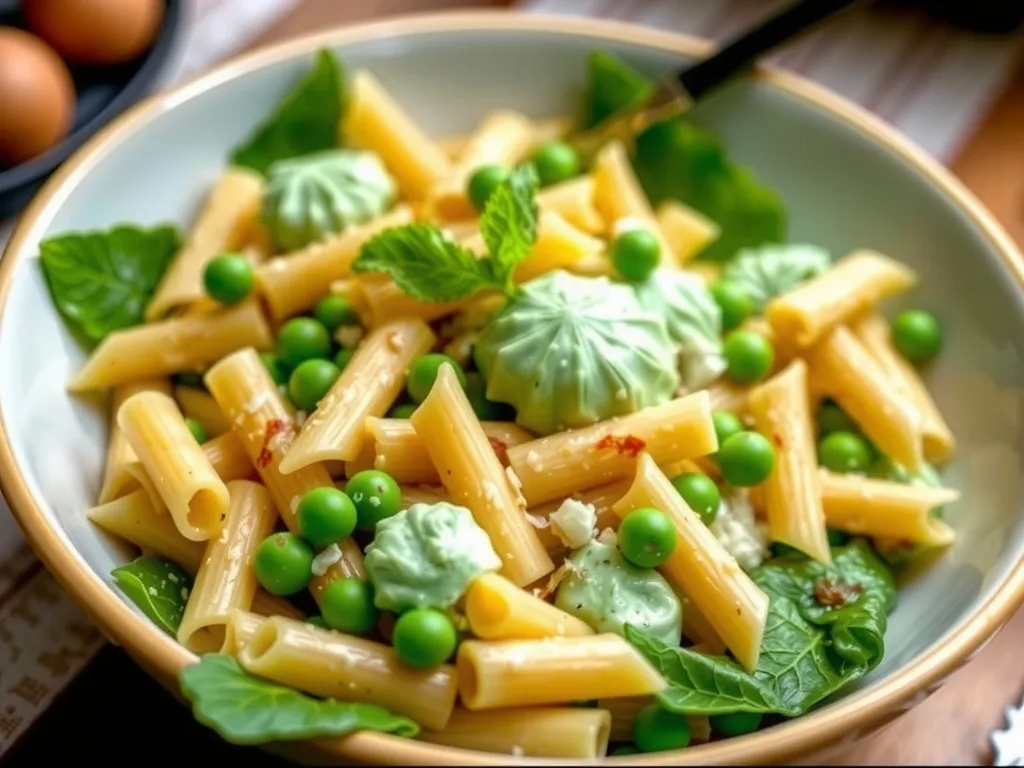
Green Goddess dressing traditionally blends a creamy base—often mayonnaise or Greek yogurt—with fresh herbs such as tarragon, chives, parsley, and dill, along with anchovies for depth, lemon juice for brightness, and sometimes a hint of garlic. In this recipe, we replace mayo with full‑fat Greek yogurt to create a lighter yet equally rich dressing, while retaining the classic herb medley of dill, basil, and mint. A splash of extra virgin olive oil adds silkiness, lemon zest contributes aromatic citrus, and a dash of kosher salt and black pepper seasons the blend. The result is a tangy, herb‑forward sauce that coats pasta, salads, or vegetable platters with a fresh, garden‑like flavor that’s both indulgent and health‑conscious.
Is green goddess pasta salad served cold?
Yes, Green Goddess Pasta Salad is traditionally served chilled or at room temperature, making it an ideal summer side dish. After cooking the pasta and cooling it under cold running water, the salad is tossed with the chilled Green Goddess dressing and fresh vegetables, then allowed to rest for 10‑15 minutes so the flavors meld. This resting period ensures the pasta absorbs the creamy herb dressing while the vegetables stay crisp. Serving the salad cold enhances its refreshing quality, especially on warm days, and helps maintain the vibrant texture of the asparagus and peas. If you prefer a slightly warmer bite, you can let the salad sit at room temperature for a short while before serving, but avoid overheating, as it can cause the yogurt‑based dressing to separate.
What herbs are in green goddess dressing?
The hallmark herbs of a classic Green Goddess dressing are dill, parsley, tarragon, and chives, each contributing a distinct flavor profile—dill for its grassy freshness, parsley for a clean, slightly peppery note, tarragon for a subtle anise‑like sweetness, and chives for a mild onion bite. In our adapted version, we focus on a vibrant mix of dill, basil, and mint, which together create a bright, garden‑fresh aroma that pairs beautifully with lemon zest and garlic. These herbs not only define the dressing’s flavor but also provide antioxidant benefits and a pop of color that makes the salad visually appealing. Feel free to experiment with additional herbs like cilantro or mint to tailor the taste to your personal preferences or seasonal availability.
Can you make the dressing ahead of time?
Absolutely—making the Green Goddess dressing ahead of time is a smart strategy for efficient meal planning. The dressing can be prepared up to three days in advance and stored in an airtight container in the refrigerator. Because it’s based on Greek yogurt, it holds up well, though you may notice a slight thickening over time; simply whisk in a splash of cold water, lemon juice, or olive oil before using to restore the original consistency. Preparing the dressing ahead allows the flavors to deepen, resulting in an even more pronounced herbaceous profile. When you’re ready to assemble the salad, just pour the chilled dressing over the pasta and vegetables, toss, and serve. This make‑ahead approach saves time on busy weeknights and ensures that the fresh herb flavors are always ready to shine.
Conclusion: Green Goddess Pasta Salad
There you have it—the ultimate Green Goddess Pasta Salad, a dish that marries creamy herbaceous dressing with wholesome pasta and crisp vegetables for a side that’s as nutritious as it is delicious. From its vibrant green hue to its refreshing lemon‑bright finish, this recipe is perfect for summer barbecues, potlucks, or a quick weeknight dinner that feels special. We hope you’ll try it, make it your own, and share the love with friends and family. Don’t forget to snap a photo, tag us on social media, and let your followers discover this fresh, flavorful masterpiece. Happy cooking!
You Might Also Like:
- Amish Tomato Pie – The Best Comfort Dish to Try This Summer
- Smoked Meatloaf Recipe: Juicy & Flavorful
- Best Spicy Cajun Salmon Recipe – Quick & Flavorful Dinner Idea! 🐟🌶️✨
- Ultimate CrackerBarrel Meatloaf Recipe – Easy & Comforting Dish!
Find Us On Pinterest and Facebook.
Print
GreenGoddess Pasta Salad
- Total Time: 30 minutes
- Yield: 4 servings 1x
- Diet: Vegetarian
Description
A creamy herb‑yogurt dressing tossed with al dente pasta, crisp asparagus, sweet peas, and bright lemon zest for a refreshing, vegetarian salad.
Ingredients
- 5 ounces full-fat Greek yogurt
- 2 garlic cloves, minced
- 2 tablespoons extra virgin olive oil, divided
- 1 ½ cups fresh herbs: ¼ cup chopped dill, 1 cup basil leaves, ¼ cup mint leaves
- 2 tablespoons freshly squeezed lemon juice
- ½ teaspoon kosher salt, plus more for pasta water
- ¼ teaspoon freshly ground black pepper
- Zest of ½ lemon
- 16 ounces orecchiette pasta (or rotini, fusilli, or penne)
- 1 bunch asparagus, trimmed and cut into 1-inch pieces
- 1 cup frozen peas
- 1 teaspoon kosher salt for pasta water
- ½ teaspoon freshly ground black pepper for pasta water
- 1 teaspoon red pepper flakes (optional)
- 2 tablespoons olive oil for cooking pasta (optional)
- ¼ cup grated Parmesan cheese (optional)
- 2 tablespoons toasted pine nuts (optional)
Instructions
- Cook the pasta according to package directions until al dente; drain and rinse briefly under cold water.
- In a large bowl whisk together the Greek yogurt, minced garlic, 1 tablespoon olive oil, lemon juice, lemon zest, chopped dill, basil leaves, mint leaves, ½ teaspoon salt, and ¼ teaspoon pepper until smooth.
- If the sauce is too thick, stir in a little reserved pasta cooking liquid to reach desired consistency.
- In a skillet heat the remaining olive oil over medium heat; add the asparagus pieces and sauté for 3–4 minutes until crisp‑tender.
- Add the frozen peas and red pepper flakes to the skillet and cook for another minute.
- Transfer the cooked pasta, sautéed asparagus, and peas to a large serving bowl; pour the green goddess sauce over and toss to coat evenly.
- Adjust seasoning with extra salt, pepper, or lemon juice if needed; garnish with optional grated Parmesan and toasted pine nuts.
- Serve immediately at room temperature or chill for later.
Notes
Can be served immediately or chilled; flavors deepen after refrigeration. Optional toppings include grated Parmesan and toasted pine nuts.
- Prep Time: 15 minutes
- Cook Time: 15 minutes
- Category: Salad
- Method: Mixed
- Cuisine: American
Nutrition
- Serving Size: about 1 ½ cups
- Calories: 250 kcal
- Sugar: 4g
- Sodium: 300mg
- Fat: 15g
- Saturated Fat: 5g
- Unsaturated Fat: 10g
- Trans Fat: 0g
- Carbohydrates: 70g
- Fiber: 6g
- Protein: 20g
- Cholesterol: 15mg
Keywords: green goddess pasta salad, pasta salad, herb dressing, vegetarian