
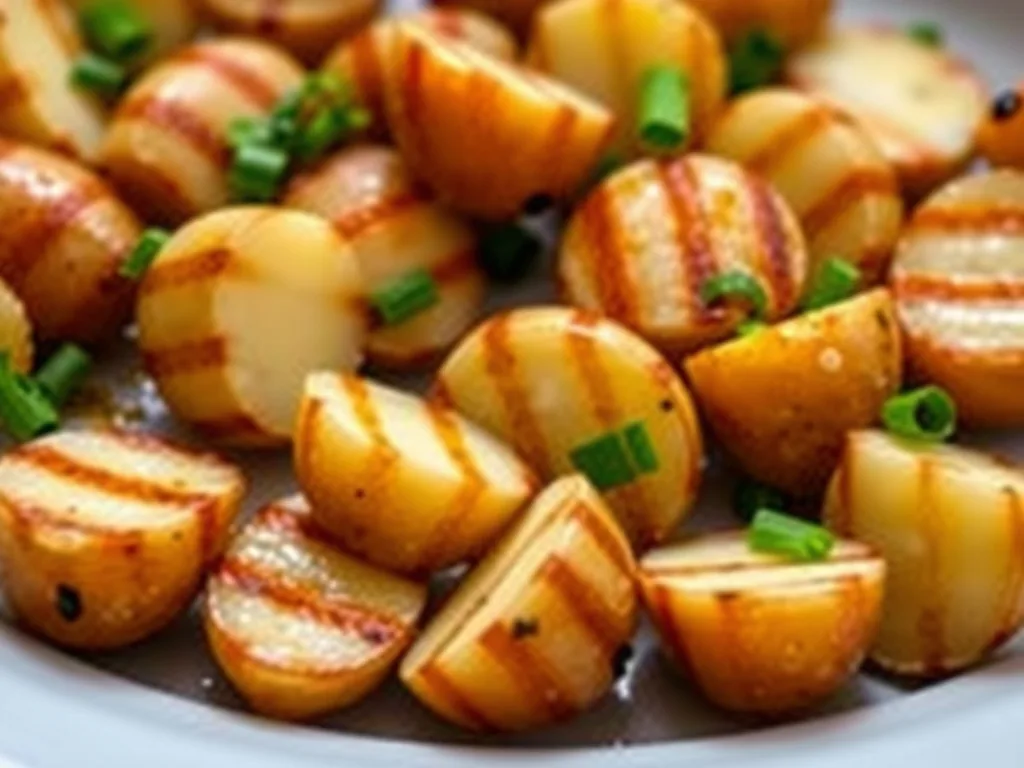
Grilled Potato Salad: Smoky, Warm, and Irresistibly Fresh
There’s something magical about taking humble potatoes and turning them into a dish that sings with smoky char, bright citrus, and herbaceous freshness. When the grill’s heat kisses each bite‑size spud, the exterior crisps while the interior stays tender and buttery, creating a texture contrast that boiled‑only salads simply can’t match. This Grilled Potato Salad recipe brings together the best of both worlds: the comforting familiarity of a classic potato salad and the elevated, backyard‑barbecue flair that makes any gathering feel special.
Designed with home cooks aged 40‑65+ in mind, the steps are straightforward, the ingredients are pantry‑friendly, and the flavors are balanced to please a crowd without overwhelming the palate. Whether you’re serving it alongside grilled chicken at a family reunion, pairing it with a juicy steak for a weekend cookout, or simply enjoying a lighter lunch on a sunny patio, this salad adapts effortlessly. The warm dressing clings to each potato piece, infusing them with lemon‑thyme brightness, while a touch of whole‑grain mustard and capers adds a pleasant tang that cuts through the richness.
Beyond taste, grilling potatoes offers practical benefits. It reduces the need for a large pot of boiling water, frees up stovetop space, and imparts a subtle smokiness that elevates the dish from ordinary to memorable. Plus, the technique works beautifully with a variety of potatoes—baby Yukon Golds, red bliss, or even fingerlings—so you can use what’s freshest at your market. Get ready to discover why this Grilled Potato Salad is destined to become a staple in your summer repertoire.
Alternate Names & Variations
While “Grilled Potato Salad” is the most direct name, you’ll often see it referred to as warm potato salad, charred potato salad, or smoky herb potato salad. These variations hint at the core technique—cooking the potatoes over direct heat before tossing them in a dressing. If you prefer a mayo‑free version, simply swap the mayonnaise for extra‑virgin olive oil or a vegan aioli; the salad remains luxuriously creamy thanks to the emulsion of lemon juice and mustard.
For those who love a little heat, add a pinch of smoked paprika or a finely chopped jalapeño to the dressing. Fresh herbs can also be swapped: basil or mint bring a bright, summery note, while chopped chives or parsley offer a milder alternative to dill. If you’re aiming for a heartier dish, toss in roasted corn kernels, crumbled bacon, or diced avocado just before serving. Each tweak keeps the essence of the dish intact while allowing you to tailor it to your taste buds or dietary needs.
Ingredients: Grilled Potato Salad
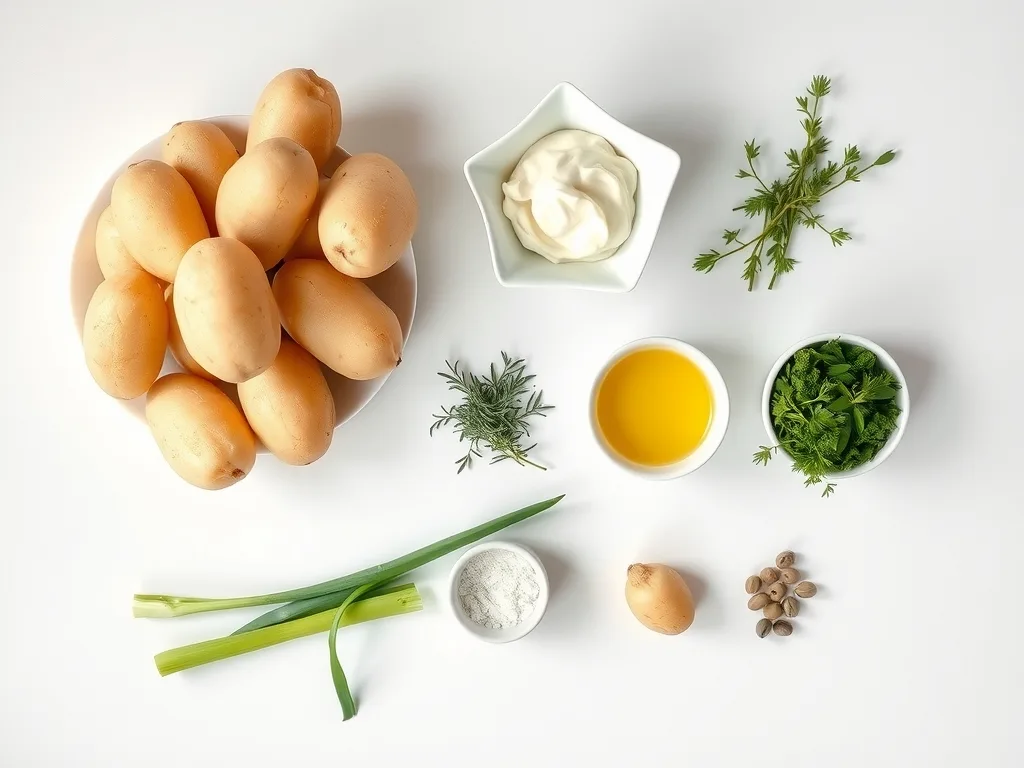
* 2 lb baby potatoes (Yukon Gold, red, or a mix), halved
* 3 Tbsp extra virgin olive oil (plus more for brushing the grill)
* ¼ cup mayonnaise (vegan if needed)
* 2–3 Tbsp lemon juice, divided
* 2 Tbsp fresh thyme leaves, divided
* 1 Tbsp whole grain mustard
* ¾ tsp fine sea salt
* ¼ tsp black pepper
* 2 green onions, thinly sliced
* 1–2 Tbsp chopped fresh dill
* 1 Tbsp chopped capers
*Note:* If you prefer a lighter dressing, reduce the mayo to 2 Tbsp and increase the olive oil to 5 Tbsp total.
Step‑by‑Step Instructions: Grilled Potato Salad
1. Prep the potatoes – Wash the baby potatoes thoroughly. Pat them dry, then cut each in half lengthwise. Place them in a large bowl.
2. Season for the grill – Drizzle 2 Tbsp of olive oil over the potatoes, add ½ tsp salt, and a pinch of pepper. Toss to coat evenly.
3. Preheat the grill – Heat a gas or charcoal grill to medium‑high (about 400‑425°F). Clean the grates and lightly brush them with oil to prevent sticking.
4. Grill the potatoes – Arrange the potato halves cut‑side down on the grill in a single layer. Close the lid and grill for 4‑5 minutes, until grill marks appear and the edges start to crisp. Flip them over and grill another 3‑4 minutes, until tender when pierced with a fork.
5. Make the warm dressing – While the potatoes grill, whisk together the mayonnaise, 1 Tbsp lemon juice, 1 Tbsp thyme, whole grain mustard, remaining salt, and pepper in a medium bowl.
6. Combine – Transfer the hot grilled potatoes to a large mixing bowl. Pour the dressing over them while they’re still warm; the heat helps the dressing cling and slightly thicken. Toss gently to coat.
7. Add fresh finishes – Stir in the sliced green onions, remaining thyme, chopped dill, capers, and the remaining lemon juice. Taste and adjust seasoning with extra salt, pepper, or lemon if needed.
8. Serve – Transfer to a serving bowl or platter. Garnish with an extra sprinkle of dill or a few caper berries for visual appeal. Enjoy warm or at room temperature.
Chef’s Tips:
* For extra smoky flavor, add a few wood chips (such as apple or hickory) to a charcoal grill or use a smoker box on a gas grill.
* If you prefer a crispier exterior, par‑boil the potatoes for 5 minutes before grilling; this reduces grill time and ensures a creamy interior.
* Substitute Greek yogurt for half the mayo to boost protein and tang while cutting fat.
Recipe Card Reference: Grilled Potato Salad
Prep time is approximately 15 minutes, which includes washing, halving the potatoes, and whisking the dressing. Cook time on the grill totals about 8‑10 minutes, depending on the size of your potato halves and the heat of your grill. The recipe yields roughly 6 servings, making it ideal for a family‑size side dish or a generous contribution to a potluck. Each serving contains an estimated 210 calories, with 9 g of fat, 28 g of carbohydrates, and 4 g of protein, assuming the standard mayonnaise amount; adjustments to the dressing will shift these numbers slightly.
Why This Recipe Works & Expert Tips: Grilled Potato Salad
The success of this Grilled Potato Salad hinges on three key factors: temperature contrast, flavor layering, and texture balance. Grilling the potatoes over direct heat creates a Maillard reaction on the surface, producing nutty, caramelized notes that raw‑boiled potatoes lack. When the hot spuds meet the cool, citrus‑thyme dressing, the emulsion temporarily loosens, allowing the sauce to seep into every crevice before re‑setting as the salad rests. This results in a coating that feels both luxurious and light.
Using baby potatoes ensures uniform size, which promotes even grilling and prevents some pieces from becoming mushy while others stay firm. The combination of whole‑grain mustard and capers introduces a subtle acidity and briny pop that cuts through the richness of the mayo, while fresh thyme and dill provide herbaceous brightness that pairs beautifully with the smoky undertones.
A few expert tricks elevate the dish further: lightly scoring the potato halves before grilling increases surface area for better char, and finishing with a splash of lemon juice right before serving revives the flavors after any resting period. For those watching sodium, rinsing the capers briefly reduces their salt impact without sacrificing their distinctive bite.
Storage, Freezing, and Reheating:
Store any leftovers in an airtight container in the refrigerator for up to three days. The dressing may thicken as it chills; before serving again, give the salad a gentle toss and, if needed, drizzle a teaspoon of olive oil or a squeeze of lemon to loosen it.
Freezing is not recommended for this salad because the potatoes can become grainy and the mayo‑based dressing may separate upon thawing. If you must freeze, consider separating the potatoes and dressing: freeze the grilled potatoes on a baking sheet, then transfer to a freezer bag; thaw and reheat gently in a skillet before mixing with a freshly made dressing.
To reheat, spread the salad in a single layer on a microwave‑safe plate and warm on medium power for 60‑90 seconds, stirring halfway through. Alternatively, place it in a covered skillet over low heat for 3‑4 minutes, stirring occasionally, until warmed through. Avoid high heat, which can cause the dressing to break and the potatoes to dry out.
People Also Ask: Grilled Potato Salad
Is it better to boil or grill potatoes for potato salad?
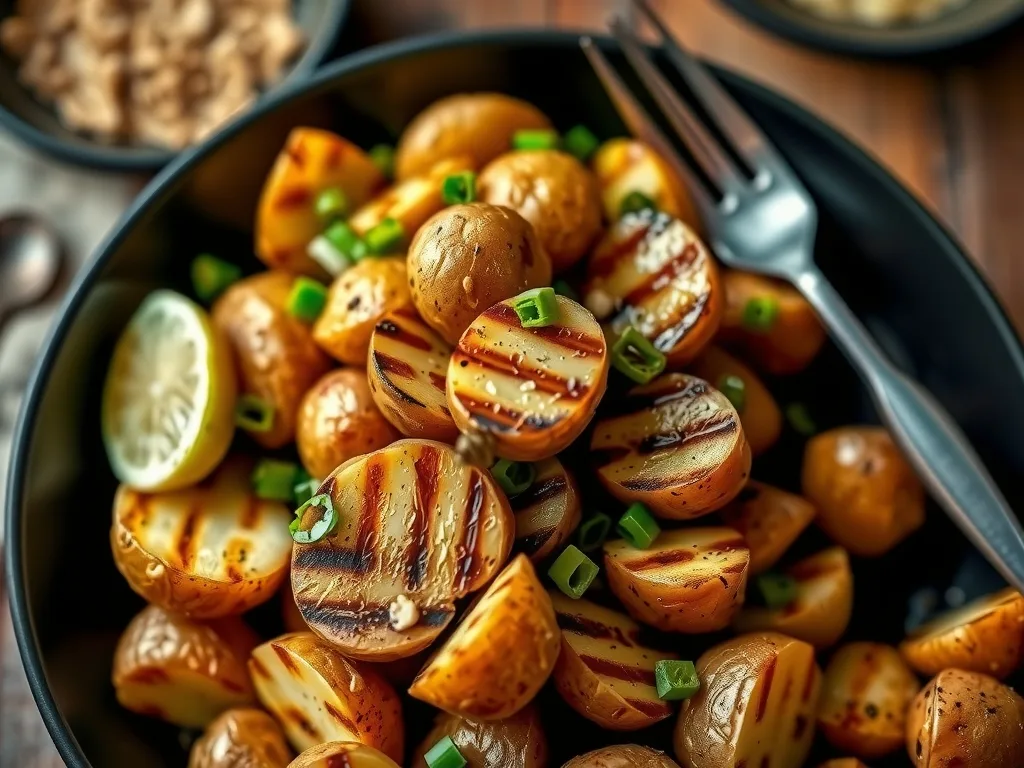
Grilling potatoes imparts a smoky, caramelized exterior that boiling cannot achieve, while still keeping the interior tender when done correctly. Boiling yields a uniformly soft texture but lacks the depth of flavor from grill marks. For a salad that stands out at a barbecue, grilling adds a distinctive char and reduces the need for a large pot of boiling water, freeing up stovetop space. However, if you prefer an ultra‑creamy base, you can par‑boil the potatoes briefly before grilling to ensure they cook through without over‑charred edges. Ultimately, the choice depends on the flavor profile you desire: grilled for smoky complexity, boiled for classic softness.
How do you keep grilled potatoes from getting dry?
The key to moist grilled potatoes is proper preparation and timing. Start by tossing the halved baby potatoes in olive oil, salt, and pepper before they hit the grill; the oil creates a barrier that locks in moisture. Grill over medium‑high heat, not scorching high, and avoid overcooking—remove them as soon as a fork slides in with little resistance. If you’re using larger wedges, consider a two‑zone grill: sear over direct heat, then move to indirect heat to finish cooking gently. Finally, dressing the potatoes while they’re still warm allows the sauce to be absorbed, adding extra moisture and flavor.
What kind of potatoes are best for grilling?
Waxy varieties such as baby Yukon Gold, red bliss, or fingerlings hold their shape well during grilling and develop a creamy interior. Their lower starch content prevents them from falling apart, making them ideal for salads where you want distinct, bite‑size pieces. Starchy potatoes like Russets can become fluffy and may break down more easily on the grill, but they work if you prefer a softer, mash‑like texture and keep a close eye on cooking time. For the best balance of flavor and texture in a grilled potato salad, stick with waxy baby potatoes.
What is a good dressing for grilled potato salad?
A bright, emulsified dressing complements the smoky potatoes without overwhelming them. A base of mayonnaise (or vegan aioli) blended with lemon juice, whole‑grain mustard, fresh herbs like thyme and dill, and a touch of capers creates a creamy yet tangy coating. Adjust the acidity with extra lemon juice or a splash of white wine vinegar for zest, and enrich the mouthfeel with a drizzle of extra‑virgin olive oil if you prefer a lighter texture. Adding a pinch of smoked paprika or a dash of hot sauce can introduce subtle depth that echoes the grill’s char.
Conclusion: Grilled Potato Salad
This Grilled Potato Salad brings together the comforting familiarity of a classic side with the irresistible allure of grill‑kissed flavor. It’s versatile enough to serve alongside burgers, steaks, or grilled fish, yet hearty enough to stand on its own as a light lunch. The warm dressing clings to each tender potato, while fresh herbs and capers lift every bite with a fragrant, zesty finish.
We hope you feel inspired to fire up the grill and give this recipe a try. If you love it, snap a photo, share it on your social channels, and tag us so we can see your delicious creations. Happy grilling, and enjoy every smoky, herb‑filled forkful!
You Might Also Like:
- Amish Tomato Pie – The Best Comfort Dish to Try This Summer
- Smoked Meatloaf Recipe: Juicy & Flavorful
- Best Spicy Cajun Salmon Recipe – Quick & Flavorful Dinner Idea! 🐟🌶️✨
- Ultimate CrackerBarrel Meatloaf Recipe – Easy & Comforting Dish!
Social Footer: