
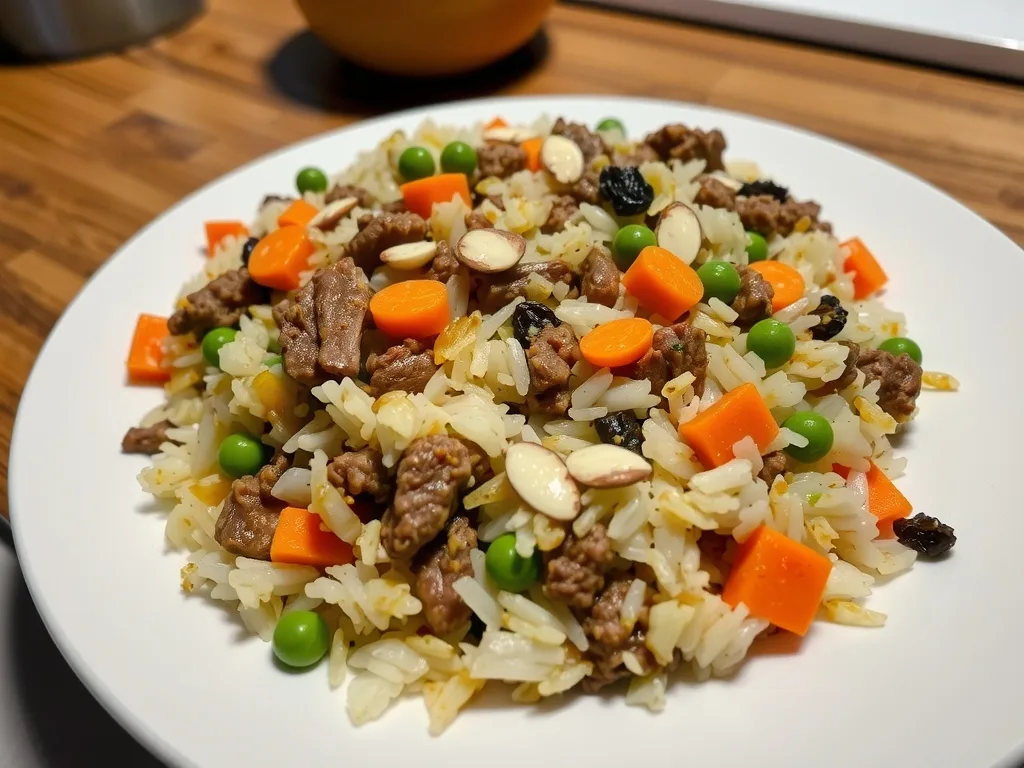
Introduction: Hashweh Rice with Ground Beef
There’s something magical about a pot of simmering rice that carries the scent of distant markets and family gatherings alike. When that rice is tossed with tender ground beef, aromatic spices, and a splash of caramelized onions, the result is a comforting one‑pot meal that feels both familiar and exotic. This is the heart of Hashweh Rice with Ground Beef, a beloved staple in Lebanese households that has traveled across continents and found a cherished spot on many American dinner tables.
Whether you’re cooking for a bustling weekend brunch or a quiet weekday dinner, this dish promises a satisfying blend of hearty protein, fluffy grains, and warm, earthy flavors that invite conversation and linger in memory.
Seasoned cooks and home chefs alike love the flexibility of this recipe, which can be dressed up with toasted almonds, raisins, or a sprinkle of fresh parsley for a pop of color and texture. Each step builds layers of flavor: start with a gentle sauté of onions until translucent and sweet, then sear the beef to lock in juices, and finish with a steam‑infused simmer that makes the rice perfectly tender.
The spice blend — cinnamon, allspice, and a whisper of nutmeg — creates a warm backdrop that complements the peas and carrots, while basmati grains absorb those aromatics and swell into light, separate kernels. The result feels like a warm hug, perfect for sharing stories around the table.
Whether you are revisiting a childhood favorite or discovering a new culinary tradition, Hashweh Rice with Ground Beef invites you to explore the richness of Middle Eastern home cooking without exotic equipment or hard‑to‑find ingredients. The recipe uses pantry staples — basmati rice, frozen peas and carrots, and a blend of sweet spices — in a single, fool‑proof method that even beginners can master.
As the pot bubbles, the kitchen fills with an inviting aroma that bridges generations, reminding us that food is more than sustenance; it is a story passed down through laughter, careful stirring, and a quick taste‑test. Ready to bring that story to your own family gathering? Let’s dive into the details and make this comforting classic your next star dish.
Alternate Names & Variations
Hashweh Rice with Ground Beef is known by several names across the Levant, including ‘Rice with Ground Beef,’ ‘Lebanese Beef Pilaf,’ or simply ‘Spiced Beef and Rice.’ Home cooks often adapt the base recipe to suit regional tastes, swapping cinnamon for allspice, adding tomato paste for a richer hue, or incorporating bay leaves for an extra aromatic note. In some families, the dish is served with a side of yogurt or a fresh cucumber salad to balance the warm spices, while others sprinkle toasted pine nuts for crunch.
The underlying principle remains the same: a harmonious blend of sweet and savory spices that elevate humble rice and protein into a celebratory meal. These variations make the dish a versatile centerpiece for festive gatherings, family dinners, or even a comforting weeknight supper.
Ingredients: Hashweh Rice with Ground Beef
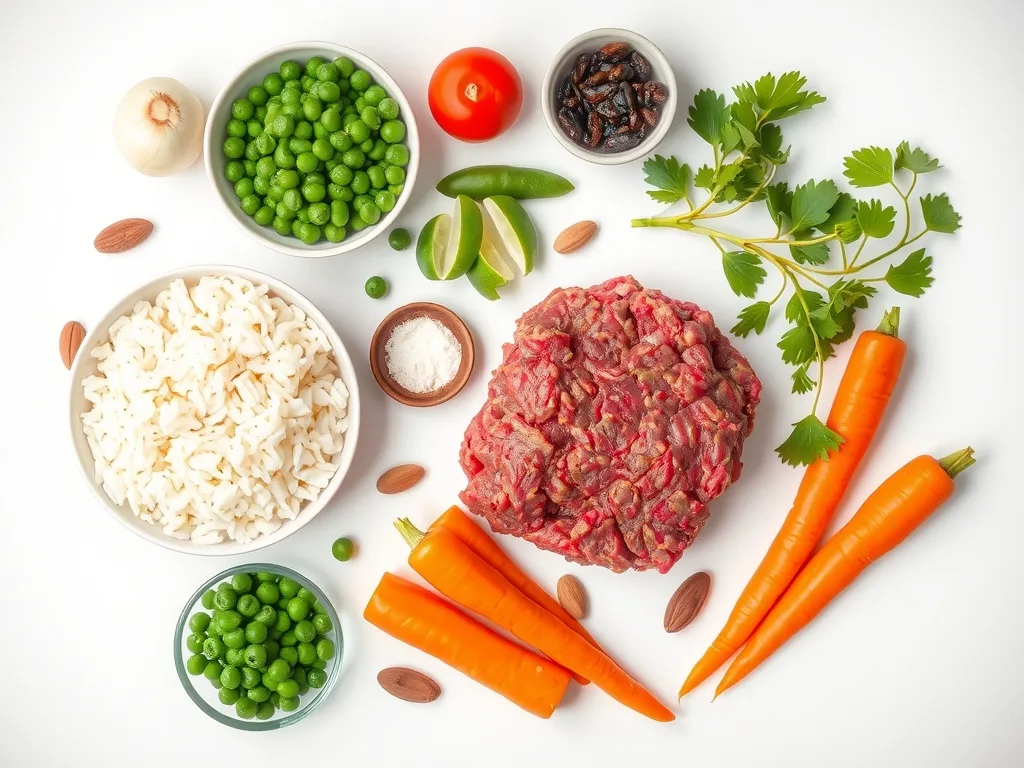
650 g of lean ground beef provides the rich, meaty foundation that holds the dish together, delivering juicy bites in every spoonful.
Two small onions, finely diced, lend a sweet, aromatic base that caramelizes gently, enhancing the savory depth of the spices. Three tablespoons of vegetable oil create the perfect medium for sautéing, ensuring even browning without burning.
Three cups of frozen peas and carrots add a burst of color, natural sweetness, and a quick‑cook vegetable element that balances the richness.
Three teaspoons of allspice and two teaspoons of ground cinnamon are the heart of the spice blend, delivering warm, slightly sweet notes characteristic of Middle Eastern pilafs.
Three and a half teaspoons of salt and three‑quarters teaspoon of black pepper season the mixture, allowing you to adjust the heat to personal preference. Three cups of white basmati rice, rinsed, absorb the fragrant broth, swelling into fluffy, separate grains.
For garnish, you may use half a cup of slivered almonds, a quarter cup of raisins, and a quarter cup of chopped parsley to add crunch, subtle sweetness, and fresh brightness.
Step-by-Step Instructions: Hashweh Rice with Ground Beef
- Heat the oil in a large skillet over medium heat, then add the diced onions and sauté for about 4–5 minutes until they become translucent and start to caramelize, stirring occasionally to prevent sticking. Chef tip: add a pinch of salt to help the onions soften faster; substitution: use olive oil for a fruitier flavor.
- Push the onions to the side of the pan and add the ground beef, breaking it up with a wooden spoon; cook until the meat is browned, about 6–8 minutes, ensuring all pink disappears. Chef tip: drain excess fat if needed, or keep a tablespoon for extra richness; substitution: use ground turkey for a leaner twist.
- Sprinkle the allspice, cinnamon, and a pinch of nutmeg over the meat, stirring to coat evenly and allowing the spices to toast for 30 seconds, which releases their essential oils. Chef tip: toast the spices briefly to avoid bitterness; substitution: omit nutmeg if unavailable.
- Add the frozen peas and carrots, stirring them into the mixture so they thaw quickly and mingle with the meat, then pour in the water or broth (4½ cups) and bring to a gentle boil. Chef tip: use low‑sodium broth for deeper flavor; substitution: replace water with chicken stock.
- Stir in the basmati rice, making sure each grain is submerged; cover the pan with a tight‑fitting lid, reduce the heat to low, and let it simmer undisturbed for 18–20 minutes, or until the liquid is fully absorbed and the rice is tender. Chef tip: avoid lifting the lid during cooking to maintain steam; substitution: use jasmine rice for a slightly different aroma.
- Turn off the heat and let the pot rest, still covered, for 10 minutes; this steaming step finishes the cooking and prevents the rice from becoming mushy. Chef tip: fluff the rice with a fork after resting; substitution: let it rest longer for firmer grains.
- While the rice rests, toast the slivered almonds in a dry skillet for 2–3 minutes until golden, then set aside for garnish. Chef tip: watch closely to prevent burning; substitution: use toasted pine nuts for a richer taste.
- Finally, sprinkle the toasted almonds, raisins, and fresh parsley over the top of the hashweh for color, texture, and a hint of sweetness. Chef tip: add raisins only if you enjoy a subtle fruity note; substitution: omit raisins for a pure savory profile.
Recipe Card Reference: Hashweh Rice with Ground Beef
The entire preparation takes about 20 minutes, while the cooking phase requires roughly 30 minutes, giving a total elapsed time of 50 minutes from start to finish. This recipe yields approximately six generous servings, making it ideal for family meals or leftovers, and each serving contains around 420 calories, depending on the amount of oil used and optional garnishes.
Why This Recipe Works & Expert Tips: Hashweh Rice with Ground Beef
The magic of Hashweh Rice with Ground Beef lies in the careful layering of flavors that transform simple pantry items into a dish that feels both nostalgic and refined. When onions are sautéed until golden, their natural sugars caramelize, creating a sweet foundation that balances the earthiness of the beef. Toasting the allspice and cinnamon before adding liquid awakens their aromatic oils, ensuring the spice profile is bright rather than muted.
The choice of basmati rice, with its long, slender grains, allows it to absorb the seasoned broth without turning mushy, delivering a light, fluffy texture that is the hallmark of a perfect pilaf. Moreover, the resting period after cooking permits the steam to finish the gelatinization process, resulting in separate, tender kernels that hold their shape on the plate.
Experts recommend a few additional tricks to elevate the outcome. First, using a low‑sodium broth instead of plain water deepens the umami backbone, while a splash of tomato paste can add a subtle richness for those who prefer a darker hue. Second, swapping half of the basmati for jasmine rice introduces a fragrant nuance that pairs beautifully with the cinnamon notes. Finally, a final sprinkle of fresh parsley not only adds visual appeal but also injects a fresh, herbaceous contrast that cuts through the richness, making each bite feel balanced and inviting.
These insights address common long‑tail queries such as “how to make hashweh rice fluffy” and “best spices for Lebanese beef pilaf,” ensuring home cooks can replicate authentic flavors with confidence.
Storage, Freezing, and Reheating
Leftover Hashweh Rice with Ground Beef stores beautifully in an airtight container in the refrigerator for up to four days; simply reheat a portion in a microwave or on the stovetop with a splash of water to restore moisture. For longer preservation, portion the cooked rice into freezer‑safe bags, press out excess air, and freeze for up to three months. When ready to enjoy, thaw overnight in the fridge and reheat in a covered skillet over low heat, adding a tablespoon of broth if the mixture looks dry.
This method prevents the rice from drying out and keeps the spices vibrant. Reheating in the oven at 350°F for 15 minutes, covered with foil, also works well for larger batches, ensuring even warming without sacrificing texture.
People Also Ask: Hashweh Rice with Ground Beef
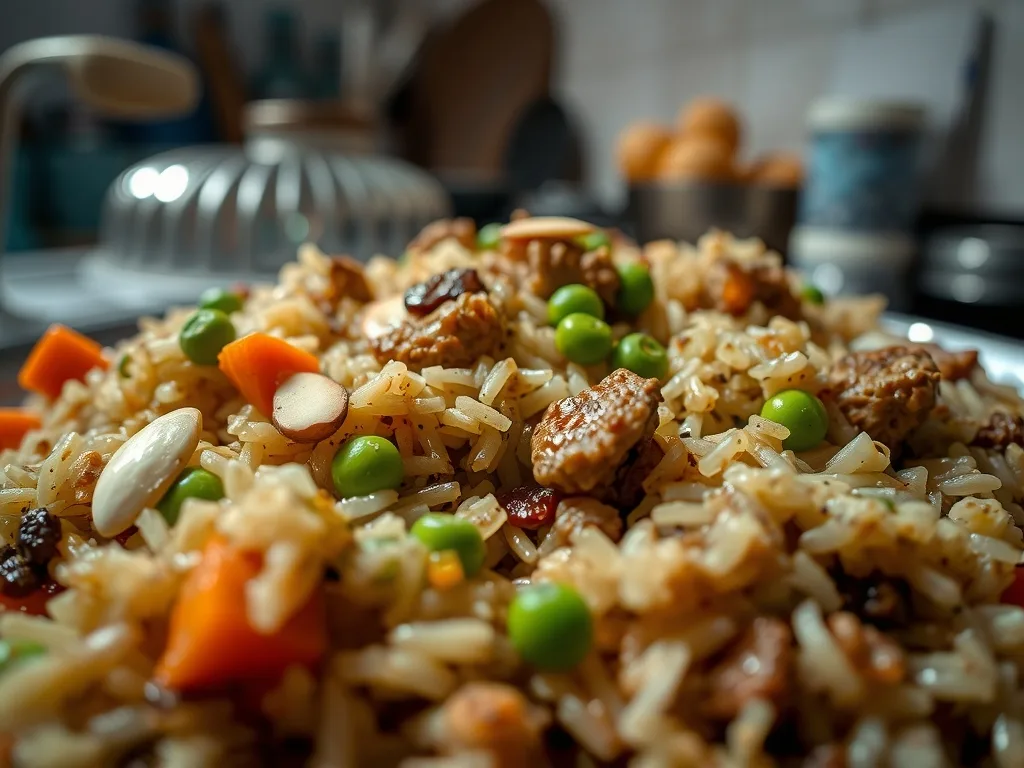
Hashweh Rice with Ground Beef
What is hashweh?
Hashweh, also spelled “ḥashwēḥ,” is a traditional Levantine comfort dish that combines seasoned ground meat — most often beef or lamb — with rice, peas, carrots, and a distinctive blend of warm spices such as allspice and cinnamon. The name derives from the Arabic word for “ground” or “minced,” reflecting the core ingredient of finely chopped or ground meat. This hearty one‑pot meals are staples in Lebanese, Syrian, and Palestinian households, often served during gatherings and celebrations.
The dish’s appeal lies in its aromatic profile, where sweet spices mingle with savory meat and tender vegetables, creating a balanced flavor that is both comforting and exotic. Home cooks frequently adapt the basic recipe with regional twists, adding ingredients like raisins, almonds, or yogurt to suit personal tastes. Understanding the essence of hashweh helps chefs appreciate why the spice blend and rice selection are critical to achieving the authentic texture and taste that define this beloved Middle Eastern classic.
What spices are in hashweh?
The signature spice mix for hashweh typically includes allspice, ground cinnamon, and sometimes a pinch of nutmeg, creating a warm, slightly sweet aromatic profile that distinguishes the dish from other rice pilafs. Allspice, with its subtle hints of clove, nutmeg, and cinnamon, provides depth, while cinnamon contributes a gentle sweetness that balances the savory beef. Some variations incorporate additional warm spices such as cardamom or a touch of paprika to add complexity and color.
The proportion of each spice is crucial: too much cinnamon can overwhelm the palate, whereas an excess of allspice may dominate the flavor. By carefully calibrating these seasonings and toasting them briefly before adding liquid, cooks ensure the spices release their essential oils, infusing the rice and meat with a fragrant, layered taste that is both inviting and authentically Middle Eastern.
What kind of rice is used for hashweh?
Traditional hashweh relies on long‑grain basmati rice because of its aromatic fragrance, slender shape, and ability to absorb liquids without becoming sticky. Basmati’s low amylopectin content keeps the grains separate, allowing each kernel to remain fluffy and distinct after cooking — a textural hallmark of a well‑executed pilaf. In some regional adaptations, chefs may substitute jasmine rice for a slightly more floral aroma, or use a short‑grain variety for a softer bite, but the classic preparation sticks with basmati to preserve the dish’s authentic character.
Before cooking, the rice is usually rinsed several times to remove excess surface starch, which helps prevent clumping and ensures the grains swell evenly when simmered in the seasoned broth. This meticulous approach to rice selection and preparation is a key factor in achieving the light, airy consistency that defines hashweh.
What do you serve with hashweh rice?
Hashweh rice is often accompanied by a variety of complementary sides that balance its rich, spiced profile. A common pairing is a dollop of plain or Greek yogurt, which adds a cool, creamy contrast that soothes the palate after each flavorful bite. Fresh salads, such as a crisp cucumber‑tomato mixture dressed with lemon and olive oil, provide bright acidity and crunch, cutting through the richness of the meat and spices. For those who enjoy a touch of sweetness, toasted almonds or raisins sprinkled on top add texture and a subtle fruit note.
Additionally, serving the dish alongside sautéed greens like spinach or Swiss chard can introduce a nutritious, earthy element that rounds out the meal. These accompaniments not only enhance flavor but also create a well‑rounded dining experience that showcases the versatility of hashweh as a centerpiece for family gatherings or festive occasions. ## Conclusion: Hashweh Rice with Ground Beef
We hope this deep‑dive into Hashweh Rice with Ground Beef inspires you to bring a taste of the Levant to your own kitchen. The combination of succulent beef, fluffy basmati, and warming spices makes it a perfect centerpiece for family meals, celebrations, or cozy weeknight dinners. Share your results, tag us on social media, and let the aromatic journey begin — because every pot of hashweh tells a story worth sharing.
You Might Also Like
- Amish Tomato Pie – The Best Comfort Dish to Try This Summer
- Smoked Meatloaf Recipe: Juicy & Flavorful
- Best Spicy Cajun Salmon Recipe – Quick & Flavorful Dinner Idea! 🐟🌶️✨
- Ultimate CrackerBarrel Meatloaf Recipe – Easy & Comforting Dish!
Find Us On Pinterest and Facebook.
Print
Hashweh Rice with Ground Beef
- Total Time: 45 minutes
- Yield: 4 servings 1x
- Diet: Gluten-Free
Description
A fragrant Middle Eastern rice dish featuring spiced ground beef and colorful vegetables, topped with toasted almonds and raisins.
Ingredients
- 650 g lean ground beef
- 2 small onions, finely diced
- 3 tbsp vegetable oil
- 3 cups frozen peas and carrots
- 3 tsp allspice
- 2 tsp ground cinnamon
- 3 1/2 tsp salt
- 3/4 tsp black pepper, plus more to taste
- 3 cups white basmati rice
- 4 1/2 cups water
- 1/2 cup slivered almonds, optional
- 1/4 cup raisins, optional
- 1/4 cup fresh parsley, chopped, optional
Instructions
- Heat the vegetable oil in a large pot over medium heat.
- Add the diced onions and sauté until softened and lightly golden, about 5 minutes.
- Stir in the ground beef, breaking it up with a spoon, and cook until browned, about 6 minutes.
- Mix in the allspice, cinnamon, salt, and black pepper, cooking for 1 minute to toast the spices.
- Add the frozen peas and carrots, stirring to combine and heat through.
- Rinse the basmati rice under cold water until water runs clear, then drain.
- Add the rinsed rice to the pot, stirring to coat the grains with the spice mixture.
- Pour in the water, bring to a boil, then reduce heat to low, cover, and simmer for 18-20 minutes, or until the rice is tender and water is absorbed.
- Remove from heat and let stand, covered, for 5 minutes.
- Fluff the rice with a fork and garnish with slivered almonds, raisins, and chopped parsley if desired.
Notes
For a richer flavor, you can add a pinch of nutmeg or a splash of lemon juice before serving. Adjust the amount of black pepper to your taste.
- Prep Time: 15 minutes
- Cook Time: 30 minutes
- Category: Main Course
- Method: Simmered
- Cuisine: Middle Eastern
Nutrition
- Serving Size: 1 cup
- Calories: 420 kcal
- Sugar: 5 g
- Sodium: 620 mg
- Fat: 18 g
- Saturated Fat: 5 g
- Unsaturated Fat: 10 g
- Trans Fat: 1 g
- Carbohydrates: 55 g
- Fiber: 7 g
- Protein: 20 g
- Cholesterol: 70 mg
Keywords: ground beef, rice, allspice, cinnamon, Middle Eastern, comfort food