

Lemon BlueberryBread: Moist, Glazed Loaf Perfect for Breakfast or Brunch
There’s something undeniably comforting about a slice of warm lemon blueberry bread fresh from the oven. The bright citrus notes dance with bursts of sweet, juicy blueberries, while a tender crumb holds everything together in a harmonious bite. Whether you’re serving it alongside a steaming mug of coffee on a lazy Sunday morning or presenting it as a thoughtful homemade gift, this loaf feels both familiar and special—like a hug in baked‑good form.
For home bakers who appreciate a reliable, crowd‑pleasing recipe, this lemon blueberry bread delivers consistent results without fuss. The combination of yogurt (or sour cream) and butter keeps the interior incredibly moist, while a light lemon glaze adds a glossy finish that elevates the humble loaf to bakery‑worthy status. Even if you’re new to quick breads, the straightforward method and helpful tips ensure you’ll achieve a golden‑topped loaf every time.
Beyond its delicious flavor, this recipe is wonderfully adaptable. Swap in frozen blueberries when fresh aren’t in season, add a handful of chopped nuts for texture, or experiment with a splash of almond extract for a subtle twist. No matter how you customize it, the core balance of lemon and berry remains the star, making this a go‑to recipe you’ll return to year after year.
Alternate Names & Variations
Lemon blueberry bread is often called a moist lemon blueberry loaf, especially when the crumb is exceptionally tender and the glaze is generous. Some bakers refer to it as a lemon blueberry bread with glaze to highlight the optional sweet citrus drizzle that adds shine and extra zing. If you’ve ever enjoyed the famous bakery treat from a well‑known coffee chain, you might be looking for a starbucks lemon blueberry bread copycat—this version captures that same buttery richness and vibrant fruit pockets.
Variations are plentiful. For a gluten‑free take, substitute the all‑purpose flour with a 1‑to‑1 gluten‑free blend and add a teaspoon of xanthan gum if your mix doesn’t already include it. To make the loaf dairy‑free, use plant‑based butter and coconut‑milk yogurt, keeping the same quantities. A pop of lavender or a pinch of cardamom can introduce an aromatic note that pairs beautifully with lemon, while a streusel topping of brown sugar, flour, and melted butter adds a delightful crunch. Feel free to fold in white chocolate chips or dried cranberries for a festive holiday twist—each tweak keeps the recipe fresh while honoring its classic citrus‑berry foundation.
Ingredients
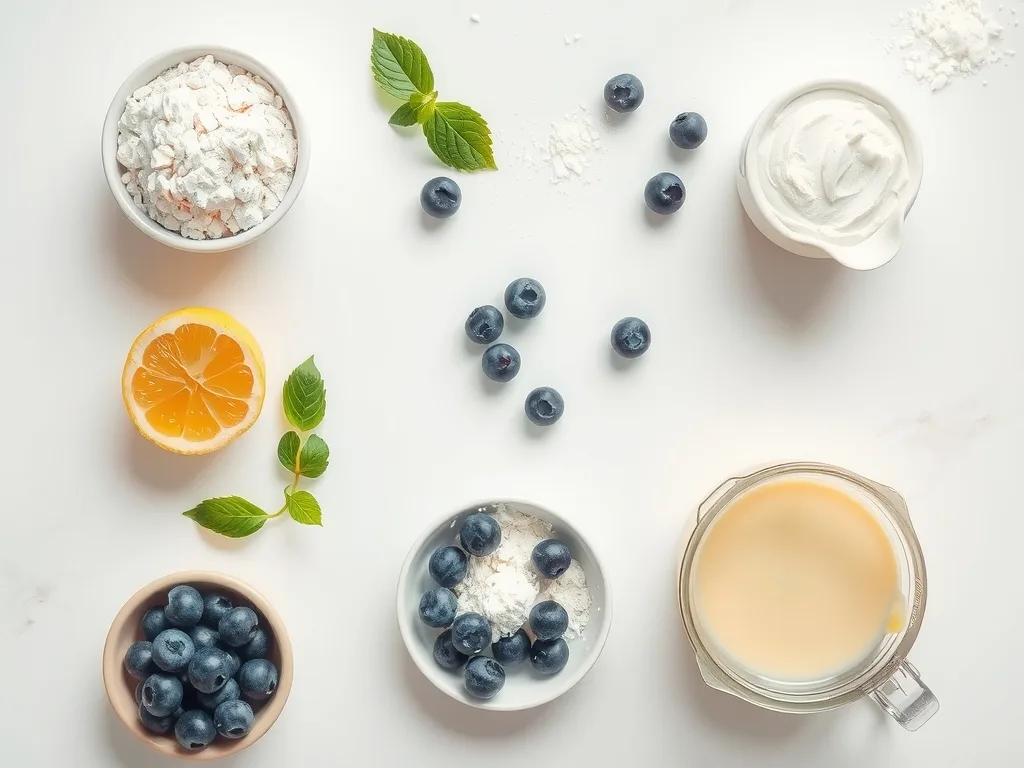
*Note: The script will automatically place an image immediately after this header.* – 1 ½ cups all-purpose flour – 1 teaspoon baking powder
– ¼ teaspoon baking soda
– ¼ teaspoon salt
– ½ cup unsalted butter, softened
– ¾ cup granulated sugar
– 2 large eggs
– 1 tablespoon lemon zest (about 1 lemon) – 2 tablespoons fresh lemon juice – ½ cup plain yogurt or sour cream
– 1 teaspoon pure vanilla extract
– 1 cup fresh or frozen blueberries (if frozen, do not thaw)
– 1 tablespoon flour (to coat the blueberries)
*For the Lemon Glaze (optional):*
– ½ cup powdered sugar
– 1–2 tablespoons fresh lemon juice
Step-by-Step Instructions
1. Preheat and prepare – Set your oven to 350°F (175°C). Grease a 9×5‑inch loaf pan with butter or nonstick spray, then line the bottom with parchment paper for easy removal. This prevents sticking and gives clean slices.
2. Mix dry ingredients – In a medium bowl whisk together the flour, baking powder, baking soda, and salt. Chef tip: Whisking aerates the flour, contributing to a lighter crumb.
3. Cream butter and sugar – Using a handheld mixer or stand mixer, beat the softened butter and granulated sugar on medium speed until pale and fluffy, about 3‑4 minutes. This step incorporates air, which helps the bread rise.
4. Add eggs and flavorings – Add the eggs one at a time, beating well after each addition. Then mix in the lemon zest, lemon juice, vanilla extract, and yogurt (or sour cream) until just combined. Overmixing at this stage can develop gluten, leading to a tougher texture.
5. Incorporate dry mixture – Gradually add the dry ingredients to the wet mixture, stirring on low speed or with a spatula until no streaks of flour remain. The batter should be thick but spoonable.
6. Coat and fold in blueberries – Toss the blueberries with the tablespoon of flour; this coating helps prevent them from sinking to the bottom during baking. Gently fold the berries into the batter with a few swift motions—just enough to distribute evenly without crushing them.
7. Transfer to pan – Spoon the batter into the prepared loaf pan, smoothing the top with a spatula. Tap the pan lightly on the counter to release any large air bubbles.
8. Bake – Place the loaf in the center of the oven and bake for 55‑65 minutes, or until a toothpick inserted into the center comes out clean or with a few moist crumbs (no wet batter). Chef tip: If the top browns too quickly, loosely cover it with foil after the first 35 minutes.
9. Cool slightly – Remove the bread from the oven and let it cool in the pan for 10 minutes. This rest allows the structure to set, making it easier to release.
10. Glaze (optional) – While the bread is still warm, whisk together powdered sugar and enough lemon juice to achieve a drizzling consistency. Drizzle the glaze over the loaf, letting it seep into the cracks for maximum flavor.
11. Serve – Allow the bread to cool completely on a wire rack before slicing, or serve warm slices with a pat of butter. Enjoy!
Recipe Card Reference
Prep Time: 15 minutes
Cook Time: 60 minutes
Total Time: 1 hour 15 minutes
Servings: 10 slices (1‑inch thick) Calories per slice: Approximately 210 kcal (without glaze); about 260 kcal with glaze
Why This Recipe Works & Expert Tips
The success of this lemon blueberry bread hinges on moisture retention and even fruit distribution. Yogurt (or sour cream) introduces acidity and fat, which tenderizes gluten and keeps the crumb supple long after baking. The butter, creamed with sugar, creates a fine network of air pockets that expand during baking, giving the loaf its characteristic rise and soft texture.
Adding a tablespoon of flour to the blueberries is a simple yet effective trick to counteract their tendency to sink. The coating absorbs excess juice released during baking, preventing the berries from weighing down the batter and ensuring they stay suspended throughout the loaf.
For those seeking a starbucks lemon blueberry bread copycat, the glaze is the finishing touch that mimics the bakery’s shiny top. Adjust the glaze thickness by varying the lemon juice—more juice yields a thinner, more translucent coating, while less juice creates a thicker, sweet‑tart layer.
If you prefer a healthier version, substitute half of the all‑purpose flour with whole‑wheat pastry flour and reduce the sugar to ½ cup; the yogurt will still keep the loaf moist, and the flavor remains bright. For a nutty crunch, fold in ¼ cup toasted almonds or pecans alongside the blueberries.
Remember not to overmix after adding the flour; a few streaks are fine. Overworking the batter develops gluten, which can make the bread dense rather than tender. Finally, always check for doneness with a toothpick—since oven temperatures vary, visual cues alone can be misleading.
Storage, Freezing, and Reheating
Store the cooled loaf in an airtight container at room temperature for up to three days. If you live in a humid climate, place a slice of bread inside the container to absorb excess moisture and keep the crumb from becoming soggy.
For longer preservation, wrap the loaf tightly in plastic wrap, then in a layer of aluminum foil, and freeze for up to three months. When ready to enjoy, thaw the bread overnight in the refrigerator, then warm slices in a 300°F oven for 8‑10 minutes or microwave individual pieces for 20‑30 seconds. The glaze may soften upon freezing; simply drizzle a fresh glaze after reheating if desired.
If you prefer to freeze individual slices, wrap each slice separately in parchment paper before placing them in a freezer‑safe bag. This method lets you grab a single serving without thawing the whole loaf.
People Also Ask

*Note: The script will automatically place an image immediately after this header.*
How do you keep blueberries from sinking in bread?
Tossing the blueberries in a tablespoon of flour before folding them into the batter creates a light coating that absorbs excess juice and adds a bit of grip to the batter. This simple step prevents the berries from settling at the bottom during baking, ensuring an even distribution of fruit throughout each slice. For extra insurance, you can also reserve a quarter of the berries and gently press them into the top of the batter just before baking.
Should you use fresh or frozen blueberries for bread?
Both fresh and frozen blueberries work well, but each has nuances. Fresh berries offer a brighter burst of flavor and a firmer texture, ideal when they’re in season. Frozen berries are convenient year‑round and often more affordable; however, they release more liquid as they thaw, which can make the batter slightly wetter. To counteract this, do not thaw frozen berries before use and toss them with flour as directed. If you notice the batter looking overly wet after adding frozen berries, add a tablespoon of extra flour to balance the moisture.
What makes a quick bread moist?
Moisture in quick breads comes from a combination of fat, dairy, and proper mixing technique. In this recipe, butter provides richness and tenderness, while yogurt (or sour cream) adds acidity and water‑binding proteins that keep the crumb soft. The sugar also attracts and retains water during baking. Avoiding overmixing is crucial—excessive stirring develops gluten, which can lead to a dry, tough texture. Finally, baking at the correct temperature and not overbaking preserves the interior moisture. ### How do you know when lemon blueberry bread is done?
The most reliable method is the toothpick test: insert a wooden toothpick or cake tester into the center of the loaf; it should come out clean or with just a few moist crumbs attached. If wet batter clings to the pick, continue baking in 5‑minute increments, checking each time. Visual cues include a golden‑brown top and the edges pulling away slightly from the pan. If the top browns too quickly, tent the loaf with foil to prevent over‑coloring while the interior finishes cooking.
Conclusion
There’s nothing quite like the aroma of lemon and blueberry filling your kitchen as this loaf bakes to golden perfection. Whether you’re enjoying a slice with your morning coffee, packing it for a picnic, or sharing it with friends and family, this lemon blueberry bread delivers bright flavor, tender crumb, and a touch of elegance in every bite. Feel free to experiment with the variations we’ve shared, and don’t forget to drizzle that optional lemon glaze for an extra sparkle. If you loved this recipe, please snap a photo, tag us on social media, and let others discover the joy of homemade quick breads. Happy baking!
You Might Also Like:
– Best Lemon Blueberry Muffins – A portable twist on the classic flavors
– How to Make a Perfect Lemon Glaze for Cakes and Breads
– Easy Blueberry Coffee Cake Recipe – Ideal for brunch gatherings
– Gluten-Free Lemon Blueberry Bread – A suitable option for dietary needs
– Copycat Starbucks Lemon Poppyseed Muffins – Another beloved bakery favorite
– Seasonal Fruit Quick Breads: Apple Cinnamon, Pumpkin Spice, and More