
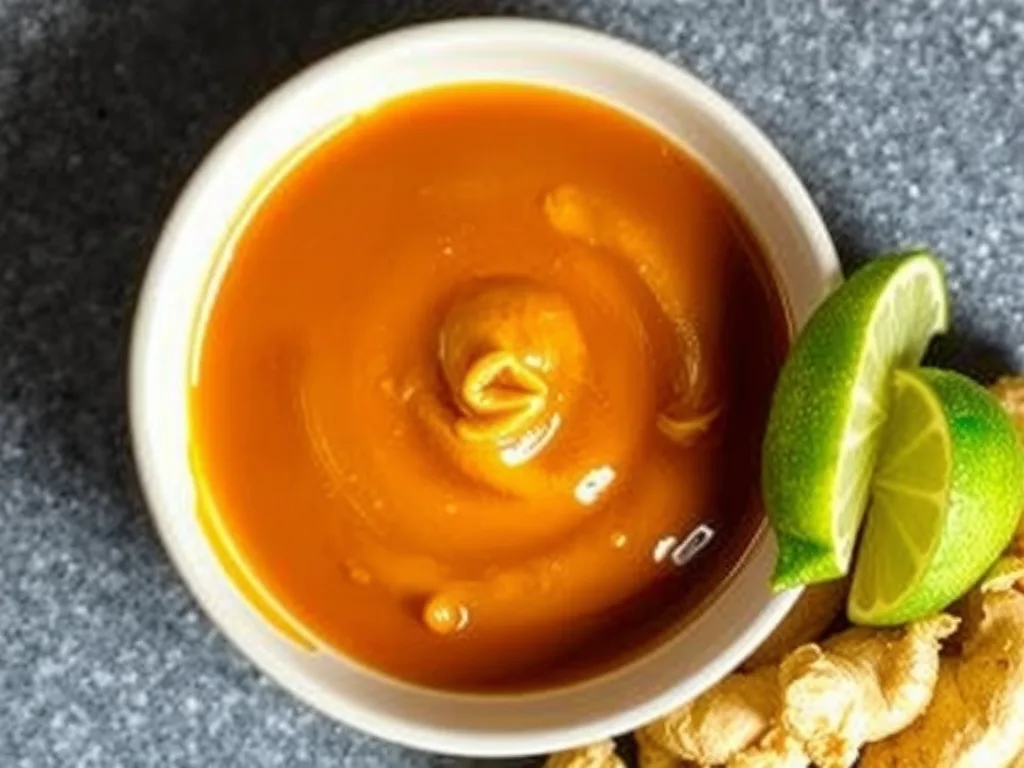
Peanut Dipping Sauce: Creamy, Savory, and Perfect for Every Dip
Introduction: Peanut Dipping Sauce
There’s something undeniably comforting about a bowl of silky peanut dipping sauce sitting beside a platter of fresh spring rolls, crisp vegetable sticks, or warm grilled skewers. The nutty richness of peanut butter melds beautifully with the bright tang of lime, the gentle heat of garlic and ginger, and a whisper of sweetness from honey, creating a flavor profile that feels both exotic and familiar. For home cooks who have spent decades perfecting family meals, this sauce offers a quick way to elevate everyday snacks into something that feels restaurant‑worthy without demanding hours in the kitchen.
What makes this peanut dipping sauce truly special is its versatility. Whether you’re preparing a light lunch for yourself, hosting a casual gathering with friends, or looking for a kid‑friendly dip that encourages veggie consumption, the recipe adapts effortlessly. You can keep it mild and creamy for those who prefer subtle flavors, or amp up the spice with a dash of sriracha or chili oil for a bold kick. The balance of salty, sweet, sour, and umami ensures that each bite is satisfying, while the smooth texture clings perfectly to whatever you choose to dip. In the following sections, you’ll discover how to make this sauce from scratch, learn about its many names and variations, and get expert tips for storage and serving—so you can enjoy it whenever the craving strikes.
Alternate Names & Variations
Across Asian cuisines, peanut-based sauces go by many names, each reflecting regional twists and ingredient availability. In Thailand, you’ll often hear it called “Thai peanut sauce” or “nam prik pao,” especially when it incorporates roasted chili paste for deeper smokiness. Vietnamese cooks may refer to a similar condiment as “tương đậu phộng,” which sometimes includes hoisin sauce for added richness and a touch of fermented soybean flavor. In Indonesian cuisine, the sauce is known as “saus kacang” and frequently accompanies satay, featuring a hint of kecap manis (sweet soy sauce) and sometimes a splash of coconut milk for silkiness.
Beyond geography, home cooks love to personalize the base recipe. Adding a tablespoon of creamy coconut milk yields a luxurious, velvety texture perfect for drizzling over noodle bowls. A teaspoon of miso paste introduces an umami depth that pairs beautifully with grilled tofu or tempeh. For those avoiding soy, tamari or coconut aminos can replace soy sauce without sacrificing saltiness. If you prefer a sweeter profile, increase the honey or substitute maple syrup, while a pinch of smoked paprika adds a subtle backyard‑barbecue note. These variations allow you to tailor the sauce to any dish, making it a staple condiment worth mastering.
Ingredients: Peanut Dipping Sauce
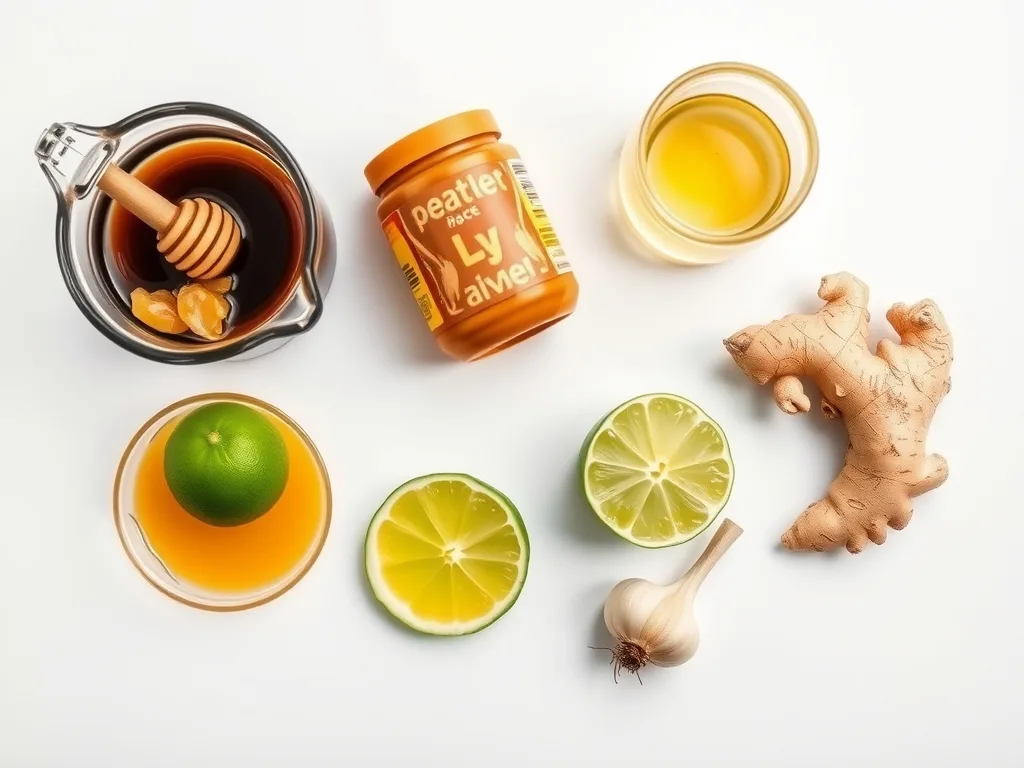
– 1/3 cup creamy peanut butter – choose a no‑stir, low‑salt variety for smooth consistency
– 2 tablespoons low sodium soy sauce – provides salty umami; substitute tamari or coconut aminos for gluten‑free
– 1 tablespoon rice vinegar – adds gentle acidity; can swap with apple cider vinegar in a pinch
– 2 tablespoons honey – contributes natural sweetness; maple syrup or agave work as vegan alternatives
– 1 tablespoon lime juice (about ½ a lime) – bright citrus note; lemon juice works if lime unavailable
– 2 cloves garlic, minced – fresh garlic delivers aromatic punch; garlic powder (¼ tsp) can be used in a hurry
– 2 teaspoons fresh grated ginger – adds warmth and zest; ground ginger (½ tsp) is a backup option
– 4 to 6 tablespoons water – adjust for desired thickness; start with 4 tbsp and add more for a thinner dip
*Chef’s Note:* For an extra layer of flavor, toast the peanut butter lightly in a dry pan for 1‑2 minutes before mixing; this deepens the nuttiness without altering the texture.
Step-by-Step Instructions: Peanut Dipping Sauce
1. Gather and prep – Measure all ingredients into small bowls; mince the garlic and grate the ginger to ensure even distribution.
2. Combine the base – In a medium whisking bowl, add the peanut butter, soy sauce, rice vinegar, honey, and lime juice. Whisk vigorously for 20‑30 seconds until the mixture looks uniform and slightly glossy.
3. Incorporate aromatics – Stir in the minced garlic and grated ginger. Continue whisking until no streaks remain; the sauce may appear thick at this stage.
4. Adjust consistency – Slowly drizzle in water, one tablespoon at a time, whisking after each addition. Stop when the sauce reaches a pourable yet coating consistency—about the thickness of heavy cream.
5. Taste and balance – Sample the sauce; if you desire more tang, add an extra half‑teaspoon of lime juice. For additional sweetness, drizzle in a bit more honey. If the sauce feels too salty, a splash of water or a pinch of sugar can mellow it.
6. Optional heat boost – For a spicy version, whisk in ¼‑½ teaspoon of sriracha, chili garlic sauce, or a few drops of sesame oil infused with chili.
7. Final whisk – Give the sauce one last quick whisk to ensure any added ingredients are fully integrated.
8. Serve immediately – Transfer to a dipping bowl and accompany with spring rolls, sliced cucumbers, bell pepper strips, or grilled chicken skewers.
*Chef Tips:*
– Make ahead: The sauce can be prepared up to 2 days in advance; store in an airtight container in the refrigerator and give it a good stir before serving, as it may thicken slightly.
– Thickening fix: If the sauce becomes too thick after chilling, whisk in warm water a teaspoon at a time until desired texture returns.
– Flavor boost: A toasted sesame seed garnish or a drizzle of toasted sesame oil just before serving adds a pleasant nutty aroma and visual appeal.
Recipe Card Reference: Peanut Dipping Sauce
This recipe yields approximately ½ cup of peanut dipping sauce, enough for 4‑6 servings as a condiment. Preparation time is about 5 minutes, with no cooking required, so the total time remains under 10 minutes. Each serving (roughly 2 tablespoons) contains approximately 70‑80 calories, depending on the exact brands of peanut butter and sweetener used. The sauce provides a modest amount of protein from the peanut butter, healthy monounsaturated fats, and a touch of natural sugars from honey, making it a satisfying yet light addition to snacks or appetizers.
Why This Recipe Works & Expert Tips: Peanut Dipping Sauce
The success of this peanut dipping sauce hinges on the harmony of four core flavor pillars: salty, sweet, sour, and umami. Peanut butter supplies a rich, fatty base that carries flavor and gives the sauce its luxurious mouthfeel. Low sodium soy sauce introduces savory depth without overwhelming saltiness, allowing the other ingredients to shine. Rice vinegar and lime juice deliver a bright acidity that cuts through the fat, preventing the sauce from feeling heavy or cloying. Honey balances the acidity with a gentle sweetness that rounds out the palate, while fresh garlic and ginger contribute aromatic complexity that elevates the sauce from simple to sophisticated.
By whisking the liquid components into the peanut butter first, you create an emulsion that stabilizes the sauce, reducing the likelihood of separation. Adding water gradually lets you control the final viscosity, ensuring the sauce clings to food without dripping off. The optional heat elements—sriracha or chili oil—are incorporated at the end so you can tailor the spiciness to personal taste without affecting the base emulsion.
Expert cooks often recommend toasting the peanut butter lightly before mixing; this step deepens the nutty notes through Maillard reactions, adding a subtle roasted flavor that complements grilled meats and roasted vegetables. For those seeking a vegan version, swapping honey for maple syrup and using tamari keeps the flavor profile intact while adhering to plant‑based diets. Finally, storing the sauce in a glass jar with a tight‑sealing lid preserves freshness and prevents absorption of refrigerator odors, ensuring that each batch tastes as vibrant as the first.
Storage, Freezing, and Reheating:
Keep the peanut dipping sauce in a clean, airtight container—preferably a small glass jar—in the refrigerator. It will stay fresh for up to one week; give it a good stir before each use, as natural oils may settle at the bottom. If you notice any off‑smell, discoloration, or mold, discard the sauce immediately.
For longer storage, the sauce freezes well. Portion it into ice‑cube trays or small freezer‑safe bags, leaving a little headspace for expansion. Frozen cubes retain quality for up to three months. To thaw, transfer the desired number of cubes to a bowl and let them sit in the refrigerator overnight, or use the defrost setting on your microwave in short bursts, stirring between intervals to restore a smooth texture.
Reheating is rarely necessary, as the sauce is intended to be served at room temperature or slightly chilled. However, if you prefer it warm—perhaps for drizzling over hot noodles—place the thawed sauce in a microwave‑safe dish and heat on low power in 10‑second increments, stirring after each burst until it reaches the desired warmth. Avoid high heat, which can cause the peanut butter to separate and become grainy.
People Also Ask: Peanut Dipping Sauce
What is Thai peanut sauce made of?
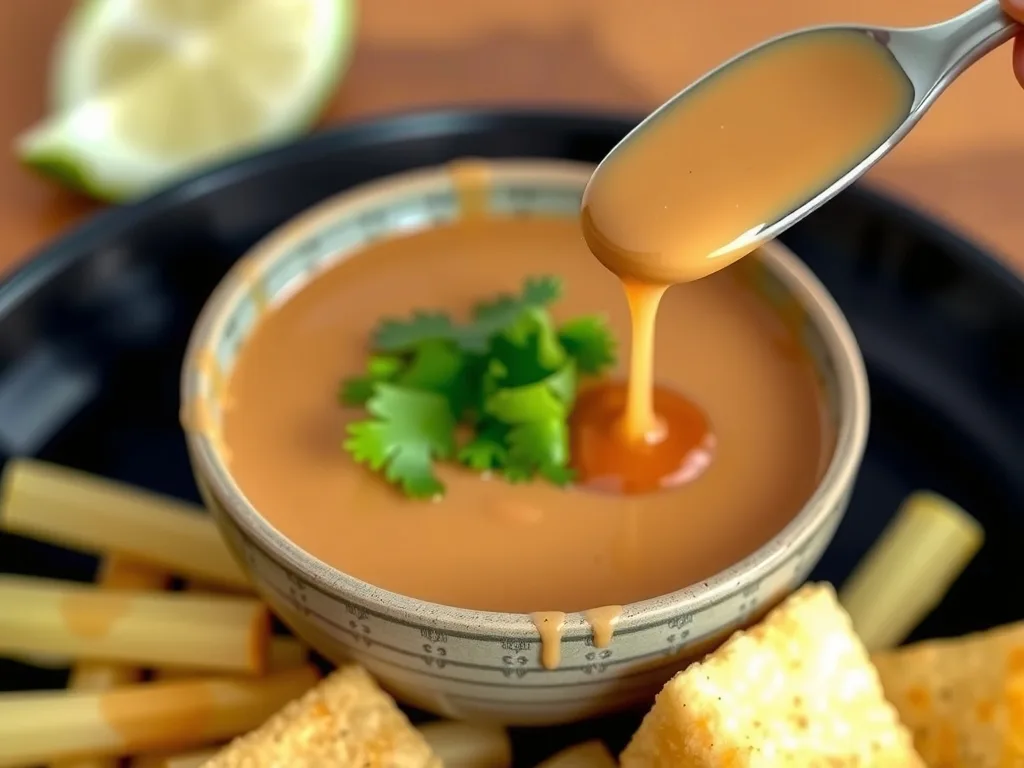
Thai peanut sauce typically combines creamy peanut butter with ingredients like soy sauce or fish sauce, lime juice, brown sugar or palm sugar, garlic, ginger, and sometimes a touch of coconut milk or chili paste for heat. The balance of salty, sweet, sour, and spicy creates a versatile condiment that pairs perfectly with satay, fresh spring rolls, or grilled vegetables. Some versions also incorporate tamarind concentrate for a deeper tang, while others add a sprinkle of crushed peanuts for texture. The key to an authentic Thai peanut sauce lies in adjusting the ratios to taste—starting with equal parts peanut butter and liquid, then adding acidity and sweetness gradually until the sauce coats the back of a spoon without being too thick or too runny.
How do you thicken peanut dipping sauce?
If your peanut dipping sauce turns out too thin, you can thicken it without compromising flavor by incorporating more peanut butter, a teaspoon at a time, whisking thoroughly after each addition until the desired consistency emerges. Alternatively, a small amount of finely ground peanuts or peanut flour works well, absorbing excess liquid while boosting nutty flavor. For a quick fix, whisk in a half‑teaspoon of cornstarch slurry (cornstarch mixed with an equal part of cold water) and let the sauce sit for a minute; the heat from any warm ingredients will activate the starch, giving the sauce a silkier body. Remember that chilling the sauce will naturally thicken it, so adjust consistency before refrigerating if you plan to serve it cold.
What do you eat with peanut dipping sauce?
This sauce shines as a dip for fresh spring rolls, rice paper wraps, and vegetable crudités such as carrot sticks, cucumber ribbons, bell pepper strips, and snap peas. It also complements protein‑rich options like grilled chicken skewers, beef satay, tofu kebabs, or shrimp tempura. Beyond dipping, you can drizzle it over cold noodle salads, grain bowls, or stir‑fried vegetables for an instant flavor boost. Some cooks use it as a sandwich spread for wraps or tacos, adding a creamy, nutty layer that balances spicy fillings. For a fun twist, try swirling a spoonful into hot soup—such as a carrot‑ginger bisque—for a luxurious, peanut‑infused finish.
How long does homemade peanut sauce last?
When stored properly in an airtight container in the refrigerator, homemade peanut sauce maintains peak quality for about five to seven days. The natural oils in peanut butter can oxidize over time, so it’s wise to give the sauce a sniff and a quick visual check before each use; any sour odor, off‑color, or signs of mold mean it’s time to discard it. If you’ve made a large batch, freezing portions in ice‑cube trays extends shelf life to up to three months. Thaw frozen cubes in the refrigerator overnight, then stir well before serving; the texture should return to smooth and creamy, ready to elevate your next snack or meal.
Conclusion: Peanut Dipping Sauce
Making your own peanut dipping sauce at home is a simple yet rewarding way to bring restaurant‑style flavor to everyday meals. With just a handful of pantry staples and a few minutes of whisking, you create a versatile condiment that adapts to snacks, appetizers, main courses, and even salads. Feel free to experiment with the heat level, sweetness, or acidity to match your personal taste or the dish you’re serving. Once you’ve tried this creamy, tangy, slightly sweet sauce, you’ll find yourself reaching for it again and again—whether you’re hosting a casual gathering, preparing a quick lunch for yourself, or looking for a kid‑friendly way to encourage vegetable enjoyment.
If you loved this recipe, please share it on your favorite social platforms and tag us so we can see your delicious creations. Your feedback helps us continue to bring you trusted, tasty recipes that make home cooking a joy.
You Might Also Like:
- Amish Tomato Pie – The Best Comfort Dish to Try This Summer
- Smoked Meatloaf Recipe: Juicy & Flavorful
- Best Spicy Cajun Salmon Recipe – Quick & Flavorful Dinner Idea! 🐟🌶️✨
- Ultimate CrackerBarrel Meatloaf Recipe – Easy & Comforting Dish!
Social Footer: