
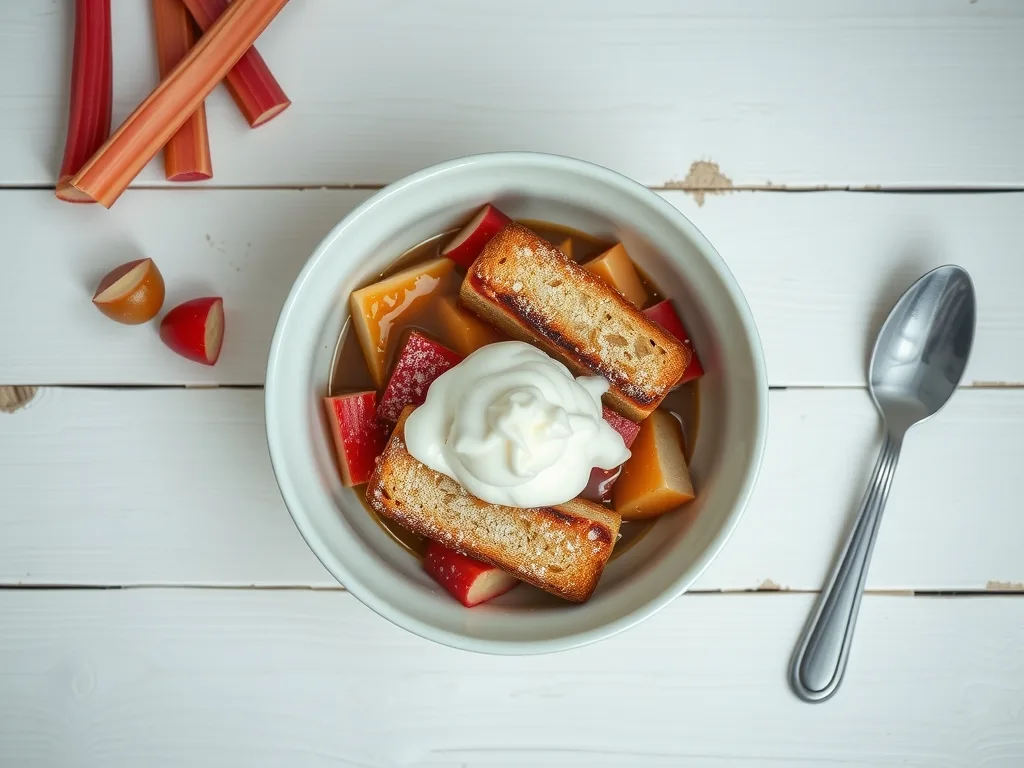
Rhubarb Bread andButter Pudding: A Comforting Twist on a Classic Dessert
There’s something magical about the way tart rhubarb meets the buttery, custard‑soaked richness of bread and butter pudding. This humble dessert transforms a simple pantry staple into a show‑stopping treat that feels both nostalgic and refreshingly new. If you’ve ever loved a warm slice of traditional bread pudding on a chilly evening, you’ll adore how the bright pink stalks of rhubarb cut through the sweetness, adding a lively zing that balances every bite. Perfect for family gatherings, Sunday brunches, or a quiet afternoon with a cup of tea, this recipe invites you to savor the best of spring’s harvest while honoring a timeless comfort food.
What sets this version apart is the thoughtful balance of texture and flavor. The bread, lightly buttered and layered with sugared rhubarb, soaks up a velvety mixture of eggs, milk, cream, and vanilla, creating a custard that’s silky without being heavy. A dusting of icing sugar just before serving adds a whisper of sweetness and a lovely finish that makes the dish look as good as it tastes. Whether you’re an experienced home baker or someone looking to try something a little different, the steps are straightforward, the ingredients are easy to find, and the result is a dessert that feels both indulgent and wholesome.
Beyond its delightful taste, rhubarb bread and butter pudding offers a wonderful opportunity to make use of slightly stale bread—turning what might otherwise be waste into a decadent treat. The recipe is flexible enough to accommodate dietary tweaks, ingredient swaps, and personal preferences, ensuring that everyone at the table can enjoy a slice. As you read on, you’ll discover not only how to assemble this delightful pudding but also the why behind each technique, tips for storage and reheating, and answers to common questions that will help you achieve pudding perfection every time.
Alternate Names & Variations
Rhubarb bread and butter pudding goes by several affectionate names, depending on region and family tradition. You might hear it called rhubarb bread pudding, old‑fashioned rhubarb pudding, or simply rhubarb custard bake. In some households, the dish is referred to as a rhubarb strudel when the bread is rolled or layered like a pastry, while others label it a rhubarb bread bake to emphasize its casserole‑style presentation.
Variations abound, allowing you to tailor the pudding to seasonal produce or personal taste. Swapping white bread for brioche, challah, or even croissants adds extra richness and a tender crumb. For a deeper flavor profile, try incorporating a splash of orange zest or a pinch of ground ginger into the custard mixture. Some cooks like to fold in a handful of toasted almonds or chopped pistachios for crunch, while others drizzle a little caramel sauce over the top just before serving. If you prefer a lighter version, substitute half of the cream with low‑fat milk or use a plant‑based alternative such as oat milk; the pudding will still set beautifully, though the flavor will be slightly less decadent.
Ingredients – 1 bunch rhubarb (about 400 g), trimmed and cut into 1‑cm pieces
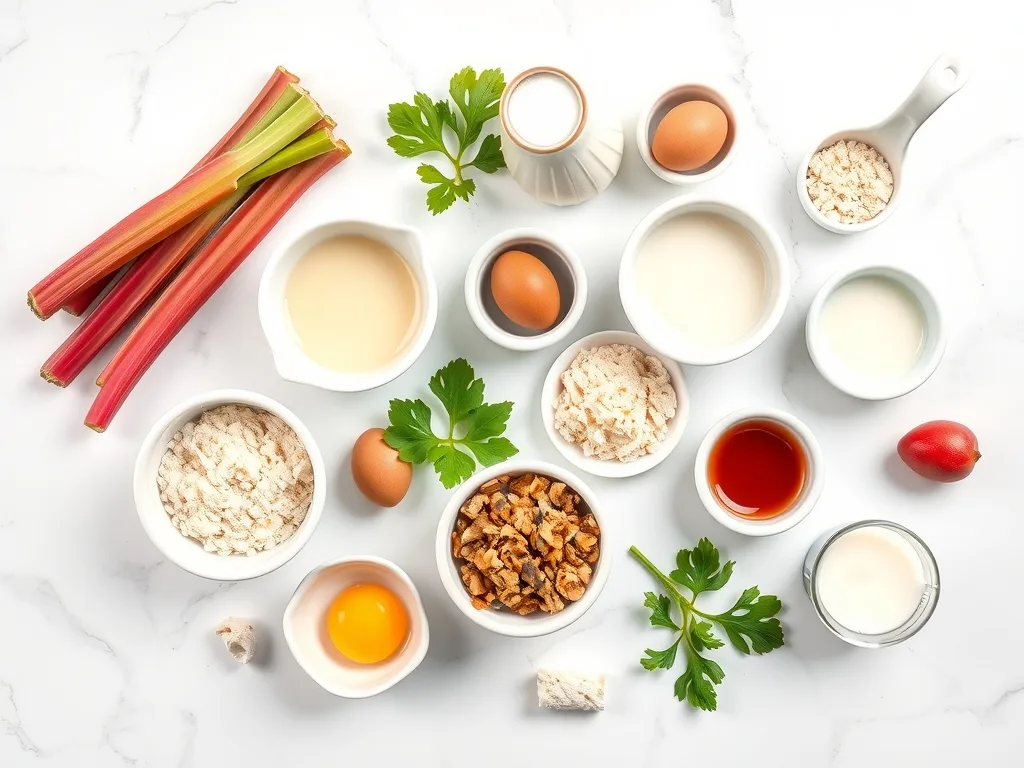
– ½ cup (110 g) brown sugar, plus extra for tossing the rhubarb
– 10 slices white bread, crusts removed, each slice lightly buttered
– 3 large eggs
– ½ cup (110 g) caster sugar
– 1 cup (250 ml) whole milk
– 1 cup (250 ml) heavy cream
– 1 teaspoon pure vanilla extract – Icing sugar, for dusting before serving
*Note: The script will place an image immediately after this section.*
Step-by‑Step Instructions
1. Prep the rhubarb – Place the chopped rhubarb in a bowl, sprinkle with 2 tablespoons of the brown sugar, and toss to coat. Let it sit for 10 minutes; this draws out excess juice and prevents the pudding from becoming watery.
2. Prepare the bread – Lay the buttered bread slices on a clean surface, butter side up. If you prefer a softer interior, you can lightly toast the slices in a low oven (150 °C / 300 °F) for 5 minutes; this helps them hold up to the custard without disintegrating.
3. Make the custard – In a medium bowl, whisk together the eggs, caster sugar, vanilla extract, milk, and cream until smooth. The mixture should be pale and slightly frothy.
4. Layer the pudding – Grease a 20 × 20 cm (8‑inch) square baking dish. Arrange a single layer of bread slices, overlapping slightly. Scatter half of the sugared rhubarb over the bread, then pour a third of the custard evenly. Repeat with another bread layer, the remaining rhubarb, and another third of the custard. Finish with a final bread layer and pour the remaining custard over the top, ensuring the bread is fully submerged.
5. Let it soak – Cover the dish with foil and let it rest for 20 minutes at room temperature. This step allows the bread to absorb the custard, which is key to avoiding a soggy bottom.
6. Bake – Preheat the oven to 180 °C (350 °F). Remove the foil and bake the pudding for 35‑40 minutes, or until the top is golden‑brown and a knife inserted into the centre comes out clean. The edges should be slightly puffed, and the custard should be set but still have a slight wobble.
7. Cool and serve – Let the pudding stand for 10 minutes before dusting generously with icing sugar. Cut into squares and serve warm, optionally accompanied by a dollop of whipped cream or a scoop of vanilla ice cream.
*Chef’s tip:* If you notice any liquid pooling on the surface after baking, simply blot it gently with a paper towel before dusting with sugar. This ensures a neat presentation and prevents the icing sugar from melting.
Recipe Card Reference
Prep Time: 20 minutes (including rhubarb maceration)
Cook Time: 40 minutes
Total Time: 1 hour
Servings: 8 generous squares
Calories: Approximately 320 kcal per serving (based on the ingredient list; values vary with substitutions).
Why This Recipe Works & Expert Tips
The success of rhubarb bread and butter pudding hinges on three core principles: moisture management, flavor balance, and texture contrast. First, tossing the rhubarb with a modest amount of brown sugar and letting it rest draws out excess water, which could otherwise turn the custard soupy. By removing this liquid before assembly, you preserve the pudding’s silky consistency. Second, the custard ratio—equal parts milk and cream—provides enough fat to carry the vanilla and egg richness while keeping the final set tender rather than rubbery. The addition of caster sugar, as opposed to granulated, dissolves more readily, preventing grainy spots in the finished dish.
Third, layering buttered bread creates a barrier that slows the migration of moisture from the rhubarb into the custard, giving each bite a pleasant contrast between the crisp, buttery exterior and the soft, custard‑soaked interior. The butter also promotes a golden, caramelized crust that adds visual appeal and a subtle nutty note.
For optimal results, use day‑old bread; its slightly dried structure absorbs custard without falling apart. If you only have fresh bread, lightly toasting it achieves a similar effect. When scaling the recipe up or down, maintain the 1:1:0.5 ratio of bread (by weight) to liquid (milk + cream) to eggs to ensure proper setting.
A final pro tip: bake the pudding on the middle rack of the oven. Too close to the top and the bread may over‑brown before the centre sets; too low and the bottom may stay soggy. Monitoring the color and using the knife test guarantees a perfectly cooked pudding every time.
Storage, Freezing, and Reheating
Storage: Allow any leftovers to cool to room temperature, then cover the dish tightly with plastic wrap or transfer slices to an airtight container. Refrigerate for up to 3 days. The custard will continue to firm slightly, making the pudding even easier to slice. Freezing: For longer storage, wrap individual portions tightly in cling film, then place them in a freezer‑safe bag or container. Label with the date and freeze for up to 2 months. To prevent freezer burn, squeeze out as much air as possible before sealing. Reheating: When ready to enjoy, thaw frozen slices overnight in the refrigerator. Reheat in a pre‑heated oven at 160 °C (320 °F) for 12‑15 minutes, or until warmed through. If you prefer a quicker method, microwave a single slice on medium power for 45‑60 seconds, checking every 15 seconds to avoid overheating, which can make the custard rubbery. For an extra‑crisp top, pop the reheated slice under the broiler for 1‑2 minutes, watching closely to prevent burning.
People Also Ask
How do you make bread and butter pudding not soggy?
To keep bread and butter pudding from turning soggy, start with slightly stale or lightly toasted bread, which absorbs custard without disintegrating. Toss the rhubarb (or any wet fruit) with a little sugar and let it sit for 10 minutes, then drain excess liquid before layering. Ensure the bread is fully submerged in custard but not swimming; a 20‑minute soak before baking allows even absorption. Finally, bake uncovered so the top can dry and form a protective crust, locking in moisture inside.
What can I use instead of stale bread for bread pudding?
If you don’t have stale bread, fresh slices work fine when you give them a quick toast in a low oven (150 °C / 300 °F) for 5‑7 minutes, which removes surface moisture and creates a firmer texture. Alternatives include brioche, challah, croissants, or even panettone for a richer flavor. Gluten‑free bread or thick‑cut slices of sourdough also perform well, provided they’re toasted first to avoid sogginess.
Do you eat bread and butter pudding hot or cold?
Bread and butter pudding is traditionally served warm, straight from the oven, when the custard is silky and the buttery crust is crisp. However, it’s equally delicious at room temperature or chilled, especially when topped with whipped cream or ice cream. Some people prefer it cold the next day, as the flavors meld and the texture becomes denser, resembling a rich bread‑based cake.
How do you know when bread and butter pudding is cooked?
The pudding is done when the top is golden‑brown and slightly puffed, and a thin knife or skewer inserted into the centre comes out clean or with just a few moist crumbs. The edges should be set, while the centre may still have a gentle wobble—this indicates a creamy custard rather than an over‑cooked, rubbery texture. If you’re unsure, bake for an additional 5 minutes and test again; residual heat will continue to set the pudding as it rests.
Conclusion
Rhubarb bread and butter pudding brings together the bright tang of spring’s harvest with the comforting embrace of a classic custard bake. It’s a dessert that feels both familiar and exciting, perfect for sharing with loved ones or treating yourself to a moment of indulgence. We hope this guide has given you the confidence to try the recipe, adapt it to your taste, and enjoy every buttery, fruity bite. If you loved this post, please pin it, share it on Facebook, and let us know how your pudding turned out in the comments below—we can’t wait to hear your stories!
You Might Also Like
– Easy Rhubarb Crumble Recipe – A simple, crunchy topping that lets rhubarb shine.
– Old‑Fashioned Bread and Butter Pudding – The traditional version without fruit.
– Rhubarb and Ginger Jam – A zesty spread perfect for toast or scones.
– Creamy Vanilla Custard Sauce – Ideal drizzle for puddings and cakes. – Gluten‑Free Bread Pudding Variations – Tips for using GF bread successfully. – Spring Fruit Trifle – Layers of sponge, custard, and seasonal berries.