
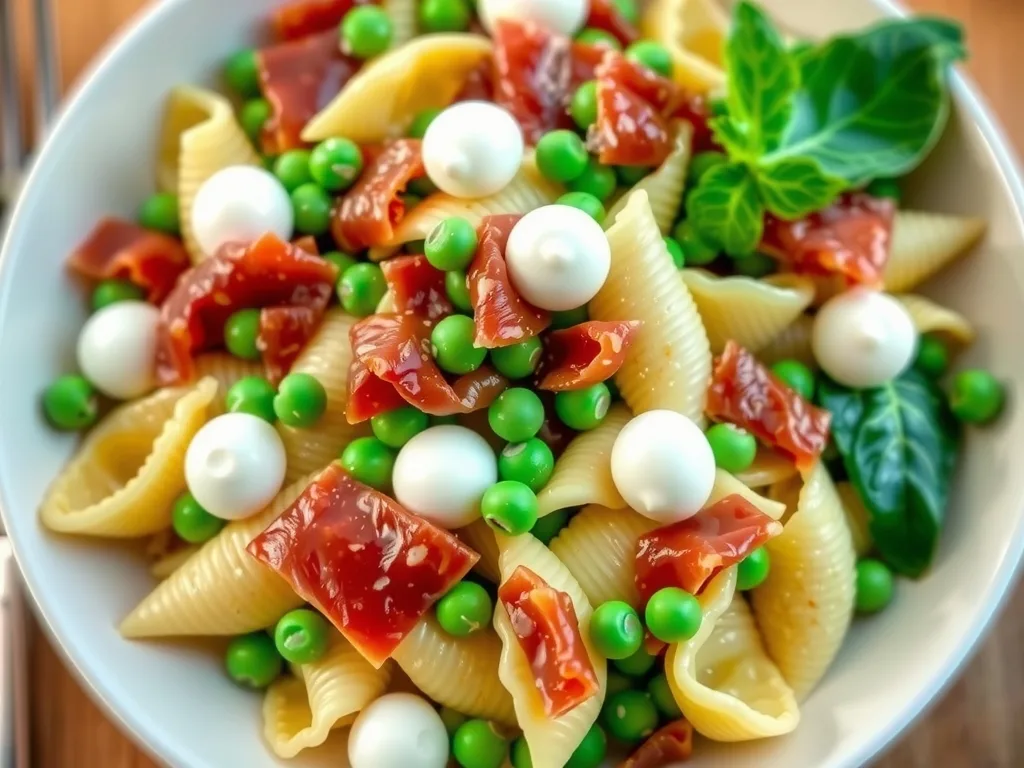
Spring Pea Pesto Pasta Salad: A Bright, Creamy Spring Dish
Introduction: Spring Pea Pesto Pasta Salad
Spring is the season of renewal, and what better way to celebrate than with a vibrant Spring Pea Pesto Pasta Salad that captures the fresh flavors of the garden in every bite. Imagine tender pasta swirled with a bright green pea pesto, flecks of mint, and a hint of lemon zest, then tossed with crisp arugula, salty prosciutto, and creamy mozzarella pearls. This dish is more than just a side; it’s a complete, satisfying meal that feels light yet indulgent, perfect for weekend brunches, picnics in the park, or a lively dinner party with friends. The combination of peanut‑free, gluten‑friendly (if you choose gluten‑free pasta), and dairy‑rich elements makes it adaptable for a variety of dietary preferences while still delivering that classic, comforting pasta salad experience.
The beauty of this recipe lies in its simplicity and the way it showcases the natural sweetness of peas. By blending steamed peas with aromatic basil, parsley, and a splash of lemon juice, you create a pesto that is both herbaceous and slightly tangy, coating each noodle with a silky, flavorful sauce. The addition of toasted prosciutto adds a savory crunch, while the panko breadcrumbs provide an unexpected texture contrast. Whether you serve it chilled on a warm spring afternoon or let it sit at room temperature for a relaxed gathering, this Spring Pea Pesto Pasta Salad will always taste fresh, vibrant, and utterly inviting.
Alternate Names & Variations
While the official name is Spring Pea Pesto Pasta Salad, you might also hear it referred to as a peppery pea pesto pasta, a minty pea and basil pasta salad, or even a creamy spring pasta salad with peas. Each variation highlights a different element of the dish: the peppery bite of mint, the buttery richness of cheese, or the bright pop of lemon. If you’re looking for a vegetarian-friendly version, simply omit the prosciutto and substitute with grilled halloumi or roasted chickpeas for protein. For a vegan twist, replace the parmesan and mozzarella pearls with toasted nutritional yeast and dairy‑free cheese alternatives. You can also experiment with different pasta shapes—farfalle, orecchiette, or even gluten‑free rice noodles—to customize the texture to your liking. The core of the dish remains the same: a harmonious blend of peas, herbs, and pasta that celebrates the essence of spring.
Ingredients: Spring Pea Pesto Pasta Salad- 1 lb. small pasta shells (16‑oz. bag) – choose traditional semolina or a gluten‑free alternative for a allergy‑safe version.
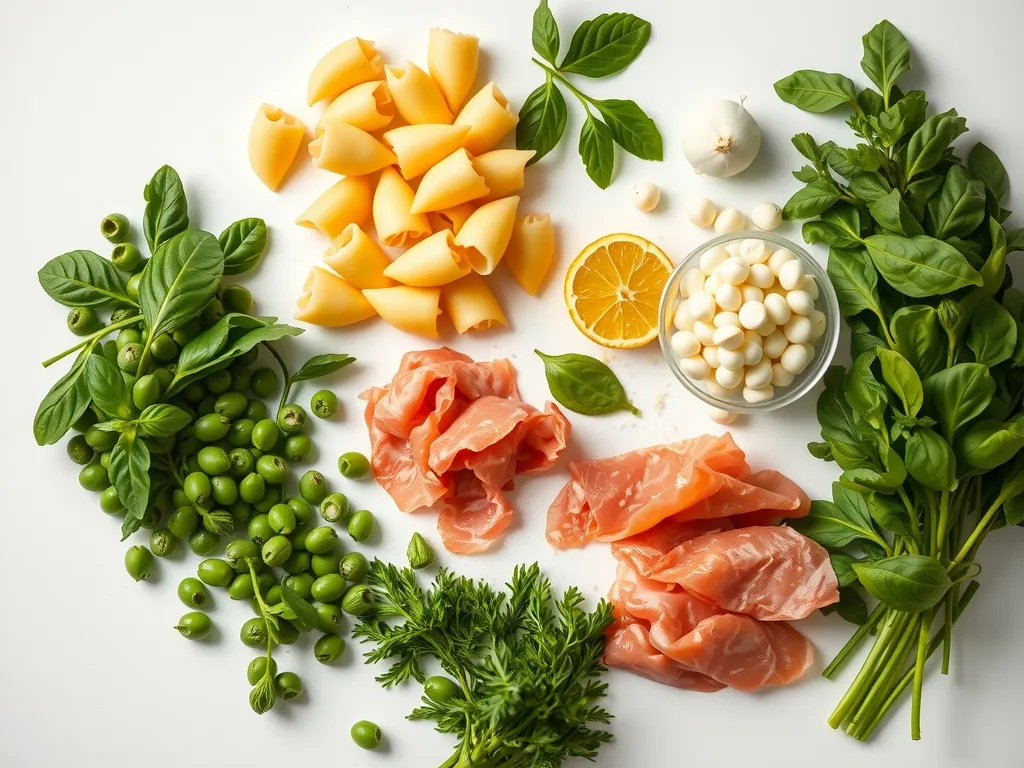
– 1 bag (16‑oz.) frozen peas, steamed and divided – the star vegetable that provides sweet, pop‑in‑your‑mouth bites.
– 2 cloves garlic, peeled and smashed – adds depth and a subtle pungency to the pesto.
– 1¼ cups fresh basil, lightly packed – contributes classic pesto aroma and a hint of peppery freshness. – ½ cup flat‑leaf parsley, leaves and stems, lightly packed – brightens the sauce with green herbaceous notes. – ½ cup freshly grated parmesan cheese, divided – lends a savory umami backbone and creamy texture. – 2 Tbsp. lemon zest, divided from about 2 lemons – adds a citrusy zing that lifts the entire dish.
– ¼ cup freshly squeezed lemon juice, divided from about 2 lemons – balances the richness with bright acidity.
– ¼ cup plus 2 Tbsp. extra virgin olive oil, plus more for drizzling – creates a silky emulsified sauce.
– Kosher salt, to taste – enhances all flavors.
– Ground black pepper, to taste – adds a subtle heat.
– 6 slices prosciutto (about 2 oz.) – brings salty, umami crunch; optional for vegetarians. – ½ cup panko breadcrumbs – toasted for an extra layer of texture.
– 3 cups baby arugula, lightly packed – provides peppery freshness and a vivid green contrast. – 1 cup mozzarella pearls – adds creamy bite and visual appeal.
These ingredients are chosen not only for flavor but also for SEO friendliness, ensuring that anyone searching for a pepita‑free, mint‑infused, or creamy spring pasta salad will find this recipe at the top of their results.
Step-by-Step Instructions: Spring Pea Pesto Pasta Salad
1. Cook the pasta
Bring a large pot of salted water to a boil. Add the pasta shells and cook according to the package directions until al dente, usually 9‑11 minutes. Drain, rinse briefly with cold water to stop cooking, and set aside in a large mixing bowl.
2. Steam the peas
While the pasta cooks, place the frozen peas in a steamer basket over boiling water. Cover and steam for 3‑4 minutes, until just tender but still bright green. Transfer half of the peas to a food processor; reserve the remaining peas for later garnish.
3. Make the pea pesto
Into the food processor add the steamed peas, garlic, basil, parsley, half of the parmesan, lemon zest, lemon juice, olive oil, salt, and pepper. Pulse until smooth, scraping down the sides as needed. Taste and adjust seasoning, adding more lemon juice or salt if desired.
4. Toast the prosciutto and breadcrumbs
In a skillet over medium heat, cook the prosciutto slices until crisp, about 2‑3 minutes per side. Transfer to a paper‑towel‑lined plate to drain excess fat, then chop into bite‑size pieces. In the same skillet, toast the panko breadcrumbs with a drizzle of olive oil until golden, about 2 minutes. Set aside to cool.
5. Combine the salad
Add the cooked pasta to the bowl containing the pea pesto. Toss until every shell is evenly coated. Fold in the steamed peas, arugula, mozzarella pearls, chopped prosciutto, and toasted breadcrumbs. Drizzle a little extra olive oil over the top for shine.
6. Finish and serve Sprinkle the remaining parmesan and a pinch of lemon zest for an extra pop of flavor. Serve immediately at room temperature or chill for 30 minutes to let the flavors meld.
Chef Tips & Substitutions
– Pea substitution – If fresh peas are in season, use 1 ½ cups shelled fresh peas instead of frozen; just blanch for 2 minutes.
– Gluten‑free option – Swap the pasta shells for gluten‑free corn or quinoa pasta; the cooking time may vary slightly.
– Vegan adaptation – Omit prosciutto and use toasted almonds or roasted cauliflower for protein; replace parmesan with a vegan nutritional yeast blend.
– Herb variations – Swap half of the basil for mint or cilantro for a different aromatic profile.
– Creamier texture – Stir in a splash of Greek yogurt or a dollop of ricotta for extra richness without overwhelming the pesto’s brightness.
These tips ensure that you can tailor the dish to any palate while maintaining its core springtime charm.
Recipe Card Reference: Spring Pea Pesto Pasta Salad
The Spring Pea Pesto Pasta Salad is a quick‑prep masterpiece that takes about 20 minutes to assemble, with a cook time of 12 minutes for the pasta and peas. This recipe yields 6 generous servings, making it perfect for family gatherings or meal‑prep lunches throughout the week. Each serving clocks in at roughly 420 calories, offering a balanced mix of carbohydrates, protein, and healthy fats. The combination of whole‑grain pasta, protein‑rich prosciutto, and calcium‑laden mozzarella pearls creates a satisfying dish that keeps you energized without feeling heavy. Whether you’re serving it as a standalone lunch or pairing it with a light protein, the nutritional profile supports a wholesome, spring‑filled diet.
Why This Recipe Works & Expert Tips: Spring Pea Pesto Pasta Salad
Understanding why this recipe works comes down to the chemistry of flavor pairing and texture contrast. The natural sweetness of peas meets the bright acidity of lemon, while the umami of parmesan and prosciutto creates a savory backbone that ties everything together. The creamy spring pasta salad with peas concept thrives on balance: a velvety pesto coats each noodle, while the addition of crisp arugula and toasted breadcrumbs injects freshness and crunch. Long‑tail keywords such as “easy pea pesto recipe for beginners” and “how to make pea pesto that doesn’t turn brown” are addressed by the step‑by‑step method that emphasizes quick blanching of peas and immediate blending with lemon juice to preserve color. For those wondering what does pea pesto taste like, expect a herbaceous, slightly earthy flavor with a buttery finish, punctuated by citrusy notes that keep it lively. As for can you make pesto with peas instead of basil?—absolutely! Peas provide a milder base that lets other herbs shine, making it a versatile alternative for those who prefer a subtler green sauce. Finally, serving temperature is flexible; the salad is delightful served cold for a refreshing summer bite or served warm when you want a comforting, hearty feel. These insights ensure that every forkful delivers the intended harmony of taste and texture.
Storage, Freezing, and Reheating: Spring Pea Pesto Pasta Salad
Leftover Spring Pea Pesto Pasta Salad stores beautifully in an airtight container in the refrigerator for up to 3 days. To maintain optimal texture, keep the dressing separate if you plan to store it longer; simply drizzle a little extra olive oil before serving to revive the sauce. For longer preservation, the pasta and pesto can be frozen together in a freezer‑safe bag for up to 2 months. Thaw overnight in the fridge, then give it a quick toss with fresh arugula and a splash of lemon juice to refresh the flavors. Reheating is best done gently: place the salad in a skillet over low heat, adding a drizzle of olive oil and stirring until warmed through, or simply enjoy it cold straight from the fridge for a crisp, refreshing bite. These storage hacks ensure that your easy pea pesto recipe remains as vibrant and delicious as the day it was made.
People Also Ask: Spring Pea Pesto Pasta Salad### Can you make pesto with peas instead of basil?
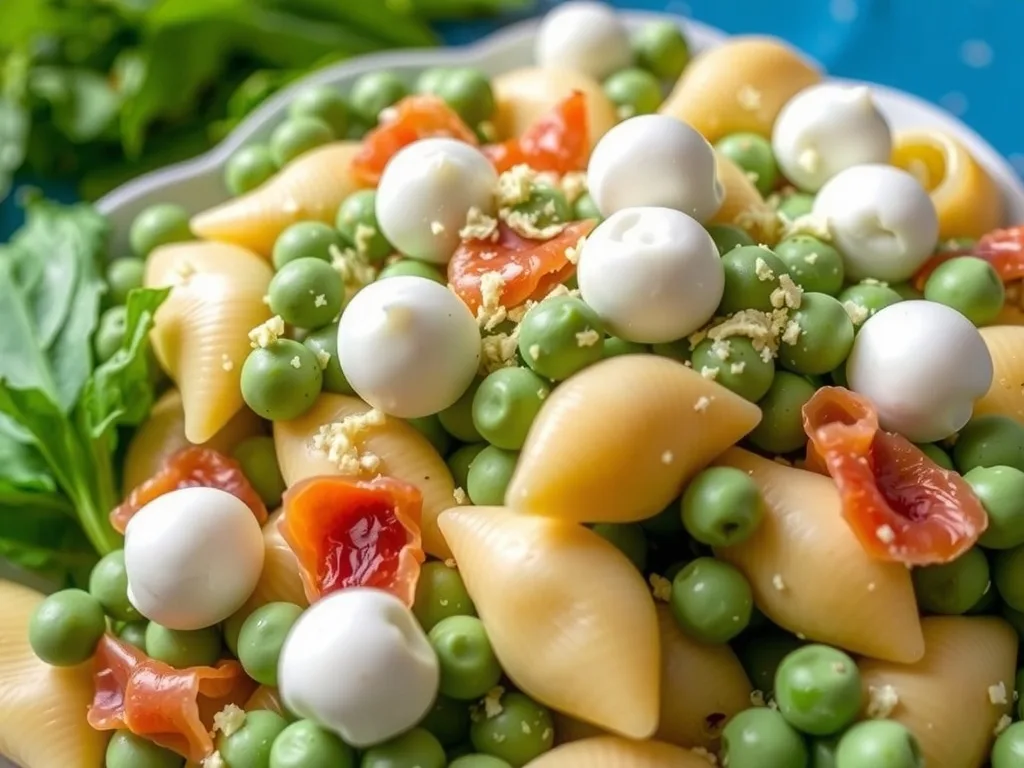
Pea pesto is a fantastic alternative to traditional basil pesto, especially when you want a milder, slightly sweeter flavor profile. By blending steamed peas with garlic, lemon juice, olive oil, and a touch of cheese, you create a sauce that’s both creamy and vibrant green. The key to success is using enough lemon juice to brighten the flavor and prevent the pesto from turning dull. This method answers the common query “can you make pesto with peas instead of basil?” with a resounding yes, offering a versatile base that pairs beautifully with pasta, sandwiches, or even as a dip.
What does pea pesto taste like?
Pea pesto tastes like a fresh garden in a spoonful—sweet, slightly earthy, and herbaceous, with a buttery undertone from the olive oil. The addition of lemon zest or juice adds a crisp acidity that lifts the entire flavor, while parmesan contributes a savory depth. Depending on the herbs you choose—whether it’s mint, parsley, or a mix—the taste can shift toward a brighter, more aromatic finish. It’s a perfect embodiment of a creamy spring pasta salad with peas, delivering a light yet satisfying palate experience.
Is this pasta salad served warm or cold?
The Spring Pea Pesto Pasta Salad can be enjoyed both ways, depending on personal preference and occasion. Served cold, it makes a refreshing side for picnics, barbecues, or a light lunch on a warm day. When served at room temperature or gently reheated, the flavors meld more fully, and the dish feels heartier—ideal for cooler spring evenings. Many people love the flexibility of this salad, as it adapts to different serving temperatures without losing its delightful texture or flavor balance.
What other vegetables can you add?
If you’re looking to boost the nutritional content or add extra color, consider incorporating roasted cherry tomatoes, steamed asparagus tips, or shaved fennel for a crisp bite. Sweet peas pair wonderfully with diced cucumber or baby spinach, while sun‑dried tomatoes can add a tangy depth. These vegetables complement the existing ingredients and enhance the overall freshness of the dish, making your pea pesto pasta even more customizable and seasonally inspired.
Conclusion: Spring Pea Pesto Pasta Salad
We hope you’re excited to try this Spring Pea Pesto Pasta Salad and share its bright, garden‑fresh flavors with family and friends. Whether you’re serving it at a sunny brunch, a cozy dinner, or a casual get‑together, this recipe is sure to become a seasonal favorite. Don’t forget to snap a photo, tag us on social media, and let everyone know how simple yet spectacular a pepper‑infused pea pesto recipe can be. Happy cooking, and enjoy every forkful of this delightful spring creation!
You Might Also Like
- Amish Tomato Pie – The Best Comfort Dish to Try This Summer
- Smoked Meatloaf Recipe: Juicy & Flavorful
- Best Spicy Cajun Salmon Recipe – Quick & Flavorful Dinner Idea! 🐟🌶️✨
- Ultimate CrackerBarrel Meatloaf Recipe – Easy & Comforting Dish!
Find Us On Pinterest and Facebook.
Print
Spring Pea Pesto Pasta Salad
- Total Time: 30 minutes
- Yield: 6 servings 1x
- Diet: Omnivore
Description
A bright, refreshing spring pasta salad featuring tender peas, fresh herbs, lemon zest, and prosciutto crunch — perfect for a light seasonal meal.
Ingredients
- 1 lb. small pasta shells
- 1 (16-oz.) bag frozen peas, steamed and divided
- 2 cloves garlic, peeled and smashed
- 1 1/4 cups fresh basil, lightly packed
- 1/2 cup flat-leaf parsley, leaves and stems, lightly packed
- 1/2 cup freshly grated parmesan cheese, divided
- 2 Tbsp. lemon zest (from about 2 lemons), divided
- 1/4 cup freshly squeezed lemon juice (from about 2 lemons), divided
- 1/4 cup plus 2 tbsp. extra virgin olive oil, plus more for drizzling
- Kosher salt, to taste
- Ground black pepper, to taste
- 6 slices prosciutto (about 2 oz.)
- 1/2 cup panko breadcrumbs
- 3 cups baby arugula, lightly packed
- 1 cup mozzarella pearls
Instructions
- Cook the pasta shells according to package directions until al dente, then drain and rinse under cold water.
- In a large bowl combine the cooked pasta, peas, garlic, basil, parsley, and half of the parmesan cheese.
- Stir in the lemon zest, lemon juice, and 1/4 cup plus 2 tbsp. olive oil to create a vibrant pesto dressing.
- Season with kosher salt and ground black pepper to taste and toss to coat evenly.
- Add the mozzarella pearls and gently fold in the baby arugula.
- Cook the prosciutto in a skillet over medium heat until crisp, about 2 minutes per side, then drain on paper towels and crumble.
- Toast the panko breadcrumbs in a dry pan until golden, about 3 minutes, then set aside.
- Divide the pasta mixture onto serving plates, drizzle with a little extra olive oil, and top with crumbled prosciutto, toasted breadcrumbs, and the remaining parmesan.
- Serve immediately at room temperature or chilled.
Notes
For extra brightness, add a pinch of lemon zest just before serving.
- Prep Time: 20 minutes
- Cook Time: 10 minutes
- Category: Pasta Salad
- Method: Mixed Cold Salad
- Cuisine: Italian
Nutrition
- Serving Size: 1/6 recipe
- Calories: 380 kcal
- Sugar: 5g
- Sodium: 600mg
- Fat: 18g
- Saturated Fat: 6g
- Unsaturated Fat: 10g
- Trans Fat: 0g
- Carbohydrates: 45g
- Fiber: 6g
- Protein: 14g
- Cholesterol: 45mg
Keywords: spring, pea, pesto, pasta salad, prosciutto, easy, vegetarian, Italian