
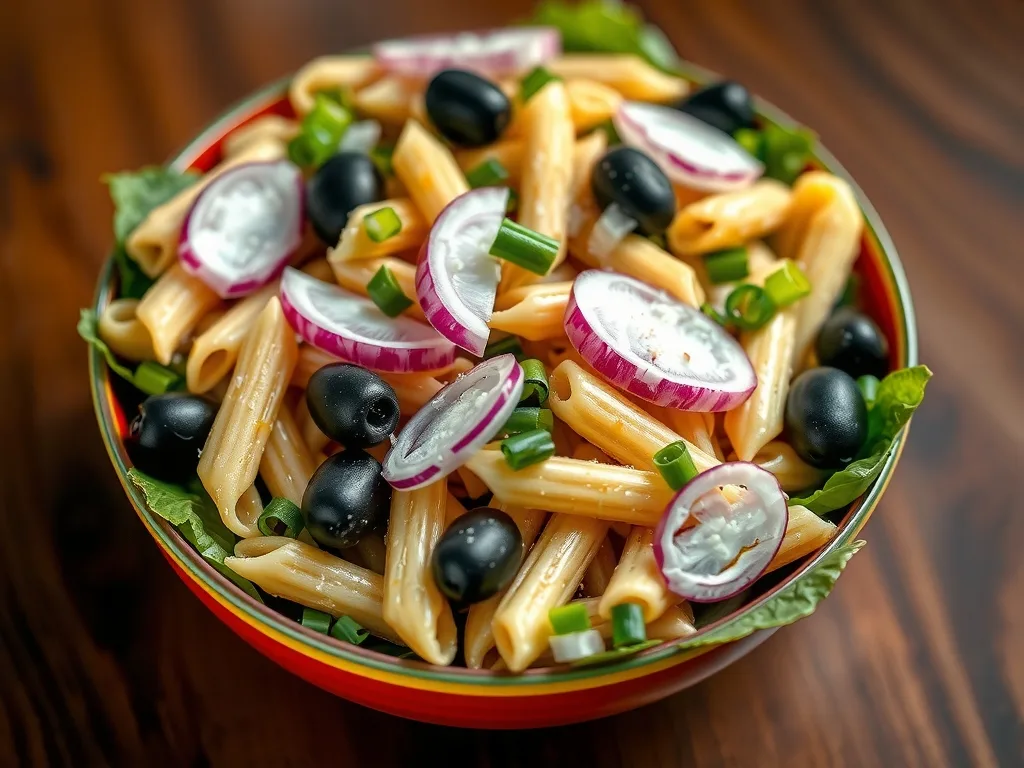
Table of Contents: Summer Paleo Pasta Salad Without Mayo
Summer Paleo Pasta Salad Without Mayo
Imagine a vibrant bowl of chilled pasta salad that feels indulgent yet aligns perfectly with your paleo lifestyle—no mayo, no guilt, just fresh flavors that sing of summer. This recipe swaps traditional wheat noodles for nutrient‑dense, grain‑free alternatives, tosses them with crisp cucumbers, briny kalamata olives, and leafy greens, then dresses everything in a tangy red‑wine‑vinaigrette brightened with a hint of maple syrup.
The result is a satisfying side (or light main) that stays creamy from the olive oil emulsion, packs a punch of herbs, and holds up beautifully for picnics, potlucks, or a quick weekday lunch. Whether you’re managing blood sugar, avoiding dairy, or simply seeking a lighter take on a classic favorite, this salad delivers the comforting texture you crave without compromising your health goals.
Beyond its delicious taste, this dish is a versatile canvas. Feel free to add grilled chicken, shrimp, or roasted vegetables for extra protein, or keep it strictly plant‑based for a vegan‑friendly option. The dressing emulsifies easily, clinging to every bite of pasta and veggie, while the optional pickled red onions add a pleasant tang that cuts through the richness. It’s the kind of recipe that invites experimentation—swap herbs, adjust acidity, or toss in some toasted nuts for crunch—yet remains reliably delicious every time you make it. Let’s dive into the details so you can recreate this crowd‑pleaser with confidence.
Alternate Names & Variations
You might see this dish referred to as a grain‑free pasta salad, low‑carb pasta salad, or keto pasta salad when the focus shifts to minimizing net carbs. While the core concept stays the same—pasta‑like base, fresh veggies, and a mayo‑free dressing—variations abound. Some cooks replace the red‑wine vinegar with apple cider vinegar for a fruitier note, or use avocado oil instead of extra‑virgin olive oil for a milder flavor. Adding diced bell peppers, cherry tomatoes, or shredded carrots introduces extra color and nutrients.
For a Mediterranean twist, toss in crumbled feta (if dairy is okay) or toasted pine nuts. If you prefer a creamier texture without mayo, blend a spoonful of cashew butter or tahini into the vinaigrette. Each tweak keeps the dish paleo‑friendly while letting you tailor it to seasonal produce or personal taste preferences.
Ingredients: Summer Paleo Pasta Salad Without Mayo
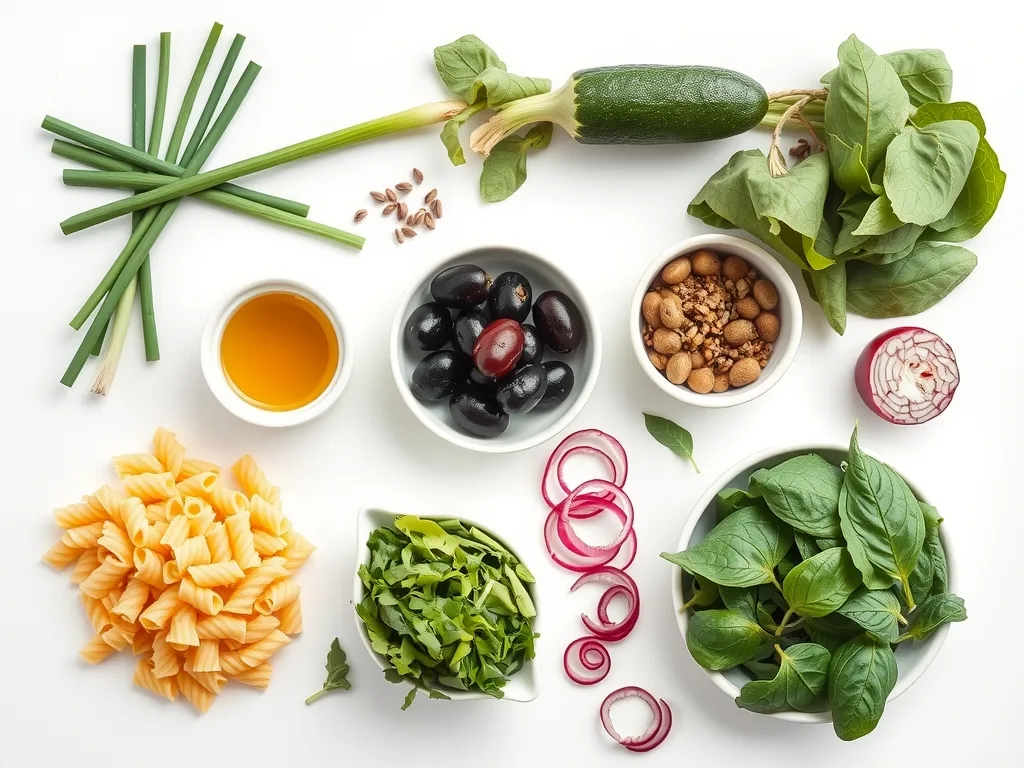
Pasta Salad Base
- – 8 oz AIP or paleo pasta (such as chickpea, lentil, or vegetable‑based noodles)
- – 4 stems green onions, thinly sliced
- – 1 Tbsp olive oil (for tossing the pasta)
- – 3 cups cucumber, seeded and chopped
- – 1 cup kalamata olives, pitted and chopped
- – ½ tsp sea salt
- – 1 tsp dried oregano
- – 1 tsp dried basil
- – 1 tsp dried thyme
- – 4 cups spinach or any leafy green, roughly chopped
- – Pickled red onions for garnish (optional)
Dressing
- – ¼ cup red wine vinegar
- – ¼ cup extra‑virgin olive oil
- – 1 tsp sea salt
- – 1 clove garlic, crushed
- – 1 tsp maple syrup
*Tip:* If you like a little sweetness, increase the maple syrup to 1½ tsp; for extra tang, add a splash more vinegar.
Step-by-Step Instructions: Summer Paleo Pasta Salad Without Mayo
- 1. Cook the pasta according to package directions until al dente—usually 7‑9 minutes for grain‑free varieties. Drain and rinse under cold water to stop the cooking process; this keeps the noodles firm and prevents them from becoming mushy.
- 2. Toss the warm pasta with 1 Tbsp olive oil and a pinch of sea salt. This light coating helps the dressing adhere later and adds a subtle richness. Set aside to cool completely.
- 3. Prepare the vegetables: While the pasta cools, chop the cucumber, slice the green onions, and roughly chop the spinach or chosen greens. Place all veggies in a large mixing bowl.
- 4. Make the dressing: In a small jar or bowl, whisk together red wine vinegar, extra‑virgin olive oil, sea salt, crushed garlic, and maple syrup until emulsified. Taste and adjust seasoning—more salt for depth, more vinegar for brightness, or a touch more maple syrup if you prefer a hint of sweetness.
- 5. Combine: Add the cooled pasta, olives, and herbs (oregano, basil, thyme) to the bowl of vegetables. Pour the dressing over the mixture and toss gently but thoroughly until everything is evenly coated.
- 6. Chill: Cover the salad and refrigerate for at least 30 minutes—ideally 1‑2 hours—to allow the flavors to meld. The pasta will absorb some of the vinaigrette, becoming more flavorful without losing its bite.
- 7. Serve: Before serving, give the salad a quick toss. Garnish with pickled red onions if using, and enjoy chilled or at room temperature.
*Chef’s Tip:* If you’re preparing this ahead of time for a event, keep the dressing separate until the last 15 minutes to preserve the crispness of the cucumbers and greens.
Recipe Card Reference: Summer Paleo Pasta Salad Without Mayo
Prep time is approximately 15 minutes, with an additional 10 minutes for cooking the pasta, bringing the active hands‑on time to about 25 minutes. The salad benefits from a chilling period of 30 minutes to 2 hours, which can be counted as passive time. This recipe yields roughly 6 servings, each serving providing a satisfying portion that works well as a side dish or a light lunch. Nutritionally, one serving contains approximately 280 calories, with 12 g of fat (mostly from olive oil), 30 g of carbohydrates (including 6 g of fiber from the paleo pasta and vegetables), and 8 g of protein.
These values make it a balanced option for those following paleo, keto, or low‑carb eating plans, offering sustained energy without the heaviness of traditional mayo‑based salads.
Why This Recipe Works & Expert Tips: Summer Paleo Pasta Salad Without Mayo
The success of this salad hinges on three key factors: the choice of pasta, the emulsion of the dressing, and the balance of textures. Grain‑free pastas made from legumes or vegetables provide a firm bite that holds up to chilling and mixing, unlike some alternatives that can become gummy. By rinsing the cooked pasta in cold water, we remove excess starch, preventing the noodles from sticking together and allowing the vinaigrette to coat each strand evenly.
The dressing relies on a classic vinaigrette ratio—1 part acid to 2 parts oil—enhanced with a touch of maple syrup to round out the sharpness of the red wine vinegar. Emulsifying the oil and vinegar creates a creamy mouthfeel without dairy or mayo, while the crushed garlic infuses the sauce with aromatic depth. Letting the salad rest in the refrigerator allows the pasta to absorb the dressing gradually, resulting in a harmonious flavor profile where every bite is consistently seasoned.
Expert tip: For added umami, sprinkle a tablespoon of nutritional yeast or a handful of toasted pumpkin seeds just before serving. If you prefer a tangier kick, increase the red wine vinegar by ½ tablespoon and reduce the olive oil slightly to maintain the emulsion balance. Finally, always taste and adjust seasoning after the chilling period, as the flavors can mellow and may need a final pinch of salt or a dash more herbs.
Storage, Freezing, and Reheating
Store the salad in an airtight container in the refrigerator for up to four days. Because the dressing is oil‑based, the salad actually improves after a day as the flavors continue to meld. Avoid freezing, as the texture of the paleo pasta and fresh vegetables can become soggy upon thawing, compromising the pleasant crunch that makes this dish enjoyable. If you must prepare it farther in advance, keep the dressing separate and combine it with the pasta and vegetables just before serving.
When ready to eat, give the salad a good stir; no reheating is needed—this dish is best served cold or at room temperature, making it ideal for outdoor gatherings or quick lunches straight from the fridge.
People Also Ask: Summer Paleo Pasta Salad Without Mayo
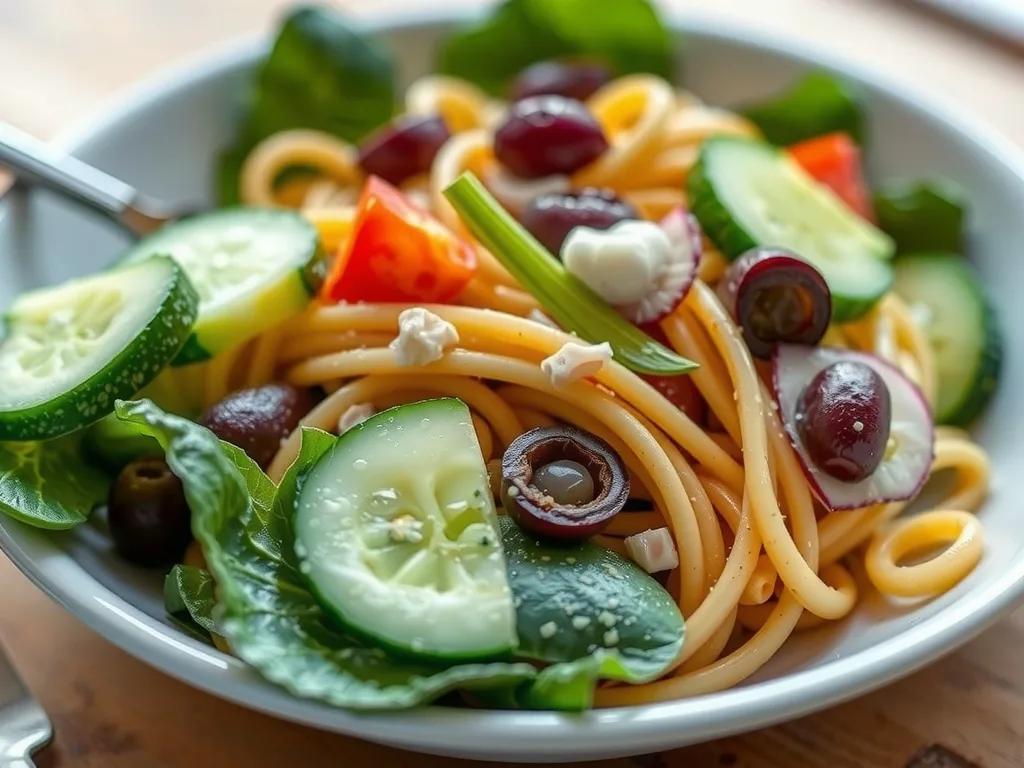
How do you make a paleo pasta salad?
To make a paleo pasta salad, start by selecting a grain‑free pasta such as chickpea, lentil, or vegetable‑based noodles. Cook the pasta according to package instructions until al dente, then rinse under cold water to stop cooking and remove excess starch. Toss the cooled noodles with a light coating of olive oil and set aside. Prepare a mix of fresh vegetables—cucumber, leafy greens, olives, and herbs—and whisk together a dressing of red wine vinegar, extra‑virgin olive oil, sea salt, crushed garlic, and a touch of maple syrup.
Combine the pasta, veggies, and dressing, chill for at least 30 minutes to allow flavors to meld, and serve garnished with optional pickled red onions. This method yields a creamy, satisfying salad without any dairy or mayo, staying true to paleo principles while delivering vibrant summer flavors.
What can I use instead of mayo for a pasta salad?
Instead of mayo, you can create a rich, creamy texture using an emulsified vinaigrette made from olive oil and an acid such as red wine vinegar, lemon juice, or apple cider vinegar. Adding a small amount of maple syrup or honey (if not strictly paleo) helps balance acidity and gives a subtle sweetness that mimics the roundness of mayo. For a thicker consistency, blend in avocado, tahini, or a spoonful of cashew butter—these fats create a silky coating that clings to pasta and vegetables.
Another option is to use a yogurt‑free, coconut‑milk‑based dressing seasoned with herbs and spices. All of these alternatives keep the salad paleo‑friendly, provide healthy fats, and avoid the heaviness and potential allergens associated with traditional mayo.
What are some good paleo pasta alternatives?
Excellent paleo pasta alternatives include chickpea pasta, lentil pasta, black bean pasta, and edamame noodles—all of which are high in protein and fiber while remaining grain‑free. Vegetable‑based options such as zucchini noodles (zoodles), spaghetti squash, or shirataki noodles made from konjac root also work well, especially when you want a lower‑calorie, low‑carb base. If you prefer something closer to traditional wheat pasta in texture, look for blends that combine almond flour, coconut flour, and tapioca starch; these mimic the chewiness of regular pasta without grains.
When choosing, check labels for added non‑paleo ingredients like sugar or preservatives, and opt for brands that use minimal, whole‑food components.
What vegetables go well in a paleo pasta salad?
A wide variety of vegetables complement a paleo pasta salad, adding color, crunch, and nutrients. Classic choices include diced cucumber, cherry tomatoes, bell peppers (any color), shredded carrots, and thinly sliced radishes for a peppery bite. Leafy greens such as spinach, arugula, or chopped kale provide a tender base that absorbs the dressing nicely. For briny depth, kalamata or green olives are ideal, while artichoke hearts or roasted red peppers add a Mediterranean flair. If you enjoy a bit of sweetness, consider adding roasted sweet potato cubes or grilled corn kernels.
Finally, fresh herbs like basil, parsley, dill, or mint elevate the flavor profile, making each bite fresh and aromatic. Feel free to mix and match based on what’s seasonal or what you have on hand—the salad is wonderfully adaptable.
Conclusion: Summer Paleo Pasta Salad Without Mayo
This Summer Paleo Pasta Salad Without Mayo proves that you don’t need heavy dressings or grains to enjoy a satisfying, crowd‑pleasing side dish. With its bright vinaigrette, hearty grain‑free pasta, and medley of crisp vegetables, it delivers the creamy mouthfeel and robust flavor you love—while staying true to paleo, keto, and low‑carb lifestyles. Make it ahead for a picnic, bring it to a potluck, or keep a container in the fridge for quick, nourishing lunches throughout the week.
We hope you give this recipe a try, tweak it to suit your taste, and share your creations with friends and family. Happy cooking, and enjoy the fresh tastes of summer!
You Might Also Like:
- Amish Tomato Pie – The Best Comfort Dish to Try This Summer
- Smoked Meatloaf Recipe: Juicy & Flavorful
- Best Spicy Cajun Salmon Recipe – Quick & Flavorful Dinner Idea! 🐟🌶️✨
- Ultimate CrackerBarrel Meatloaf Recipe – Easy & Comforting Dish!
Find Us On Pinterest and Facebook.
Print
Summer Paleo Pasta Salad Without Mayo – Fresh, Light & Perfect for Picnics!
- Total Time: 20
- Yield: 4 1x
Description
Enjoy this refreshing Summer Paleo Pasta Salad Without Mayo, a light and vibrant dish perfect for warm weather gatherings. Made with wholesome AIP-friendly pasta, crisp cucumbers, briny kalamata olives, and a zesty herb-infused red wine vinaigrette, this salad is both nourishing and bursting with flavor. Ideal for paleo, AIP, and gluten-free diets, it’s a crowd‑pleaser that’s naturally mayo‑free and easily customizable with your favorite greens.
Ingredients
- 8 oz paleo pasta (AIP)
- 4 stems green onions, sliced
- 1 tbsp olive oil
- 3 cups cucumber, chopped
- 1 cup kalamata olives, pitted and chopped
- ½ tsp sea salt
- 1 tsp dried oregano
- 1 tsp dried basil
- 1 tsp dried thyme
- 4 cups spinach or other leafy greens, roughly chopped
- Pickled red onions for garnish (optional)
- Dressing: ¼ cup red wine vinegar, ¼ cup extra virgin olive oil, 1 tsp sea salt, 1 clove garlic, crushed, 1 tsp maple syrup
Instructions
- Cook the paleo pasta according to package instructions, drain, and rinse under cold water.
- While pasta cools, whisk together dressing ingredients in a small bowl.
- In a large bowl, combine cooled pasta, cucumber, kalamata olives, green onions, and spinach.
- Pour dressing over the salad and toss to coat evenly.
- Season with additional salt or herbs if desired.
- Transfer to a serving dish and garnish with pickled red onions.
- Chill for at least 30 minutes before serving.
Notes
Tip: Add extra herbs or swap olives for capers. Store leftovers in an airtight container for up to 2 days.
- Prep Time: 20
- Category: B
- Method: no_cook
- Cuisine: Mediterranean
Nutrition
- Serving Size: 1 cup
- Calories: 210
- Sugar: 4
- Sodium: 320
- Fat: 12
- Saturated Fat: 1.5
- Unsaturated Fat: 10.5
- Trans Fat: 0
- Carbohydrates: 28
- Fiber: 5
- Protein: 6
- Cholesterol: 0
Keywords: paleo, AIP, salad, summer, gluten-free