
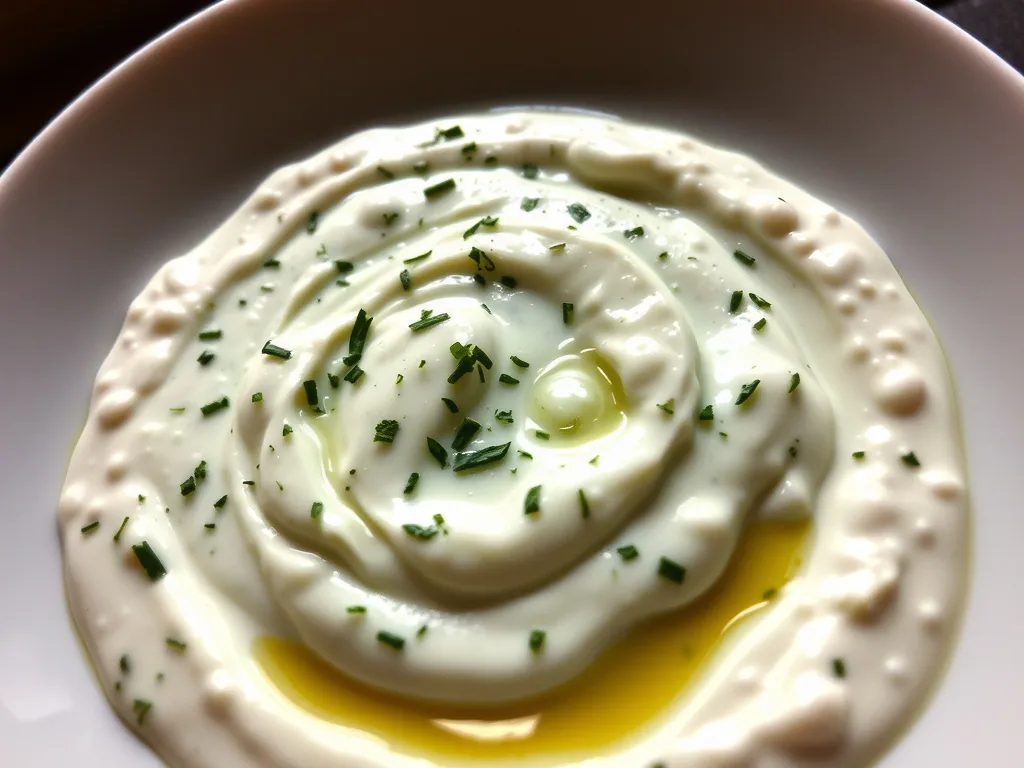
Introduction: Tzatziki Sauce
If you’ve ever found yourself scrolling through Pinterest on a lazy Sunday afternoon, searching for that perfect side dish to elevate a family dinner, you’ve probably stumbled upon a bright, refreshing bowl of tzatziki sauce. This creamy, tangy dip has a way of turning ordinary meals into something truly special, especially when the sun is shining and the grill is firing up. For home cooks ages 40‑65 who cherish homemade recipes that feel both nostalgic and fresh, tzatziki offers a simple yet elegant solution that pairs beautifully with everything from grilled vegetables to tender meatloaf. Its cool, cucumber‑kissed flavor is a subtle reminder of Mediterranean sunshine, and the best part? It’s incredibly easy to make with pantry staples you likely already have on hand.
Beyond its delightful taste, tzatziki is a conversation starter. Its origins trace back to the kitchens of Greece and Turkey, where yogurt‑based sauces have long been a staple. Today, it’s a beloved staple on dinner tables across the United States, especially for those who love to host gatherings and impress guests with a dish that feels both familiar and exotic. Whether you’re serving it alongside a summer BBQ, using it as a dip for fresh crudités, or topping a hearty baked potato, this easy recipe brings a burst of brightness that keeps everyone coming back for more. So, let’s dive into the world of homemade tzatziki and discover why it deserves a permanent spot in your recipe collection.
Alternate Names & Variations: Tzatziki Sauce
The beauty of tzatziki lies in its versatility, and that flexibility is reflected in the many names and variations you’ll encounter online. Some cooks lovingly refer to it as a Greek yogurt dip, while others simply call it a cucumber yogurt sauce. In Mediterranean households, you might hear it described as a “yogurt and cucumber relish” or even a “garlic‑lemon yogurt spread.” Each of these nicknames highlights a different facet of the sauce: its creamy texture, its refreshing cucumber notes, or its zingy lemon finish.
If you’re looking to put your own spin on the classic, consider swapping out the traditional dill for mint for a slightly sweeter profile, or adding a pinch of smoked paprika for a subtle, earthy undertone. You can also experiment with the type of yogurt — using a richer Greek yogurt yields a thicker dip, while a lighter, low‑fat version works well as a salad dressing. These variations keep the sauce fresh and exciting, ensuring that even seasoned home chefs can find new ways to enjoy this timeless family dinner favorite.
Ingredients: Tzatziki Sauce
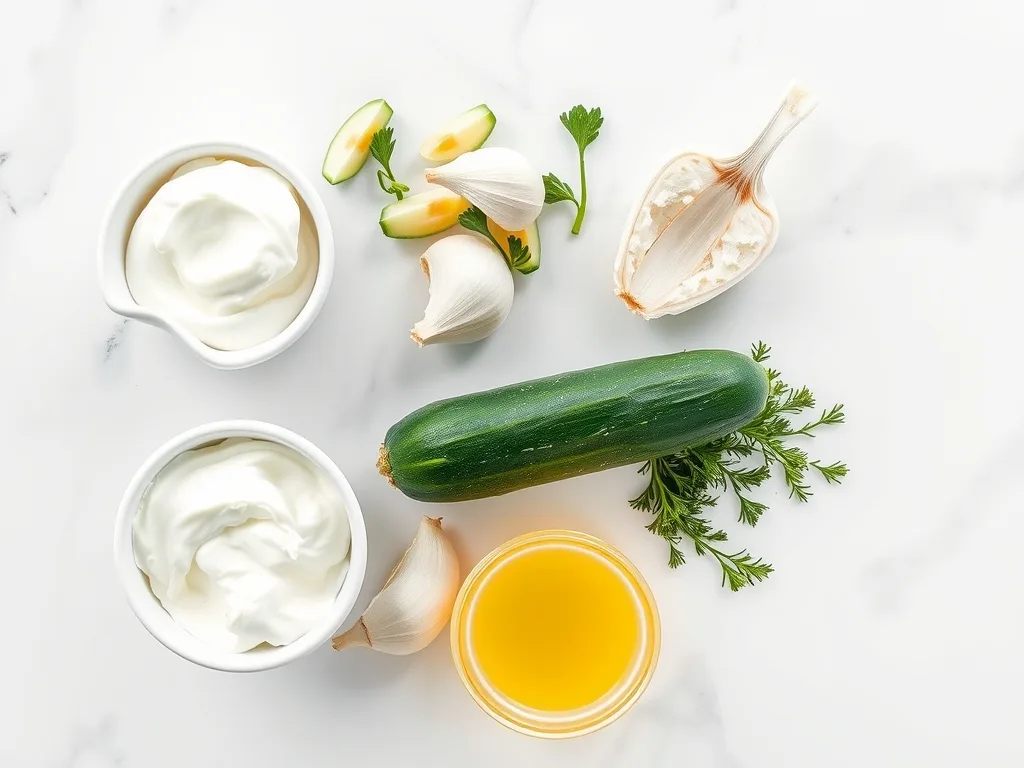
To craft the perfect tzatziki, gather the following homemade recipe essentials:
Greek yogurt (1 cup, full‑fat for creaminess)
Cucumber (1 medium, grated and gently squeezed to remove excess moisture)
Garlic cloves (2, minced to a fine paste)
Lemon juice (1 tbsp, freshly squeezed)
Fresh dill (1 tbsp, finely chopped)
These ingredients combine to create a balanced flavor profile that’s tangy, herbaceous, and just a touch garlicky — exactly what you want in a versatile sauce that can complement both savory and light dishes.
Step-by-Step Instructions: Tzatziki Sauce
- Prepare the cucumber – Grate the cucumber, then place it in a clean kitchen towel or cheesecloth and squeeze out as much water as possible. This step prevents a watery dip and concentrates the cucumber flavor.
- Mix the base – In a medium bowl, combine the Greek yogurt and the drained cucumber. Stir until the mixture is smooth and uniform.
- Add aromatics – Fold in the minced garlic, lemon juice, and chopped dill. Taste and adjust the seasoning with a pinch of salt and freshly ground black pepper if desired.
- Chill to meld – Cover the bowl and refrigerate for at least 30 minutes. This resting period allows the garlic and dill to infuse the yogurt, creating a harmonious flavor.
- Serve and enjoy – Spoon the chilled tzatziki onto your favorite dishes, garnish with a sprig of dill or a drizzle of olive oil, and watch it disappear.
Chef tips & substitutions: If you’re short on fresh dill, dried dill works in a pinch — just use half the amount. For a tangier finish, add an extra splash of lemon juice, or swap the cucumber for grated zucchini for a different texture.
Recipe Card Reference: Tzatziki Sauce
This easy recipe yields about 2 cups of sauce, perfect for serving a family of four. Expect a prep time of roughly 10 minutes, with no cooking required, and a total time of under an hour once chilled. The recipe serves 4‑6 people as a dip or condiment and contains approximately 120 calories per serving, making it a light yet satisfying addition to any meal.
Why This Recipe Works & Expert Tips: Tzatziki Sauce
The secret to a standout tzatziki lies in the balance of its three core components: creaminess, freshness, and acidity. By using full‑fat Greek yogurt, you preserve the sauce’s rich mouthfeel, while the thorough draining of the cucumber removes excess water that can dilute flavor. The lemon juice adds a bright acidity that cuts through the richness, and the fresh dill contributes a fragrant herbal note that elevates the entire dish.
Long‑tail keyword enthusiasts often search for “how to make tzatziki sauce without Greek yogurt” or “best cucumber substitute for tzatziki.” The answer? A high‑quality plain yogurt can stand in for Greek yogurt, though the texture may be slightly thinner. For those avoiding dairy, a plant‑based yogurt blended with a splash of olive oil can mimic the creaminess, albeit with a different flavor profile. Understanding these nuances helps you tailor the sauce to any dietary need while still delivering that signature tangy bite.
Storage, Freezing, and Reheating: Tzatziki Sauce
Store your tzatziki in an airtight container in the refrigerator for up to 5 days. The flavors continue to meld, often tasting even better after a day or two. If you find yourself with a surplus, freezing is a viable option: portion the sauce into freezer‑safe bags or containers, leaving a little headspace for expansion, and freeze for up to 2 months. When you’re ready to use it, thaw the sauce in the refrigerator overnight and give it a quick stir before serving; a tiny splash of fresh lemon juice can revive its brightness if needed.
Reheating isn’t typically required for tzatziki, but if you’re using it as a warm sauce for baked dishes, gently warm it in a saucepan over low heat, stirring constantly to avoid curdling. Avoid high temperatures, as they can cause the yogurt to separate.
People Also Ask: Tzatziki Sauce
What is the best way to make Tzatziki Sauce?
The optimal method for crafting tzatziki involves using full‑fat Greek yogurt as the foundation, then draining a cucumber to eliminate excess moisture that could dilute the dip. Grating the cucumber finely, squeezing it dry, and folding it into the yogurt creates a thick, velvety base. Next, incorporate minced garlic, freshly squeezed lemon juice, and a generous handful of chopped dill, seasoning with salt and pepper to taste. The final step is chilling the mixture for at least 30 minutes, which allows the garlic and herb flavors to permeate the yogurt fully. This easy recipe not only highlights the natural tang of the yogurt but also ensures a balanced, refreshing taste that pairs perfectly with everything from grilled meats to crisp vegetable sticks.
Can Tzatziki Sauce be made ahead of time?
Absolutely! Tzatziki shines when prepared in advance because the brief refrigeration period allows the flavors to meld more deeply. Simply combine all ingredients, cover the bowl tightly, and store it in the refrigerator for up to 24 hours before serving. Many home cooks find that making it a day ahead not only saves time on busy evenings but also enhances the sauce’s texture, as the cucumber’s moisture fully integrates with the yogurt. When you’re ready to serve, give the dip a quick stir to re‑incorporate any settled spices, and enjoy the same fresh, tangy profile as if it were made that very moment.
Can Tzatziki Sauce be frozen?
Yes, tzatziki can be frozen, though there are a few considerations to keep in mind. Because yogurt can separate when thawed, it’s best to freeze the sauce in portioned airtight containers, leaving a little space for expansion. The ideal freezing duration is up to two months; beyond that, texture may degrade. To use it after freezing, transfer the container to the refrigerator and let it thaw overnight. Once thawed, give the sauce a gentle stir; if the consistency appears a bit watery, you can whisk in a teaspoon of fresh yogurt or a splash of lemon juice to restore smoothness. Freezing makes this homemade recipe a convenient make‑ahead option for future gatherings.
How long does Tzatziki Sauce last?
When stored properly in an airtight container in the refrigerator, tzatziki typically stays fresh for about 5 days. The exact longevity can vary based on the freshness of the ingredients, especially the cucumber and yogurt. If you notice any off‑smells, discoloration, or a sour taste that deviates from its usual tangy profile, it’s safest to discard the sauce. For longer storage, freezing is a reliable method, extending the sauce’s shelf life to roughly two months. Always label your container with the preparation date to keep track of its age.
Conclusion: Tzatziki Sauce
There you have it — a complete, step‑by‑step guide to mastering the art of tzatziki sauce in your own kitchen. From its humble Mediterranean roots to its versatile place on modern dinner tables, this easy recipe is a testament to how a few simple ingredients can transform a meal into something memorable. Whether you’re serving it alongside a summer BBQ, using it as a light salad dressing, or simply scooping it up with warm pita, tzatziki brings a burst of fresh flavor that’s sure to delight family and friends alike. So why not give it a try tonight? Grab your ingredients, follow the easy steps, and watch as this creamy delight becomes a staple in your collection of beloved family dinner dishes.
You Might Also Like
- Amish Tomato Pie – The Best Comfort Dish to Try This Summer
- Smoked Meatloaf Recipe: Juicy & Flavorful
- Best Spicy Cajun Salmon Recipe – Quick & Flavorful Dinner Idea! 🐟🌶️✨
- Ultimate CrackerBarrel Meatloaf Recipe – Easy & Comforting Dish!
Find Us On Pinterest and Facebook.
Print
Tzatziki Sauce
- Total Time: 10 minutes
- Yield: 4 servings 1x
- Diet: Vegetarian
Description
A classic Greek tzatziki sauce made with creamy Greek yogurt, grated cucumber, garlic, lemon juice, and fresh dill. Perfect as a dip, dressing, or topping for grilled meats and vegetables.
Ingredients
- 1 cup Greek yogurt
- 1 cucumber grated
- 2 cloves garlic minced
- 1 tbsp lemon juice
- 1 tbsp dill
- Salt to taste
- Black pepper to taste
- 1 tbsp olive oil (optional)
Instructions
- Grate the cucumber and squeeze out excess moisture using a clean kitchen towel.
- Combine the grated cucumber, minced garlic, lemon juice, and dill in a bowl.
- Stir in the Greek yogurt until smooth.
- Season with salt and pepper, then mix well.
- Taste and adjust seasoning if needed.
- Cover and refrigerate for at least 30 minutes to let flavors meld before serving.
Notes
For a thinner consistency, add a splash of water or extra lemon juice. This sauce can be stored in an airtight container in the refrigerator for up to 3 days.
- Prep Time: 10 minutes
- Cook Time: 0 minutes
- Category: Sauce
- Method: Cold preparation
- Cuisine: Greek
Nutrition
- Serving Size: 1/4 cup (60g)
- Calories: 80 kcal
- Sugar: 4g
- Sodium: 380mg
- Fat: 5g
- Saturated Fat: 3g
- Unsaturated Fat: 2g
- Trans Fat: 0g
- Carbohydrates: 6g
- Fiber: 1g
- Protein: 8g
- Cholesterol: 10mg
Keywords: tzatziki,Greek sauce,yogurt dip,cucumber,garlic,lemon juice,dill,Mediterranean