
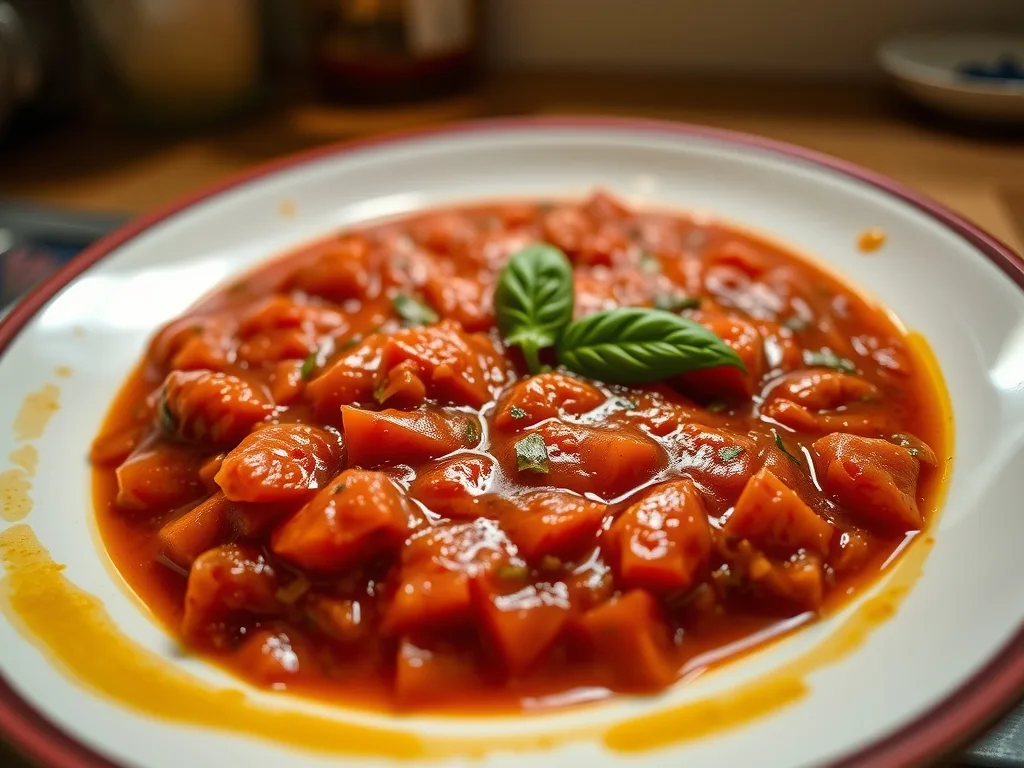
Introduction: Classic Marinara Sauce
From the moment a fragrant perfume of garlic and simmering tomatoes fills the kitchen, memories of Sunday family gatherings surface, and the heart swells with anticipation. Classic Marinara Sauce is more than a simple condiment; it is a culinary heirloom that has traveled across generations, from the bustling streets of Naples to the cozy tables of American households. In this article we will explore why a truly authentic marinara sauce stands apart, how a handful of pantry staples can transform ordinary pasta into a celebratory feast, and why the simplicity of this sauce is a secret weapon for busy home cooks who still crave depth of flavor. Unlike many modern pasta sauces that rely on shortcuts such as canned puree or pre‑made blends, a Classic Marinara Sauce respects the integrity of each ingredient. The tomatoes are hand‑cracked, the garlic is sliced thin, and the herbs are added at the precise moment to preserve their bright, aromatic punch. This careful orchestration results in a sauce that clings lightly to spaghetti, embraces meatballs, and can even serve as a dipping canvas for crusty bread. By mastering this sauce, you unlock a versatile foundation that can be customized for every palate, from the traditionalist who prefers a whisper of oregano to the adventurous cook who dares to add a splash of red wine.
In the pages that follow you will discover the exact measurements, cooking techniques, and insider tips that have been refined over decades of home testing. Whether you are a seasoned chef looking to perfect a family favorite or a novice yearning for a reliable recipe that yields restaurant‑quality results every time, this guide is designed to empower you. Prepare to journey through aroma, texture, and tradition as we uncover the magic behind the Classic Marinara Sauce.
Alternate Names & Variations
Classic Marinara Sauce is often called marinara sauce, tomato sauce, or Italian sauce in cookbooks and grocery aisles. Home cooks sometimes refer to it simply as homemade marinara, emphasizing its handcrafted nature. Regional twists include adding a splash of red wine for depth, stirring in a touch of anchovy paste for umami, or sprinkling fresh herbs like parsley or parsley for brightness. Each variation stays true to the sauce’s core principle: a bright, tomato‑forward flavor that enhances rather than overwhelms the dish it accompanies.
Ingredients: Classic Marinara Sauce
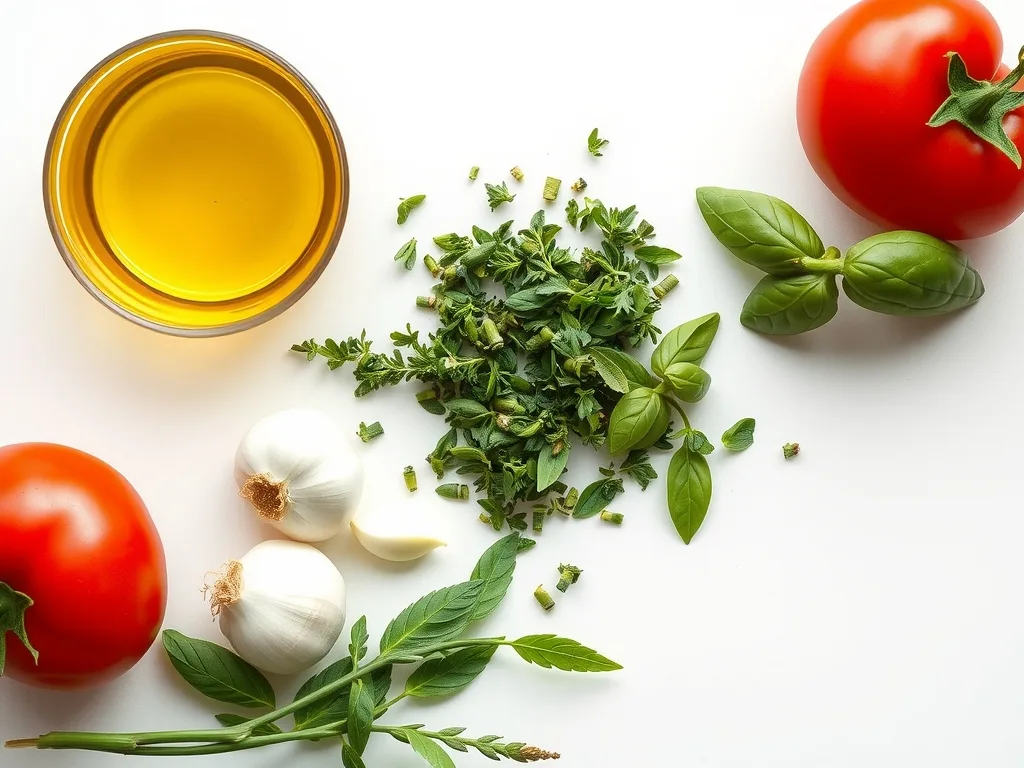
Creating a genuine Classic Marinara Sauce begins with gathering the following ingredients, each chosen for its ability to contribute depth, brightness, and a silky mouthfeel.
2 Tbsp extra‑virgin olive oil – the golden base that carries flavor and helps to coax out the natural sweetness of the tomatoes.
4 cloves fresh garlic, minced – aromatic cloves that provide a gentle heat and a fragrant backbone when gently cooked.
28‑oz can crushed tomatoes – a high‑quality, vine‑ripened Italian tomato product that delivers a rich, velvety texture without the need for additional pureeing.
1 tsp dried oregano – an earthy, slightly citrusy herb that anchors the sauce in Mediterranean tradition.
1 tsp dried basil – sweet, slightly peppery notes that round out the flavor profile and evoke sun‑drenched gardens.
Pinch of red‑pepper flakes (optional) – a subtle spark of heat that can be adjusted to personal preference.
Splash of dry red wine (optional) – adds complexity and depth, enhancing the sauce’s overall richness.
Step-by-Step Instructions: Classic Marinara Sauce
- Heat the olive oil in a large, heavy‑bottomed pot over medium heat until it shimmers, indicating it is ready to receive aromatics. Tip: Using a stainless‑steel pot prevents reactive flavors; if you only have a non‑stick pan, lower the heat slightly to avoid scorching.
- Add the minced garlic, stirring constantly for 30 seconds to release its fragrant oils, being careful not to let it brown or burn. Substitution: If fresh garlic is unavailable, you may replace it with ½ tsp garlic powder, but add it later in the simmer to preserve its mellow flavor.
- Pour in a splash of red wine (if using) and let it reduce by half, which concentrates flavor and evaporates any raw alcohol notes. Tip: Substitute the wine with an equal amount of low‑sodium vegetable broth for a non‑alcoholic version that still adds depth.
- Stir in the crushed tomatoes, followed by oregano, basil, and red‑pepper flakes; bring the mixture to a gentle boil, then lower the heat to a simmer. Chef’s note: Adding a small knob of butter at the end of cooking creates a glossy finish and rounds out acidity.
- Allow the sauce to simmer uncovered for 30‑40 minutes, stirring occasionally, until it thickens and the flavors meld; for a smoother texture, use an immersion blender briefly. Tip: For a richer body, stir in a tablespoon of olive oil during the last 10 minutes of simmering.
- Taste and adjust seasoning with sea salt and freshly cracked black pepper, then remove from heat and let it rest for 5 minutes before serving. Storage tip: Let the sauce cool before refrigerating; a quick ice‑bath helps preserve bright flavors.
Recipe Card Reference: Classic Marinara Sauce
Prep Time: 10 minutes, Cook Time: 45 minutes, Servings: 6 generous bowls, Calories per serving: approximately 120 calories (based on a ½‑cup portion).
Why This Recipe Works & Expert Tips: Classic Marinara Sauce
The secret to an outstanding Classic Marinara Sauce lies in balancing acidity, sweetness, and herbaceous notes while respecting the natural pectin of quality tomatoes. By using whole‑canned crushed tomatoes instead of pre‑processed purees, the sauce retains a slight body that clings to pasta without turning watery. Simmering uncovered for at least thirty minutes allows excess moisture to evaporate, concentrating flavors and giving the sauce its characteristic glossy sheen. Adding a splash of red wine introduces tannic complexity, while a pinch of red‑pepper flakes offers a controlled heat that awakens the palate. Long‑tail keywords such as “how to make authentic marinara sauce at home” and “best canned tomatoes for marinara sauce” guide searchers to this technique‑rich approach. Finally, finishing with a pat of butter or a drizzle of extra‑virgin olive oil creates a velvety mouthfeel that elevates the sauce from ordinary to extraordinary, making it a staple in any kitchen that values flavor integrity.
Storage, Freezing, and Reheating: Classic Marinara Sauce
To store leftover sauce, transfer it to airtight containers and refrigerate for up to five days; a thin layer of olive oil on top can help prevent oxidation. For longer preservation, portion the sauce into freezer‑safe bags or containers, leaving headspace for expansion, and freeze for up to three months. When ready to use, thaw overnight in the refrigerator and reheat gently over low heat, stirring frequently to maintain a smooth consistency. If the sauce appears too thick after reheating, add a splash of water or broth to restore the desired texture. This method ensures that the bright, herbaceous character of the Classic Marinara Sauce remains intact, ready to be enjoyed in future meals.
People Also Ask: Classic Marinara Sauce ### What is the best way to make Classic Marinara Sauce?
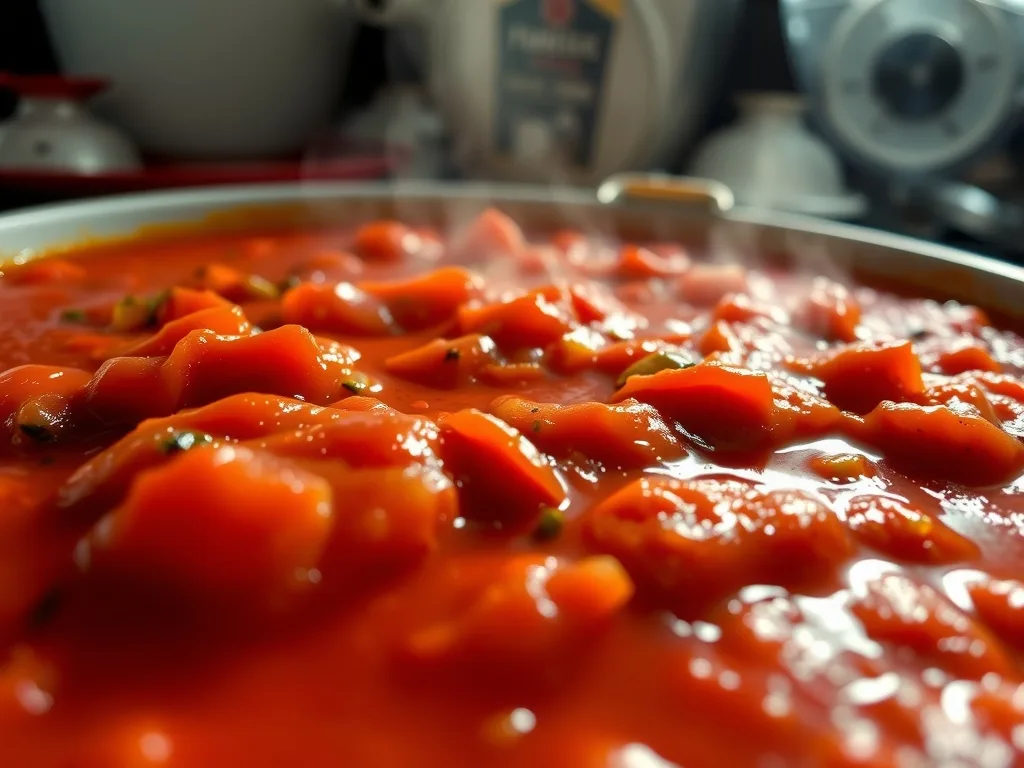
The optimum method for crafting a Classic Marinara Sauce begins with high‑quality canned crushed tomatoes, fresh garlic, and a gentle simmer that melds flavors without breaking down the tomatoes’ natural pectin. Start by sautéing minced garlic in extra‑virgin olive oil until fragrant, then deglaze with a splash of red wine or broth to build depth. Add the tomatoes, dried oregano, and basil, then let the mixture simmer uncovered for 30‑45 minutes, stirring occasionally to prevent sticking. Season with sea salt and freshly cracked black pepper, and finish with a knob of butter for a glossy finish. This slow, attentive cooking process yields a sauce that clings perfectly to pasta and retains a bright, balanced flavor profile, making it the gold standard for home cooks seeking authentic results.
What ingredients are needed for Classic Marinara Sauce?
A foundational Classic Marinara Sauce requires just five core ingredients: extra‑virgin olive oil, fresh garlic, crushed tomatoes, dried oregano, and dried basil. Optional enhancements include a pinch of red‑pepper flakes for subtle heat, a splash of dry red wine for added complexity, and a small knob of butter to enrich the finish. Using premium canned crushed tomatoes ensures a consistent, velvety texture, while fresh garlic provides aromatic depth. Each component is selected to complement the others, creating a harmonious blend that highlights the natural sweetness of the tomatoes and the herbal notes of oregano and basil. This simple yet potent combination is what defines an authentic marinara sauce.
Can Classic Marinara Sauce be made ahead of time?
Absolutely; Classic Marinara Sauce excels when prepared in advance because its flavors continue to develop and deepen after cooking. After simmering, allow the sauce to cool completely, then transfer it to airtight containers and refrigerate for up to five days. For extended storage, portion the sauce into freezer‑safe containers, leaving headspace, and freeze for up to three months. Thaw overnight in the refrigerator and reheat gently over low heat, adding a splash of water or broth if needed to restore consistency. The make‑ahead approach not only saves time but also enhances taste, as the herbs and tomatoes integrate more fully, delivering an even richer flavor when served. ### How should Classic Marinara Sauce be stored?
Proper storage preserves the bright, fresh character of Classic Marinara Sauce. Cool the sauce to room temperature, then place it in sterilized glass jars or BPA‑free plastic containers, sealing them tightly to limit exposure to air. Store in the refrigerator for up to five days, or freeze in portion‑sized containers for up to three months. When freezing, consider laying a thin layer of olive oil on the surface before sealing; this creates a protective barrier that maintains flavor and prevents oxidation. Thaw in the fridge overnight and reheat gently on the stovetop, stirring occasionally to keep the texture smooth and prevent scorching. These steps ensure that the sauce remains vibrant and ready for future culinary adventures.
Conclusion: Classic Marinara Sauce
We hope this deep dive into the art of Classic Marinara Sauce inspires you to bring a taste of Italy to your own kitchen. Whether you’re feeding a bustling family or preparing a cozy weeknight dinner, this sauce is a reliable, flavorful foundation that never disappoints. Share your results on social media, tag us, and let the community enjoy the aroma of fresh herbs and simmering tomatoes. Happy cooking, and may every spoonful bring warmth to your table!
You Might Also Like
- Amish Tomato Pie – The Best Comfort Dish to Try This Summer
- Smoked Meatloaf Recipe: Juicy & Flavorful
- Best Spicy Cajun Salmon Recipe – Quick & Flavorful Dinner Idea! 🐟🌶️✨
- Ultimate CrackerBarrel Meatloaf Recipe – Easy & Comforting Dish!
Find Us On Pinterest and Facebook.
Print
Classic Marinara Sauce
- Total Time: 35 minutes
- Yield: 4 servings 1x
- Diet: Vegetarian
Description
A simple, aromatic tomato sauce that elevates pasta, pizza, and more.
Ingredients
- 2 tbsp olive oil
- 4 cloves garlic, minced
- 28 oz crushed tomatoes
- 1 tsp dried oregano
- 1 tsp dried basil
- 1 tsp salt
- 0.5 tsp black pepper
Instructions
- Heat olive oil in a saucepan over medium heat.
- Add minced garlic and sauté until fragrant, about 1 minute.
- Stir in crushed tomatoes, oregano, and basil.
- Season with salt and black pepper.
- Simmer uncovered for 20‑25 minutes, stirring occasionally.
- Remove from heat and let cool slightly before serving.
Notes
Can be stored in the fridge for up to 5 days or frozen for 3 months.
- Prep Time: 10 minutes
- Cook Time: 25 minutes
- Category: Sauce
- Method: Stovetop
- Cuisine: Italian
Nutrition
- Serving Size: 1 cup
- Calories: 95 kcal
- Sugar: 3g
- Sodium: 350mg
- Fat: 4g
- Saturated Fat: 1g
- Unsaturated Fat: 3g
- Trans Fat: 0g
- Carbohydrates: 8g
- Fiber: 4.5g
- Protein: 2g
- Cholesterol: 0mg
Keywords: marinara, tomato sauce, Italian, vegetarian, quick