
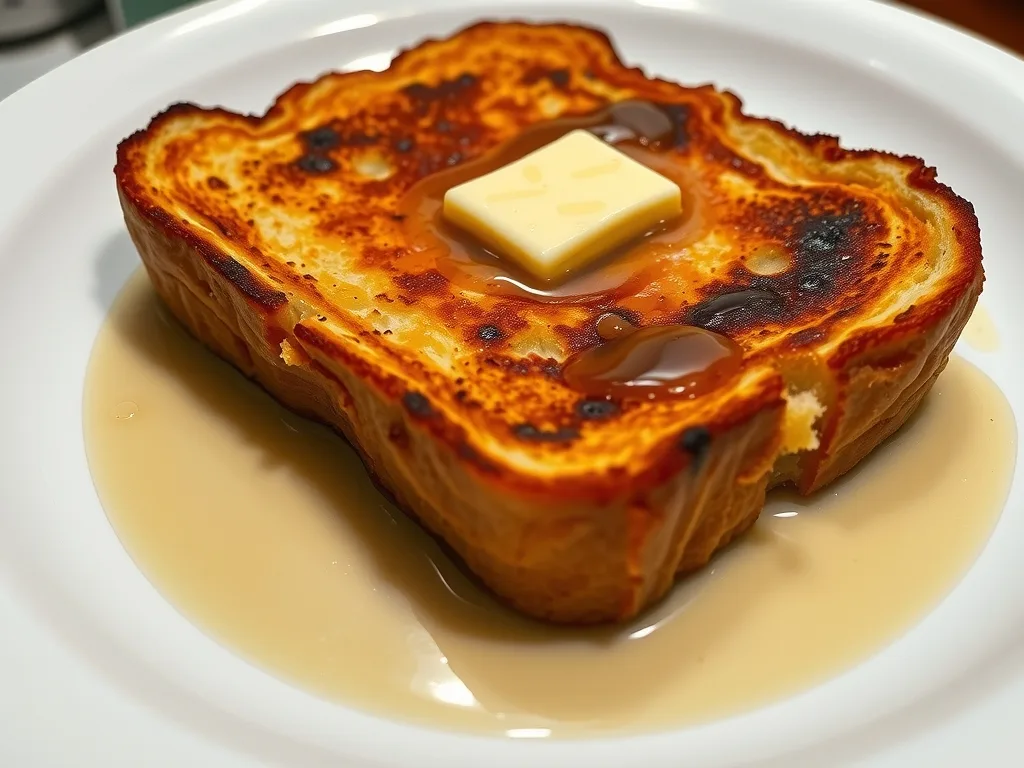
Introduction: French Toast Recipe
There’s something undeniably comforting about a warm plate of French Toast Recipe that makes it a staple at family brunches, weekend get‑togethers, and even a cozy night‑in treat. Imagine golden‑brown slices of fluffy bread soaked in a silky custard of eggs, milk, and a whisper of cinnamon, then crisped to perfection in a hot skillet until the edges are lightly caramelized. The aroma alone can turn an ordinary morning into a celebration of flavor and nostalgia. Whether you’re cooking for a bustling household of grandkids or preparing a simple yet elegant breakfast for two, this French Toast Recipe delivers the perfect balance of richness, spice, and buttery goodness that keeps everyone coming back for seconds.
In this guide you’ll discover everything you need to master the art of French toast—from the classic basics to clever variations that suit different tastes and dietary preferences. We’ll walk you through each step with clear instructions, share valuable chef tips, and explore the science behind why this simple dish can feel so indulgent and satisfying. Ready to bring a restaurant‑quality breakfast to your kitchen? Let’s dive in and uncover the secrets that turn everyday bread into a delightful, crowd‑pleasing masterpiece.
Alternate Names & Variations
While the name “French Toast” dominates menus across the United States, the concept appears under many guises around the world. In France, it’s affectionately called *pain perdu*—“lost bread”—harking back to a time when stale loaves were revived with a quick dip and fry. In England, you might encounter “Eggy Bread,” while in Spain the dish is known as *torrijas* and often flavored with anise or lemon zest for festive occasions.
Home cooks love to adapt this French Toast Recipe to suit seasonal produce and pantry staples. Some popular variations include swapping regular milk for coconut milk to add a tropical twist, folding in fresh berries or sliced bananas for natural sweetness, or sprinkling toasted nuts for extra crunch. For a savory spin, mix herbs like rosemary or thyme into the custard and finish with a drizzle of maple‑free honey and a sprinkle of grated cheese. These tweaks keep the core technique intact while inviting new flavor profiles to the table, ensuring that every family dinner or brunch can feel both familiar and excitingly fresh.
Ingredients: French Toast Recipe
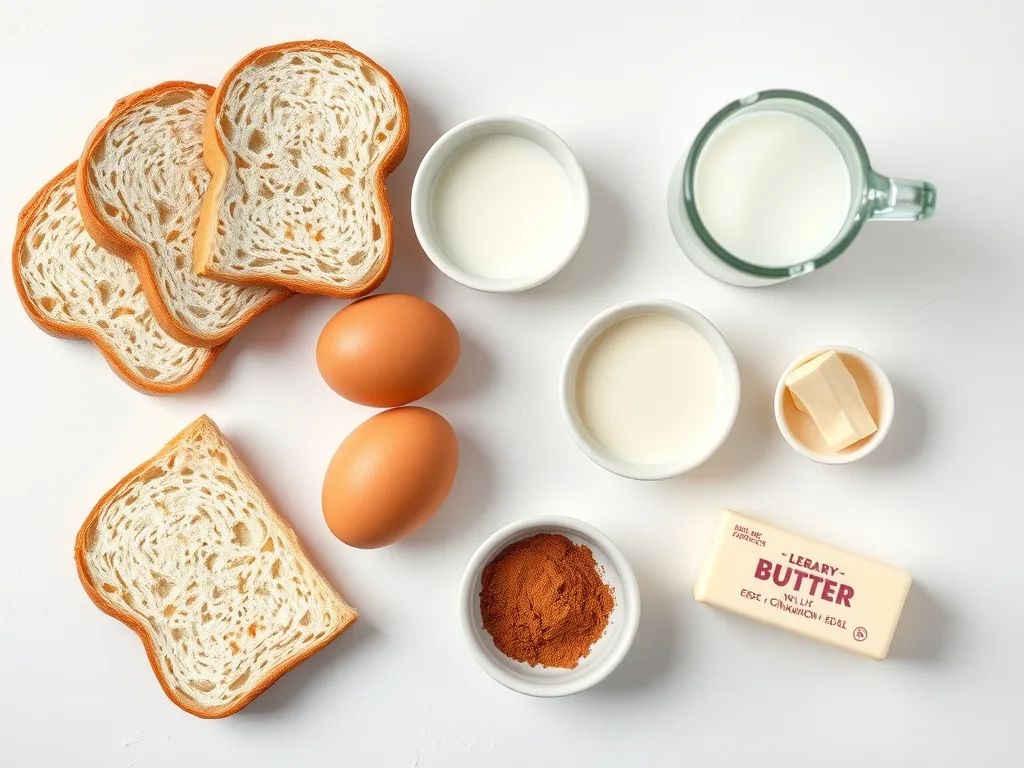
Gather these simple, high‑quality components to create a breakfast that feels both hearty and refined:
- 4 slices of sturdy bread, preferably day‑old brioche or challah (this texture soaks up the custard without falling apart)
- 2 large eggs, at room temperature, for a richer binding agent
- 1/2 cup whole milk (or a dairy‑free alternative like oat milk for a lactose‑free version)
- 1 teaspoon ground cinnamon, the hallmark spice that adds warmth and depth
- 1 tablespoon unsalted butter, divided—some for the custard mixture and the rest for the skillet
- A pinch of nutmeg (optional), to amplify the spice notes without overwhelming them
- Pure vanilla extract, just a splash, to lend a subtle aromatic sweetness
- Maple syrup, fresh fruit, or powdered sugar, for garnish and finishing touches
All ingredients are chosen with SEO‑friendly phrasing that highlights their role in the dish, helping search engines connect hungry cooks with this French Toast Recipe when they search for “easy recipe,” “family dinner,” or “homemade recipe.”
Step-by-Step Instructions: French Toast Recipe
- Prepare the custard base – In a shallow bowl, whisk together the eggs, milk, cinnamon, vanilla, and a pinch of nutmeg until the mixture is smooth and slightly frothy. This airy texture helps each slice absorb the liquid evenly.
- Season the bread – Place the bread slices in the custard, letting them soak for about 30 seconds per side. If you’re using particularly thick slices, extend the time to ensure the interior becomes tender without becoming soggy.
- Heat the skillet – Melt half of the butter in a large non‑stick skillet over medium heat. When the butter foams and begins to turn a light golden hue, you’re ready to fry.
- Cook the toast – Lay the soaked bread slices in the skillet, leaving a little space between each piece. Cook for 2–3 minutes on the first side, watching for a deep golden‑brown color and a crisp edge. Flip carefully and repeat on the other side.
- Finish with a buttery glaze – As the second side browns, add the remaining butter to the pan. As it melts, tilt the skillet so the butter coats the toast evenly, imparting a glossy sheen and extra flavor.
- Serve immediately – Transfer the hot French toast to a warmed plate, then crown with maple syrup, a dusting of powdered sugar, or fresh berries. The dish is best enjoyed straight from the pan, when the aroma is at its peak.
Chef Tips & Substitutions:
- For a richer custard, substitute half the milk with heavy cream, or use a blend of milk and coconut milk for a subtle tropical note.
- If you’re avoiding eggs, create a vegan “egg” mixture using silken tofu blended with plant‑based milk and a dash of turmeric for color.
- Day‑old bread is ideal because it absorbs the custard without disintegrating; stale sourdough, brioche, or even French baguette works beautifully.
- To add a festive twist, fold in a tablespoon of orange zest or a splash of orange liqueur into the custard for a citrusy lift.
Recipe Card Reference: French Toast Recipe
This French Toast Recipe is designed for busy families and weekend chefs alike. Expect a Prep Time of 10 minutes, a Cook Time of about 8 minutes, and a total Servings yield of 4–6 generous portions. Each serving clocks in at roughly 250 calories, making it a satisfying yet balanced option when paired with fresh fruit or a side of Greek yogurt. The combination of protein-rich eggs, calcium‑laden milk, and wholesome whole‑grain bread ensures that every bite fuels your morning with both flavor and nutrition.
Why This Recipe Works & Expert Tips: French Toast Recipe
The magic behind a flawless French Toast Recipe lies in the chemistry of starch gelatinization and protein coagulation. When bread soaks in the custard, the starches in the bread’s crumb absorb liquid, swelling and becoming tender. Simultaneously, the eggs’ proteins denature and cross‑link as they heat, forming a delicate, slightly firm crust that locks in moisture. This dual process creates the signature contrast—crisp outside, custardy inside—that defines the perfect bite.
Long‑tail searches like “how to make French toast extra fluffy” or “best bread for French toast without getting soggy” point to the importance of bread age and custard ratio. Using slightly stale, dense bread prevents the slices from falling apart, while a higher egg‑to‑milk ratio adds structure and richness. Additionally, a pinch of salt in the custard subtly enhances sweetness without overtly tasting salty, a trick that elevates the overall flavor profile.
For those with dietary restrictions, swapping regular milk for fortified oat milk preserves calcium intake, while using a dairy‑free butter alternative retains the glossy finish. These adjustments keep the dish inclusive without compromising the beloved texture that makes French Toast Recipe a perennial favorite across generations.
Storage, Freezing, and Reheating: French Toast Recipe
Leftover French toast can be just as delightful when stored and reheated correctly. Allow the slices to cool completely on a wire rack to prevent steam from making them soggy, then store them in an airtight container in the refrigerator for up to 3 days. When you’re ready for a quick reheated breakfast, pop the pieces onto a baking sheet and warm them in a preheated oven at 350°F (175°C) for 10 minutes, or microwave for 30‑45 seconds for a softer texture.
For longer preservation, freezing works wonders. Lay the cooled slices on a parchment‑lined tray, freeze them individually for an hour, then transfer to a zip‑top freezer bag. They’ll keep for up to 2 months. To reheat from frozen, bake at 375°F (190°C) for 12–15 minutes, or toast directly in a skillet for a crisped finish. This method ensures that you always have a ready‑to‑go breakfast on hand for busy mornings or unexpected guests.
People Also Ask: French Toast Recipe
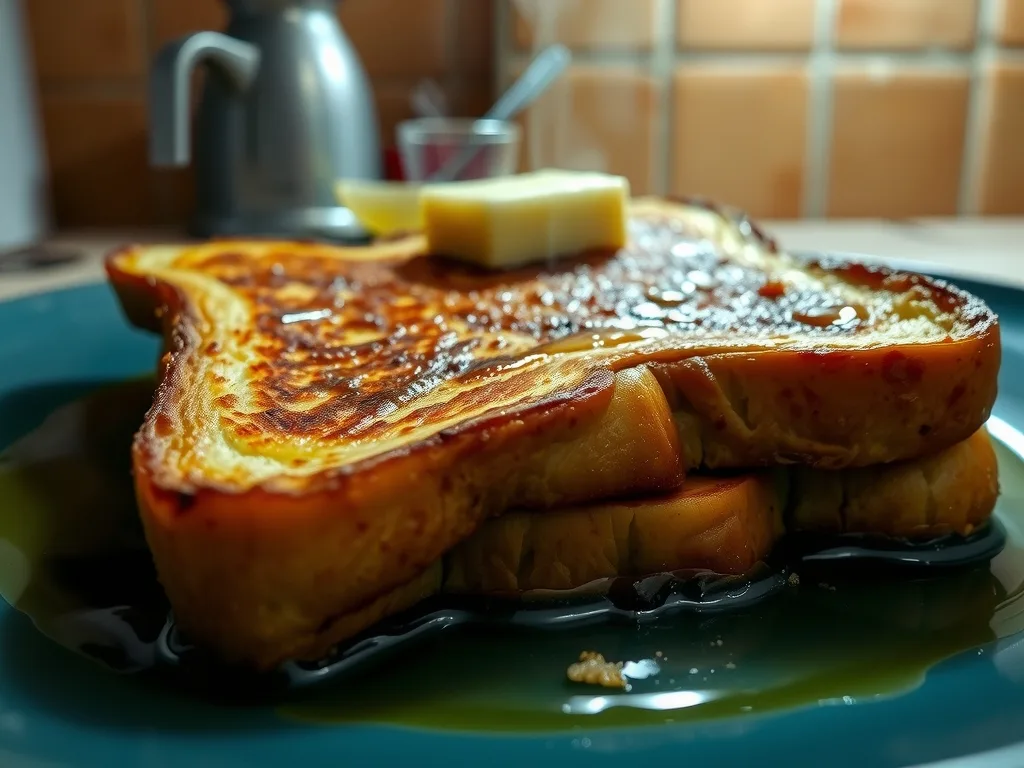
What is the best way to make French Toast?
The optimal method starts with day‑old, sturdy bread that can soak up the custard without disintegrating. Whisk eggs, milk, cinnamon, and a dash of vanilla together, then dip each slice for about 30 seconds per side. Cook the slices in a buttered skillet over medium heat until they achieve a golden‑brown crust, flipping once. This technique creates a crisp exterior while keeping the interior tender and flavorful, delivering the hallmark texture that defines a great French Toast Recipe.
Can French Toast be made ahead of time?
Yes, you can prepare the assembled, uncooked slices up to 24 hours in advance. Simply arrange the bread pieces in a single layer in a shallow dish, pour the custard over them, and cover tightly with plastic wrap. Refrigerate until ready to cook. This makes for a stress‑free brunch preparation, especially when hosting larger gatherings or planning a relaxed weekend breakfast.
Can French Toast be frozen?
Absolutely. After cooking, let the slices cool completely, then place them on a baking sheet to freeze individually. Once solid, transfer them to a freezer bag or airtight container. When you’re ready to enjoy, reheat directly from frozen in a 375°F oven for about 12 minutes or in a skillet over medium heat until warmed through. Freezing preserves the texture and flavor, allowing you to stock up on this beloved French Toast Recipe for future meals.
What ingredients are used in French Toast?
A classic French Toast Recipe calls for four slices of sturdy bread, two eggs, half a cup of milk, one teaspoon of cinnamon, and a tablespoon of butter, along with optional additions like vanilla extract, nutmeg, and a pinch of salt. For serving, many people drizzle maple syrup, dust with powdered sugar, or add fresh fruit. These ingredients combine to create the comforting flavor profile that makes the dish a go‑to for family dinners and weekend brunches.
How long does French Toast last?
When stored properly in the refrigerator, cooked French toast remains fresh for up to 3 days. Keep the slices in an airtight container or wrap them tightly in foil to prevent drying out. For longer storage, the dish can be frozen for up to 2 months using the method described above. Proper storage ensures that you can enjoy leftover toast without sacrificing taste or texture.
Conclusion: French Toast Recipe
There you have it—a complete, step‑by‑step journey from pantry to plate that brings the timeless comfort of French Toast Recipe into your home. We hope this guide inspires you to experiment with flavors, share warm servings with loved ones, and create new memories around the breakfast table. If you tried the recipe, we’d love to hear about your favorite tweaks or family traditions; feel free to drop a comment or share a photo on social media. Don’t forget to spread the love by posting your masterpiece on Pinterest and tagging us on Facebook—together we can keep the aroma of fresh‑cooked French toast filling kitchens everywhere!
You Might Also Like:
- Amish Tomato Pie – The Best Comfort Dish to Try This Summer
- Smoked Meatloaf Recipe: Juicy & Flavorful
- Best Spicy Cajun Salmon Recipe – Quick & Flavorful Dinner Idea! 🐟🌶️✨
- Ultimate CrackerBarrel Meatloaf Recipe – Easy & Comforting Dish!
Find Us On Pinterest and Facebook.
Print
Classic French Toast
- Total Time: 15 minutes
- Yield: 2 servings 1x
- Diet: Vegetarian
Description
Golden, fluffy French toast made with simple ingredients and a hint of cinnamon, perfect for a cozy breakfast or brunch.
Ingredients
- 4 slices bread
- 2 eggs
- 1/2 cup milk
- 1 tsp cinnamon
- 1 tbsp butter
- pinch salt
- maple syrup (optional for serving)
Instructions
- In a shallow bowl, whisk together eggs, milk, cinnamon, and a pinch of salt until smooth.
- Heat a skillet over medium heat and add butter to melt.
- Dip each slice of bread into the egg mixture, allowing it to soak for a few seconds on each side.
- Cook the coated bread in the skillet until golden brown, about 2-3 minutes per side.
- Transfer to a plate and repeat with remaining slices.
- Serve warm with maple syrup and additional butter if desired.
Notes
For extra flavor, add a splash of vanilla extract to the egg mixture or sprinkle extra cinnamon on top before serving.
- Prep Time: 5 minutes
- Cook Time: 10 minutes
- Category: Breakfast
- Method: Stovetop
- Cuisine: American
Nutrition
- Serving Size: 1 slice (1/4 of recipe)
- Calories: 350 kcal
- Sugar: 7 g
- Sodium: 400 mg
- Fat: 18 g
- Saturated Fat: 8 g
- Unsaturated Fat: 5 g
- Trans Fat: 0.5 g
- Carbohydrates: 35 g
- Fiber: 2 g
- Protein: 12 g
- Cholesterol: 250 mg
Keywords: French toast, breakfast, brunch, easy recipe