
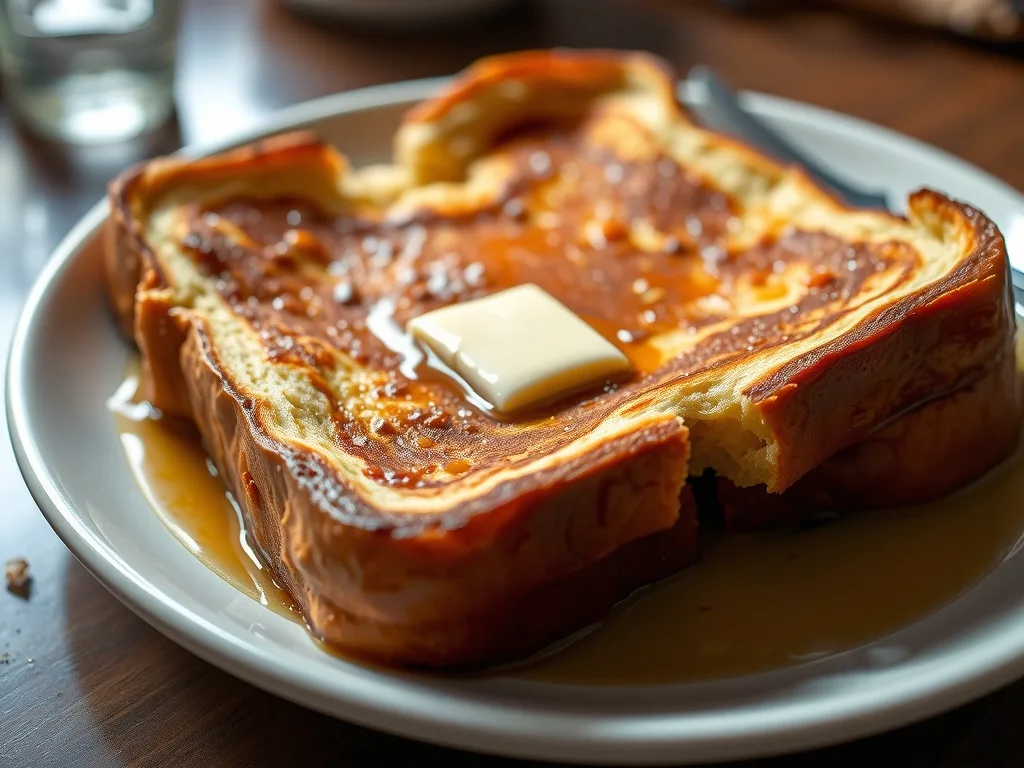
Introduction: French Toast
There is something undeniably comforting about a warm stack of French Toast that drifts from the kitchen to the dining table, especially when it’s made with love and a few simple secrets. Whether you’re feeding a bustling family on a lazy Sunday morning or treating yourself to a nostalgic brunch, the right French Toast recipe can turn ordinary ingredients into a golden‑brown masterpiece that crackles at the edges and melts in the middle. In this article we’ll explore why this classic dish has stood the test of time, how to master the perfect texture, and the little tweaks that elevate it from everyday breakfast to a cherished family favorite.
You’ll discover a step‑by‑step method that is easy enough for beginners yet refined enough to impress seasoned brunch lovers. We’ll discuss the best bread choices, the ideal egg‑milk mixture, and the subtle spice blend that adds depth without overwhelming the palate. Plus, we’ll share expert tips on storage, reheating, and even make‑ahead strategies so you can enjoy flawless French Toast any day of the week. Ready to flip the script on your breakfast routine? Let’s dive in and uncover the magic behind the ultimate French Toast experience.
Alternate Names & Variations
French Toast is known by many delightful names around the world, each hinting at a regional twist. In France it’s called *pain perdu* – “lost bread” – a nod to the tradition of rescuing stale loaves. In Belgium, you’ll hear it referred to as *French Toast* with a richer custard that often includes a splash of orange liqueur. Across the pond, some call it *egg bread* or *golden French toast*, especially when it’s served with a drizzle of caramel or a dusting of powdered sugar. These variations share a common foundation but differ in texture, sweetness, and serving style, offering endless possibilities for personalization.
When adapting the classic recipe, consider swapping in different breads such as sour dough, whole‑grain, or even cinnamon raisin to change the flavor profile. You can also alter the custard by adding nutmeg, a hint of orange zest, or a spoonful of maple syrup for a subtle sweetness. For a savory spin, incorporate grated cheese, fresh herbs, or a pinch of smoked paprika, turning French Toast into a brunch centerpiece that pairs beautifully with smoked salmon or avocado. The versatility of French Toast makes it a perfect canvas for creative twists while still honoring the comforting essence that has made it a staple for generations.
Ingredients: French Toast
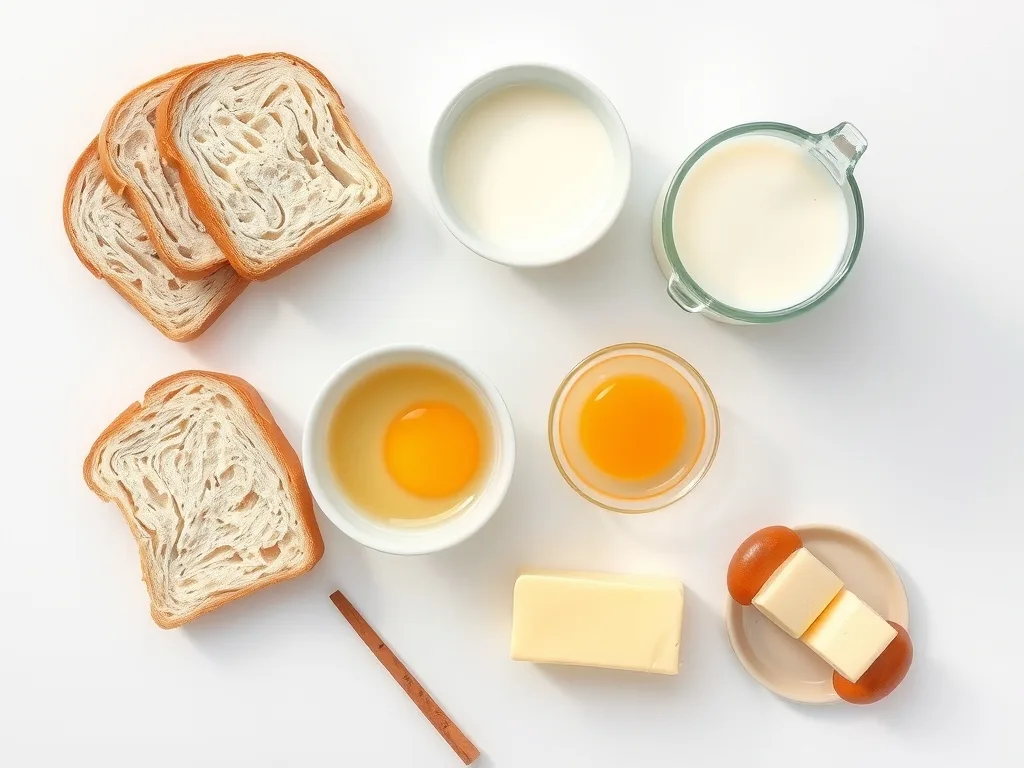
- Bread: 4 slices of day‑old brioche or challah, cut about 1‑inch thick for a sturdy yet tender base
- Eggs: 2 large, beaten until fully incorporated
- Whole Milk: ½ cup, providing richness and a silky coating
- Ground Cinnamon: 1 teaspoon, delivering warm aromatic notes
- Vanilla Extract: 1 teaspoon of pure extract for depth of flavor
- Unsalted Butter: 1 tablespoon for pan‑frying, plus extra for serving on top
- Granulated Sugar (optional): 1 teaspoon, for a light caramelization when desired
- Powdered Sugar & Fresh Berries: For optional garnish and visual appeal
These ingredients are chosen for their ability to create a crisp exterior while preserving a soft, custardy interior. Using day‑old bread ensures it absorbs the custard without falling apart, while whole milk adds a luxurious mouthfeel that low‑fat alternatives can’t match. The combination of cinnamon and vanilla creates a familiar, comforting aroma that signals a delicious breakfast ahead, making every bite feel both familiar and special.
Step-by-Step Instructions: French Toast
- Prepare the custard mixture: In a shallow bowl, whisk together the eggs, whole milk, cinnamon, vanilla, and optional sugar until smooth, creating a glossy coating that will cling to each bread slice.
- Heat the skillet: Place a non‑stick skillet over medium heat and add 1 tablespoon of butter, allowing it to melt and foam without browning, which ensures an even sear. 3. Dip the bread: Submerge each slice of bread in the custard for about 15 seconds per side, making sure both surfaces are fully coated but not soggy.
- Cook the first side: Lay the coated slices in the hot skillet, cooking for 2–3 minutes until golden brown, then gently flip with a spatula. 5. Cook the second side: Continue cooking for another 2–3 minutes, pressing lightly with the spatula to encourage even browning and a crisp crust.
- Monitor temperature: Keep the heat at a steady medium; too high will burn the exterior before the interior warms, while too low will leave the toast pale and undercooked.
- Add finishing touches: Once all slices are cooked, transfer them to a warmed plate and dust with powdered sugar, or drizzle with maple syrup and fresh berries for a delightful presentation.
- Serve immediately: French Toast is best enjoyed hot, straight from the skillet, while the edges are still slightly crisp and the center remains luxuriously soft. Chef’s Tips & Substitutions: If you’re avoiding dairy, replace whole milk with oat milk or almond milk and use a plant‑based butter for frying. For extra fluffiness, separate the eggs, whisk the yolks into the custard, then fold in stiffly beaten whites just before dipping. Gluten‑free bread works beautifully as well—just ensure it’s sturdy enough to hold the custard without disintegrating.
Recipe Card Reference: French Toast
This beloved French Toast recipe requires approximately 15 minutes of preparation, 10 minutes of cooking, and yields 4 generous servings, making it perfect for a family brunch or a cozy weekend treat. Each serving averages around 320 calories, delivering a balanced mix of protein, carbohydrates, and a touch of indulgent richness that satisfies without feeling heavy. The straightforward timing ensures you can easily fit this dish into a busy morning schedule while still enjoying a homemade breakfast that tastes like it took hours to prepare.
Why This Recipe Works & Expert Tips: French Toast
The secret to an outstanding French Toast lies in the balance between the custard ratio and the type of bread used. A higher proportion of eggs to milk creates a richer coating that adheres better and yields a silkier interior, while day‑old bread absorbs the mixture slowly, preventing sogginess. By incorporating a pinch of nutmeg alongside cinnamon, you add depth without overwhelming the palate, appealing to those who enjoy subtle spice nuances. Additionally, cooking at a controlled medium heat allows the bread to develop a golden crust while staying tender inside, delivering that coveted contrast that keeps diners reaching for another bite.
These techniques are rooted in food science: the proteins in the eggs coagulate at lower temperatures, forming a gentle set that traps moisture, while the starches in the bread gelatinize slowly, preserving structure. Substituting a small amount of cream for part of the milk can increase richness, but it also raises calorie content—so a mindful swap maintains the desired texture without compromising health goals. The result is a consistently perfect French Toast that impresses both casual diners and culinary enthusiasts alike. ## Storage, Freezing, and Reheating
Leftover French Toast can be stored safely in the refrigerator for up to three days. Place the slices in an airtight container or wrap them tightly in plastic wrap to retain moisture and prevent them from absorbing other fridge odors. When reheating, the oven method works best: preheat to 350°F, arrange the toast on a baking sheet, and heat for 10 minutes, which restores crispness without making the bread rubbery. Microwave reheating is faster but can soften the crust, so if you prefer a firmer texture, the oven or a quick skillet finish is recommended.
For longer preservation, French Toast freezes beautifully. Lay the cooled slices on a baking sheet in a single layer and freeze for about an hour, then transfer them to a zip‑top freezer bag. They’ll keep for up to two months. To reheat from frozen, bake at 375°F for 15–20 minutes, or toast directly in a toaster oven for a quick crunch. These storage tips ensure you always have a ready‑to‑serve breakfast option, reducing waste and saving time on busy mornings.
People Also Ask: French Toast
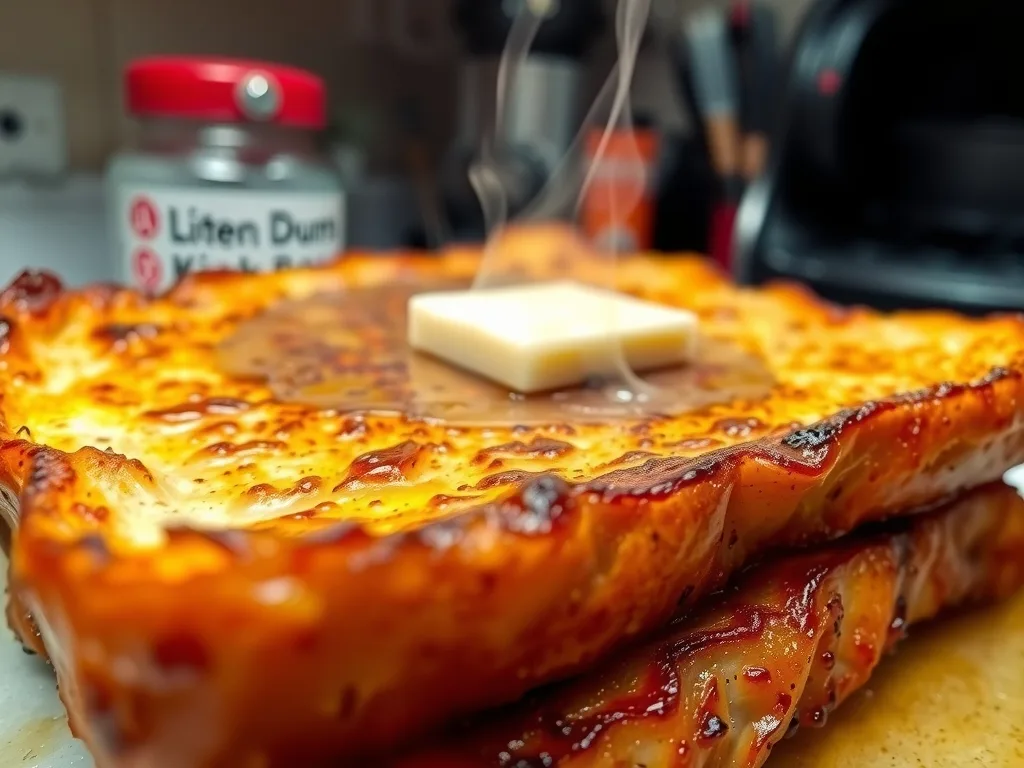
What is the best way to make French Toast?
The optimal method for French Toast involves using thick‑cut, slightly stale bread that can soak up the egg‑milk mixture without disintegrating, then cooking it in a well‑heated skillet with butter to achieve a crisp, golden exterior while keeping the interior tender and custardy. This combination creates the signature texture contrast that defines a perfect French Toast experience for breakfast lovers.
What ingredients are needed for French Toast? A classic French Toast recipe calls for 4 slices of enriched bread such as brioche or challah, 2 eggs, ½ cup of whole milk, 1 teaspoon of ground cinnamon, 1 teaspoon of vanilla extract, and 1 tablespoon of unsalted butter for cooking. Optional additions include a pinch of sugar for caramelization, powdered sugar for dusting, and fresh berries or syrup for serving, all of which enhance flavor and presentation. ### Can French Toast be made ahead of time?
Yes, French Toast can be fully prepared in advance. After cooking, allow the slices to cool, then store them in an airtight container in the refrigerator for up to three days. When ready to serve, reheat them in a preheated oven at 350°F for about 10 minutes to restore crispness, ensuring they taste freshly made despite being prepared earlier.
How should French Toast be stored?
Store cooked French Toast in the refrigerator within an airtight container or tightly wrapped in plastic wrap to maintain moisture and prevent odor absorption. For longer storage, freeze the slices on a baking sheet before transferring to a freezer bag, where they’ll keep for up to two months. Proper storage preserves flavor and texture, making reheating a quick and satisfying option.
What can be served with French Toast?
Traditional accompaniments include warm maple syrup, powdered sugar, fresh berries, sliced bananas, or a dollop of whipped cream. For a savory twist, pair French Toast with sautéed mushrooms, crisp bacon, or smoked salmon, and finish with a sprinkle of fresh herbs. These options allow you to customize the dish to suit sweet or savory preferences, making it versatile for any brunch setting.
Conclusion: French Toast
We hope this deep dive into the world of French Toast inspires you to bring a touch of golden comfort to your kitchen. With the right blend of technique, quality ingredients, and creative flair, you can transform a simple breakfast staple into a memorable family tradition. Feel free to share your own twists, whether it’s a dash of orange zest, a sprinkle of toasted nuts, or a drizzle of flavored syrup, and let us know how your perfect French Toast turns out.
Don’t forget to spread the love on social media—tag us with your favorite photos and let fellow brunch enthusiasts discover new ways to enjoy this timeless dish. Happy cooking, and may every bite bring warmth and joy to your table! ## You Might Also Like
- Amish Tomato Pie – The Best Comfort Dish to Try This Summer
- Smoked Meatloaf Recipe: Juicy & Flavorful
- Best Spicy Cajun Salmon Recipe – Quick & Flavorful Dinner Idea! 🐟🌶️✨
- Ultimate CrackerBarrel Meatloaf Recipe – Easy & Comforting Dish!
Find Us On Pinterest and Facebook.
Print
Classic French Toast
- Total Time: 15 minutes
- Yield: 4 servings 1x
- Diet: Vegetarian
Description
Golden, fluffy French toast made with simple pantry staples, perfect for a cozy breakfast or brunch.
Ingredients
- 4 slices bread
- 2 large eggs
- 1/2 cup milk
- 1 tsp ground cinnamon
- 1 tbsp butter
- 1 tbsp sugar
- 1 tsp vanilla extract
- pinch of salt
Instructions
- In a shallow bowl, whisk together the eggs, milk, cinnamon, vanilla extract, sugar, and salt.
- Heat a skillet over medium heat and add 1 tbsp butter, letting it melt and coat the pan.
- Dip each slice of bread into the egg mixture, allowing it to soak for a few seconds on each side.
- Place the soaked bread slices in the hot skillet and cook until golden brown, about 2-3 minutes per side.
- Transfer the cooked French toast to a serving plate and repeat with any remaining slices.
- Serve warm with maple syrup and fresh fruit if desired.
Notes
For extra crispiness, use slightly stale bread. Adjust sweetness by varying the sugar amount.
- Prep Time: 10 minutes
- Cook Time: 5 minutes
- Category: Breakfast
- Method: Stovetop
- Cuisine: American
Nutrition
- Serving Size: 1 serving
- Calories: 156kcal
- Sugar: 8g
- Sodium: 155mg
- Fat: 6g
- Saturated Fat: 2g
- Unsaturated Fat: 4g
- Trans Fat: 0g
- Carbohydrates: 13g
- Fiber: 2g
- Protein: 6g
- Cholesterol: 93mg
Keywords: breakfast, brunch, comfort food