
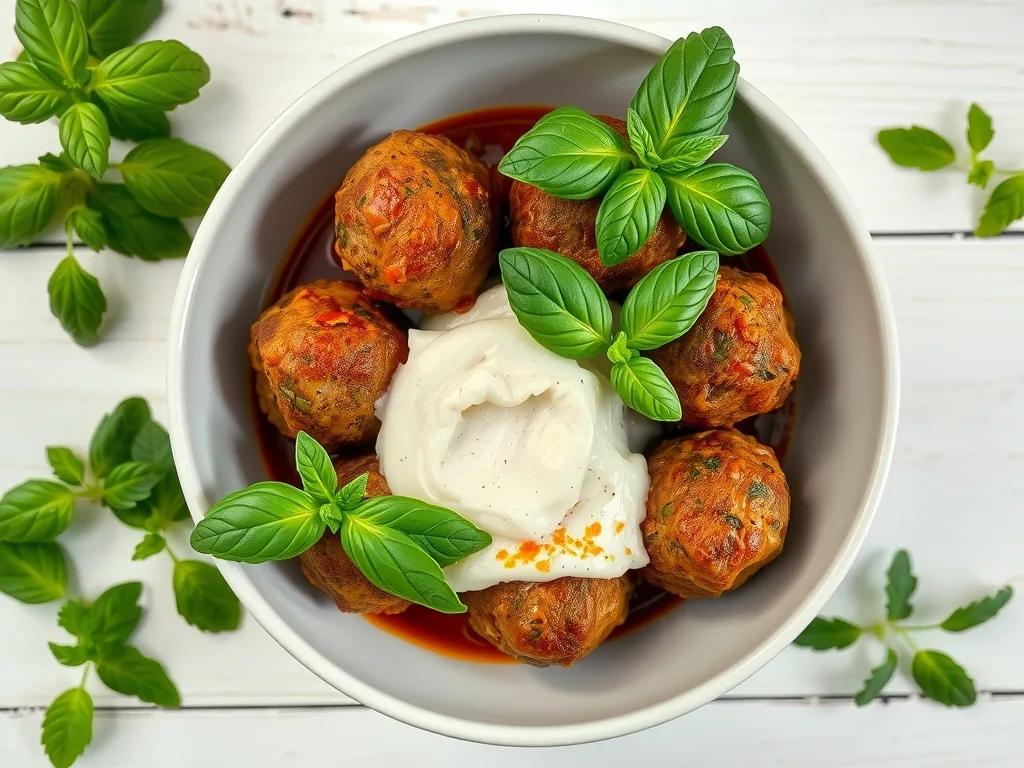
Gluten FreeMeatballs with Ground Turkey: Juicy, Flavorful, and Easy Baked Recipe There’s something undeniably satisfying about a plate of tender meatballs nestled in marinara or served over a bed of fluffy quinoa. For those avoiding gluten, finding a meatball recipe that stays moist, holds together, and bursts with herbaceous flavor can feel like a culinary quest. The good news is that ground turkey, when treated with the right binders and seasonings, creates gluten free meatballs that are just as juicy and satisfying as their traditional counterparts. Unlike beef or pork, turkey is a lean protein that benefits from added moisture and fat, which we achieve through olive oil and a touch of egg. This approach not only respects gluten‑free needs but also keeps the dish light enough for everyday enjoyment.
This recipe leans on fresh herbs — basil, thyme, and parsley — along with a touch of onion and garlic to build depth without relying on breadcrumbs. Instead, we use a simple mixture of olive oil and an egg (or a flax egg for a stricter AIP version) to bind the turkey, ensuring each bite stays tender from oven to table. The herbs bring bright, aromatic notes that complement the mild turkey, while the onion adds a subtle sweetness and the garlic provides a gentle warmth. A pinch of red pepper flakes introduces a subtle heat that can be adjusted to suit your palate, while still keeping the recipe AIP‑friendly if omitted. Together, these ingredients create a flavor profile that feels both familiar and exciting, making the meatballs perfect for everything from a quick weeknight dinner to a celebratory buffet spread.
Below, you’ll find a step‑by‑step guide that walks you through mixing, shaping, and baking the meatballs to golden perfection. We’ll also share expert tips for keeping them moist, variations for different dietary needs, and storage ideas so you can enjoy leftovers all week. Whether you’re preparing a family‑style spaghetti night, meal‑prepping lunches, or looking for a crowd‑pleasing appetizer, these gluten free turkey meatballs deliver flavor, texture, and convenience in every bite. They also freeze beautifully, making them a smart choice for batch cooking and future meals. Let’s roll up our sleeves and discover how easy gluten free cooking can be.
Alternate Names & Variations
These savory bites are often referred to as gluten free turkey meatballs, baked turkey meatballs gluten free, or moist gluten free turkey meatballs. Because they rely on herbs and olive oil rather than breadcrumbs, you’ll also see them described as turkey meatballs without breadcrumbs. The core concept remains the same: a tender, protein‑rich ball that holds its shape during baking while staying juicy inside.
Feel free to swap the fresh basil for an equal amount of chopped spinach or kale for a greener twist. If you tolerate dairy, a sprinkle of grated Parmesan or Pecorino adds umami depth. For a low‑FODMAP version, replace the onion with the green tops of scallions and use garlic‑infused olive oil. You can also experiment with different ground meats — chicken, lean pork, or even a blend of turkey and beef — while keeping the binder ratio the same to maintain moisture.
Ingredients
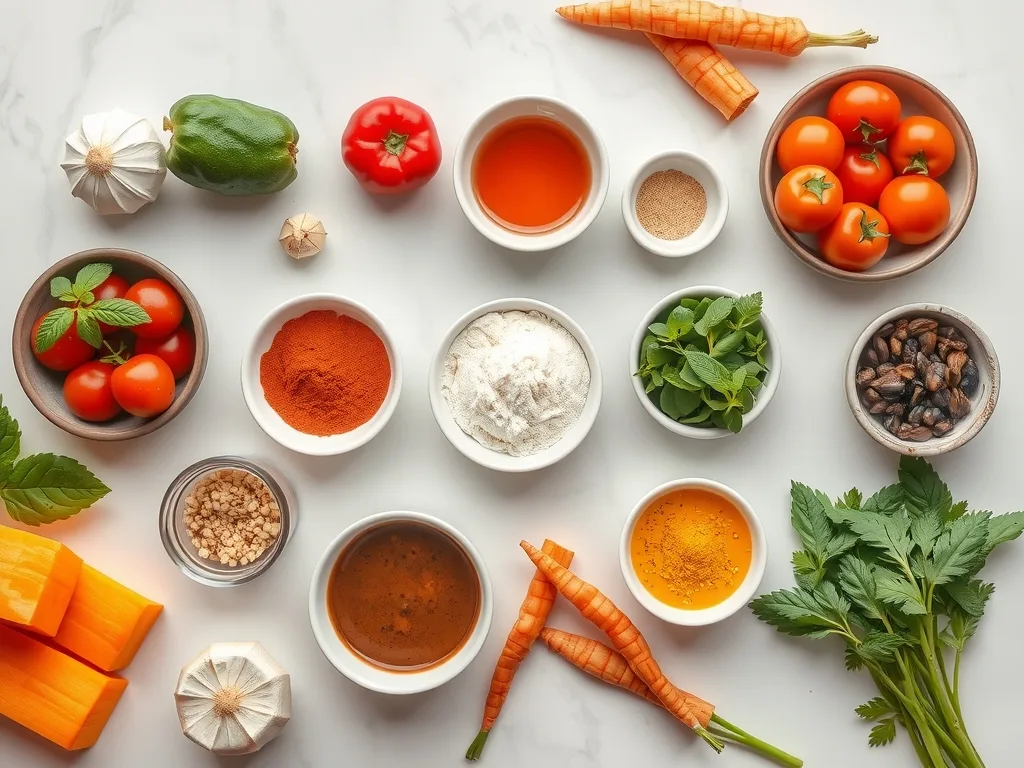
– ¼ cup fresh basil leaves, loosely packed – 1 TBSP fresh thyme leaves
– 1 TBSP fresh parsley, chopped
– 1 medium yellow onion, roughly chopped
– 3 cloves garlic
– 1 lb ground turkey (93 % lean)
– 1.25 tsp sea salt
– ½ tsp dried oregano
– ½ tsp black pepper (omit for Core AIP)
– ¼ tsp red pepper flakes (optional, omit for AIP)
– 1.5 TBSP olive oil
*Note: The script will place an image immediately after this header.*
Step-by-Step Instructions
1. Preheat the oven to 400 °F (200 °C) and line a large baking sheet with parchment paper or a silicone mat. This prevents sticking and ensures even browning.
2. Prepare the aromatics: Place the basil, thyme, parsley, onion, and garlic in a food processor. Pulse until finely chopped but not pureed — about 5‑6 pulses. Transfer to a large mixing bowl.
3. Add the meat and binders: To the bowl, add the ground turkey, sea salt, oregano, black pepper (if using), red pepper flakes (if using), and olive oil. If you follow a strict AIP protocol, replace the egg with a flax egg (1 TBSP ground flaxseed mixed with 3 TBSP water, let sit 5 minutes). Otherwise, add one large egg.
4. Mix gently: Using your hands or a silicone spatula, combine the ingredients just until evenly distributed. Over‑mixing can make the meatballs tough, so stop as soon as you see no streaks of raw turkey.
5. Form the meatballs: Scoop roughly 1‑tablespoon portions of the mixture and roll between your palms to form smooth balls. Aim for uniform size (about 1‑inch diameter) to ensure consistent cooking. Place the balls on the prepared sheet, leaving a little space between them.
6. Bake: Slide the sheet into the preheated oven and bake for 18‑20 minutes, or until the internal temperature reaches 165 °F (74 °C) and the exterior is lightly golden. For extra browning, switch to broil for the last 2 minutes, watching closely to avoid burning.
7. Rest and serve: Remove the meatballs from the oven and let them rest for 5 minutes. This allows the juices to redistribute, keeping each bite moist. Serve immediately with your favorite gluten‑free marinara, over zucchini noodles, or as a protein boost in soups and salads.
8. Chef’s tip: For a crispier exterior, lightly spray the meatballs with olive oil before baking. If you prefer a softer texture, cover the pan loosely with foil for the first 10 minutes of baking, then uncover to finish.
Recipe Card Reference Prep time is approximately 15 minutes, cook time is about 20 minutes, yielding roughly 18‑20 meatballs that serve 4 people. Each serving (about 4‑5 meatballs) contains roughly 250 calories, 22 g of protein, 12 g of fat, and 4 g of carbohydrates, making it a satisfying yet light option for gluten‑free meal plans.
Why This Recipe Works & Expert Tips
The success of these gluten free meatballs hinges on balancing lean turkey with moisture‑rich binders and aromatic herbs. Ground turkey lacks the fat content of beef or pork, so the olive oil and egg (or flax egg) supply the necessary fat and protein network to prevent dryness while providing structure without gluten‑containing breadcrumbs. The fresh basil, thyme, and parsley not only add flavor but also contribute antioxidants, supporting overall wellness — a key consideration for the 40‑65+ demographic seeking nutritious comfort food.
Using a food processor to finely mince the onion and garlic distributes their flavor evenly throughout the mixture, eliminating large chunks that could create weak points in the meatball’s structure. The brief pulse ensures the vegetables retain a slight texture, which helps the meatballs hold together during baking.
A common pitfall is over‑mixing the turkey, which develops the protein strands too tightly, resulting in a rubbery bite. By mixing just until combined, you preserve the tender crumb that makes each meatball melt‑in‑your‑mouth. Additionally, resting the meatballs after baking allows the internal juices to settle, ensuring that the first bite is as juicy as the last.
For those following an AIP or low‑FODMAP protocol, simply omit the black pepper and red pepper flakes, and replace the egg with a flax egg. The meatballs will still bind effectively because the flaxseed forms a gel that mimics the egg’s binding properties.
Finally, baking at a moderate temperature (400 °F) cooks the meatballs through without drying the exterior, while a quick broil at the end adds a appealing caramelized crust. This two‑stage approach delivers the best of both worlds: a moist interior and a lightly crisp outside. ## Storage, Freezing, and Reheating
Store leftover meatballs in an airtight container in the refrigerator for up to four days. To reheat, place them in a microwave‑safe dish, cover loosely with a damp paper towel, and heat on medium power for 1‑2 minutes, or until warmed through. For a crispier finish, transfer the meatballs to a preheated 350 °F oven for 8‑10 minutes, turning once halfway through. If you plan to freeze them, arrange the cooled meatballs on a baking sheet in a single layer and freeze for about an hour until solid. Then transfer the frozen balls to a zip‑top freezer bag or airtight container, labeling with the date. They will keep their quality for up to three months. To reheat from frozen, bake directly on a sheet pan at 375 °F for 20‑25 minutes, or until the internal temperature reaches 165 °F. No thawing is required, making them a convenient option for busy weeknights.
People Also Ask
*Note: The script will place an image immediately after this header.*
How do you bind gluten-free meatballs without breadcrumbs?
The binding power in these meatballs comes from a combination of olive oil and either a fresh egg or a flax egg for an AIP‑friendly alternative. The olive oil adds fat that helps the proteins cohere, while the egg’s proteins coagulate during heating, forming a network that holds the meatball together. Flaxseed, when mixed with water, creates a viscous gel that mimics the egg’s binding properties, providing structure without any gluten. This method ensures the meatballs stay intact during baking while keeping the interior tender and moist. ### How do you keep turkey meatballs from getting dry?
Ground turkey is naturally lean, so incorporating moisture‑rich ingredients is essential. The olive oil in the mixture supplies healthy fats that lubricate the protein fibers as they cook. Additionally, the egg (or flax egg) contributes water and protein that help retain moisture during the baking process. Resting the meatballs for five minutes after they come out of the oven allows the internal juices to redistribute, preventing them from spilling out when sliced. Finally, avoid overcooking by using a meat thermometer and removing the meatballs at 165 °F, which is the safe internal temperature for poultry while still keeping them juicy.
What is the best way to cook turkey meatballs? Baking at a moderate temperature — 400 °F — provides even heat that cooks the meatballs through without drying the exterior. This method allows the fats from the olive oil and egg to render gently, basting the meatballs from within. For those who prefer a bit more color, switching to the broiler for the final two minutes adds a delicate caramelized crust while keeping the interior moist. Baking also eliminates the need for added oil in a pan, making it a lower‑fat option compared to frying, and it yields consistent results for batch cooking.
Can you make gluten-free meatballs ahead of time?
Absolutely. You can prepare the meatball mixture up to 24 hours in advance, cover it tightly, and store it in the refrigerator until you’re ready to shape and bake. This advance prep actually allows the flavors to meld, resulting in even more aromatic meatballs. If you want to get even further ahead, shape the raw meatballs and freeze them on a tray before transferring to a freezer bag; they’ll keep for up to three months. When you’re ready to eat, simply bake them from frozen or thawed, following the same cooking times, making them a perfect make‑ahead solution for meal‑planning or entertaining.
Conclusion
These gluten free meatballs with ground turkey prove that healthy eating doesn’t have to sacrifice flavor or comfort. With a simple mix of fresh herbs, olive oil, and a reliable binder, you get juicy, tender bites that are perfect for family dinners, meal prep, or entertaining guests. Give them a try, share your creations on social media, and tag us so we can see how you’ve enjoyed this recipe. Happy cooking!
You Might Also Like
– [Gluten Free Zucchini Noodles with Turkey Bolognese](link)
– [Easy Gluten Free Turkey Meatloaf](link)
– [Healthy Turkey and Sweet Potato Skillet](link)
– [Gluten Free Italian Herb Roasted Chicken](link) – [Low Carb Turkey Lettuce Wraps](link)
– [Gluten Free Quinoa Stuffed Bell Peppers](link)