
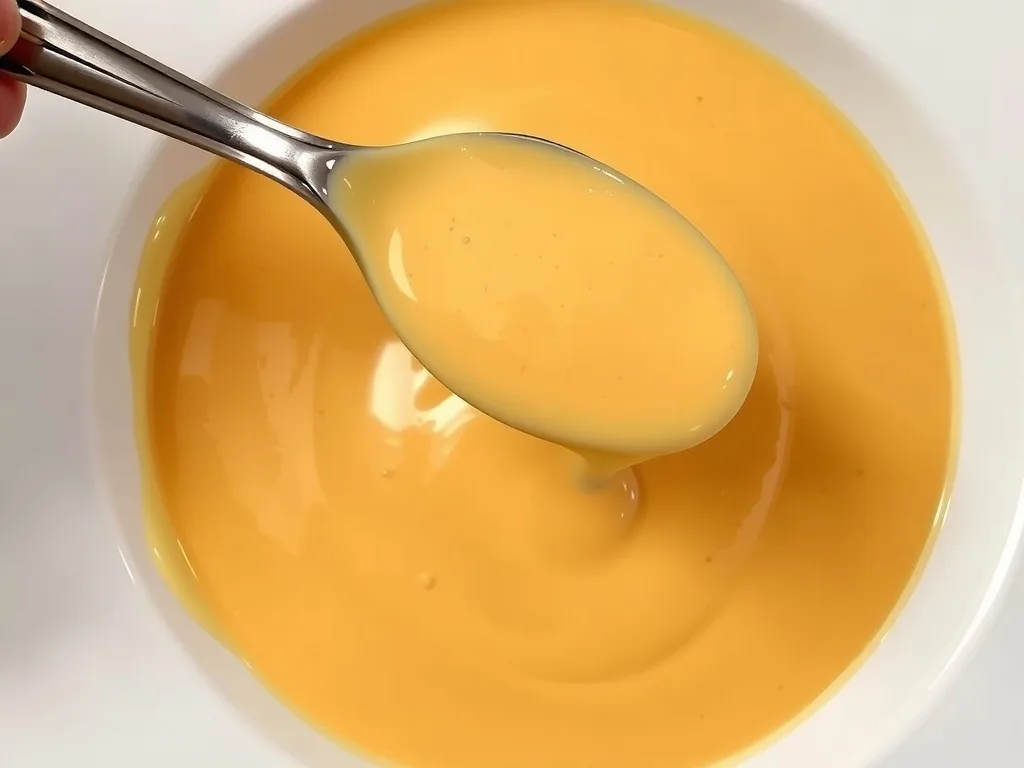
There’s something undeniably comforting about a velvety stream of homemade cheddar cheese sauce draping over steaming broccoli, crisp nachos, or a baked potato. For those who grew up stirring a pot of cheese sauce on the stove, the memory is tied to family gatherings, holiday feasts, and the simple joy of turning humble ingredients into something luxurious. This guide is crafted especially for seasoned home cooks aged 40‑65+, who appreciate both tradition and the confidence that comes from mastering a reliable, restaurant‑quality sauce from scratch.
Making your own cheddar cheese sauce is easier than you might think, and the rewards are immediate: you control the sodium, avoid preservatives, and can tweak the flavor to suit any dish. Whether you’re looking for an easy cheese sauce for broccoli, a rich base for homemade nacho cheese sauce, or a smooth cheddar sauce recipe that never separates, the steps outlined here will give you consistent, glossy results every time. Let’s roll up our sleeves, gather a few pantry staples, and create a sauce that will become a staple in your kitchen repertoire.
Alternate Names & Variations
While “Homemade Cheddar Cheese Sauce” is the star of this article, you’ll often see it referred to by other names that hint at its versatile uses. Easy cheese sauce for broccoli is a popular phrase among health‑conscious cooks who want a quick, nutritious side. Homemade nacho cheese sauce evokes game‑day gatherings, where the sauce is drizzled over tortilla chips, jalapeños, and seasoned ground beef. Meanwhile, smooth cheddar sauce recipe emphasizes the texture goal—no lumps, no graininess, just a silky coat that clings to every bite.
Beyond these common labels, you can adapt the base to create variations such as a beer‑infused cheddar sauce for pretzels, a smoked paprika twist for a Southwestern flair, or a touch of Dijon mustard for extra depth. Adding a splash of hot sauce or a pinch of cayenne brings gentle heat, while stirring in cooked bacon bits transforms it into a decadent topping for baked potatoes or macaroni. The core technique remains the same, making it simple to experiment once you’ve mastered the foundational recipe.
Ingredients: Homemade Cheddar Cheese Sauce
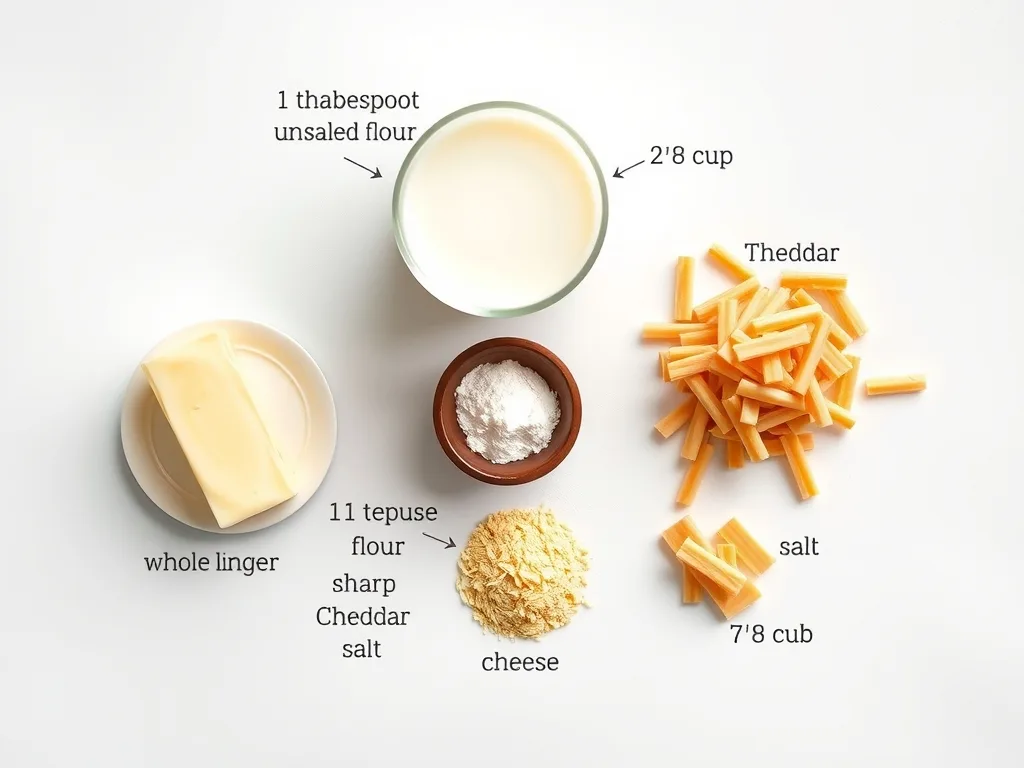
- – 1 tablespoon unsalted butter
- – 1 tablespoon all‑purpose flour
- – ⅛ teaspoon salt (adjust to taste)
- – ½ cup whole milk (warmed)
- – ⅞ cup shredded sharp Cheddar cheese (about 2 oz)
*Note: The script will automatically place an image immediately after this header.*
Step‑by‑Step Instructions: Homemade Cheddar Cheese Sauce
- 1. Melt the butter in a medium‑sized saucepan over medium heat. Allow it to foam slightly but do not let it brown.
- 2. Create the roux by sprinkling the flour over the melted butter. Stir constantly with a wooden spoon or silicone spatula for about 1 minute, until the mixture turns a pale golden color and smells nutty. This step cooks out the raw flour taste and ensures a smooth base.
- 3. Gradually whisk in the warm milk. Pour the milk in a slow, steady stream while whisking vigorously to prevent lumps. Continue whisking until the mixture is completely smooth and begins to thicken, about 3‑4 minutes.
- 4. Season the sauce with the salt (and any optional spices you prefer, such as a pinch of white pepper or mustard powder). Keep the heat at medium‑low; you want the sauce to simmer gently, not boil.
- 5. Add the cheese in small handfuls, stirring after each addition until fully melted before adding more. This gradual incorporation keeps the emulsion stable and prevents the sauce from becoming grainy.
- 6. Finish and adjust. Once all the cheese has melted, taste the sauce and adjust seasoning if needed. If the sauce is too thick, whisk in a tablespoon of warm milk at a time until you reach the desired consistency. If it’s too thin, let it simmer uncovered for an extra minute or two, stirring frequently.
- 7. Serve immediately over your chosen dish, or keep warm on the lowest burner setting while you finish the rest of the meal.
*Chef’s Tip:* For an ultra‑smooth finish, remove the saucepan from the heat before adding the final handful of cheese and stir until melted; the residual heat will melt the cheese without risking overheating, which can cause the fats to separate.
*Substitutions:* Use half‑and‑half or 2% milk for a lighter sauce, or swap the sharp Cheddar for a blend of mild Cheddar and Monterey Jack for a creamier, melt‑friendly texture. Gluten‑free flour works just as well in the roux.
Recipe Card Reference: Homemade Cheddar Cheese Sauce
Prep Time: 5 minutes
Cook Time: 10 minutes
Total Time: 15 minutes
Servings: About 1 cup (enough for 4 – 6 servings as a topping or dip)
Calories: Approximately 120 kcal per ¼‑cup serving (based on the ingredients listed)
This quick‑prep sauce delivers rich flavor without a lengthy commitment, making it ideal for weeknight dinners or spontaneous snack attacks.
Why This Recipe Works & Expert Tips: Homemade Cheddar Cheese Sauce
The success of this sauce hinges on a classic roux‑based technique, which creates a stable starch‑fat matrix that can evenly disperse cheese proteins and fats. By cooking the flour and butter together first, you eliminate the raw flour taste and form a foundation that resists curdling when the dairy is added. Using whole milk provides enough fat and lactose to help emulsify the cheese, while the sharp Cheddar contributes both flavor punch and the right moisture content for a smooth melt.
A common pitfall is adding cheese to a boiling liquid, which can cause the proteins to tighten and expel fat, resulting in a gritty texture. Keeping the sauce at a gentle simmer and incorporating the cheese gradually prevents this issue. If you ever notice a slight graininess, whisk in a teaspoon of lemon juice or a splash of warm milk; the acidity helps re‑bind the proteins.
For those who love to experiment, consider infusing the milk with aromatics—such as a bay leaf, a clove of garlic, or a pinch of smoked paprika—before whisking it into the roux. Remove the solids before adding the cheese for a subtle background note that elevates the sauce without overwhelming it.
Storage, Freezing, and Reheating:
Allow any leftover sauce to cool to room temperature, then transfer it to an airtight container. It will keep in the refrigerator for up to 4 days. When reheating, place the sauce in a small saucepan over low‑medium heat, stirring constantly. Add a splash of milk or cream if the sauce has thickened too much during storage.
For longer storage, freeze the sauce in a freezer‑safe container or zip‑top bag, leaving about ½‑inch headspace for expansion. It maintains quality for up to 2 months. Thaw overnight in the refrigerator, then reheat gently on the stove, whisking in a little milk to restore its silky consistency. Avoid microwaving on high power, as uneven heating can cause separation; if you must use a microwave, do so in 15‑second bursts, stirring between each interval.
People Also Ask: Homemade Cheddar Cheese Sauce
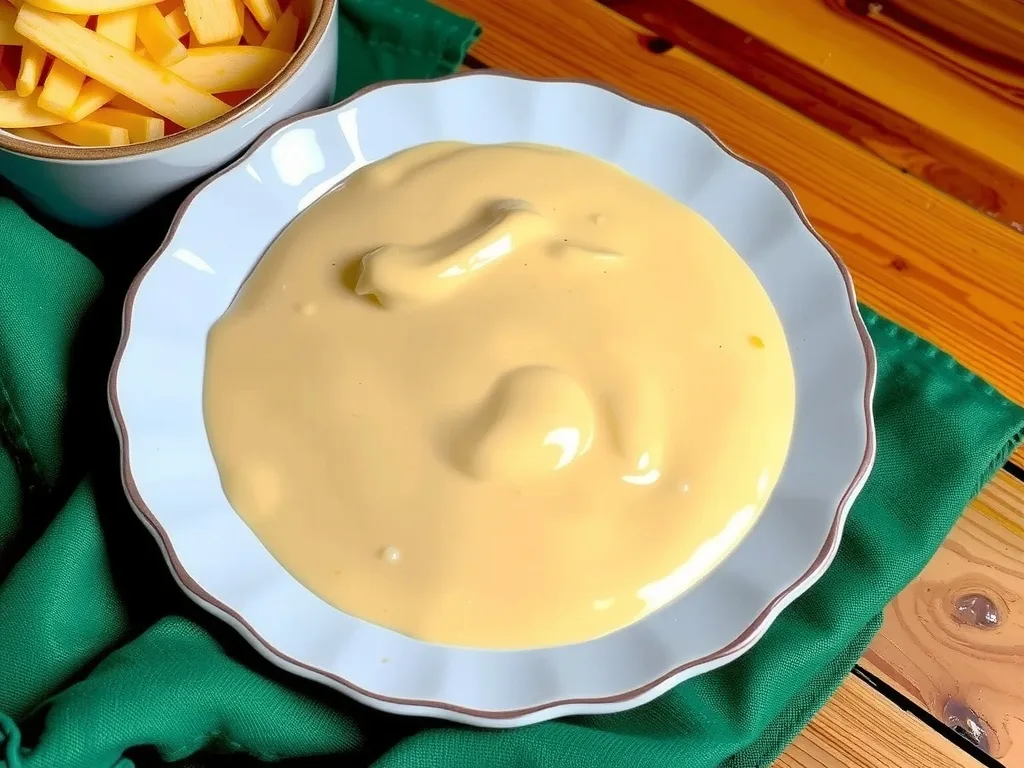
How do you make a smooth cheddar cheese sauce from scratch?
To make a smooth cheddar cheese sauce from scratch, start by preparing a roux with equal parts butter and flour cooked over medium heat until lightly golden. Gradually whisk in warm milk, ensuring no lumps form, and simmer until the mixture thickens. Lower the heat and add shredded sharp cheddar cheese in small batches, stirring constantly until each addition melts completely before adding more. Finish with a pinch of salt and, if desired, a dash of mustard powder or hot sauce for extra flavor. The key to smoothness is keeping the temperature moderate and incorporating the cheese gradually, which prevents the proteins from tightening and releasing fat.
Why is my cheese sauce gritty?
A gritty cheese sauce usually results from overheating the dairy or adding cheese too quickly to a hot liquid. When the sauce reaches a high temperature, the cheese proteins can seize up and expel fat, creating a grainy texture. Additionally, using pre‑shredded cheese that contains anti‑caking agents (like cellulose) can hinder smooth melting. To avoid grit, keep the sauce at a gentle simmer, remove it from direct heat before adding the final cheese handful, and opt for a block of cheese that you shred yourself. If grit does appear, whisk in a teaspoon of lemon juice or a splash of warm milk while the sauce is still warm to help re‑emulsify the proteins.
How do you thicken a cheese sauce?
To thicken a cheese sauce, you can either reduce it by simmering uncovered, allowing excess liquid to evaporate, or increase the roux ratio. For a quick fix, whisk in a teaspoon of flour or cornstarch that has been first mixed with an equal amount of cold milk to form a slurry; cook for an additional minute until the sauce reaches the desired consistency. Another method is to add more shredded cheese, as the cheese’s fat and proteins contribute to body. Remember to adjust seasoning after thickening, as the flavors can become more concentrated.
What is the best cheddar cheese for a sauce?
The best cheddar cheese for a sauce is a sharp, aged cheddar that offers robust flavor without excessive moisture. Aged cheddar (typically 12‑24 months) melts smoothly when treated gently and provides the classic tangy notes that define a great cheese sauce. If you prefer a milder, creamier texture, blend sharp cheddar with a younger variety such as mild cheddar, Monterey Jack, or Colby. Avoid using pre‑shredded cheese with anti‑caking agents, as they can interfere with emulsification; shredding a block yourself ensures the purest melt.
Conclusion: Homemade Cheddar Cheese Sauce
There’s a special satisfaction in watching a simple mixture of butter, flour, milk, and cheese transform into a glossy, pourable sauce that can elevate everyday meals into something memorable. By mastering this homemade cheddar cheese sauce, you gain a versatile tool that works for broccoli, nachos, baked potatoes, pasta, and even as a dip for pretzels or veggie sticks. Feel free to tweak the flavors with your favorite herbs, spices, or a splash of hot sauce, and enjoy the confidence that comes from knowing exactly what’s in your sauce.
If you found this guide helpful, please share it with friends and family who love a good cheese‑laden dish, and let us know in the comments how you’ve made the sauce your own. Happy cooking!
You Might Also Like:
- Amish Tomato Pie – The Best Comfort Dish to Try This Summer
- Smoked Meatloaf Recipe: Juicy & Flavorful
- Best Spicy Cajun Salmon Recipe – Quick & Flavorful Dinner Idea! 🐟🌶️✨
- Ultimate CrackerBarrel Meatloaf Recipe – Easy & Comforting Dish!
Find Us On Pinterest and Facebook.
Print
Homemade Cheddar Cheese Sauce
- Total Time: 15 minutes
- Yield: 8 servings 1x
- Diet: Vegetarian
Description
Indulge in this creamy, homemade cheddar cheese sauce that elevates any dish—from mac and cheese to baked veggies. Perfectly rich and velvety, it’s a pantry staple you’ll want to keep on hand.
Ingredients
- 1 tablespoon unsalted butter
- 1 tablespoon all-purpose flour
- ⅛ teaspoon salt
- ½ cup whole milk
- ⅞ cup shredded sharp Cheddar cheese
Instructions
- Melt butter in a saucepan over medium heat.
- Stir in flour and cook for 1 minute.
- Gradually whisk in milk, cooking until thickened.
- Add salt and shredded cheddar, stirring until melted and smooth.
- Serve hot over your favorite dishes.
Notes
For a dairy‑free version, swap butter for plant‑based butter and use dairy‑free cheese. Store in an airtight container in the refrigerator for up to 3 days; reheat gently on low heat, adding a splash of milk if needed.
- Prep Time: 10 minutes
- Cook Time: 5 minutes
- Category: B
- Method: Stovetop
- Cuisine: American
Nutrition
- Serving Size: 2 tablespoons
- Calories: 210
- Sugar: 2g
- Sodium: 450mg
- Fat: 15g
- Saturated Fat: 9g
- Unsaturated Fat: 6g
- Trans Fat: 0g
- Carbohydrates: 10g
- Fiber: 0g
- Protein: 9g
- Cholesterol: 55mg
Keywords: cheese sauce, comfort food, easy, creamy