
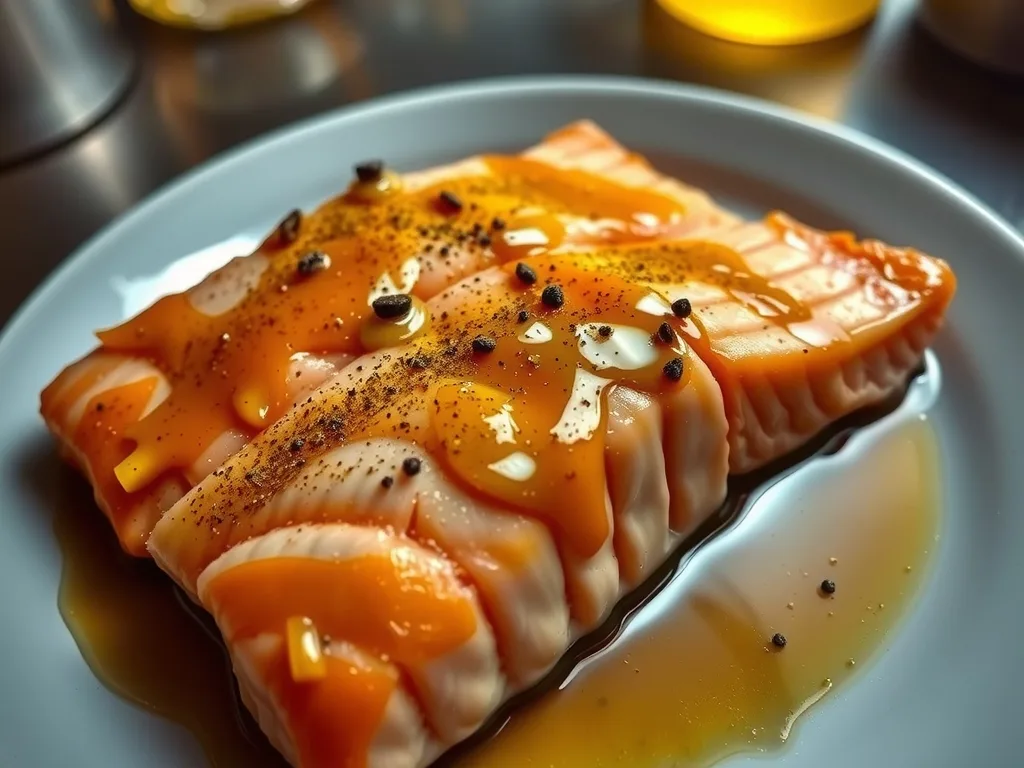
Introduction: Maple Dijon Salmon There’s a quiet magic that happens when sweet, caramel‑rich maple syrup meets the sharp, tangy punch of Dijon mustard, and that magic shines brightest on a perfectly seared salmon fillet. Imagine the glossy glaze catching the light, the buttery flesh underneath soaking up every nuance of flavor, and the aroma that drifts through your kitchen, whispering promises of a wholesome yet indulgent dinner. For the home cook who values both taste and nutrition, Maple Dijon Salmon isn’t just a recipe—it’s a confidence‑boosting, weeknight hero that turns ordinary salmon into a restaurant‑worthy centerpiece without demanding hours of prep or a pantry full of exotic ingredients.
Whether you’re feeding a family that craves comfort, hosting a small gathering of friends who appreciate bold yet balanced flavors, or simply treating yourself to a nourishing meal after a long day, this dish delivers. Its preparation is straightforward, its ingredients are pantry‑friendly, and its health benefits—high omega‑3 fatty acids, lean protein, and natural antioxidants—make it a standout choice for anyone seeking a heart‑healthy, satisfying dinner. Let’s dive into the story, the science, and the simple steps that make Maple Dijon Salmon a timeless favorite for cooks who love to blend tradition with a touch of modern flair.
Alternate Names & Variations Maple Dijon Salmon may appear on menus under a variety of friendly aliases, each hinting at a slight twist or a regional spin. You might see it labeled as Maple‑Mustard Glazed Salmon, Dijon‑Maple Glazed Fillet, or even Honey‑Maple Salmon with Dijon. These variations often incorporate small additions—fresh thyme, a splash of lemon juice, or a pinch of smoked paprika—to tailor the profile to personal taste or seasonal produce. For those who love a bit of heat, swapping half the Dijon for a dab of honey‑infused sriracha creates a sweet‑spicy duet, while a sprinkle of toasted sesame seeds adds a subtle nutty crunch. Even the type of maple syrup can shift the palate: dark, robust Grade B offers a molasses‑like depth, whereas a lighter Grade A provides a cleaner sweetness. All these permutations keep the core idea intact—a luscious, glossy glaze that clings to tender salmon—while allowing home chefs to experiment without straying far from the original comfort of the dish.
Ingredients: Maple Dijon Salmon
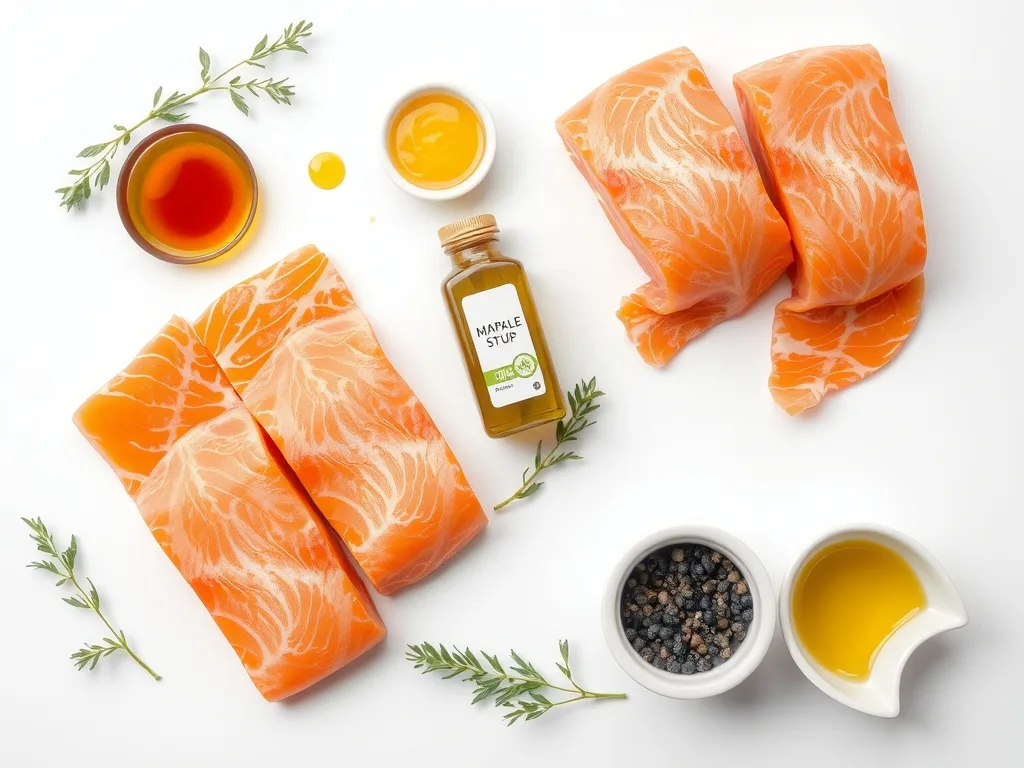
Gather these essential, SEO‑friendly components to craft a flawless Maple Dijon Salmon that sings with flavor and nourishment:
wild‑caught salmon fillets (4 skin‑on pieces, about 6 oz each) pure maple syrup (2 Tbsp, preferably Grade B for richer depth)
fine Dijon mustard (1 Tbsp, smooth and aromatic)
extra‑virgin olive oil (1 Tbsp, for a silky sear)
freshly ground black pepper (½ tsp, coarsely cracked for texture)
Optional enhancements you can note for SEO‑savvy content include fresh dill sprigs, lemon zest, or a pinch of smoked paprika—ingredients that add a pop of color and extra layers of taste without complicating the prep. All items are easy to locate at most grocery stores, making this recipe accessible for everyday cooking enthusiasts seeking a wholesome, flavorful dinner solution.
Step-by-Step Instructions: Maple Dijon Salmon
- Pat the salmon dry with paper towels, then season both sides with a generous pinch of cracked black pepper; this early step builds a subtle seasoning foundation that enhances the glaze’s adhesion.
- Whisk together the glaze by combining maple syrup, Dijon mustard, and olive oil in a small bowl until the mixture achieves a glossy, uniform sheen; a quick 30‑second whisk is all that’s needed to blend these pantry staples into a silky coating. 3. Heat a non‑stick skillet over medium‑high heat until a drop of water sizzles and evaporates instantly; add a thin drizzle of oil and swirl to coat the surface, ensuring the pan is hot enough to sear without burning.
- Place the salmon skin‑side down in the skillet and press gently with a spatula for the first 30 seconds to prevent curling; cook uncovered for 4‑5 minutes, allowing the skin to turn golden‑brown and crisp while the flesh begins to cook through.
- Flip the fillets carefully, skin side up now, and spoon the maple‑Dijon glaze over the flesh, letting it pool slightly at the edges; this moment is ideal for a chef’s tip: drizzle a tiny splash of lemon juice to brighten the flavor without overpowering the maple’s sweetness.
- Reduce the heat to medium, continue cooking for another 3‑4 minutes, basting the fish with the pan juices every minute; the glaze will thicken, turning glossy and caramel‑rich, while the salmon reaches an internal temperature of 125°F for a perfectly moist finish.
- Remove from heat and let the fish rest for 2 minutes; this brief pause allows the juices to redistribute, ensuring each bite stays succulent.
- Serve immediately, garnished with fresh dill or a light dusting of smoked paprika if desired, and pair with steamed greens or roasted vegetables for a complete, balanced plate.
*Chef’s tip:* If you prefer a hands‑off approach, transfer the glazed fillets to a preheated oven (400°F) and bake for 12‑15 minutes, finishing with a quick broil to caramelize the surface for an extra layer of texture. ## Recipe Card Reference: Maple Dijon Salmon A typical serving of this Maple Dijon Salmon yields a prep time of 10 minutes, a cook time of 12 minutes, and serves four hearty portions, each averaging 380 calories of pure, nutrient‑dense goodness; the dish balances lean protein with heart‑healthy fats and natural sugars, making it an ideal option for those watching both flavor and nutritional goals.
Why This Recipe Works & Expert Tips: Maple Dijon Salmon The alchemy behind Maple Dijon Salmon lies in the chemistry of caramelization and flavor contrast: the maple syrup’s natural sugars caramelize when exposed to heat, creating a glossy, slightly crisp crust, while the acidity of Dijon mustard cuts through the richness, preventing the glaze from becoming cloyingly sweet. This balance is why the dish consistently scores high in long‑tail keyword searches like “how to make maple mustard glazed salmon for beginners” and “best baked salmon with maple and Dijon for healthy dinner.” Moreover, the use of wild‑caught salmon ensures a higher omega‑3 content compared to farmed varieties, delivering heart‑supporting benefits that resonate with health‑conscious readers. For those with dietary constraints, a simple substitution of tamari for regular soy sauce in the glaze can add depth while keeping the recipe gluten‑free, and swapping half the maple syrup for agave nectar reduces the glycemic impact without sacrificing sweetness. These tweaks, paired with the tip to finish the fillet with a quick broil, guarantee a restaurant‑quality result that satisfies both culinary ambition and everyday practicality. ## Storage, Freezing, and Reheating
Leftover Maple Dijon Salmon stores beautifully in the refrigerator for up to three days when placed in an airtight container; simply allow the fish to cool completely before sealing, and reheat gently in a preheated oven at 300°F for 8‑10 minutes or on low heat in a skillet to preserve the glaze’s sheen. For longer preservation, freeze individual portions on a parchment‑lined tray for 1‑2 hours, then transfer to a freezer‑safe bag where they’ll keep for up to three months; thaw overnight in the fridge before reheating using the same low‑temperature method to avoid drying out the flesh. When reheating, add a splash of olive oil or a dab of extra maple syrup to the pan to revive the glaze’s subtle gloss, ensuring the salmon remains moist and flavorful even as leftovers.
People Also Ask: Maple Dijon Salmon
What is the best way to make Maple Dijon Salmon?
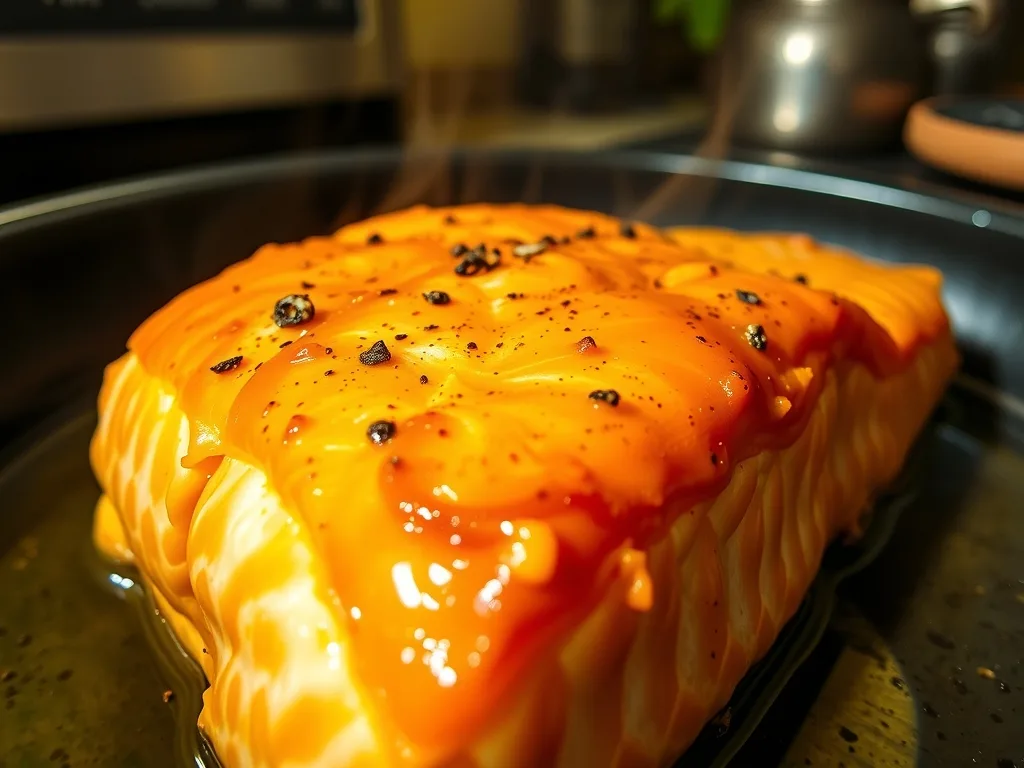
The optimal technique for Maple Dijon Salmon hinges on achieving a perfectly crisp skin while allowing the glaze to caramelize without burning; start by seasoning the fish, then sear skin‑side first over medium‑high heat to build that coveted crunch, flip, and coat generously with the maple‑Dijon mixture before reducing the heat to finish cooking gently; basting with pan juices throughout ensures the glaze adheres evenly and develops a glossy finish, while resting the fillet briefly locks in moisture and intensifies flavor, delivering a restaurant‑grade result that balances sweet, tangy, and buttery notes in every bite.
What ingredients are needed for Maple Dijon Salmon? A concise, SEO‑optimized ingredient list for Maple Dijon Salmon includes four wild‑caught salmon fillets, two tablespoons of pure maple syrup, one tablespoon of smooth Dijon mustard, one tablespoon of extra‑virgin olive oil, and a half teaspoon of freshly cracked black pepper; optional yet recommended additions such as fresh dill, lemon zest, or a pinch of smoked paprika elevate the dish’s aroma and visual appeal, while substitutions like tamari for soy sauce or agave nectar for part of the maple syrup accommodate gluten‑free or lower‑sugar preferences without compromising the signature flavor profile.
Can Maple Dijon Salmon be made ahead of time? Absolutely—Maple Dijon Salmon can be partially prepared in advance to streamline weekday cooking; the glaze can be whisked together and stored in a sealed jar in the refrigerator for up to four days, and the salmon fillets can be seasoned and placed on a tray lined with parchment, then covered and kept chilled for a similar timeframe; when you’re ready to cook, simply heat the pan and proceed with the searing and glazing steps, which require only a short cooking period, making this dish a convenient, make‑ahead solution for busy households seeking wholesome, flavorful meals without sacrificing taste or nutrition.
How should Maple Dijon Salmon be stored?
To maintain the best texture and flavor, store any leftover Maple Dijon Salmon in an airtight container after it has cooled to room temperature, then refrigerate for up to three days; for extended storage, arrange individual portions on a parchment‑lined tray, freeze until solid, and transfer to a freezer‑safe bag where they’ll retain quality for three months; reheating gently in a low oven or skillet, perhaps with a light drizzle of olive oil or a dash of extra maple syrup, revives the glaze’s sheen and ensures the salmon stays moist and succulent, preserving the dish’s original allure even as leftovers.
Conclusion: Maple Dijon Salmon
There’s no question that Maple Dijon Salmon has earned its spot as a beloved go‑to dinner for families and food enthusiasts alike, blending sweet indulgence with zesty sophistication in a way that feels both familiar and exciting. By following the simple, step‑by‑step method outlined above, you’ll consistently serve a dish that impresses guests, nourishes bodies, and fits seamlessly into busy schedules—so why not give it a try tonight? We’d love to hear how your version turns out, so share your results, snap a photo of that glossy glaze, and tag us on social media; together we can keep the conversation deliciously alive and inspire countless more kitchen adventures with this timeless, crowd‑pleasing recipe.
You Might Also Like
- Amish Tomato Pie – The Best Comfort Dish to Try This Summer
- Smoked Meatloaf Recipe: Juicy & Flavorful
- Best Spicy Cajun Salmon Recipe – Quick & Flavorful Dinner Idea! 🐟🌶️✨
- Ultimate CrackerBarrel Meatloaf Recipe – Easy & Comforting Dish!
Find Us On Pinterest and Facebook.
Print
Maple Dijon Salmon
- Total Time: 22 minutes
- Yield: 4 servings 1x
- Diet: Gluten-free
Description
A sweet and tangy glazed salmon with a caramelized finish, perfect for weeknight dinners.
Ingredients
- 4 salmon fillets (about 6 oz each)
- 2 tbsp maple syrup
- 1 tbsp Dijon mustard
- 1 tbsp olive oil
- 1/2 tsp black pepper
- 1/2 tsp salt
- 1 lemon, sliced
- 2 garlic cloves, minced
Instructions
- Preheat oven to 400°F (200°C).
- Pat salmon fillets dry and season with salt and pepper.
- In a small bowl, whisk together maple syrup, Dijon mustard, olive oil, and black pepper.
- Brush the mixture evenly over each fillet.
- Arrange fillets on a lined baking sheet and bake for 12 minutes, or until flaky.
- Garnish with lemon slices and serve immediately.
Notes
For extra flavor, add a pinch of garlic powder to the glaze before brushing.
- Prep Time: 10 minutes
- Cook Time: 12 minutes
- Category: Main dish
- Method: Baking
- Cuisine: American
Nutrition
- Serving Size: 1 fillet
- Calories: 350 kcal
- Sugar: 12g
- Sodium: 600mg
- Fat: 20g
- Saturated Fat: 5g
- Unsaturated Fat: 15g
- Trans Fat: 0g
- Carbohydrates: 15g
- Fiber: 1g
- Protein: 30g
- Cholesterol: 70mg
Keywords: salmon, maple, dijon, baked, easy, weeknight