
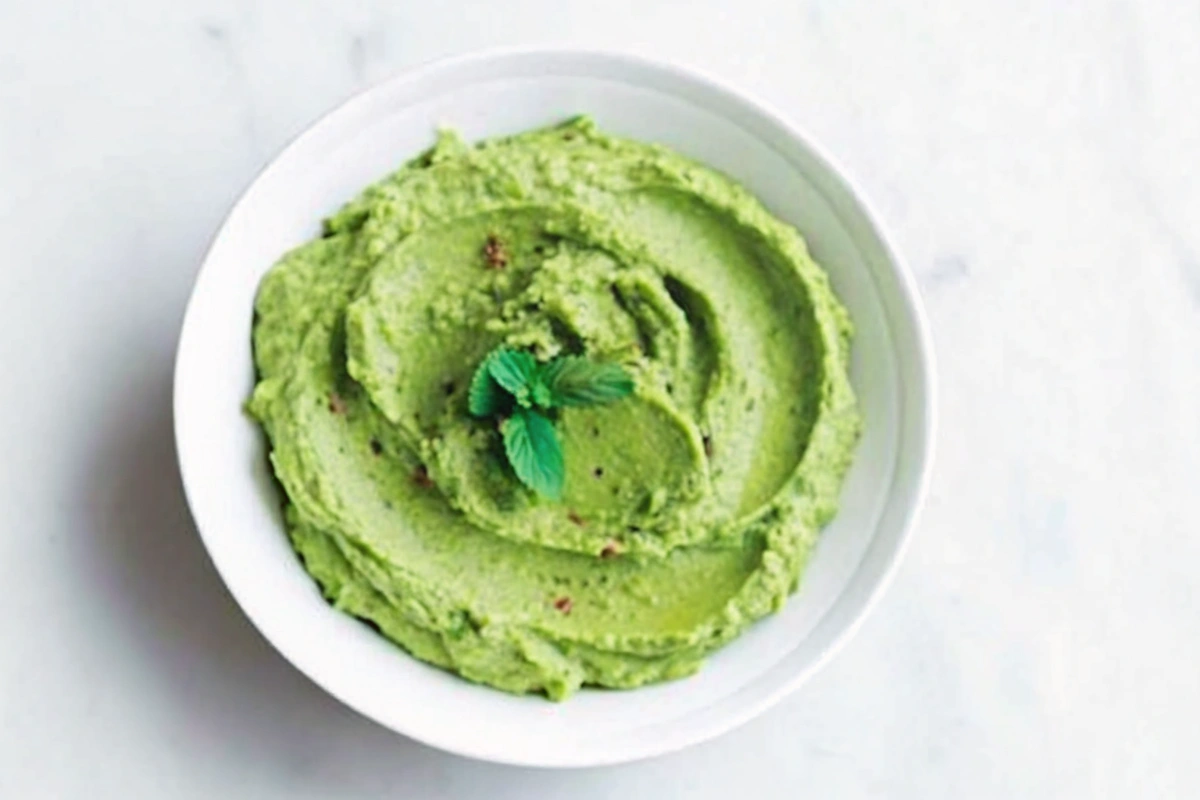
*Discover how a handful of spring peas transforms into a silky, luxurious sauce that brightens any plate—perfect for cozy family dinners, holiday spreads, or an easy weeknight upgrade.*
Introduction: Spring Pea Puree
There’s something undeniably uplifting about the first splash of green that appears in the farmer’s market each spring. When those bright‑colored peas hit the pan, they release a sweet, almost grassy aroma that instantly lifts the mood of the kitchen. This Spring Pea Puree recipe captures that fleeting season in a bowl, turning humble peas into a creamy pea puree recipe that feels both elegant and comforting.
Whether you’re preparing a festive Easter brunch, a quiet Sunday supper with loved ones, or simply need a quick, nutritious side to accompany grilled salmon or roasted chicken, this puree fits the bill. It’s silky enough to spoon over seared scallops, thick enough to dollop onto a warm piece of crusty bread, and versatile enough to stir into risotto or pasta for an extra pop of color and flavor. The best part? You can make it with fresh peas when they’re at their peak or rely on a good-quality frozen bag—no compromise on taste or texture.
In the following sections, you’ll learn how to make pea puree from scratch, discover tasty variations, and get expert tips for storage and reheating. Let’s dive into the simple steps that bring this verdant delight to life.
Alternate Names & Variations
- Pea Mousseline – a French‑style version often finished with a touch of cream.
- Green Pea Blend – a thicker puree used as a base for soups or sauces.
- Mint‑Infused Pea Purée – adds extra freshness with more mint or a hint of basil. – Lemon‑Garlic Pea Spread – emphasizes citrus and garlic for a zippy dip.
Each variation keeps the core technique—sauté aromatics, simmer peas, blend, finish with butter and lemon—while allowing you to tailor the flavor profile to the dish you’re serving.
Ingredients: Spring Pea Puree
- 2 tablespoons olive oil – extra‑virgin for fruity depth.
- 1 pound shelled fresh or frozen peas (about 3 cups) – look for bright‑green, plump peas; if using frozen, no need to thaw.
- 1 small onion or 1 large shallot, chopped – shallot gives a milder, sweeter note.
- 2 cloves garlic, chopped – fresh garlic brightens the puree. – ¼ cup canned chicken broth or homemade chicken stock – adds savory body; substitute vegetable stock for a vegetarian version. – 1 tablespoon chopped fresh parsley or tarragon – parsley offers classic herbaceousness; tarragon lends an anise‑kissed twist.
- 2 tablespoons cold butter (1 oz) – cut into small cubes; cold butter emulsifies the puree for silkiness.
- 2 tablespoons freshly squeezed lemon juice – balances the sweetness of the peas.
- Sea salt and freshly ground black pepper – to taste.
- 1 teaspoon fresh mint leaves, torn if large – optional but recommended for a refreshing finish.
*Keyword tip:* Using fresh parsley and fresh mint leaves in the ingredient list helps search engines associate the page with “creamy pea puree recipe” and “how to make pea puree.”
Step‑by‑Step Instructions
- Prep the aromatics – Heat the olive oil in a medium saucepan over medium heat. Add the chopped onion (or shallot) and sauté 3‑4 minutes until translucent and fragrant. Stir in the garlic and cook another 30 seconds—be careful not to let it brown.
- Add the peas – Pour in the fresh or frozen peas. If using frozen, break up any clumps with a wooden spoon. Stir to coat the peas in the oil and aromatics.
- Simmer with stock – Add the chicken broth (or vegetable stock) and bring the mixture to a gentle boil. Reduce the heat to a low simmer and cook 5‑7 minutes for fresh peas, or 8‑10 minutes for frozen, until the peas are tender but still bright green.
- Blend to smoothness – Transfer the hot pea mixture to a blender (or use an immersion blender directly in the pot). Blend on high until completely smooth, about 45 seconds to 1 minute. If the puree feels too thick, drizzle in a splash more stock or water, a tablespoon at a time, until you reach a velvety, pourable consistency.
- Finish with butter and lemon – Return the puree to the saucepan over low heat. Whisk in the cold butter, a few cubes at a time, allowing each addition to melt fully before adding the next. This emulsifies the sauce and gives it that luxurious mouthfeel. Stir in the lemon juice, then season generously with sea salt and freshly ground black pepper.
- Herb finish – Remove from heat and fold in the chopped fresh parsley (or tarragon) and the torn mint leaves. Taste and adjust seasoning if needed.
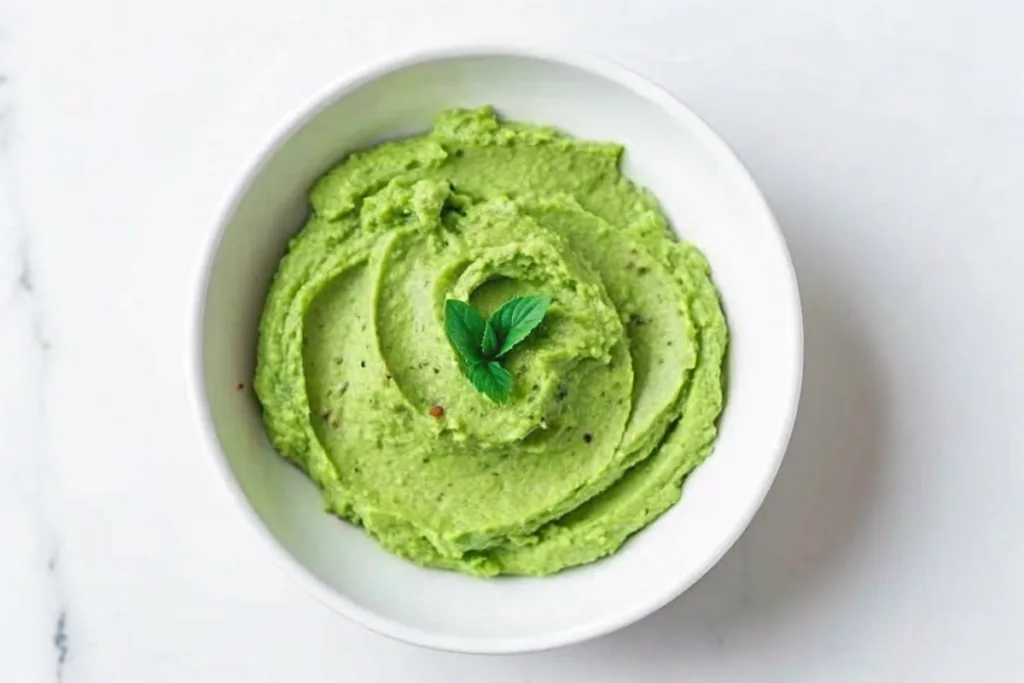
- Serve immediately – Spoon the warm puree onto plates, swirl with the back of a spoon, and drizzle a tiny extra‑virgin olive oil or a grind of pepper for garnish. Enjoy while it’s bright and creamy!
Chef’s Tips & Shortcuts
– Make it ahead: Cook the peas and aromatics, blend, then store the base (without butter and lemon) in the fridge for up to 2 days. Reheat gently, whisk in butter and lemon just before serving. – Vegan swap: Use olive oil instead of butter and finish with a tablespoon of nutritional yeast or a splash of coconut cream for richness.
– Extra silkiness: Pass the blended puree through a fine‑mesh sieve for an ultra‑smooth texture—ideal for elegant plating.
Recipe Card Block (Quick Reference)
Prep time: 10 minutes | Cook time: 15 minutes | Total time: 25 minutes | Servings: 4 | Approx. calories per serving: 120 kcal
This light yet satisfying Spring Pea Puree delivers vibrant flavor without weighing you down—perfect as a side, sauce, or dip.
Why This Recipe Works & Expert Tips
The secret to a creamy pea puree recipe that feels restaurant‑worthy lies in three simple principles: flavor layering, temperature control, and emulsion.
First, sautéing the onion (or shallot) and garlic in olive oil builds a sweet, aromatic foundation that prevents the puree from tasting one‑dimensional. Second, simmering the peas just until tender preserves their natural sweetness and vivid green hue—overcooking dulls both flavor and color. Third, whisking in cold butter off the heat creates a stable emulsion; the butter’s fat coats the pea particles, giving the puree that luxurious, silk‑like mouthfeel that clings to the spoon.
Because the recipe relies on pantry‑friendly stock and a splash of lemon, it adapts effortlessly to seasonal swaps. In early spring, fresh peas shine; later in the year, high‑quality frozen peas retain the same sweetness and texture, making this a easy comfort food for family dinners year‑round.
For those who love a hint of herbal brightness, the combination of parsley (or tarragon) and mint lifts the dish without overwhelming the delicate pea flavor. If you prefer a richer mouthfeel, increase the butter to 3 tablespoons or stir in a tablespoon of crème fraîche at the end.
Storage, Freezing, and Reheating Tips
Refrigeration: Transfer any leftover puree to an airtight container. It will stay fresh in the fridge for 3‑4 days. Before reheating, give it a gentle stir; if it has thickened, add a splash of warm stock or water to loosen it.
Freezing: Yes, you can freeze pea puree! Portion it into freezer‑safe bags or containers, leaving a little headspace for expansion. Label with the date and freeze for up to 2 months. To use, thaw overnight in the refrigerator, then reheat gently over low heat, whisking in a teaspoon of butter or a drizzle of olive oil to revive the silkiness.
Reheating: Warm the puree in a saucepan over low‑medium heat, stirring constantly to prevent scorching. If using a microwave, heat in 20‑second bursts, stirring between intervals, until steaming hot. Finish with a fresh squeeze of lemon juice and a pinch of salt to brighten the flavors after storage.
These storage pointers ensure that your creamy pea puree recipe remains a convenient, go‑to side for busy weeknights or spontaneous entertaining.
People Also Ask: Spring Pea Puree
What is pea puree served with?
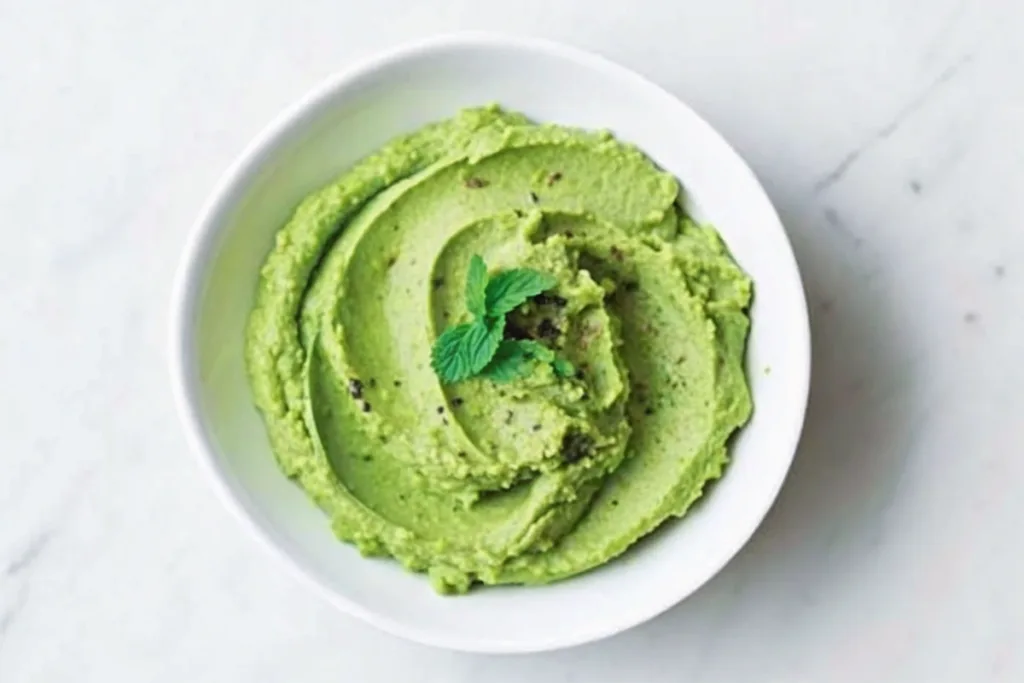
Pea puree is a wonderfully versatile accompaniment that pairs beautifully with both protein‑forward and vegetarian dishes. Spoon it over seared scallops, pan‑fried chicken breasts, or grilled salmon for a bright, herbaceous contrast. It also works as a luxurious base for risotto, stirred into pasta with a touch of Parmesan, or dolloped onto crostini topped with smoked salmon and capers. For a lighter option, use it as a dip for crudités or pita chips, swirling in a little extra‑virgin olive oil and cracked pepper. The lemon‑butter finish cuts through richness, making it ideal alongside roasted lamb, pork tenderloin, or even a hearty vegetable frittata.
How do you make pea puree from frozen peas?
Making pea puree from frozen peas is just as simple as using fresh—no thawing required. Start by sautéing your onion (or shallot) and garlic in olive oil until fragrant. Add the frozen peas directly to the pan; they’ll thaw and cook quickly as you stir. Pour in chicken or vegetable stock, bring to a simmer, and cook until the peas are tender, usually 8‑10 minutes. Blend the mixture until smooth, then finish with cold butter, lemon juice, salt, pepper, and your choice of fresh herbs. The key is to avoid overcooking; frozen peas retain their sweetness and vibrant color when heated just until tender, yielding a silky, bright‑green puree every time.
How long does pea puree last in the fridge?
When stored properly, homemade pea puree remains safe and flavorful for 3‑4 days in the refrigerator. Transfer the cooled puree to a clean, airtight glass or BPA‑free plastic container, pressing a piece of parchment paper against the surface to minimize oxidation. Keep the container in the coldest part of your fridge (usually the back shelf). If you notice any off‑smell, discoloration, or separation that doesn’t recombine with a quick stir, discard it. For best quality, reheat gently on the stove or in the microwave, adding a splash of stock or water if the puree has thickened during storage.
Can you freeze pea puree?
Absolutely—pea puree freezes beautifully for future meals. Portion the cooled puree into freezer‑safe bags or rigid containers, leaving about half an inch of space at the top for expansion. Label each package with the date and contents, then lay them flat in the freezer; they’ll stack neatly and thaw faster. The puree keeps well for up to 2 months. When you’re ready to use it, thaw overnight in the refrigerator, then reheat gently over low heat, whisking in a teaspoon of butter or a drizzle of olive oil to restore the silky texture. A final squeeze of fresh lemon juice brightens the flavor after freezing.
Conclusion
There’s a special joy in turning a humble bag of peas into a dish that feels both fresh and indulgent. This Spring Pea Puree captures the essence of the season—sweet, verdant, and lightly scented with lemon and herbs—while remaining incredibly easy to prepare. Whether you’re ladling it over a perfectly seared fish, swirling it into a bowl of risotto, or simply enjoying it as a bright dip with crusty bread, you’ll find that a little green goes a long way toward making any meal feel celebratory.
We’d love to hear how your puree turned out! Snap a photo, share your tweaks (perhaps a hint of smoked paprika or a dollop of goat cheese), and leave a comment below. Your feedback helps us refine recipes and inspires fellow home cooks to explore the simple pleasures of seasonal cooking.
Happy cooking, and may your table always be filled with the vibrant flavors of spring!
You Might Also Like
–Baked Salmon Recipe Guide – The Best Way to Bake Perfect Salmon Every Time
–Honey Garlic Salmon Recipe – Easy & Delicious in 20 Minutes!
–Lemon Butter Salmon Rice Muffins | Easy & Tasty Recipe Idea
–Salsa Macha Roast Salmon 🌶️🔥 | Easy & Flavorful Dinner Recipe
–Bang Bang Chicken Skewers
Find Us On Pinterest and Facebook.
Print
Spring Pea Puree
- Total Time: 25 minutes
- Yield: 4 servings 1x
Description
Discover the bright, fresh flavors of spring with this creamy Spring Pea Puree. Made with sweet peas, buttery richness, and a hint of lemon, this vibrant puree is perfect as a dip, sauce, or elegant side dish for any springtime gathering.
Ingredients
- 2 tablespoons olive oil
- 1 pound shelled fresh or frozen peas (about 3 cups)
- 1 small onion or 1 large shallot, chopped
- 2 cloves garlic, chopped
- 1/4 cup canned chicken broth or homemade chicken stock
- 1 tablespoon chopped fresh parsley or tarragon
- 2 tablespoons cold butter (1 oz)
- 2 tablespoons freshly squeezed lemon juice
- Sea salt and freshly ground black pepper, to taste
- 1 teaspoon fresh mint leaves, torn if large
Instructions
- Heat olive oil in a large skillet over medium heat. Add chopped onion (or shallot) and garlic; sauté until softened, about 3–4 minutes.
- Add peas and stir, cooking for 2 minutes.
- Pour in chicken broth and bring to a simmer. Cook until peas are tender, about 5 minutes.
- Transfer the mixture to a blender. Add parsley (or tarragon), butter, lemon juice, and season with salt and pepper. Blend until smooth.
- Return puree to the skillet, stir in fresh mint leaves, and heat gently. Adjust seasoning if needed.
- Serve warm or at room temperature as a dip, sauce, or side dish.
Notes
For a vegan version, replace butter with vegan margarine and use vegetable broth. This puree keeps well in the refrigerator for up to 3 days; reheat gently or serve cold. Pair with crusty bread, grilled fish, or roasted chicken.
- Prep Time: 15 minutes
- Cook Time: 10 minutes
- Category: B
- Method: Puree
- Cuisine: American
Nutrition
- Serving Size: 1/4 cup
- Calories: 80
- Sugar: 5g
- Sodium: 150mg
- Fat: 4g
- Saturated Fat: 2.5g
- Unsaturated Fat: 1.5g
- Trans Fat: 0g
- Carbohydrates: 10g
- Fiber: 3g
- Protein: 3g
- Cholesterol: 10mg
Keywords: spring, pea, puree, fresh, bright, vegetarian