
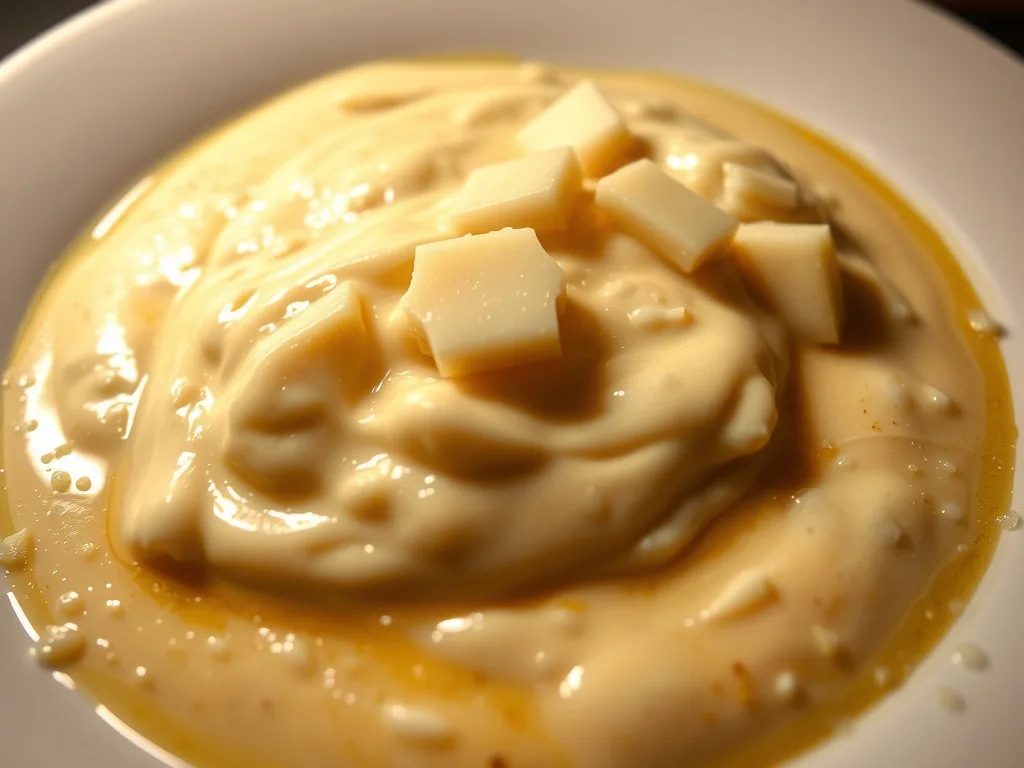
Introduction: Tartar Sauce
If you’ve ever enjoyed a crisp fish fry or a classic burger, chances are you’ve tasted a dollop of tartar sauce without even realizing it. This creamy, tangy homemade condiment has been a staple on dining tables for generations, adding a bright, refreshing punch to everything from fried shrimp to juicy steak‑frites. In this article we’ll explore why tartar sauce deserves a permanent spot in your kitchen, how it differs from other seafood sauce options, and of course, share a fool‑proof easy recipe that anyone can master, regardless of cooking experience. Whether you’re a seasoned home chef or just looking for a simple way to elevate everyday meals, the story behind this versatile dipping sauce is as delightful as its flavor.
Though its exact origins are debated, tartar sauce is believed to have evolved from a French sauce known as “sauce tartare,” which originally featured finely chopped raw beef served with steak. Over time, the concept migrated across the Atlantic and transformed into the creamy, mayonnaise‑based version we recognize today, especially in American and British cuisine. In the Midwest, you’ll find a version swirled with fresh dill and capers, while coastal regions often fold in a splash of seafood sauce essence, using lemon zest and chopped chives to echo the briny notes of the ocean. These subtle variations reflect how a simple dipping sauce can be tailored to suit local palates while retaining its core purpose: to add moisture, acidity, and a burst of flavor to fried or grilled fare.
In the pages that follow, you’ll discover a step‑by‑step guide to crafting the perfect tartar sauce from scratch, complete with tips on ingredient swaps, storage tricks, and creative serving ideas that will keep your meals feeling fresh and exciting. Ready to bring a touch of restaurant‑quality flavor to your own kitchen? Let’s dive in and make this easy recipe your new go‑to condiment.
Alternate Names & Variations:
Tartar sauce may appear under several guises in cookbooks and restaurant menus. You might encounter it listed as a seafood sauce, a dipping sauce, or even a homemade condiment when chefs emphasize its artisanal origins. In some regions the term “tartare” is dropped entirely, leaving only “tartar” to signal the creamy, tangy spread that tops a fried fish fillet or a juicy steak. These synonyms all point to the same versatile sauce, but each adds a subtle nuance that can guide you toward the perfect pairing for your dish.
The variations are virtually endless. A classic easy recipe often sticks to mayonnaise, pickle relish, lemon juice, and Dijon mustard, while a gourmet twist might incorporate capers, fresh dill, or a hint of horseradish for extra zing. Some cooks replace the mayo with Greek yogurt for a lighter feel, and others add a splash of pickle brine to intensify the sour note. Whether you prefer a traditional homemade condiment or an inventive spin, the core idea remains the same: a quick, flavorful boost that elevates any plate.
Ingredients: Tartar Sauce
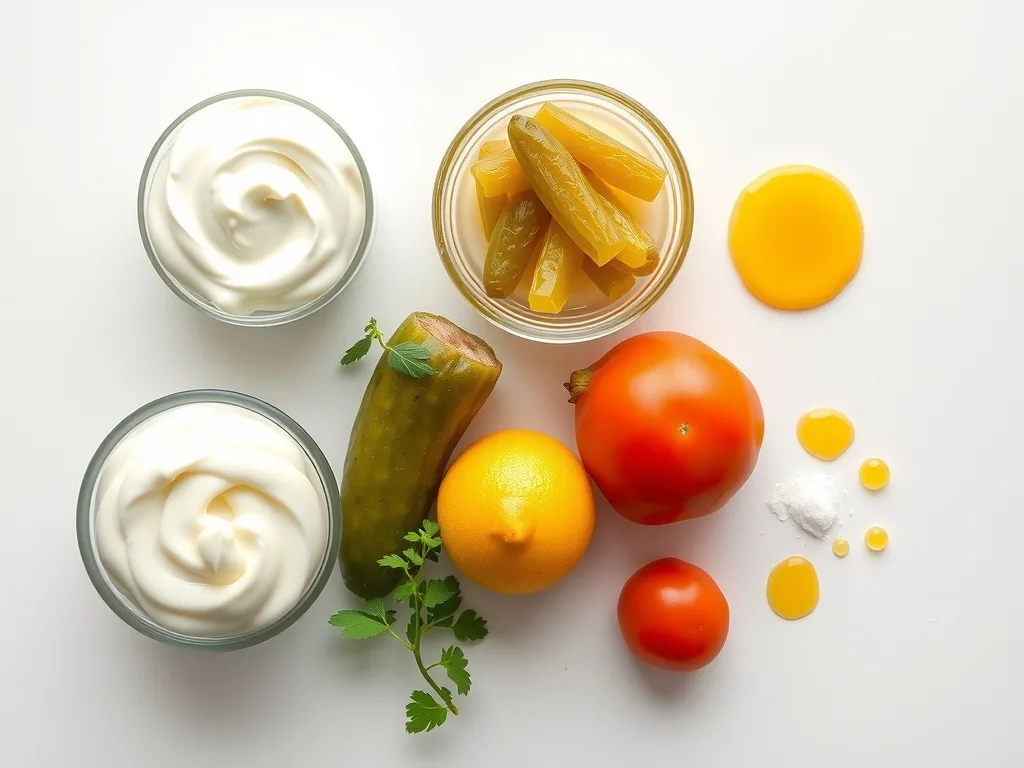
Creating a standout tartar sauce starts with quality ingredients that balance richness, tang, and a hint of spice. Below is a concise, SEO‑friendly list that highlights each component’s role in the final flavor profile.
1 cup full‑fat mayonnaise (the creamy base that gives the sauce its luxurious texture)
2 tbsp tangy pickle relish (adds sweet‑sour crunch)
1 tbsp freshly squeezed lemon juice (brightens the flavor with a zesty lift)
1 tsp Dijon mustard (lends subtle heat and emulsifies the mixture)
Pinch of sea salt (enhances all the other flavors)
Optional: capers or chopped fresh dill for extra depth.
Step-by-Step Instructions: Tartar Sauce
Follow these simple steps to assemble a silky tartar sauce that will complement any fried or grilled favorite.
- In a medium bowl, combine the full‑fat mayonnaise with the pickle relish, stirring until the mixture is smooth and uniform.
- Add the freshly squeezed lemon juice and Dijon mustard, mixing gently to incorporate without over‑whisking.
- Sprinkle in the pinch of sea salt, then taste and adjust seasoning as needed.
- For a classic finish, fold in optional capers or chopped fresh dill, then give the sauce one final stir.
- Transfer the completed tartar sauce to a serving bowl, cover, and refrigerate for at least 30 minutes to allow flavors to meld.
Chef’s tip: If you prefer a lighter version, substitute half of the full‑fat mayonnaise with plain Greek yogurt; this reduces calories while maintaining creaminess. For a gluten‑free twist, ensure your pickle relish is labeled as such, as some brands contain hidden wheat additives. You can also experiment with flavored mustards — like whole‑grain or spicy brown — to add a subtle kick, or fold in a teaspoon of horseradish for a heat‑forward profile. Finally, remember that the sauce thickens slightly as it chills, so adjust the lemon juice or salt after the first chill if needed.
Recipe Card Reference: Tartar Sauce
This tartar sauce recipe yields roughly four servings and requires only ten minutes of active preparation; there is no cooking involved, making it one of the quickest easy recipe options for busy households. The sauce can be stored in an airtight container in the refrigerator for up to seven days, and each tablespoon contains approximately 90 calories, depending on the brand of mayonnaise used. Because the recipe is raw, it’s best served chilled and should be kept refrigerated at all times.
Why This Recipe Works & Expert Tips: Tartar Sauce
What makes this tartar sauce recipe stand out is its perfect balance of texture and taste, achieved through precise ratios and high‑quality ingredients. The full‑fat mayonnaise provides a rich, velvety foundation, while the pickle relish introduces a sweet‑tangy crunch that mimics the classic deli flavor. A splash of lemon juice cuts through the fat, delivering the bright acidity that defines a superior seafood sauce. Finally, the pinch of sea salt amplifies every other note, ensuring that the sauce never tastes flat, even after multiple tastings.
Beyond the basic formula, the recipe shines when you consider substitution flexibility. Swapping in avocado oil‑based mayo can lend a lighter mouthfeel, and replacing traditional dill pickles with bread‑and‑butter relish adds a subtle caramel sweetness. For those watching sodium, a reduced‑salt mayo or a splash of low‑sodium pickle brine can preserve flavor without excess salt. These tweaks are especially valuable for readers seeking a healthy condiment alternative that still delivers on taste.
Finally, the versatility of this easy recipe extends to serving suggestions: drizzle it over crisp fish tacos, use it as a dip for sweet potato fries, or spread it on a BLT for an extra zing. By mastering the fundamentals — creamy base, balanced acid, and seasoned salt — home cooks can adapt the sauce to countless dishes, making it a timeless staple in any kitchen pantry.
Storage, Freezing, and Reheating
Because this tartar sauce is a raw, dairy‑based condiment, proper storage is key to preserving its fresh flavor. Transfer the sauce to an airtight container and keep it refrigerated; it will stay vibrant for up to one week. If you find yourself with surplus, you can freeze the sauce in a freezer‑safe jar for up to one month, though the texture may become slightly softer upon thawing — simply give it a quick stir before serving. While reheating is unnecessary, a brief warm‑up in the microwave (10‑15 seconds) can revive the sauce if it has thickened too much after chilling.
People Also Ask: Tartar Sauce
What is the best way to make Tartar Sauce?
The optimal method for making tartar sauce begins with a high‑quality mayonnaise base, which provides the necessary creaminess without the need for cooking. Combine the mayo with a generous spoonful of tangy pickle relish, then fold in freshly squeezed lemon juice and a teaspoon of Dijon mustard to introduce brightness and a subtle depth of flavor. Finish with a pinch of sea salt and, if desired, herbs such as dill or capers for extra complexity. Allow the mixture to rest in the refrigerator for at least thirty minutes so the ingredients meld, resulting in a balanced, velvety dip that enhances any fried or grilled dish.
What ingredients are needed for Tartar Sauce?
A classic tartar sauce recipe calls for just five core ingredients: one cup of full‑fat mayonnaise, two tablespoons of pickle relish, one tablespoon of lemon juice, one teaspoon of Dijon mustard, and a pinch of sea salt. Optional additions include chopped capers, fresh dill, or a dash of hot sauce for those who enjoy a spicier profile. Using fresh lemon juice rather than bottled ensures a brighter acidity, while a high‑quality mayo guarantees a rich texture. These simple components create a harmonious blend that can be adjusted to taste, making the recipe both accessible and endlessly customizable for home cooks.
Can Tartar Sauce be made ahead of time?
Yes, tartar sauce is an excellent make‑ahead condiment. Simply prepare the sauce according to the recipe, then transfer it to an airtight container and refrigerate. The flavors continue to develop over time, often tasting even better after a few hours or overnight. For food‑safety purposes, keep the sauce chilled at all times and consume within seven days of preparation. If you need to store larger batches, divide the sauce into smaller portions to minimize repeated temperature changes, which can affect texture. This make‑ahead flexibility makes tartar sauce a convenient addition to weekly meal planning and weekend entertaining alike.
How should Tartar Sauce be stored?
To store tartar sauce properly, place it in a clean, airtight container and keep it in the refrigerator at a temperature below 40°F (4°C). Under these conditions, the sauce maintains its freshness for up to one week; after that, subtle changes in flavor and texture may occur. If you notice any off‑notes or separation, give the sauce a gentle stir before serving, but if it smells sour or shows signs of spoilage, discard it promptly. For longer storage, portion the sauce into freezer‑safe jars, leaving a small headspace, and freeze for up to one month. Thaw in the fridge and stir well before use.
What can be served with Tartar Sauce?
Tartar sauce pairs wonderfully with a variety of foods, making it a versatile addition to any menu. Classic pairings include fried fish sticks, battered shrimp, and hush puppies, where its creamy tang cuts through the richness of the coating. It also shines as a dip for sweet potato fries, onion rings, or even chicken tenders, adding a burst of flavor without overwhelming the palate. For a more upscale twist, spread a thin layer on a grilled salmon fillet or a juicy steak‑frites, or use it as a spread on a club sandwich to introduce a subtle zing. Its adaptability ensures that tartar sauce can elevate both casual snacks and refined entrees alike.
Conclusion: Tartar Sauce
Now that you’ve uncovered the secrets behind a perfect tartar sauce, it’s time to bring this easy recipe to your own table. Whether you’re serving it alongside a family‑style fish fry, using it as a dip for a summer barbecue, or simply spreading it on a favorite sandwich, this versatile homemade condiment is sure to impress. Share your creations with friends and family, tag us on social media, and let the conversation continue — because the best recipes are the ones that bring people together.
- Amish Tomato Pie – The Best Comfort Dish to Try This Summer
- Smoked Meatloaf Recipe: Juicy & Flavorful
- Best Spicy Cajun Salmon Recipe – Quick & Flavorful Dinner Idea! 🐟🌶️✨
- Ultimate CrackerBarrel Meatloaf Recipe – Easy & Comforting Dish!
Find Us On Pinterest and Facebook.
Print
Tartar Sauce
- Total Time: 10 minutes
- Yield: 8 servings 1x
- Diet: Vegetarian
Description
A creamy, tangy sauce perfect for fish, fries, and sandwiches.
Ingredients
- 1 cup mayonnaise
- 2 tbsp pickle relish
- 1 tbsp lemon juice
- 1 tsp Dijon mustard
- pinch salt
- 1 tbsp fresh dill, chopped
- 1 tsp capers, chopped
- 1 tsp pickle juice (optional)
Instructions
- In a mixing bowl combine mayonnaise, pickle relish, lemon juice, and Dijon mustard.
- Add a pinch of salt and stir until evenly incorporated.
- Fold in chopped fresh dill, capers, and optional pickle juice for extra flavor.
- Taste and adjust seasoning if needed, then cover and refrigerate for at least 15 minutes before serving.
Notes
For a lighter version, substitute half of the mayonnaise with Greek yogurt.
- Prep Time: 10 minutes
- Cook Time: 0 minutes
- Category: Sauce
- Method: Cold preparation
- Cuisine: American
Nutrition
- Serving Size: 2 tbsp (30g)
- Calories: 90 kcal
- Sugar: 1g
- Sodium: 150mg
- Fat: 9g
- Saturated Fat: 1g
- Unsaturated Fat: 8g
- Trans Fat: 0g
- Carbohydrates: 2g
- Fiber: 0g
- Protein: 0g
- Cholesterol: 5mg
Keywords: sauce,condiment,seafood,dip