
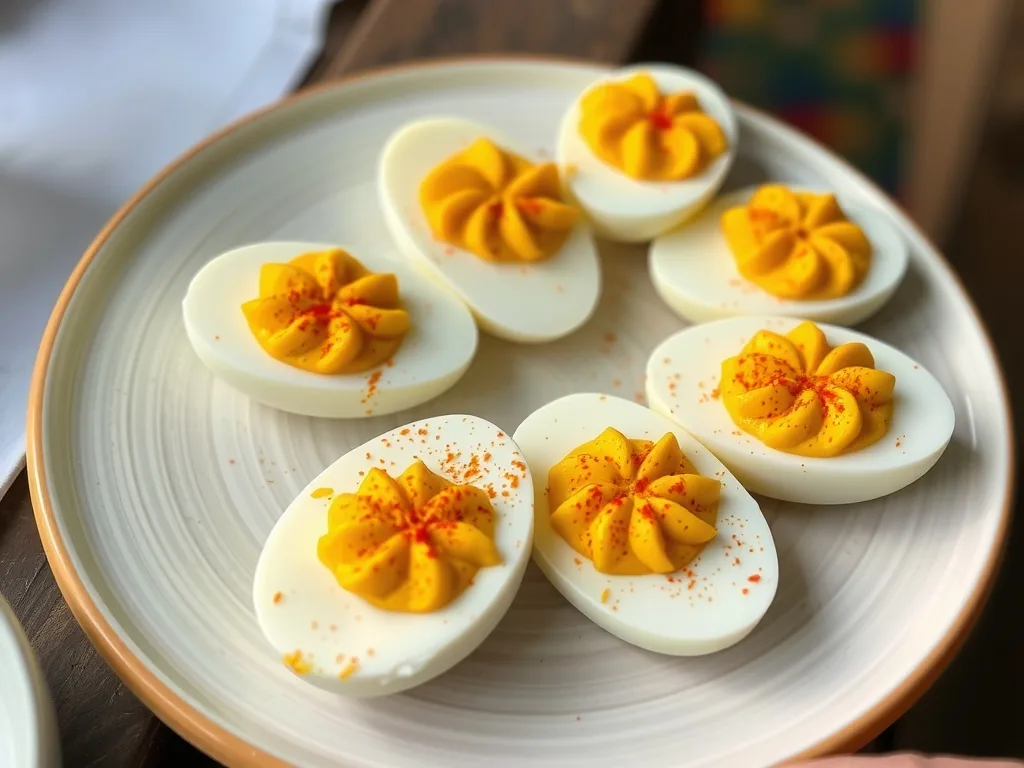
Introduction: Traditional Deviled Eggs
There is something timeless about the sight of a perfectly halved egg, its yolk gently blended with creamy mayo, mustard, and a pinch of seasoning, then dusted with a whisper of paprika. For generations, Traditional Deviled Eggs have graced family reunions, holiday buffets, and potlucks, offering a bite‑size indulgence that feels both nostalgic and elegant.
The simplicity of the ingredients belies the care required to achieve that silky, balanced flavor that makes each bite melt on the tongue. Whether you are preparing a modest brunch for two or a bustling gathering of friends, these eggs promise a familiar comfort that never disappoints.
In the pages that follow, you will discover why this classic deviled egg recipe remains a staple in kitchen repertoires across the country. From the humble ingredients that form the foundation of the dish to the nuanced techniques that elevate it, every step is designed to bring out the best in texture and taste.
You will learn how a splash of vinegar brightens the filling, how a dab of mustard adds depth, and why a careful sprinkle of paprika completes the picture. By the end, you will be equipped not only with a tried‑and‑true method but also with confidence to adapt the recipe to suit your own palate while staying true to its old fashioned deviled eggs roots.
So, roll up your sleeves, gather your eggs, and prepare to embark on a culinary journey that celebrates tradition, flavor, and the joy of sharing. This guide will walk you through each phase of crafting the perfect deviled egg, ensuring that even seasoned cooks find fresh inspiration and novices feel right at home.
Let’s dive into the details that make this dish a perennial favorite, and discover how a few simple tweaks can turn a classic into a show‑stopping centerpiece for any occasion.
Alternate Names & Variations
While most of us know them simply as deviled eggs, these delightful morsels have earned a variety of nicknames that reflect regional twists and culinary heritage. In the Midwest they are often called “stuffed eggs,” while Southern cooks may refer to them as “angel eggs” or “picnic eggs.” Across the pond, you might hear the term “deviled eggs” used interchangeably with “filled eggs.” Each nickname carries a story — of picnics on sunny lawns, of church potlucks, and of family gatherings where the recipe is passed down with loving care.
Beyond the name, the recipe itself offers a playground for creative variations that still honor the simple deviled eggs recipe tradition. Some cooks fold in crisp bacon bits for a smoky crunch; others swap the mayo for Greek yogurt to add a tangy twist; a few adventurous souls incorporate avocado for a buttery texture or a dash of hot sauce for a subtle heat.
These adaptations keep the core concept intact while giving the dish a fresh, contemporary flair. Whether you are sticking to the pure, unadorned version or experimenting with bold flavor upgrades, the versatility of deviled eggs ensures they remain a favorite on tables of all ages.
Ingredients: Traditional Deviled Eggs
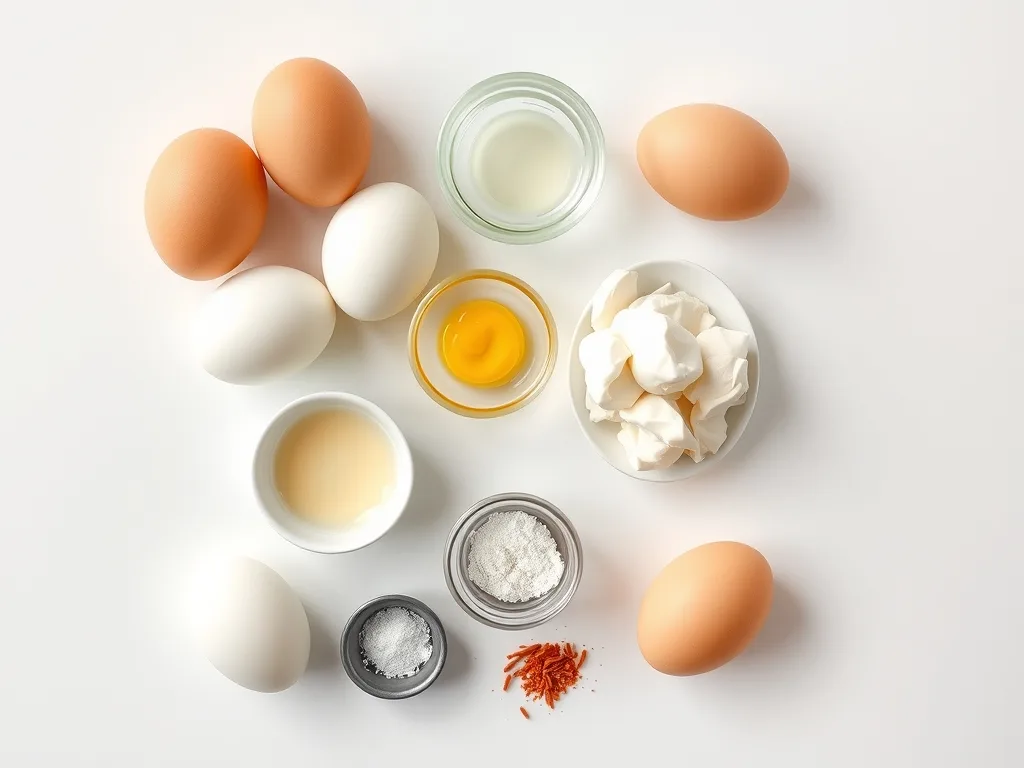
- – 6 large eggs – fresh, preferably pasture‑raised
- – 1 teaspoon white vinegar – adds a gentle brightness that balances the richness
- – 1 tablespoon mayonnaise – provides the creamy base that binds the filling together
- – ¼ teaspoon prepared mustard – introduces a subtle tang that deepens the flavor profile
- – Salt and freshly ground black pepper – to taste, ensuring the perfect seasoning balance
- – 1 teaspoon paprika – classic garnish offering a pop of color and mild earthiness (optional, but highly recommended)
Step-by-Step Instructions: Traditional Deviled Eggs
- 1. Prepare the eggs – Place the six eggs in a saucepan, cover with cold water, and bring to a boil over medium‑high heat. Once boiling, remove from heat, cover, and let sit for 12 minutes.
- 2. Shock and peel – Transfer the eggs to an ice bath for at least 5 minutes; this prevents a greenish ring around the yolk and makes peeling effortless. Gently tap each egg on a hard surface and peel under running water.
- 3. Slice and separate – Carefully slice each egg lengthwise, removing the yolks and placing them in a mixing bowl. Arrange the whites on a serving platter, keeping them upright for easy filling.
- 4. Make the filling – Mash the yolks with a fork until smooth, then add mayonnaise, mustard, vinegar, salt, and pepper. Mix until the mixture is velvety and well‑combined; for an extra silky texture, use a hand mixer on low speed.
- 5. Season to taste – Adjust the seasoning by adding a pinch more salt, pepper, or a dash of vinegar if you prefer a brighter note. Remember that the filling should be creamy yet firm enough to hold its shape when piped.
- 6. Pipe or spoon the filling – Using a piping bag fitted with a star tip or a sturdy spoon, evenly distribute the yolk mixture back into the egg white halves. Smooth the tops for a polished appearance.
- 7. Garnish and serve – Lightly dust each egg with paprika for a traditional finish. For an extra touch of elegance, add a tiny sprig of fresh herbs or a few crumbled bacon bits. Serve immediately at room temperature or chilled, depending on preference.
Chef’s Tips & Substitutions
– Tip: For ultra‑smooth filling, push the yolk mixture through a fine mesh sieve before adding mayo.
– Substitution: Replace half of the mayonnaise with Greek yogurt for a tangier, lighter version. – Tip: If you’re short on fresh eggs, older eggs are actually easier to peel after boiling.
Recipe Card Reference: Traditional Deviled Eggs
Indulge in the timeless charm of Traditional Deviled Eggs, a dish that blends simplicity with sophistication. This classic deviled egg recipe requires just a handful of pantry staples, yet delivers a burst of flavor that’s perfect for any gathering. The preparation yields a modest Prep Time of 20 minutes, while the Cook Time is limited to 15 minutes of boiling, making it an ideal make‑ahead appetizer. You’ll serve Servings of six perfectly portioned halves, each delivering roughly Calories of about 70 per piece.
These numbers reflect a balanced indulgence, allowing you to offer a delightful bite without overwhelming guests. Whether you’re planning a casual brunch or a formal soirée, this recipe’s efficient timeline ensures you can focus on entertaining while the eggs do the talking.
Why This Recipe Works & Expert Tips: Traditional Deviled Eggs
The secret to a flawless deviled egg lies in mastering the balance of texture and taste, a principle that this old fashioned deviled eggs recipe exemplifies. The vinegar’s acidity cuts through the richness of the mayo, creating a harmonious palate that feels both familiar and refined. By using freshly boiled eggs and an ice bath, the whites retain a tender snap, while the yolks become perfectly crumbly for easy mashing.
A pinch of mustard adds depth without overpowering, and the optional paprika not only adds visual appeal but introduces a subtle earthiness that rounds out the flavor profile. For those seeking a healthier twist, swapping half the mayo for Greek yogurt maintains creaminess while boosting protein content.
Additionally, experimenting with herbs like dill or chives can infuse the filling with fresh aromatics, turning a classic into a contemporary sensation. Ultimately, the recipe’s success rests on respecting each ingredient’s role, allowing the final bite to shine as a testament to culinary simplicity and elegance. ## Storage, Freezing, and Reheating
Proper storage ensures that your deviled eggs remain fresh and safe for enjoyment beyond the initial serving. Once assembled, keep the eggs refrigerated in an airtight container for up to 2 days; the filling may become slightly watery after longer storage, so a quick stir before serving restores its original consistency.
If you find yourself with leftover egg whites or yolks, separate them and store each in individual containers — whites can be kept for up to a week, while yolks freeze well for up to 3 months when placed in a sealed bag with a small amount of oil to prevent freezer burn. When reheating, avoid microwaves; instead, gently place the eggs in a bowl of warm water for a few minutes to bring them to a pleasant serving temperature without compromising texture.
These storage strategies let you plan ahead and minimize waste, ensuring that every bite remains as delightful as the first.
People Also Ask: Traditional Deviled Eggs
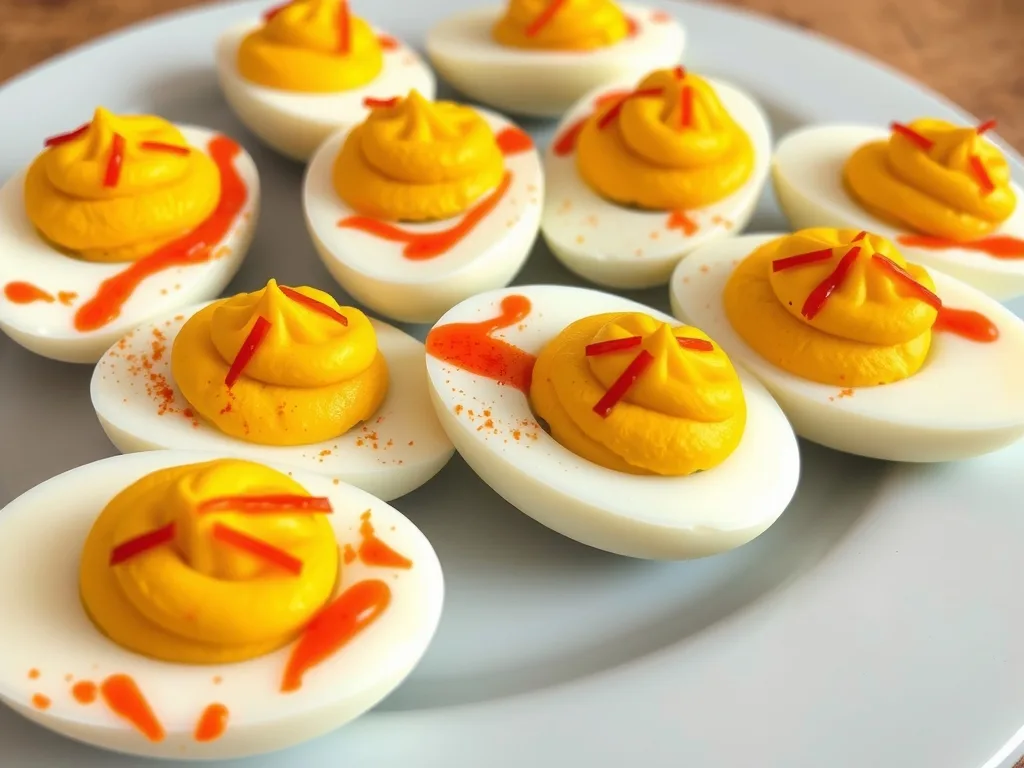
What makes a deviled egg traditional?
A traditional deviled egg is defined by a few core elements: a hard‑boiled egg that has been split, a creamy yolk mixture that typically includes mayonnaise, mustard, and a touch of vinegar or pickle relish, and a garnish of paprika that adds color and a subtle earthy flavor. The method of preparation — boiling, chilling, peeling, and carefully filling the whites — has remained largely unchanged for generations, preserving the nostalgic appeal that makes these eggs a staple at celebrations and gatherings.
What are the main ingredients in a classic deviled egg?
The cornerstone ingredients of a classic deviled egg are six large eggs, a tablespoon of mayonnaise for richness, a quarter teaspoon of prepared mustard for tang, a teaspoon of white vinegar to brighten the flavor, and seasonings of salt and pepper to taste. Optional but customary finishing touches include a dusting of paprika for visual contrast and a hint of earthiness, as well as occasional additions like finely chopped herbs or a dash of hot sauce for personalized flair.
Is paprika necessary for deviled eggs?
While paprika is not a mandatory ingredient, it is strongly recommended for authentic presentation and flavor balance. The mild, sweet heat of paprika adds a visual speck of color that makes the eggs instantly recognizable as deviled, while its subtle earthiness rounds out the overall taste profile. However, if you prefer a different garnish or wish to experiment with alternatives such as fresh herbs, smoked salt, or even a drizzle of hot sauce, you can absolutely omit paprika without compromising the dish’s integrity.
Should deviled eggs be served cold?
Deviled eggs are traditionally served chilled, as the cool temperature helps maintain the firm texture of the egg whites and keeps the creamy yolk filling firm and refreshing. Serving them cold also enhances the flavors, allowing the tangy vinegar and buttery mayo to meld harmoniously. That said, some modern interpretations opt to serve them at room temperature, especially when accompanied by warm‑weather outdoor events; just be sure to keep them refrigerated until the last moment to prevent any risk of bacterial growth.
Conclusion: Traditional Deviled Eggs
There you have it — a complete, step‑by‑step journey through the art of crafting Traditional Deviled Eggs, a dish that blends heritage with modern versatility. From selecting the perfect eggs to mastering the seasoning balance, each stage is designed to bring out the best in flavor, texture, and presentation. We hope this guide inspires you to recreate these delightful bites for your next gathering, and that the tips and variations empower you to personalize the recipe while honoring its timeless roots. Share your creations, spread the joy, and let the compliments roll in as you serve up these classic, crowd‑pleasing appetizers.
You Might Also Like
- Amish Tomato Pie – The Best Comfort Dish to Try This Summer
- Smoked Meatloaf Recipe: Juicy & Flavorful
- Best Spicy Cajun Salmon Recipe – Quick & Flavorful Dinner Idea! 🐟🌶️✨
- Ultimate CrackerBarrel Meatloaf Recipe – Easy & Comforting Dish!
Find Us On Pinterest and Facebook.
Print
Traditional Deviled Eggs
- Total Time: 25 minutes
- Yield: 6 servings 1x
- Diet: Vegetarian
Description
Classic deviled eggs with a creamy yolk filling seasoned with mustard, white vinegar, and a hint of paprika.
Ingredients
- 6 large eggs
- 1 teaspoon white vinegar, or to taste
- 1 tablespoon mayonnaise
- 1/4 teaspoon prepared mustard
- Salt and pepper to taste
- 1 teaspoon paprika, or to taste
Instructions
- Place eggs in a saucepan, cover with cold water, and bring to a boil.
- Reduce heat and simmer for 10 minutes, then transfer to an ice bath to cool.
- Peel the eggs and slice them lengthwise, removing the yolks into a bowl.
- Mash the yolks with mayonnaise, white vinegar, mustard, salt, pepper, and paprika until smooth.
- Pipe or spoon the yolk mixture back into the egg whites and garnish with a pinch of paprika.
Notes
Adjust seasoning to taste; a dash of hot sauce can add extra kick.
- Prep Time: 15 minutes
- Cook Time: 10 minutes
- Category: Appetizer
- Method: Boiled
- Cuisine: American
Nutrition
- Serving Size: 2 egg halves
- Calories: 120 kcal
- Sugar: 1g
- Sodium: 200mg
- Fat: 8g
- Saturated Fat: 1.5g
- Unsaturated Fat: 6g
- Trans Fat: 0g
- Carbohydrates: 5g
- Fiber: 0g
- Protein: 6g
- Cholesterol: 185mg