
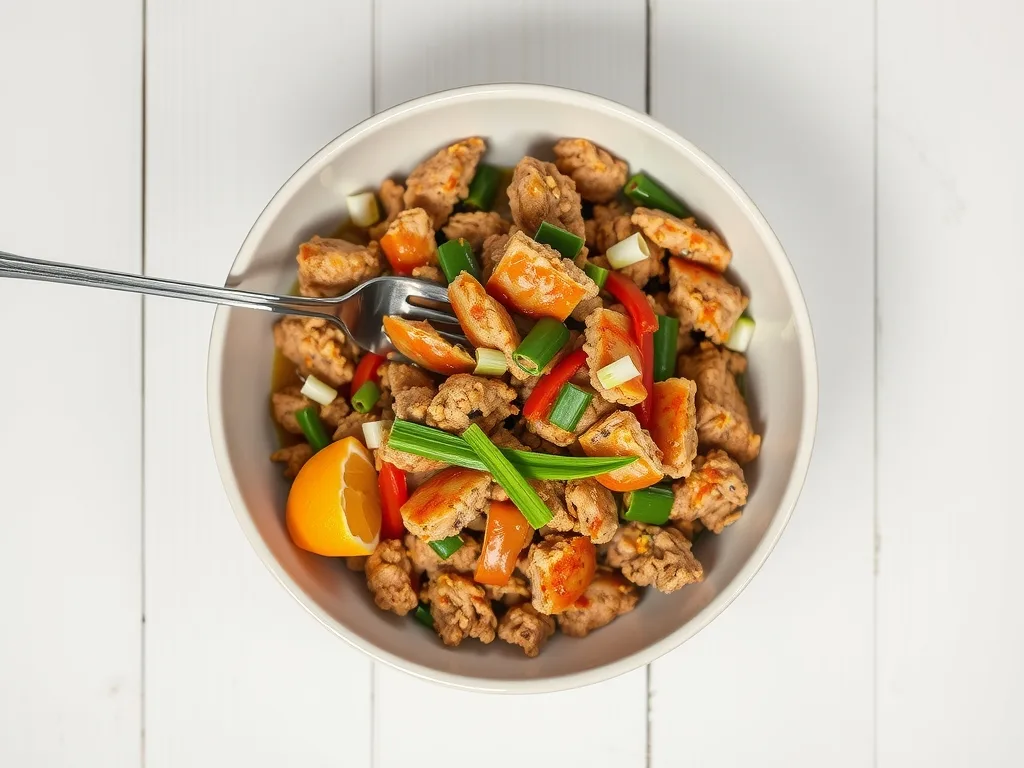
Orange Ground Turkey: A Bright, Citrusy Stir-Fry for Healthy Weeknight Meals
When you’re looking for a protein‑packed dinner that feels indulgent without the heaviness, orange ground turkey delivers the perfect balance of sweet tang and savory depth. This recipe transforms humble ground turkey into a vibrant stir‑fry that sings with fresh orange juice, zest, and a hint of apple cider vinegar, all brought together in a glossy, lightly thickened sauce. The result is a dish that’s both comforting and refreshing—ideal for busy weeknights, meal‑prep Sundays, or whenever you need a wholesome meal that doesn’t sacrifice flavor.
What makes this orange ground turkey stand out is its simplicity paired with bold, layered flavors. The sauce comes together in minutes, coating each bite of turkey with a citrus‑kissed glaze that caramelizes slightly as it hits the hot pan. A touch of ginger, garlic, and red‑pepper flakes adds warmth, while scallions provide a fresh crunch at the finish. Served over steamed rice, quinoa, or a bed of sautéed vegetables, this dish satisfies cravings for Asian‑inspired cuisine while keeping the nutrition profile lean and protein‑rich—perfect for the 40‑plus crowd aiming to maintain energy, support muscle health, and enjoy meals that taste like a treat.
Beyond the plate, this recipe is a versatile foundation. Swap in ground chicken, adjust the heat level, or toss in your favorite veggies for endless variations. Because the sauce is naturally gluten‑free (when using tamari) and low in added sugar, it fits neatly into many dietary preferences without feeling restrictive. Let’s dive into the details so you can recreate this citrus‑bright masterpiece at home with confidence.
Alternate Names & Variations
Orange ground turkey is also known by several descriptive names that help you find similar ideas online. You might see it called citrus ground turkey recipe, orange ginger turkey stir fry, or healthy turkey and orange skillet. Some cooks refer to it as a turkey orange glaze when they finish the dish with a thicker, sauce‑like coating, while others label it a turkey and orange stir fry when they load the pan with bell peppers, snap peas, or broccoli.
Variations are easy to tailor to your pantry. Replace the canola oil with sesame oil for a deeper nutty note, or use coconut aminos instead of soy sauce for a soy‑free, slightly sweeter profile. If you prefer a thicker sauce, increase the cornstarch slurry to two teaspoons cornstarch mixed with two tablespoons water. For a vegetarian twist, substitute the ground turkey with crumbled tempeh or plant‑based ground meat, keeping the same seasoning ratios. Adding sliced mushrooms, shredded carrots, or baby bok choy introduces extra texture and nutrients while keeping the dish within the 400‑500 calorie range per serving.
Ingredients
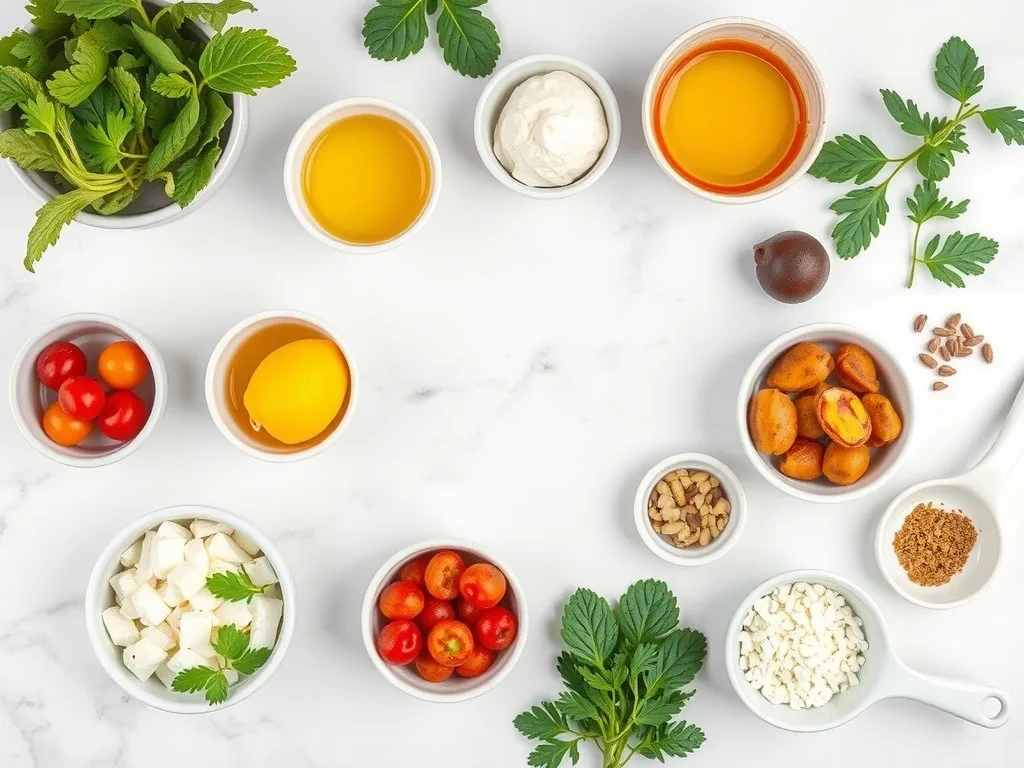
* 3 tablespoons apple cider vinegar – adds tangy brightness that balances the sweet orange
* 3 tablespoons fresh orange juice – about half a large orange; provides the primary citrus flavor
* 1 tablespoon orange zest – (about the zest from one orange) intensifies the aroma
* 2 tablespoons low sodium soy sauce – (or tamari for gluten‑free) supplies umami depth
* 2 tablespoons white granulated sugar – lightly sweetens the glaze; can be reduced to 1 tablespoon for less sugar
* 1 teaspoon sesame oil – contributes a subtle nutty background note
* 1 tablespoon cornstarch – thickens the sauce when combined with water
* 1 tablespoon water – activates the cornstarch slurry
* 1 tablespoon canola oil – (or any neutral oil) for sautéing the aromatics and turkey * 1 lb uncooked 99 % lean ground turkey breast – (or ground chicken breast) the protein base
* 1 tablespoon minced ginger root – fresh ginger adds warmth and a slight bite
* 2 teaspoons minced garlic – essential aromatic backbone
* ¼ teaspoon crushed red pepper flakes – adjustable heat; increase for more spice
* 2 scallions, sliced – green tops for garnish and white parts for cooking
Step-by-Step Instructions
1. Prepare the sauce: In a small bowl, whisk together the apple cider vinegar, fresh orange juice, orange zest, soy sauce, sugar, sesame oil, cornstarch, and water until the cornstarch is fully dissolved. Set aside.
2. Heat the pan: Place a large non‑stick skillet or wok over medium‑high heat. Add the canola oil and swirl to coat the surface.
3. Sauté aromatics: Add the minced ginger, garlic, and crushed red pepper flakes to the hot oil. Stir‑fry for 30 seconds, or until fragrant—be careful not to burn the garlic. 4. Cook the ground turkey: Increase the heat to high and add the ground turkey. Break it up with a spatula, spreading it in an even layer. Cook, stirring occasionally, for 5–6 minutes until the meat loses its pink color and begins to brown.
5. Deglaze and sauce: Push the turkey to the sides of the pan, giving you space to pour in the prepared orange sauce. Let the sauce simmer for 1 minute to thicken, then stir everything together so the turkey is evenly coated.
6. Finish with scallions: Add the sliced scallions (reserving a few green tops for garnish) and toss for another 30 seconds until they wilt slightly but retain some crispness.
7. Taste and adjust: Sample the dish; if you prefer a sweeter glaze, add a pinch more sugar. For extra tang, drizzle a half‑teaspoon of apple cider vinegar. If the sauce is too thick, splash in a tablespoon of water or extra orange juice.
8. Serve: Transfer the orange ground turkey to a serving bowl. Garnish with the reserved scallion greens and, if desired, a sprinkle of sesame seeds. Serve immediately over steamed brown rice, cauliflower rice, quinoa, or a mound of stir‑fried vegetables.
Chef’s Tips:
* For maximum juiciness, avoid overcooking the turkey; it should be just cooked through.
* If you like a bit of crunch, add sliced water chestnuts or bell pepper strips during the last minute of cooking. * To make the dish ahead, prepare the sauce and store it separately; combine with freshly cooked turkey when ready to eat.
Recipe Card Reference
Prep Time: 10 minutes
Cook Time: 12 minutes
Total Time: 22 minutes
Servings: 4 (approximately 1 cup per serving)
Calories: ≈320 kcal per serving (based on 99 % lean ground turkey, minimal oil, and sugar as listed)
Why This Recipe Works & Expert Tips
The success of this orange ground turkey hinges on the balance of acid, sweet, and umami—a classic flavor triangle that keeps the palate engaged without overwhelming any single note. Fresh orange juice supplies natural citric acid and a bright, fruity sweetness, while the zest concentrates aromatic oils that survive the quick sauté, delivering an intense citrus perfume. Apple cider vinegar sharpens the profile, cutting through the richness of the turkey and preventing the dish from feeling heavy. Soy sauce (or tamari) contributes glutamates, the savory backbone that makes the meat taste deeply satisfying, especially important when working with lean protein that can otherwise taste bland. The modest amount of sugar caramelizes slightly during the high‑heat stir‑fry, creating a light glaze that clings to each turkey crumble, giving a pleasant mouthfeel and a hint of glossy finish. Sesame oil, though used sparingly, adds a nutty undertone that complements the orange and grounds the dish in Asian‑inspired flavor territory.
From a technique standpoint, high‑heat searing is crucial. By cooking the turkey quickly, we lock in moisture and develop a subtle Maillard reaction on the surface, which adds depth without drying out the meat. The cornstarch slurry acts as a quick‑set thickener, transforming the liquid sauce into a velvety coating that adheres to the protein rather than pooling at the bottom of the pan. This method also allows the sauce to glaze rather than stew, preserving the distinct textures of the aromatics and scallions. Expert tip: Prep all ingredients before heating the pan (mise en place). The cooking process moves fast—once the turkey hits the pan, you have only a few minutes to add the sauce and finish. Having the sauce pre‑mixed and the aromatics minced ensures you won’t scramble for components and risk overcooking the turkey.
For those watching sodium, opt for low‑sodium soy sauce and taste before adding extra salt; the orange juice and vinegar already provide plenty of tang, so you may find the dish perfectly seasoned as written. If you prefer a spicier kick, increase the red‑pepper flakes to ½ teaspoon or add a drizzle of sriracha at the end.
Storage, Freezing, and Reheating
Allow the orange ground turkey to cool to room temperature within two hours of cooking, then transfer it to an airtight container. Stored in the refrigerator, it stays fresh for up to four days. The sauce may thicken slightly as it chills; when reheating, add a splash of water or orange juice to loosen it back to a glossy consistency.
For longer storage, place the cooled dish in a freezer‑safe bag or container, removing as much air as possible. It freezes well for up to three months. Thaw overnight in the refrigerator before reheating.
To reheat, use a non‑stick skillet over medium heat, stirring frequently until the turkey is heated through and the sauce is bubbling gently—about 5‑7 minutes. If you prefer the microwave, transfer a portion to a microwave‑safe dish, cover loosely, and heat on medium power in 1‑minute intervals, stirring between each, until hot. Avoid overheating, as the turkey can become dry; a brief reheating preserves its juicy texture and the bright citrus glaze.
People Also Ask
What can I make with ground turkey and oranges?
Ground turkey and oranges pair beautifully in a variety of dishes beyond this stir‑fry. You can create orange‑glazed turkey meatballs by mixing ground turkey with breadcrumbs, egg, orange zest, and a splash of juice, then baking and tossing in a reduced orange‑soy glaze. Another option is a turkey and orange lettuce wrap, where the sautéed turkey is spooned into crisp butter lettuce leaves with shredded carrots, cilantro, and a drizzle of the same citrus sauce. For a heartier meal, try a turkey orange chili—simmer ground turkey with diced tomatoes, black beans, orange juice, zest, chili powder, and cumin for a sweet‑savory twist on classic chili. These ideas all leverage the bright citrus notes to cut through the richness of turkey while keeping the prep simple and nutritious.
How do you add flavor to ground turkey?
Lean ground turkey benefits from bold, aromatic ingredients that compensate for its mild flavor. Start with a flavor base of minced garlic, ginger, and shallots or onions sautéed in oil until fragrant. Add umami boosters like soy sauce, fish sauce, Worcestershire, or miso paste. Acidic components—citrus juice, vinegar, or a squeeze of lime—brighten the meat and balance richness. Fresh herbs such as cilantro, basil, or scallions added at the end provide a fresh pop. Spices like smoked paprika, cumin, coriander, or crushed red pepper flakes introduce warmth and depth. Finally, a touch of sweetness—honey, brown sugar, or fruit juice—helps caramelize the surface during cooking, creating a tasty crust. Combining several of these layers ensures every bite of turkey is flavorful, juicy, and satisfying.
How do you cook ground turkey without it getting dry? The key to juicy ground turkey is avoiding overcooking and incorporating moisture‑retaining techniques. Use a higher fat content (93 % lean or 85 % lean) if you’re not strictly limiting fat, as the extra fat helps keep the meat tender. When cooking, break the meat into small pieces and spread it in an even layer; this allows quick, uniform heat distribution. Cook over medium‑high heat just until the meat loses its pink color—typically 5‑7 minutes for a pound—and then remove from heat promptly. Adding a binding agent such as an egg white, breadcrumbs soaked in milk, or a tablespoon of plain Greek yogurt to the raw mixture can also lock in moisture. Finally, deglazing the pan with a flavorful liquid (like the orange sauce in this recipe) and letting the turkey sit in the sauce for a minute or two after cooking helps reabsorb any lost juices, keeping the final dish succulent.
What temperature should ground turkey be cooked to?
For safety, ground turkey must reach an internal temperature of 165 °F (74 °C) as measured with an instant‑read food thermometer inserted into the thickest part of the meat. This temperature ensures that any harmful bacteria, such as Salmonella or Campylobacter, are destroyed. Because ground turkey is lean and can dry out quickly, it’s best to monitor the temperature closely and remove the pan from heat as soon as 165 °F is reached. Letting the meat rest for a couple of minutes off the heat allows the temperature to stabilize and the juices to redistribute, resulting in a tender, safe-to-eat dish.
Conclusion
This orange ground turkey stir‑fry brings together the bright zest of fresh citrus, the savory depth of soy, and a whisper of heat to create a meal that feels both nourishing and celebratory. It’s quick enough for a hectic weeknight, yet elegant enough to serve when you have guests over. Feel free to make it your own—swap in your favorite vegetables, adjust the sweetness or spice level, or turn leftovers into a tasty lunch bowl.
If you tried this recipe, we’d love to hear how it turned out! Snap a photo, tag us on social media, and share your twists in the comments below. Your feedback helps us keep bringing you delicious, approachable recipes that fit your lifestyle.
You Might Also Like
* Healthy Turkey and Vegetable Stir Fry – a colorful medley of broccoli, snap peas, and carrots with a light ginger‑soy glaze
* Citrus Glazed Turkey Meatballs – baked meatballs tossed in a sweet‑orange orange sauce, perfect for appetizers or meal prep * Low‑Sodium Asian Ground Turkey Lettuce Wraps – fresh, crunchy wraps filled with seasoned turkey, shredded cabbage, and a tangy lime dressing
* One‑Pan Orange Ginger Turkey Skillet – a simpler version with fewer ingredients, ideal for busy evenings
* Turkey and Orange Quinoa Bowl – protein‑packed quinoa topped with orange‑glazed turkey, avocado, and a cilantro‑lime drizzle
* Slow Cooker Orange Turkey Chili – set‑and‑forget chili that blends ground turkey, beans, orange juice, and warm spices for a cozy dinner